The best spark plugs for 5.7 Chevy TBI engines must match the original long-reach, tapered-seat cylinder heads and the vehicle’s specific ignition calibration. Chevrolet used the throttle-body-injected 5.7-liter small-block across pickups, SUVs, vans, and heavier-duty vehicles, so the required plug and gap can vary with the model year, VIN code, emissions package, and duty rating.
My primary recommendation is the ACDelco R44LTSM Conventional Spark Plug for compatible factory-configured engines because its dimensions, heat range, and conventional construction closely match many original TBI applications.
I would choose the NGK 2238 TR5 V-Power Spark Plug Set when an eight-plug conventional alternative with a V-grooved electrode is preferred.
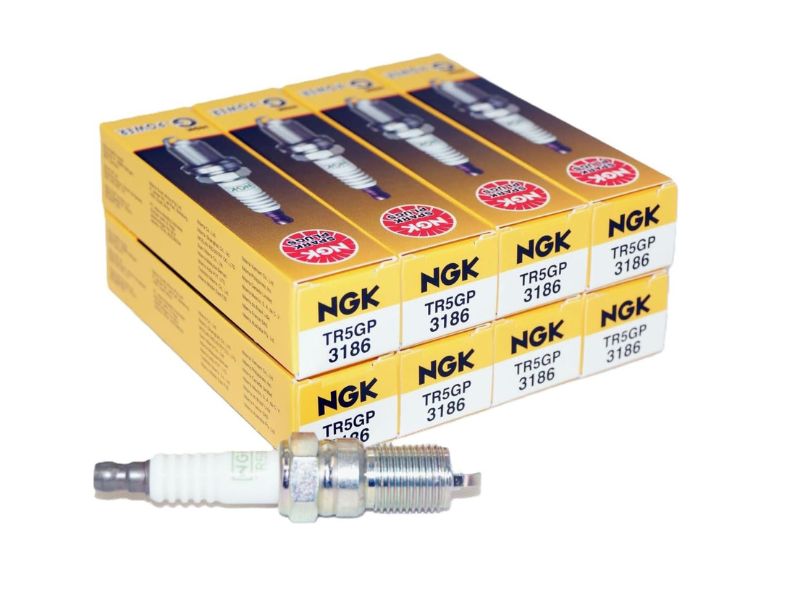
The NGK 3186 TR5GP G-Power Platinum Spark Plug Set is more appropriate when slower center-electrode wear is a priority.
The Autolite and Champion options reviewed below provide additional conventional alternatives, but none of these products should be ordered solely because the engine is labeled “5.7.” Confirm the current plug number, cylinder-head casting, vehicle application, and underhood gap specification first.
Best Spark Plugs for 5.7 Chevy TBI Engines
| Image | Product Name | Check Price |
|---|---|---|
Best Choice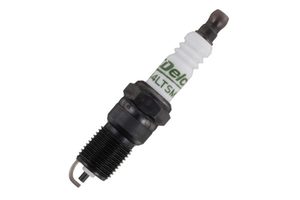 | ACDelco R44LTSM Conventional Spark Plug | Check Price |
Second Best | NGK 2238 TR5 V-Power Spark Plug Set | Check Price |
Third Choice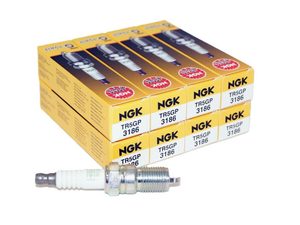 | NGK 3186 TR5GP G-Power Platinum Spark Plug Set | Check Price |
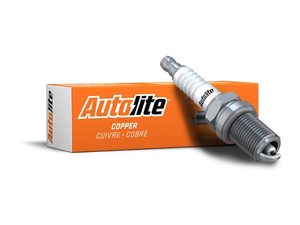 | https://www.amazon.com/dp/B000C23CAQ?tag=rsl06-20 | Check Price |
 | Champion RS12YC Copper Plus Spark Plug | Check Price |
1. ACDelco R44LTSM Conventional Spark Plug
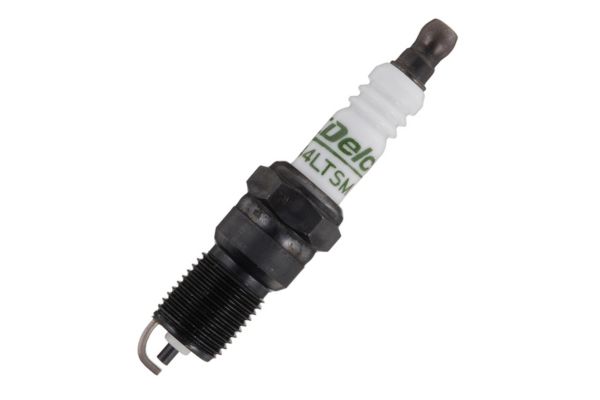
Key Features
- 14 mm thread diameter
- Long-reach shell for compatible TBI heads
- Tapered-seat construction
- Projected firing tip
- Copper-core center electrode
- Conventional nickel-alloy firing surfaces
- Resistor-type suppression
- Corrosion-resistant shell coating
- Factory-oriented heat range
The ACDelco R44LTSM is my primary recommendation for compatible stock 5.7 Chevy TBI engines. Its main advantage is not an exotic electrode material; it is the combination of dimensions and operating characteristics associated with many original Chevrolet truck applications.
The “LTS” portion of the plug designation identifies important physical characteristics, including a longer threaded shell and tapered seat. These characteristics separate it from short-reach plugs used in earlier small-block heads. A short plug may thread into a TBI head but leave the firing end recessed and expose unused threads to combustion deposits.
The tapered seat seals directly against a matching conical surface in the cylinder head. It does not use a crush gasket. Correct seat contact is essential for sealing, plug positioning, and heat transfer from the shell into the head.
A copper core helps conduct heat away from the firing tip. The exposed electrodes use conventional materials that are relatively easy to inspect during engine diagnosis. This is useful on a TBI engine because plug deposits can help identify problems involving fuel pressure, injector spray, coolant-sensor input, ignition voltage, oil consumption, or cylinder sealing.
The plug’s resistor helps suppress electromagnetic interference that could affect the engine-control module, radio, or other electronics. The resistance is only one part of the secondary ignition circuit. Old plug wires can accumulate excessive resistance or develop internal breaks, causing a misfire even after the plugs have been replaced.
The R44 heat range is a practical factory-style choice for many standard TBI engines. It is neither a universal performance range nor appropriate for every modified 350. Increased compression, forced induction, nitrous oxide, sustained high-rpm use, or aftermarket heads can require a different plug.
Another important consideration is packaging. The commonly listed product may contain one plug, so the order quantity for a V8 is eight. Confirm the quantity before purchasing or beginning disassembly.
The factory gap must also be checked. Many TBI truck applications use a gap near 0.035 inch, but specifications can vary. The preset condition of a replacement plug should never overrule the vehicle’s emissions label or service information.
The ACDelco R44LTSM is the most sensible starting point for an original, stock-calibrated 5.7 TBI whose factory documentation specifies this plug family. I would select another option only after confirming an equivalent cross-reference or accounting for significant engine modifications.
2. NGK 2238 TR5 V-Power Spark Plug Set
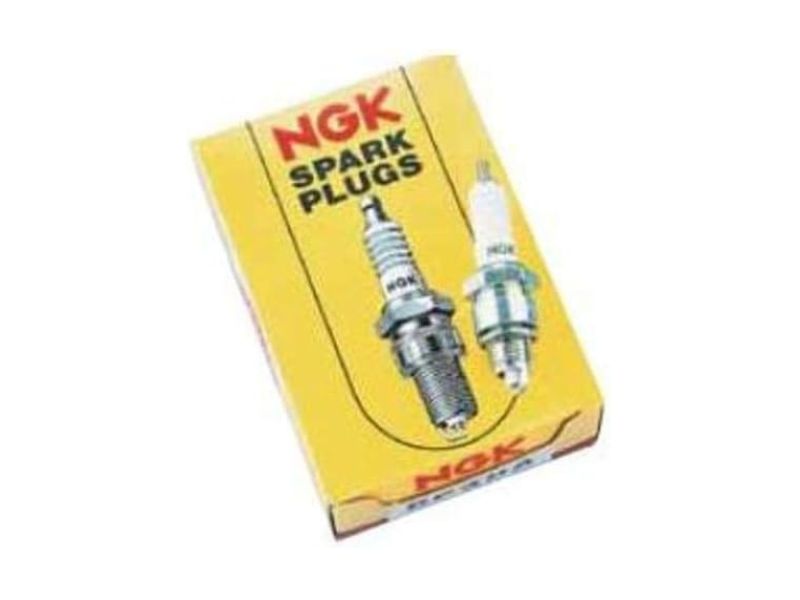
Key Features
- Complete set of eight plugs
- 14 mm threads
- Long-reach configuration
- Tapered sealing seat
- Projected firing end
- Copper-core center electrode
- V-grooved ground strap
- Resistor construction
- NGK heat range 5
The NGK TR5 V-Power is a useful conventional alternative for compatible 5.7 TBI engines. The reviewed package includes eight plugs, eliminating the need to order individual units for a complete V8 tune-up.
NGK’s V-Power design places a V-shaped groove in the ground electrode. This shape encourages the spark to occur near the electrode’s outer edge rather than being partially hidden directly beneath the ground strap. It does not create more ignition voltage or guarantee additional horsepower, but it provides a practical firing-end design.
The TR5 uses the long-reach tapered-seat shell required by many TBI-era Chevrolet iron heads. This is the essential compatibility factor. It must not be confused with the NGK UR5, which belongs to a shorter-reach plug family used in other Chevrolet applications.
Heat-range numbers are brand-specific. NGK generally uses higher numbers for colder plugs, while ACDelco uses lower numbers for colder ranges. The “5” in TR5 cannot be directly compared with the “44” in R44LTSM.
The copper core transfers heat effectively, while the conventional electrodes make the plug suitable for periodic inspection. These plugs are useful when diagnosing a TBI engine because their firing surfaces and insulator noses reveal deposits without the extremely fine geometry of some precious-metal designs.
Conventional electrodes gradually erode. As the edges become rounded, the plug gap grows and the ignition coil must produce more voltage. The engine may continue to idle normally while developing a misfire during acceleration, towing, or hill climbing.
The TR5 set may be supplied with a gap close to 0.040 inch. That does not mean every 5.7 TBI should use that measurement. Adjust all eight plugs to the verified specification for the vehicle.
I recommend the NGK TR5 when its cataloged application matches the truck or SUV and the owner wants an eight-plug conventional set. I would choose the platinum TR5GP instead when slower center-electrode wear matters more than using a basic nickel firing surface.
3. NGK 3186 TR5GP G-Power Platinum Spark Plug Set
Key Features
- Set of eight spark plugs
- Fine-wire platinum center electrode
- Copper-core construction
- Trapezoid-cut ground electrode
- 14 mm thread diameter
- Long-reach tapered-seat shell
- Projected firing tip
- Resistor suppression
- Same general NGK heat range as the TR5
The NGK TR5GP combines the relevant TR5 shell family with a fine-wire platinum center electrode. It is the most appropriate choice here for owners who want slower center-electrode wear without moving to a radically different plug design.
A fine center electrode concentrates the ignition voltage over a smaller area. This can reduce the voltage required to initiate the spark compared with a broad, worn conventional electrode. The practical result is dependable ignitability and slower center-tip erosion when the rest of the engine is in good condition.
Platinum does not correct a weak coil, deteriorated plug wires, poor grounds, excessive fuel pressure, or mechanical wear. If a TBI engine runs excessively rich or burns oil, deposits can foul a platinum plug before its electrode reaches its normal wear limit.
The plug retains the long-reach tapered-seat architecture needed for compatible TBI heads. Its physical fit must still be confirmed because some 5.7-liter engines identified in searches are later Vortec or LS-family designs rather than the traditional TBI small-block.
The TR5GP is supplied as an eight-plug set, simplifying replacement. Each gap should be measured carefully using a wire-style gauge. Bend only the ground strap and avoid scraping or pressing against the fine platinum center electrode.
This product is a sensible option for a stock or mildly modified TBI engine that runs cleanly and accumulates regular road mileage. I would prefer the conventional ACDelco or NGK TR5 during active diagnosis because a less expensive conventional plug may be more practical when repeated inspection or replacement is expected.
The TR5GP earns third place because its durability benefit is useful but less important than verifying factory-style fit and heat range. It can be a good longer-wear choice after the fuel and ignition systems are operating correctly.
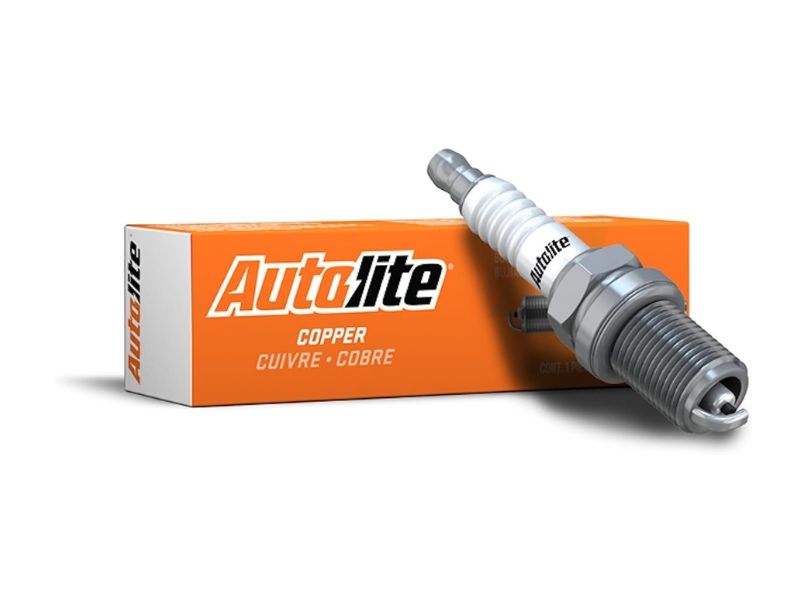
4. Autolite 145 Copper Resistor Spark Plug
Key Features
- 14 mm thread diameter
- Approximately 0.708-inch reach
- Tapered-seat shell
- Projected firing tip
- 5/8-inch hex
- Copper-core center electrode
- Conventional nickel firing surfaces
- Resistor-type design
- Sold individually
The Autolite 145 provides a conventional copper-core alternative for compatible long-reach Chevrolet TBI cylinder heads. Its approximately 0.708-inch reach makes it fundamentally different from the shorter Autolite 25 family commonly associated with earlier small-block heads.
The long reach positions the firing end correctly in a head designed for it. Installing a short-reach plug could recess the electrodes and allow carbon to build on the unused threads. Installing the Autolite 145 in a short-reach head could expose excessive threads inside the chamber, so visual similarity is not enough to establish compatibility.
Its tapered seat seals without a crush washer, and the 5/8-inch hex works with the common small-block plug socket size. The projected tip extends the firing end into the chamber as intended for compatible heads.
The copper core supports controlled heat transfer, while the conventional electrodes make the plug straightforward to inspect. This is helpful for an older work truck that receives routine maintenance rather than extended plug-change intervals.
The Autolite 145 is sold individually in the linked configuration, requiring an order quantity of eight. All eight plugs should be checked to confirm identical part numbers and consistent construction.
I would choose this plug when an application catalog or verified cross-reference specifies Autolite 145 for the exact vehicle. It is a useful alternative for conventional maintenance but does not offer a compelling reason to replace the factory-oriented ACDelco option when that part is already operating correctly.
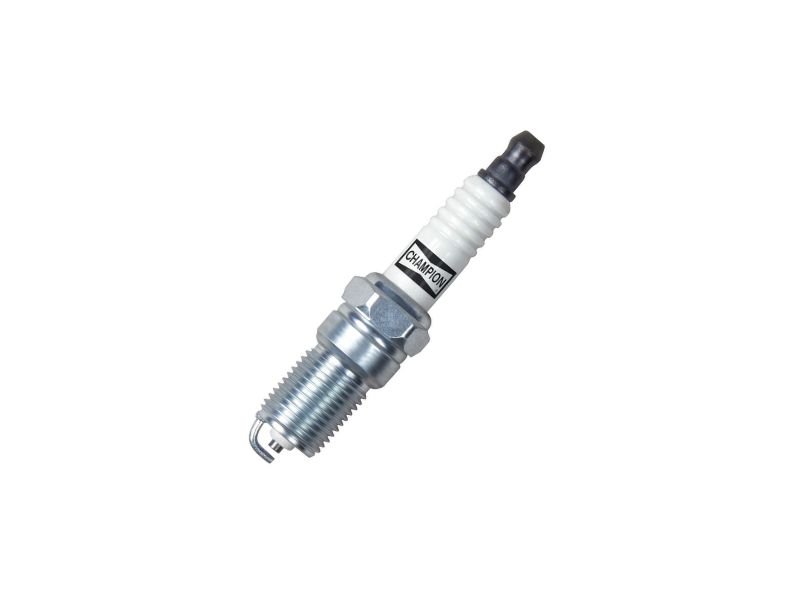
5. Champion RS12YC Copper Plus Spark Plug
Key Features
- Four plugs per package
- Two packages required for a V8
- 14 mm thread diameter
- Long-reach tapered-seat shell
- Projected firing tip
- 5/8-inch hex
- Copper-core heat control
- Conventional nickel electrode
- Built-in resistor suppression
The Champion RS12YC rounds out the list as another conventional cross-reference candidate for compatible 5.7 TBI engines. Its copper-core construction and long-reach tapered-seat shell address the same general application type as the factory-oriented alternatives.
Champion uses its own heat-range system, so the “12” should not be compared directly with NGK’s “5” or ACDelco’s “44.” Compatibility must be determined through a current application listing and the exact engine specification.
The standard nickel center electrode favors conventional serviceability rather than an unusually long replacement interval. It is appropriate for an older truck whose plugs are inspected alongside the cap, rotor, wires, and fuel system.
The projected tip and tapered seat must match the original heads. The plug should not be installed in aftermarket aluminum heads unless the head manufacturer specifically approves this family.
The package contains four plugs, so two packages are required. Verify all eight gaps because the listed preset measurement may not match the vehicle’s underhood specification.
The Champion RS12YC is most appropriate for an owner who prefers Champion and has verified its application for the vehicle. It ranks fifth because its packaging requires extra attention and it offers no universal advantage over the first four products, but it remains a credible conventional option when properly matched.
Best Spark Plugs for 5.7 Chevy TBI Comparison
| Product | Electrode Design | Thread | Reach Class | Seat | Tip | Resistor | Package Quantity | Primary Use |
| ACDelco R44LTSM | Copper core, conventional nickel | 14 mm | Long | Tapered | Projected | Yes | 1 | Factory-style replacement |
| NGK 2238 TR5 | Copper core, V-grooved ground | 14 mm | Long | Tapered | Projected | Yes | 8 | Conventional eight-plug alternative |
| NGK 3186 TR5GP | Fine-wire platinum center | 14 mm | Long | Tapered | Projected | Yes | 8 | Reduced center-electrode wear |
| Autolite 145 | Copper core, conventional nickel | 14 mm | Approx. 0.708 in. | Tapered | Projected | Yes | 1 | Conventional Autolite cross-reference |
| Champion RS12YC | Copper core, conventional nickel | 14 mm | Long | Tapered | Projected | Yes | 4 | Conventional Champion alternative |
The ACDelco R44LTSM provides the clearest factory-oriented starting point. The NGK TR5 offers convenient eight-plug packaging and a V-grooved ground strap, while the TR5GP adds a fine-wire platinum center electrode.
Autolite 145 and Champion RS12YC are useful brand alternatives when their respective catalogs confirm fitment. Their different part numbers do not imply meaningfully hotter or colder operation without a verified cross-reference.
What Is a Chevy 5.7 TBI Engine?
The Chevrolet 5.7 TBI is the traditional 350-cubic-inch small-block equipped with throttle-body injection. Instead of placing an injector at each intake port, the system uses centrally located injectors above the throttle plates.
Fuel travels through the intake manifold in a manner resembling a carbureted engine, but injector operation is controlled electronically. The control module uses information from several sensors to calculate fuel delivery and ignition behavior.
Common TBI-era applications include:
- C/K-series pickups
- Suburban models
- Full-size Blazer and related SUVs
- G-series vans
- Commercial chassis
- Some heavier-duty vehicles
- Replacement and crate-engine installations
The traditional 5.7 TBI should not be confused with the later 5.7 Vortec. Although both displace approximately 350 cubic inches, their intake systems, heads, combustion chambers, and plug requirements can differ.
It should also not be confused with a later 5.7-liter LS-family engine. Searching only by displacement can therefore lead to an incorrect short or long plug.
How to Choose Spark Plugs for a 5.7 Chevy TBI
Confirm the Model Year and VIN Engine Code
Begin with the vehicle’s year, model, and eighth VIN character. The VIN describes the original engine, while the underhood emissions label may provide the correct gap and tune-up information.
Because these vehicles are decades old, verify that the engine and heads have not been replaced. A swapped engine may require plugs different from those listed for the chassis.
Look for casting numbers or rebuild records when the engine’s history is uncertain. The existing plug provides a useful clue, but it should not be considered proof of correctness.
Verify Long-Reach Tapered-Seat Heads
Many 5.7 TBI heads require a long-reach tapered-seat spark plug. The longer threaded shell positions the electrodes correctly within the combustion chamber.
The tapered seat seals through metal-to-metal contact with a corresponding conical surface in the head. No crush washer is used.
Three dimensions must match:
- 14 mm thread diameter
- Correct long thread reach
- Tapered sealing seat
A plug may share the 14 mm thread diameter while having an incompatible reach or seat.
Understand Why Reach Matters
A short plug installed in a long-reach head can produce several problems. The spark becomes recessed, and combustion deposits can collect on the unused threads. Those deposits may later make it difficult to install the correct plug.
A long plug installed in a short-reach head can expose threads inside the chamber. Exposed threads may accumulate carbon, overheat, or interfere with a piston or valve.
The cylinder head, not the engine displacement, determines the required reach.
Select the Correct Heat Range
Heat range describes how quickly a spark plug transfers heat from its firing end into the cylinder head.
A hotter plug retains more heat at the insulator nose, helping burn deposits during gentle driving. A colder plug transfers heat more rapidly and is better able to withstand demanding operation.
The standard TBI engine generally operates well with its specified street heat range. A colder plug should be considered only when changes such as higher compression, forced induction, nitrous, or sustained heavy operation justify it.
Using a colder plug will not create more horsepower. If the plug stays below its self-cleaning temperature, it can accumulate deposits and misfire.
Using a hotter plug to correct fouling is equally risky. A rich mixture, leaking injector, excessive fuel pressure, weak ignition, or oil consumption should be repaired rather than concealed with additional plug temperature.
Treat Brand Numbers as Separate Systems
The part numbers R44LTSM, TR5, 145, and RS12YC do not share a numerical temperature scale.
Within ACDelco’s conventional system, a lower number normally represents a colder plug. Within NGK’s system, a higher number normally represents a colder plug. Autolite and Champion use their own numbering structures.
Cross-reference only through reliable application information. Even then, compare the physical shell dimensions and firing-tip projection.
Decide Between Conventional and Platinum Electrodes
Conventional copper-core plugs use nickel-based exposed electrodes. Their advantages include:
- Straightforward construction
- Clear visual inspection
- Practical replacement
- Suitability for regular tune-ups
- Effective internal heat transfer
Platinum plugs use a wear-resistant precious-metal firing surface. They can maintain sharper electrode geometry and a more stable gap for longer.
For a TBI engine that is mechanically healthy and correctly calibrated, platinum can reduce electrode-maintenance frequency. For an engine undergoing diagnosis, conventional plugs may be more economical because fuel or oil deposits can end their service life early.
Use the Correct Plug Gap
Many 5.7 TBI engines are associated with a gap around 0.035 inch, while some replacement plugs arrive set closer to 0.040 inch. The correct value is determined by the exact vehicle calibration.
Check:
- Underhood emissions label
- Vehicle service information
- Model year and VIN code
- Ignition-system specification
- Engine-builder instructions for modified engines
A wider gap requires higher voltage. An older coil, worn distributor cap, excessive wire resistance, or weak charging system may fire a wide gap at idle but fail under acceleration.
A narrower gap can reduce voltage demand but should not be used to conceal a failing ignition system.
TBI Problems That Can Resemble Bad Spark Plugs
Replacing spark plugs is reasonable maintenance, but several TBI-system faults can create identical symptoms.
Poor Injector Spray Pattern
The two injectors should produce controlled, generally conical spray patterns. Dripping, uneven spray, or large droplets can cause rough running and plug deposits.
Incorrect Fuel Pressure
Excessive pressure can create a rich mixture, while inadequate pressure can cause hesitation or loss of power. Fuel pressure should be tested with equipment suitable for the low-pressure TBI system.
Faulty Coolant-Temperature Input
If the control module believes the engine is colder than it really is, it may command excessive fuel. This can blacken plugs and reduce fuel economy.
Vacuum Leaks
A leaking hose, throttle-body gasket, intake gasket, brake-booster connection, or MAP-sensor hose can disturb the calculated load and mixture.
Weak Ignition Coil
A weak coil may start the engine and maintain idle but fail under load when the voltage requirement rises.
Worn Distributor Components
The cap, rotor, pickup coil, shaft bushings, ignition module, and connections can all affect spark quality and timing stability.
EGR Malfunction
An EGR valve stuck open can cause a rough idle or stalling. A valve that fails to operate correctly under load may contribute to drivability or detonation concerns.
Diagnose these systems before expecting new plugs to resolve every hesitation or misfire.
Spark-Plug Gap Procedure
Measure each plug with a wire-style gap gauge. Avoid assuming that an eight-plug set contains eight identical gaps.
Follow this process:
- Find the verified specification.
- Inspect the ceramic and electrodes for damage.
- Insert the correct wire gauge between the electrodes.
- Bend only the ground strap.
- Recheck the measurement.
- Confirm that the ground strap remains centered.
- Repeat for all eight plugs.
With a fine-wire platinum plug, never pry against the center electrode. Scraping or bending it can damage the platinum tip.
If the plug is substantially outside the required gap, verify that the part number is correct before making a large adjustment.
Installation Guide
Allow the engine to cool completely. Spark plugs located near exhaust manifolds can remain hot long after the coolant temperature begins to fall.
Disconnect the negative battery cable if required by the applicable service procedure, keeping in mind that stored control-module information or radio settings may be lost.
Remove one wire at a time or label the wires. Grip the boot, twist it gently to release the seal, and pull it straight from the plug. Pulling on the cable can separate the conductor internally.
Clean debris from around the plug before removal. Dirt that falls through the opening enters the cylinder.
Arrange the old plugs in cylinder order. Comparing them can reveal whether the issue affects one cylinder, one bank, or the entire engine.
Before installation, compare the old and new plugs:
- Thread diameter
- Thread reach
- Seat type
- Tip projection
- Hex size
- Terminal design
Begin every new plug by hand. A short section of rubber hose fitted over the terminal can help start it without cross-threading. If the plug stops after a partial turn, remove it and inspect the threads.
Use the specified torque for the tapered-seat plug and cast-iron head. Over-tightening can distort the plug shell or damage the head. Under-tightening can cause leakage and poor heat transfer.
Do not apply anti-seize automatically. Plated plug shells are commonly intended for dry installation, and lubrication changes the torque-to-clamping relationship.
A small amount of dielectric grease can be placed inside the plug boot to help seal out moisture. Avoid coating the metal terminal so heavily that the grease obstructs contact.
Reconnect the wires using the traditional Chevrolet small-block firing order:
1-8-4-3-6-5-7-2
The odd-numbered cylinders are on the driver’s side, and the even-numbered cylinders are on the passenger side. Cylinder number 1 is at the front on the driver’s side.
Reading the Old Spark Plugs
Dry Black Soot
Dry black deposits commonly indicate rich operation, extended idling, weak ignition, excessive fuel pressure, a faulty temperature input, or plugs that operate too cold.
Wet Fuel
A fuel-wet plug suggests that the mixture entered the cylinder but did not ignite properly. Check spark output, wire connections, distributor components, and compression.
Oil Deposits
Oily buildup can originate from worn rings, cylinder walls, valve guides, seals, or an unsuitable crankcase-ventilation condition. A different heat range will not repair mechanical oil consumption.
White, Glazed, or Blistered Insulator
These conditions may indicate excessive temperature caused by lean operation, advanced timing, cooling problems, low-octane fuel, or an excessively hot plug.
Rounded Electrodes
Rounded edges show normal electrical erosion. As the gap grows, voltage demand increases. Replacement is appropriate when wear becomes significant, even if deposits appear normal.
One Plug Differs From the Others
A single unusual plug points toward a cylinder-specific fault, such as:
- Damaged plug wire
- Distributor-cap tracking
- Intake-runner leak
- Valve problem
- Low compression
- Oil entry
- Coolant leakage
Do not discard the old plugs until their condition has been compared and recorded.
Maintenance Recommendations
A conventional plug’s practical service interval depends on the engine’s condition, operating cycle, and tune. An older TBI truck that idles frequently or burns some oil may need inspection sooner than a clean-running highway vehicle.
When servicing the plugs, also inspect:
- Plug wires and boots
- Distributor cap and rotor
- Coil connections
- Engine grounds
- Ignition timing
- PCV valve and hoses
- Vacuum lines
- Injector spray pattern
- Air cleaner
- Coolant-temperature sensor circuit
- Charging-system voltage
Spark-plug replacement should be part of a complete ignition and fuel-system evaluation rather than an isolated attempt to cure every drivability problem.
Common Buying and Installation Mistakes
Confusing the TBI 5.7 With a Vortec 5.7
The engines may use different plugs. Identify the induction system, model year, and heads.
Buying Short-Reach Small-Block Plugs
Traditional short-reach plugs may thread into the head but position the electrodes incorrectly.
Assuming Every TBI Truck Uses the Same Gap
Model year, VIN code, and duty rating can affect specifications.
Ordering One ACDelco or Autolite Plug
The linked configurations may be sold individually. A V8 requires eight.
Ordering One Champion Four-Pack
Two packages are needed for a complete engine.
Comparing Heat-Range Numbers Across Brands
The numbers use different scales and cannot be compared directly.
Installing Plugs Without Measuring Them
Preset gaps can differ from the engine specification or move during handling.
Widening the Gap for a Stronger Spark
A wider gap raises voltage demand and can expose a marginal ignition system.
Using Platinum to Correct Fouling
Precious-metal electrodes resist wear, not fuel, oil, or carbon contamination.
Replacing Plugs Without Inspecting the Cap and Rotor
A damaged cap or rotor can immediately cause the new plugs to misfire.
Pulling Wires by Their Cables
This can damage the internal conductors and produce an intermittent fault.
Applying Anti-Seize Without Torque Compensation
Thread lubricant can produce excessive clamping load when a dry torque value is used.
Frequently Asked Questions
What are the best spark plugs for a stock 5.7 Chevy TBI?
ACDelco R44LTSM plugs are the strongest factory-style starting point for many applications. Confirm the vehicle year, VIN code, cylinder heads, and underhood specification before ordering eight plugs.
How many spark plugs does a 5.7 Chevy TBI require?
The 5.7-liter Chevrolet V8 requires eight spark plugs. Check package quantities because some products are sold individually, some in four-packs, and others as complete eight-plug sets.
What is the correct spark-plug gap for a 5.7 TBI?
Many applications use approximately 0.035 inch, but the vehicle specification must be checked. Model year, emissions calibration, ignition, and duty rating can change the required setting.
Can I use plugs preset to 0.040 inch?
Only use that gap when it matches the vehicle’s verified specification. Measure every plug and adjust it carefully before installation. Preset does not mean correct for every compatible engine.
What is the difference between TR5 and UR5 plugs?
TR5 is a long-reach plug, while UR5 belongs to a shorter-reach family. Many TBI heads require the longer TR5-style shell. Confusing them can recess the firing tip and leave unused threads exposed.
Are NGK TR5 plugs good for a 350 TBI?
Yes, TR5 plugs are a practical conventional alternative for compatible applications. Verify the exact vehicle and gap because “350 TBI” covers multiple years and calibrations.
Are platinum plugs better for a TBI engine?
Platinum plugs can retain their electrode shape longer in a clean-running engine. They do not correct rich operation, oil consumption, weak ignition, or a leaking injector.
Do platinum plugs improve horsepower?
No, platinum mainly reduces electrode wear rather than increasing engine output. Replacing badly worn plugs can recover lost performance, but the precious metal itself does not add power.
Can I install iridium plugs in a 5.7 TBI?
Yes, but only when the iridium plug exactly matches the required shell and heat range. Electrode material must not override reach, seat, projection, resistance, or application compatibility.
Why does my 5.7 TBI foul new plugs?
Rich fueling, weak ignition, oil entry, or incorrect plug temperature are common causes. Check injector spray, fuel pressure, sensor input, cap, rotor, wires, coil, compression, and PCV operation.
Can a bad coolant-temperature sensor foul the plugs?
Yes, an incorrect cold-temperature signal can cause excessive fuel delivery. Confirm sensor readings and wiring rather than replacing the sensor solely from plug appearance.
Why does the engine misfire only when accelerating?
Cylinder pressure can expose a weak coil, damaged wire, or excessive gap. Inspect the entire secondary ignition system and verify fuel pressure before blaming the plugs alone.
Should I use colder plugs when towing?
Not automatically; begin with the specified factory heat range. Sustained load raises combustion temperature, but cooling condition, mixture, timing, gearing, and fuel also matter.
Do headers require different spark plugs?
Headers usually affect access and boot temperature rather than plug specifications. Use heat-resistant boots or shields when needed, but retain the head’s required reach, seat, and heat range.
Should I apply anti-seize to the threads?
Use anti-seize only when the plug or cylinder-head manufacturer recommends it. Lubrication changes friction and can cause over-tightening when standard dry torque is applied.
How tight should TBI spark plugs be?
Use the specified torque for 14 mm tapered-seat plugs in the installed heads. Start each plug by hand and tighten it only after confirming free thread engagement.
What is the firing order of a 5.7 Chevy TBI?
The traditional Chevrolet small-block firing order is 1-8-4-3-6-5-7-2. Confirm distributor-terminal placement and rotation when reconnecting the wires.
Can the wrong reach damage the engine?
Yes, incorrect reach can cause poor combustion, carbon buildup, hot spots, or interference. Always compare the shell dimensions and follow the cylinder-head specification.
Is a 5.7 TBI the same as a 5.7 Vortec?
No, they use different intake systems, heads, and engine controls. Do not transfer a Vortec spark-plug recommendation to a TBI engine without verifying compatibility.
How often should the plugs be replaced?
Replace them according to condition, electrode wear, and the applicable maintenance schedule. Older engines that run rich, consume oil, or idle extensively may require more frequent inspection.
Conclusion
The best spark plugs for 5.7 Chevy TBI engines must have the correct long reach, tapered seat, projection, heat range, and gap for the exact vehicle. Matching only the 5.7-liter displacement can lead to short-reach plugs intended for an earlier small-block or parts designed for a later Vortec engine.
The ACDelco R44LTSM Conventional Spark Plug remains my primary recommendation for compatible factory-configured TBI engines. Its conventional copper-core construction and application-oriented dimensions provide the most sensible baseline for an original truck, SUV, or van.
The NGK 2238 TR5 V-Power set is the first alternative for buyers who want eight conventional plugs with a V-grooved ground electrode. The NGK 3186 TR5GP set is more suitable when slower platinum center-electrode wear is the priority.
Autolite 145 and Champion RS12YC provide additional conventional choices when their catalogs confirm compatibility with the exact year and VIN application. Neither should be selected through part-number similarity alone.
Before ordering, confirm the underhood gap specification and package quantity. Inspect the wires, distributor cap, rotor, coil, grounds, injector spray, and fuel pressure during the same service. For an unmodified 5.7 TBI whose specification calls for the factory plug family, I would begin with the ACDelco R44LTSM and use another product only after confirming an accurate cross-reference.