Choosing the correct spark plugs for your car is paramount for optimal engine performance, fuel efficiency, and longevity. This ultimate guide simplifies finding the perfect fit, walking you through essential steps like consulting your owner’s manual, utilizing online lookup tools, and understanding key specifications. Ensure you select the right plugs to prevent engine damage and guarantee a smooth, powerful ride.
Discover What Spark Plugs Fit My Car The Ultimate Guide
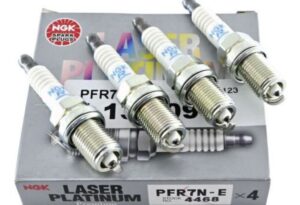
Ever found yourself staring at a wall of spark plugs at the auto parts store, feeling a little lost? Trust me, you’re not alone! It’s a common moment of confusion for many car owners. The good news is, figuring out what spark plugs fit my car isn’t nearly as mysterious as it seems. It’s actually pretty straightforward once you know where to look!
The truth is, there isn’t a “one-size-fits-all” answer when it comes to spark plugs. Just like shoes, they need to fit your specific vehicle perfectly. The right spark plug is crucial for your engine’s performance, fuel efficiency, and overall health. Let’s dive into how you can easily find the perfect match for your ride, saving you headaches and potential engine woes down the road.
So, What’s The Real Deal With Finding What Spark Plugs Fit My Car, And Why Is It So Important?
Finding the right spark plugs for your car is paramount, my friend. Think of spark plugs as tiny lightning bolts creating the ignition that gets your engine running. The wrong ones can lead to misfires, poor fuel economy, reduced power, and even long-term engine damage. Getting this right isn’t just about avoiding problems; it’s about optimizing your car’s performance and longevity. So, how do we solve the puzzle of what spark plugs fit my car?
- Your Car’s Owner’s Manual: The Undisputed King!This is always my first stop, and it should be yours too! Your car’s owner’s manual is packed with specific details about every part, including the recommended spark plug type and part number. It’s like a secret cheat code for your car. I can’t tell you how many times this little book has saved me a trip back to the parts store.
- Online Parts Finders: Your Digital AssistantIf your manual is hiding, or you just prefer the digital route, online parts retailers are fantastic. Websites like AutoZone, Advance Auto Parts, RockAuto, and even Amazon Garage have tools where you simply input your car’s year, make, model, and engine size. They’ll then show you a list of compatible spark plugs. I’ve used these countless times to verify information or when I’m looking for different brand options. It’s super convenient to quickly see what spark plugs fit my car from the comfort of my couch.
- Consult a Trusted Mechanic or Auto Parts Store Staff: When in DoubtDon’t ever feel embarrassed to ask for help! Your local auto parts store employees often have access to comprehensive databases and cross-reference charts. And of course, a trusted mechanic knows your car inside and out. If you’re really stumped, or just want that extra layer of assurance, these are excellent resources.
- Visually Inspect Existing Plugs (with caution): The Detective MethodSometimes, if you can safely access and carefully remove an existing spark plug, the part number might be stamped right on it. Just be incredibly careful not to damage anything during removal or reinstallation. This is more of a last resort, but it can be a lifesaver if all other avenues are exhausted. This method directly shows you what spark plugs fit my car right now.
Understanding Spark Plug Types & Key Specs
It’s not just about fitting; it’s about choosing the right type too. You’ll typically encounter a few:
- Copper Plugs: The traditional, most affordable option. Great conductivity but wear faster, so they need more frequent replacement.
- Platinum Plugs: Last longer than copper and offer better performance. Many modern cars come with these from the factory. My daily driver actually uses platinum plugs, and they offer a great balance of longevity and cost.
- Iridium Plugs: The top-tier choice. They offer the longest lifespan and best performance. They’re more expensive but fantastic for engines where plugs are hard to reach, as they stretch out replacement intervals significantly.
Beyond the material, always pay attention to these critical specs:
- Heat Range: This is incredibly important! Spark plugs are designed to operate within a specific temperature range. A “hot” plug retains more heat, while a “cold” plug dissipates it faster. Using the wrong heat range can cause pre-ignition or fouling. I once accidentally put in plugs with the wrong heat range, and my engine started running rough – a quick swap fixed it, reinforcing the importance of matching this spec!
- Thread Reach and Diameter: These must perfectly match your engine’s cylinder head. An incorrect fit can prevent proper sealing or even damage threads.
- Gap: While many plugs are “pre-gapped,” it’s always a good idea to double-check the gap with a feeler gauge before installation. Your owner’s manual will specify the correct gap for what spark plugs fit my car specifically.
My Personal Pro-Tips:
- Always stick with reputable brands like NGK, Denso, Bosch, or Champion.
- Never mix different types of spark plugs within the same engine. Consistency is key!
- When in doubt, always default to the Original Equipment Manufacturer (OEM) recommendations. They were designed specifically for your car.
- And here’s a lesson I learned the hard way: Always double-check your order before confirming! I once mistakenly ordered plugs for a different engine code that looked similar, leading to a frustrating return and delay.
So, you see, figuring out what spark plugs fit my car doesn’t have to be a daunting task. With a little bit of research and knowing where to look, you’ll be confidently selecting the right spark plugs for your vehicle in no time. Your engine will thank you with smoother rides and better performance. Happy driving!