Timely spark plug replacement is essential to restore your car’s peak power and fuel efficiency. While replacement intervals vary, often between 30,000 and 100,000 miles, key indicators like misfires, rough idling, or decreased acceleration signal it’s time for new plugs. Don’t let worn spark plugs drain your car’s potential—fresh plugs ensure a smoother, more powerful ride.
Know When Change Spark Plugs & Boost Your Car’s Power
Hey there, fellow car enthusiast! Ever wondered why your car isn’t feeling as zippy as it used to, or why you’re suddenly visiting the gas station more often? The answer might be simpler than you think: your spark plugs. Knowing when to change spark plugs is a game-changer, not just for power but for your wallet too.
Generally, you should consider changing your spark plugs according to your car manufacturer’s recommended service schedule, which is often every 30,000 to 100,000 miles, depending on the plug type and your vehicle. But hey, your car often gives you little hints even before that! Let’s dive into how you can spot those signals and keep your ride running like a dream.
When should I really think about changing my spark plugs, and what signs should I look for?
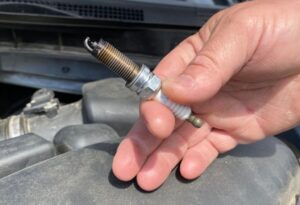
That’s a fantastic question, and one I get asked a lot! Think of spark plugs as tiny but mighty little heroes in your engine. They create the spark that ignites the air-fuel mixture, making your car go “vroom.” Over time, they wear out, just like anything else. So, knowing when to change spark plugs is key for maintaining peak performance and avoiding bigger issues.
First, the Manufacturer’s Schedule: Your Best Guide
The most straightforward answer comes from your car’s owner’s manual. Seriously, it’s packed with gold! For older vehicles or those with traditional copper spark plugs, the recommendation might be every 30,000 miles. For modern cars with platinum or iridium plugs, you could be looking at intervals anywhere from 60,000 to a whopping 100,000 miles. These higher-end plugs are built to last longer, which is a nice perk. I always recommend checking your manual first – it’s specific to your vehicle!
Listen to Your Car: The Warning Signs
Even if you’re not at the mileage interval, your car might start whispering (or shouting!) that it’s time to change spark plugs. Here are the common culprits I’ve personally experienced and heard from countless friends:
- Rough Idling: Ever sat at a stoplight and felt your car vibrate or shake more than usual? That’s often a sign. A misfiring spark plug can make your engine feel like it has a stutter, especially when it’s just sitting there.
- Poor Fuel Economy: This is a big one for your wallet! When spark plugs aren’t firing efficiently, your engine has to work harder. This means it uses more fuel to produce the same power. I noticed a significant drop in my MPG on my old minivan before I decided to change spark plugs, and boy, what a difference it made!
- Slow Acceleration or Sluggishness: Remember that “zip” I mentioned? If your car feels hesitant when you press the gas pedal, or struggles to get up to speed, worn spark plugs could be robbing your engine of its power. It feels like the car just isn’t listening to you anymore.
- Engine Misfires: Sometimes, you might even hear a “thump-thump” or feel a definite stumble while driving. This is often an engine misfire, where one or more cylinders aren’t igniting properly due to a faulty spark plug. Ignoring this can lead to more serious engine damage down the line.
- Check Engine Light: Ah, the dreaded check engine light! While it can mean a multitude of things, failing spark plugs or ignition coils are definitely on the list. If it comes on, getting the code read (most auto parts stores do it for free) can often pinpoint if it’s time to change spark plugs.
- Hard Starts: If your car takes a bit longer to crank over and start, especially on cold mornings, weak sparks from old plugs could be the culprit. It’s like trying to start a campfire with a damp match!
Why Bother to Change Spark Plugs? It’s Worth It!
Beyond fixing those annoying symptoms, proactively changing spark plugs offers some fantastic benefits:
- Restored Performance: Your car will feel livelier, accelerate smoother, and run with its original pep. It’s like giving your engine a fresh start!
- Improved Fuel Efficiency: Who doesn’t want to save money at the pump? Properly firing plugs ensure your engine is burning fuel as efficiently as possible.
- Reduced Emissions: A more efficient burn means fewer harmful pollutants coming out of your exhaust. Good for your car, good for the planet!
- Prevents Further Damage: Ignoring bad spark plugs can put extra strain on other engine components, potentially leading to more expensive repairs. A little maintenance now can save you a lot later.
I recall one time I neglected my spark plugs for too long on an older pickup. Not only was the fuel economy terrible, but the engine started running really rough. When I finally decided to change spark plugs, it was a relatively easy fix that made the truck feel brand new again. Lesson learned: don’t procrastinate on this one!
Final Thoughts
So, the next time you’re wondering “when to change spark plugs,” remember to consult your owner’s manual and, more importantly, listen to your car. Those little signals it sends your way are crucial. Don’t wait for your car to outright fail; a timely spark plug change is an easy, affordable way to keep your vehicle happy, healthy, and powerful. Your engine (and your wallet) will thank you!