Replacing spark plugs is crucial for improving your vehicle’s fuel economy. Worn or fouled plugs cause inefficient combustion, leading to misfires and your engine consuming more gas. Fresh spark plugs ensure a powerful, consistent spark, thereby optimizing fuel burn for significantly better mileage and overall performance.
Why Replace Spark Plugs for Better Fuel Econom
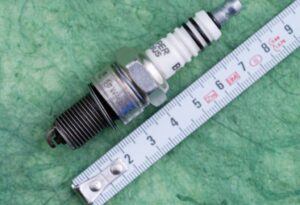
Have you ever felt your car just wasn’t quite “right”? Maybe it’s not as quick off the line, or perhaps you’re filling up at the gas station more often than you used to. It’s a common feeling, and often, the culprit is something small but mighty: your spark plugs. Believe it or not, regularly replacing these tiny components is one of the easiest ways to bring back your car’s pep and, most importantly, improve your fuel economy.
Think of it like this: your car needs to efficiently burn fuel to move. When your spark plugs are working perfectly, they create a strong, consistent spark that ignites every drop of fuel just right. But when they get old or worn, that spark weakens, leading to wasted fuel and a less responsive ride. Fresh spark plugs mean your engine can work smarter, not harder, saving you money at the pump.
Why is replacing spark plugs so crucial for my car’s health and, specifically, for better fuel economy?
It’s a fantastic question, and one I’ve personally learned the importance of over the years! Imagine your car’s engine as a finely tuned orchestra. The spark plugs are like the conductor’s baton, ensuring every explosion of fuel and air happens at precisely the right moment. When they wear out, that baton starts to falter, and the whole show suffers.
Here’s why regularly replacing spark plugs is a game-changer, especially for your wallet:
1. They Ensure Complete Fuel Combustion: This is the big one for fuel economy. Every time your engine fires, a spark plug creates a tiny lightning bolt that ignites the air-fuel mixture. When a spark plug is old or dirty, that spark weakens. It might not ignite all the fuel, or it might ignite it poorly. What happens then? Unburnt fuel gets wasted, literally going out your exhaust pipe, which means you’re getting fewer miles per gallon.
From my own garage: I remember my old sedan started to feel sluggish, like it was constantly struggling. I was filling up what felt like every other day. After I decided to replace spark plugs, the difference was night and day! The engine felt smoother, and I definitely noticed fewer trips to the gas station. It was like giving my car a new lease on life.
2. They Prevent Misfires and Rough Idling: A weak spark often leads to engine misfires. This means one or more cylinders aren’t firing correctly. You might feel a judder, especially when idling, or a hesitation when you press the gas pedal. Misfires are a direct hit to your fuel economy because the engine has to work harder to compensate, burning more fuel in the process without producing useful power.
3. They Restore Engine Performance and Acceleration: Ever notice your car feeling a bit less “zippy” than it used to be? Worn spark plugs are often the culprit. A strong, consistent spark ensures optimal power delivery. When you replace spark plugs, you’re giving your engine back its full potential, leading to crisper acceleration and a more enjoyable driving experience. It feels like your car gets its mojo back!
4. They Reduce Harmful Emissions: When fuel isn’t burned completely due to weak spark plugs, it creates more pollutants. So, not only are you wasting fuel, but you’re also contributing more to air pollution. Replacing them helps your car run cleaner and be kinder to the environment.
5. They Protect Other Engine Components: Leaving old, worn spark plugs in can actually stress other parts of your ignition system, like ignition coils. If a coil has to constantly try to produce a stronger spark to overcome a bad plug, it can wear out prematurely, leading to a much more expensive repair down the road. Regular maintenance, including replacing spark plugs, prevents these headaches.
My practical tip: Always check your car’s owner’s manual for the recommended replacement interval. It varies widely, from 30,000 miles for older vehicles to over 100,000 miles for newer cars with long-life iridium plugs. But if you notice any of the symptoms I mentioned, don’t wait!
In conclusion, regularly replacing spark plugs is more than just a routine maintenance item; it’s a smart investment in your car’s overall health and your personal savings. You’ll enjoy better fuel economy, a smoother-running engine, and the peace of mind that comes with knowing your car is performing at its best. It’s one of those simple fixes that truly makes a big difference for both your ride and your wallet.