The best spark plugs for 5.7 Vortec engines are usually the ones that keep the ignition system close to what the L31 actually needs. This engine does not require an exotic racing plug to run well. Correct fitment, the proper heat range, a sensible spark plug gap, healthy plug wires, and a distributor that is in good condition matter far more than flashy electrode marketing.
The 5.7L L31 Vortec powered a large number of Chevrolet and GMC trucks and SUVs during the second half of the 1990s. It is commonly associated with vehicles such as the Chevrolet C1500 and K1500, Tahoe, Suburban, GMC Sierra, Yukon, and related full-size platforms. The VIN R 5.7L is the application most owners have in mind when discussing the truck-based 5.7 Vortec.
For a mostly stock L31, my primary recommendation is the ACDelco Professional 41-932 Platinum Spark Plug. It has a long connection with this generation of GM ignition applications and provides a straightforward platinum replacement path without introducing an unnecessarily aggressive heat range or electrode design. Cross-reference catalogs continue to associate the 41-932 family with plugs intended for the same physical application.
The NGK 3186 TR5GP G-Power Platinum Spark Plug is another strong option, especially for owners who prefer NGK and want a fine-wire platinum plug in a convenient eight-piece set. Current listings specifically show the TR5GP eight-pack for 1998 Chevrolet C1500 5.7L applications.
The main caution is simple: not every Chevrolet 350 is an L31 Vortec. Earlier TBI 5.7L engines, carbureted small-blocks, LT1 engines, and heavily modified combinations may call for different plugs. If the engine has aftermarket heads, the cylinder-head specification should take priority over the original truck application.
5 Spark Plugs Worth Considering for a 5.7 Vortec
| Image | Product Name | Check Price |
|---|---|---|
Best Choice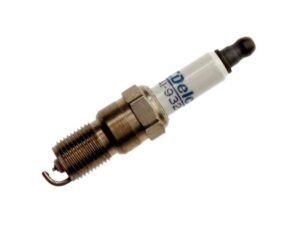 | ACDelco Professional 41-932 Platinum Spark Plug | Check Price |
Second Best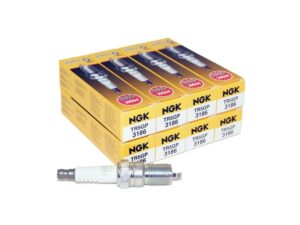 | NGK 3186 TR5GP G-Power Platinum Spark Plug | Check Price |
Third Choice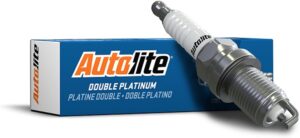 | Autolite APP605 Double Platinum Spark Plug | Check Price |
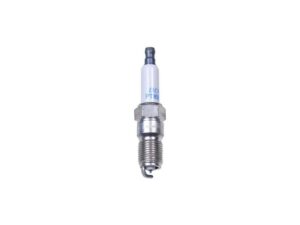 | DENSO 5092 Double Platinum Spark Plug | Check Price |
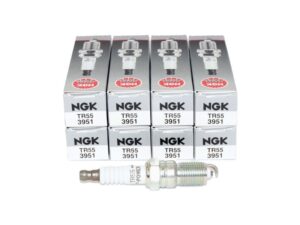 | NGK 3951 TR55 V-Power Spark Plug | Check Price |
The five plugs below approach the L31 from slightly different angles. Some prioritize an OE-style platinum replacement, others offer longer-life electrode designs, and one uses a more conventional nickel firing surface for owners who prefer to inspect or replace plugs more frequently.
The ranking assumes a stock or mildly modified 5.7 Vortec. A built engine with high compression, forced induction, nitrous, aftermarket heads, or a custom ignition calibration may need a different heat range or gap.
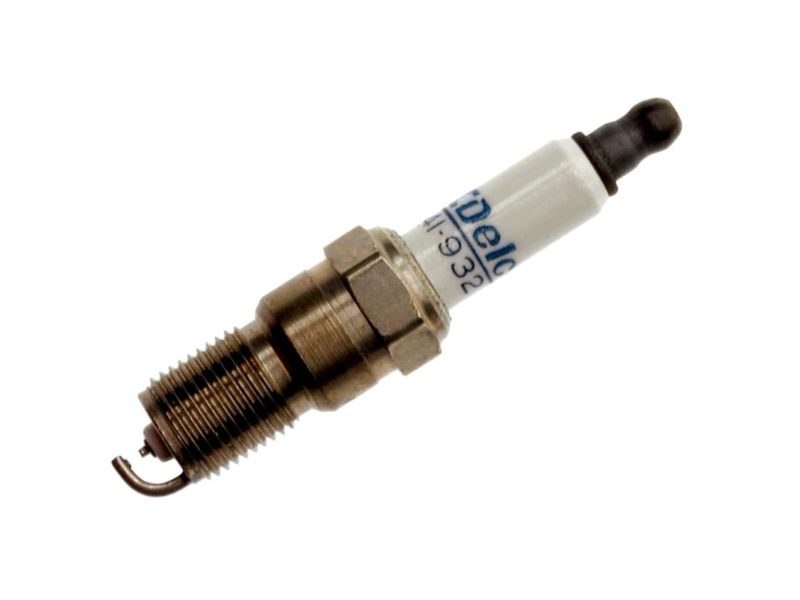
1. ACDelco Professional 41-932 Platinum Spark Plug
Key Features
- Platinum firing surface
- OE-style replacement approach
- Resistor construction
- Compatible cross-reference family for L31-era GM applications
- Straightforward choice for stock and near-stock engines
The ACDelco 41-932 sits at the top of this list because it matches the personality of the L31 particularly well. The 5.7 Vortec is a durable, naturally aspirated truck engine with a distributor-based ignition system. In stock form, it benefits more from a predictable plug specification than from an aggressive aftermarket design.
The 41-932 uses a platinum firing surface, giving it better resistance to electrode erosion than a basic conventional nickel plug. A spark plug does not remain dimensionally identical forever. Every ignition event contributes a tiny amount of wear, and over enough miles the effective gap gradually changes.
Platinum slows that process.
That matters on the L31 because ignition voltage has to travel through several components before it reaches the spark plug. The coil sends high voltage to the distributor, the rotor directs it to the appropriate terminal in the distributor cap, and the plug wire carries it to the cylinder.
A worn plug increases voltage demand. Aging plug wires or a distributor cap with corrosion can make the situation worse.
The 41-932 therefore works well as part of a complete ignition baseline rather than as an isolated performance part.
If a newly purchased truck has an unknown maintenance history, replacing eight properly specified plugs while inspecting the cap, rotor, coil wire, and individual spark plug wires can eliminate several variables at once.
The physical plug specification matters just as much as the platinum tip. Cross-reference data places plugs such as Autolite APP605, DENSO 5092, and NGK TR55 in the same broad replacement family as the 41-932, although any cross-reference should still be confirmed against the vehicle and cylinder heads before installation.
Another reason the ACDelco works well here is that it does not invite unnecessary tuning changes.
A common mistake with older engines is assuming that every replacement should be an “upgrade.” A hotter ignition coil leads to wider plug gaps. A premium spark plug leads to a colder heat range. One modification leads to another, even though the stock engine was designed to operate perfectly well with a much simpler combination.
For a healthy street-driven L31, preserving the correct heat range and gap is usually the smarter strategy.
The spark plug also gives useful diagnostic information when removed.
Eight plugs that look reasonably similar suggest the cylinders are operating under broadly similar conditions.
One plug that is heavily carbon-fouled, wet with fuel, oily, or physically damaged deserves more attention.
That cylinder may have an injector problem, weak ignition, oil-control issue, low compression, or another mechanical concern. Simply replacing the plug may make the cylinder fire again temporarily without correcting the reason the old plug became abnormal.
The 41-932’s main downside is that it belongs to an older service-number ecosystem. Part numbers can be superseded or cross-referenced as manufacturers update service inventories. That makes VIN and application verification important instead of relying solely on a part number remembered from an old tune-up.
What I Like
- Fits the stock L31 maintenance philosophy well
- Platinum electrode provides useful wear resistance
- Easy to use as an OE-style diagnostic baseline
- Widely cross-referenced with other established plug families
What I Do Not Like
- Older part-number history can create catalog confusion
- Modified engines may require different tuning choices
- Platinum construction alone does not fix weak distributor components
For a stock or lightly modified L31, the 41-932 keeps the ignition system simple. That makes it the strongest first choice when the vehicle application confirms the part.
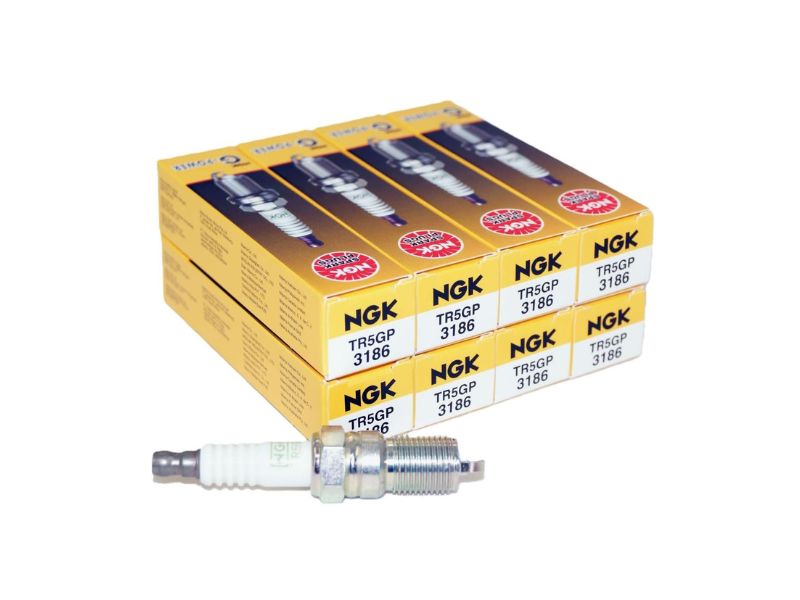
2. NGK 3186 TR5GP G-Power Platinum Spark Plug
Key Features
- Fine-wire platinum center electrode
- NGK G-Power construction
- Copper-core design
- 1.0 mm supplied gap
- Convenient eight-piece V8 packages
The NGK TR5GP is the strongest alternative for owners who want a platinum plug but prefer NGK’s fine-wire design.
NGK lists the 3186 TR5GP as part of its G-Power Platinum family, with a 1.0 mm supplied gap. Current vehicle-specific listings also place an eight-pack of TR5GP plugs in 1998 Chevrolet C1500 5.7L applications.
The main difference is the center-electrode design.
A fine platinum firing tip concentrates the electrical field into a smaller area. That can help the ignition discharge begin cleanly without requiring a large exposed electrode.
This should not be confused with a major horsepower modification.
The stock L31 ignition system is already capable of firing a correctly specified spark plug. A fine-wire platinum plug may offer consistent firing characteristics and good durability, but it does not increase engine displacement, airflow, compression ratio, or fuel energy.
Its real strengths are much less dramatic and much more useful: stable ignition, good wear resistance, and predictable maintenance.
The TR5GP also has a copper core. Copper conducts heat effectively, which helps transfer energy away from the firing end and into the plug shell and cylinder head.
This illustrates why descriptions such as “platinum plug” can be misleading when taken too literally.
Platinum generally describes the firing-tip material, not the entire center electrode.
The internal structure can still use copper because copper is excellent for thermal management.
NGK also uses resistor construction in its automotive plugs. Resistance helps reduce ignition-generated radio-frequency interference while allowing sufficient ignition voltage to reach the spark gap.
That is relevant on an electronically controlled Vortec truck.
Although the L31 uses a distributor rather than coil-on-plug ignition, it still relies on an engine-control module and multiple electronic sensors. Electrical noise suppression remains valuable.
Package convenience is another reason this plug ranks highly.
The 5.7 Vortec uses eight spark plugs. Buying a complete matching set reduces the chance of discovering that half the engine is still waiting for parts during a tune-up.
Each plug should still be inspected before installation.
The ground electrode can be bent if a plug is dropped or handled roughly during shipping. The ceramic insulator should also be checked for cracks.
The supplied gap should not automatically override the engine specification.
NGK recommends confirming gap according to the exact vehicle application rather than assuming the plug’s box setting is correct for every engine where the part may appear.
That is particularly important on older trucks.
An L31 may have an aftermarket ignition coil, altered distributor, modified compression ratio, replacement heads, or other changes made during nearly three decades of use.
If the engine has been modified, tune the plug to the engine rather than blindly copying a stock value.
What I Like
- Fine-wire platinum center electrode
- Good balance between durability and conventional service
- Eight-pack is convenient for a V8
- Sensible alternative to the ACDelco OE-style choice
What I Do Not Like
- Supplied gap still needs to match the actual engine
- Offers limited benefit when underlying ignition problems remain
- Modified engines may need a different heat range
The TR5GP makes sense for an L31 owner who wants a premium-feeling platinum plug without moving into an exotic racing setup. It is especially attractive for a stock daily driver that is expected to cover substantial road mileage.
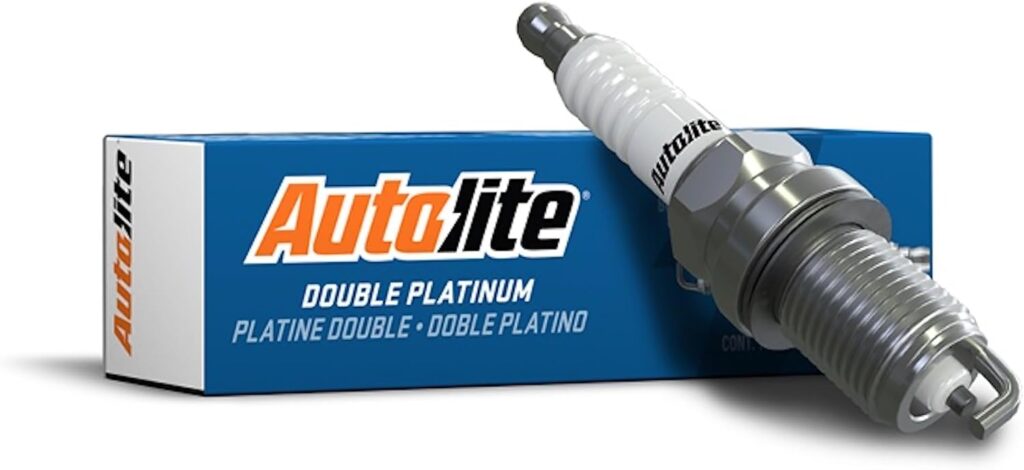
3. Autolite APP605 Double Platinum Spark Plug
Key Features
- Double-platinum construction
- Precious-metal firing surfaces on both electrodes
- Designed for extended wear resistance
- Compatible cross-reference family for 41-932
- Good choice for long-term street use
The Autolite APP605 takes a different approach from the first two products by protecting both sides of the spark gap with platinum.
Autolite describes its Double Platinum line as using platinum-to-platinum construction to reduce gap erosion and extend plug life compared with standard and single-platinum designs. The APP605 also appears in cross-reference data for the ACDelco 41-932 family.
Why does protecting both sides matter?
The spark does not affect only the center electrode.
Electrical discharge and combustion conditions gradually erode both the center and ground firing surfaces. If only one side uses a precious metal, the conventional side can eventually become the faster-wearing component.
Double platinum reduces that imbalance.
For a 5.7 Vortec that is used as a daily driver or long-distance tow vehicle, slower electrode erosion can be useful because the effective spark gap remains more stable over time.
That means the ignition system does not have to compensate as quickly for a widening gap.
The benefit becomes especially relevant when the rest of the ignition system is in good condition.
A quality double-platinum plug in an engine with worn plug wires or a corroded distributor cap still has to deal with poor voltage delivery.
The plug cannot manufacture ignition energy that never reaches its terminal.
That makes the APP605 most attractive after the ignition system has been inspected as a whole.
Check the plug wires for excessive resistance, cracking, carbon tracking, or exhaust heat damage.
Look inside the distributor cap for moisture, burned terminals, or corrosion.
Inspect the rotor.
If the engine has a persistent cylinder-specific misfire, consider the injector and mechanical condition before assuming every ignition component needs replacement.
The double-platinum design also fits owners who do not want to inspect plugs frequently.
A conventional plug can be perfectly suitable for the L31, but it may show electrode wear sooner. The APP605 trades a somewhat more expensive firing design for better resistance to that wear.
It should not be treated as a performance upgrade in the horsepower sense.
If the old plugs were functioning correctly, the new APP605 set should mainly maintain normal engine behavior rather than create a noticeable increase in output.
The real performance goal is simple:
- Reliable cold starting
- Stable idle
- Clean acceleration
- Consistent combustion under load
- Less gap erosion over time
Autolite also recommends checking the application gap, threading new plugs by hand, and using proper installation torque. Its installation guidance specifically warns against forcing plugs when the threads do not engage smoothly.
What I Like
- Platinum on both firing surfaces
- Better resistance to gap erosion
- Useful cross-reference option for 41-932 applications
- Well suited to long-term street use
What I Do Not Like
- More durability than some frequently serviced engines really need
- Often sold individually
- Correct cross-reference still needs application verification
The APP605 is a strong fit for an owner who wants to install the plugs and minimize electrode wear over a long road-service interval. It is less compelling for a project engine where plugs are removed frequently for tuning and inspection.
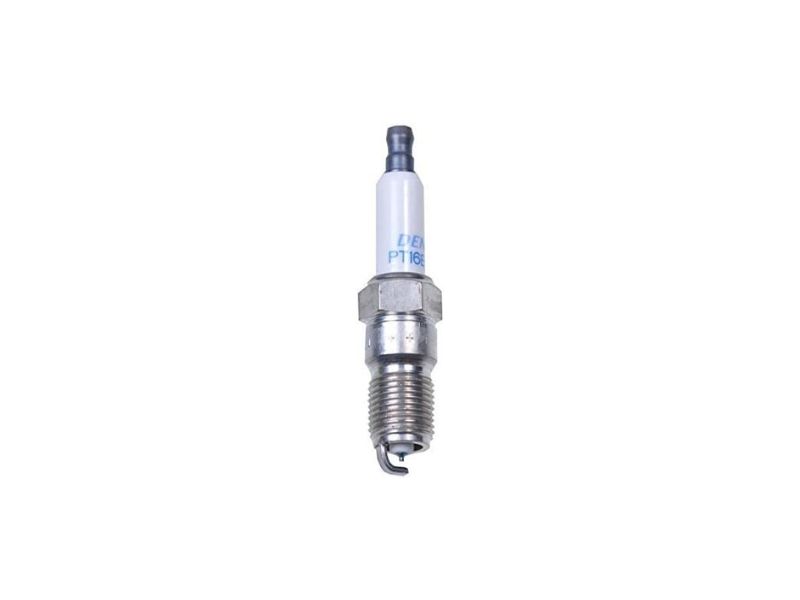
4. DENSO 5092 Double Platinum Spark Plug
Key Features
- Double-platinum electrode construction
- OE-style DENSO plug design
- Cross-referenced with ACDelco 41-932
- Designed for sustained spark performance
- Useful alternative for street-driven engines
The DENSO 5092 offers another double-platinum route, but its appeal lies in DENSO’s OE-focused approach to spark plug design.
Cross-reference data lists DENSO 5092 among the replacement families associated with ACDelco 41-932. DENSO describes its double-platinum plugs as using platinum center and ground electrodes for reduced wear and sustained spark performance.
That makes the 5092 particularly suitable for an L31 that spends most of its life in normal street duty.
The 5.7 Vortec does not need an extreme plug to function properly.
It needs an electrode that stays clean enough to fire, transfers heat correctly, and retains an appropriate gap while the engine operates through cold starts, idle, highway cruising, and heavy throttle.
Platinum works well in that environment because it resists erosion.
The DENSO option is also useful for owners who prefer to avoid changing brands simply because a product is marketed as more modern.
An old-school V8 does not automatically benefit from the newest possible electrode technology.
Iridium has legitimate advantages in many designs, but platinum remains a durable precious metal and works perfectly well when the plug specification matches the cylinder head and ignition system.
This matters because spark plug selection often becomes overly focused on the word printed on the box.
Owners compare platinum, iridium, double iridium, copper, and racing plugs as though the material determines everything.
In reality, thread diameter, reach, seat type, heat range, electrode projection, resistor design, and gap are at least as important.
A plug with premium materials but incorrect reach is still the wrong plug.
The DENSO 5092 should therefore be treated as a verified alternative rather than a universal L31 recommendation.
This is especially important if the engine has been rebuilt.
Many L31 blocks now operate with replacement or aftermarket cylinder heads. Once the head changes, the original truck’s spark-plug requirement may no longer apply.
The head manufacturer should specify the thread reach and recommended plug family.
Installation technique matters too.
DENSO recommends starting plugs by hand and using a torque wrench whenever possible. Its general installation guidance also notes that a 14 mm tapered-seat plug uses a different tightening approach from a gasket-seat plug.
A plug that is too loose may not transfer heat correctly.
A plug that is over-tightened can damage the shell or cylinder-head threads.
Neither problem is solved by premium electrode material.
What I Like
- Double-platinum design controls wear on both electrodes
- Strong OE-style engineering approach
- Useful alternative in the 41-932 cross-reference family
- Good choice for everyday street use
What I Do Not Like
- Application verification remains essential
- Provides little advantage on an engine that fouls plugs rapidly
- Less compelling for frequent plug-reading or tuning work
The DENSO 5092 is best viewed as a durable, understated street plug. It does not need aggressive marketing to make sense in a compatible L31.
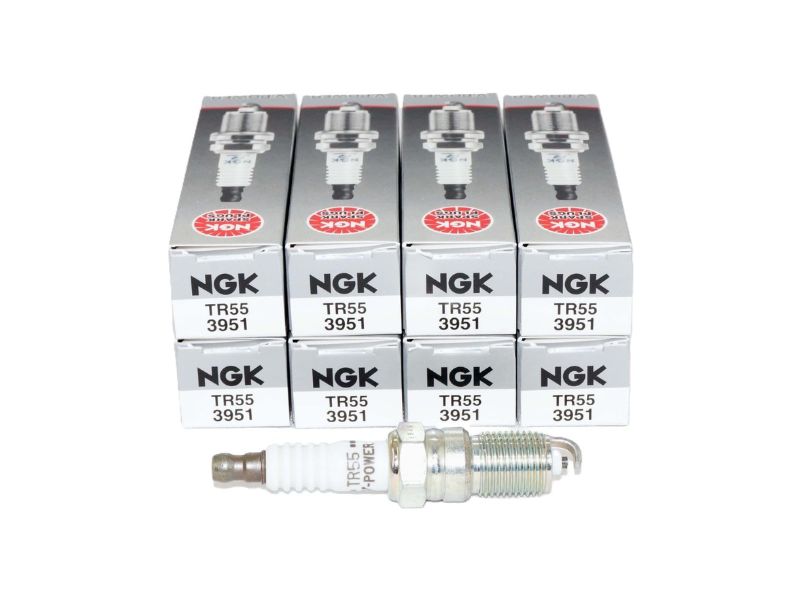
5. NGK 3951 TR55 V-Power Spark Plug
Key Features
- Conventional nickel-alloy firing surfaces
- NGK V-Power center-electrode design
- Resistor construction
- Available in complete eight-piece sets
- Good fit for engines receiving regular plug inspection
The NGK TR55 is the most traditional plug in this group.
Unlike the platinum options above, it uses a conventional nickel firing design paired with NGK’s V-Power center electrode. The V-shaped cut encourages the spark to occur closer to the edge of the center electrode rather than directly across a broad flat surface.
NGK lists the 3951 TR55 as a V-Power plug with a 1.5 mm supplied gap, while cross-reference data places TR55 within the same replacement family as the ACDelco 41-932.
The supplied gap deserves special emphasis here.
A plug being shipped at 1.5 mm does not mean every L31 should run that exact value.
The engine specification must determine the installed gap.
That is one reason the TR55 is better suited to an owner who is comfortable checking plugs rather than simply opening the box and installing them without verification.
The conventional electrode has its own practical advantage: simplicity.
Some older truck owners prefer to inspect plugs regularly.
A high-mileage L31 may consume a little oil.
A project truck may be undergoing fuel-pressure diagnosis, injector work, distributor tuning, or compression testing.
In those situations, extremely long electrode life may not matter because the plugs come out frequently anyway.
A conventional plug can also make sense when an engine tends to foul plugs while another issue is being diagnosed.
There is little advantage to repeatedly contaminating an expensive premium plug if the actual problem is excessive fuel, oil entering the cylinder, low compression, or weak ignition.
That does not mean conventional nickel plugs are disposable or low quality.
NGK’s standard designs use features such as a copper core, resistor construction, ceramic insulation, and corrosion-resistant plating. The key tradeoff is simply that nickel firing surfaces generally erode faster than platinum or iridium under comparable conditions.
As the electrodes wear, gap growth occurs sooner.
That means more frequent inspection makes sense.
For a truck that covers modest annual mileage or receives regular maintenance, that may not be a disadvantage at all.
The TR55 also appeals to drivers who dislike the idea of treating spark plugs as a once-per-decade component.
Older distributor-based ignition systems benefit from periodic inspection.
Removing the plugs gives the owner an opportunity to check combustion condition while also looking over the plug wires, cap, rotor, and coil connections.
What I Like
- Straightforward conventional construction
- V-Power design has a clear functional purpose
- Complete V8 sets are readily available
- Good for engines that are regularly inspected
What I Do Not Like
- Nickel electrodes generally wear faster than platinum
- Supplied gap should not be assumed correct for every L31
- Less ideal when maximum service interval is the priority
The TR55 works best for the hands-on owner. If plug inspection is already part of routine maintenance, its simpler construction can be more practical than paying for maximum electrode life.
5.7 Vortec Spark Plug Comparison
| Product | Electrode Type | Maintenance Style | Main Strength | Main Limitation |
| ACDelco 41-932 | Platinum | OE-style stock maintenance | Strong baseline for compatible L31 applications | Older part-number history |
| NGK TR5GP | Fine-wire platinum | Longer-life daily-driver service | Fine platinum firing tip and convenient V8 packs | Gap still needs application verification |
| Autolite APP605 | Double platinum | Extended street service | Precious metal on both firing surfaces | Extra durability may be unnecessary for frequent tuning |
| DENSO 5092 | Double platinum | OE-style long-term service | Balanced durability and conventional behavior | Must verify exact application |
| NGK TR55 | Nickel V-Power | Frequent inspection and tuning | Simple, serviceable conventional design | Faster electrode wear |
There is no meaningful reason to rank these plugs purely by how expensive or technologically advanced the electrode material sounds.
For a stock L31, the ACDelco provides the cleanest baseline. NGK TR5GP offers a fine-wire platinum alternative, while the Autolite and DENSO double-platinum designs focus on limiting wear at both electrodes. The TR55 makes more sense for an engine that is inspected often.
Start by Confirming You Actually Have a 5.7L L31 Vortec
This sounds obvious, but it prevents one of the most common spark-plug buying mistakes.
Chevrolet built several very different 5.7L engines.
The L31 Vortec is not the same ignition application as:
- A carbureted first-generation small-block 350
- A throttle-body-injected 5.7L
- An LT1 5.7L
- An LS1 5.7L
- A marine 5.7L
- A heavily modified 350 using aftermarket heads
The truck-based L31 is commonly associated with VIN code R in its original applications.
If the engine is still in the original truck, a VIN-based parts lookup is a useful starting point.
If the engine has been swapped into another vehicle, identify the cylinder heads and ignition setup directly.
A vintage car with an L31 block and aftermarket aluminum heads should use the plug recommended for those heads rather than a plug selected from the donor truck’s original catalog.
Why the Cylinder Heads Matter So Much
Spark plugs screw into the cylinder heads, not the engine block.
That means the head determines several critical dimensions:
- Thread diameter
- Thread reach
- Seat style
- Firing-tip position
- Required heat range
This is why saying “I have a Chevy 350” is not enough information.
Two 350-cubic-inch small blocks can have completely different cylinder heads and therefore require different spark plugs.
The L31’s Vortec heads are a major part of what distinguishes it from earlier Chevrolet small blocks.
If those heads have been replaced, plug selection should be revisited from the beginning.
Platinum vs Double Platinum vs Conventional Plugs
Electrode material affects wear, but each design has a different reason for existing.
Platinum
A single-platinum design adds a small platinum surface to one firing electrode.
Platinum resists erosion much better than conventional nickel.
This makes it well suited to long-term street use.
The ACDelco 41-932 and NGK TR5GP fall broadly into this category.
Double Platinum
Double platinum protects both sides of the spark gap.
That slows wear at both the center and ground electrode.
Autolite describes its double-platinum line as a longer-life design intended to reduce gap erosion compared with standard plugs.
For a daily-driven truck, this can make sense when long maintenance intervals are important.
Conventional Nickel
A conventional plug typically uses a copper core for thermal transfer with nickel alloy at the exposed firing surfaces.
Nickel does not resist erosion as well as platinum, so the gap may increase sooner.
That is not automatically bad.
Conventional plugs remain useful when an engine receives frequent maintenance or when plugs are being monitored as part of diagnosis or tuning.
What Spark Plug Heat Range Really Means
Heat range has nothing to do with the electrical temperature of the spark.
It describes how quickly the plug transfers heat away from the firing end and into the cylinder head.
A hotter plug retains more heat.
A colder plug transfers heat away more quickly.
The firing end needs to remain within a workable temperature range.
If it stays too cool, deposits may accumulate and foul the plug.
If it becomes too hot, it can contribute to abnormal combustion and pre-ignition.
For a stock naturally aspirated L31, the original heat range is the logical place to stay.
Changing heat range becomes more relevant when the engine has been significantly modified.
When a Colder Spark Plug May Be Appropriate
A colder plug may become useful when combustion heat and cylinder pressure increase substantially.
Examples include:
- Supercharging
- Turbocharging
- Nitrous oxide
- Higher compression
- Sustained racing load
- Major ignition-timing changes
- Significant power increases
A modified engine does not automatically require the same colder plug as another modified L31.
The correct heat range depends on the complete build.
Follow the engine builder or tuner rather than copying a plug number from a completely different combination.
Spark Plug Gap on a 5.7 Vortec
Spark plug gap controls the distance ignition voltage must jump.
A wider gap generally requires more voltage.
That can produce a strong exposure of the spark to the mixture when the ignition system can support it.
But wider is not always better.
An excessive gap can create a misfire, especially under load.
A narrow gap reduces voltage demand but may not expose the initial flame kernel as effectively.
The correct value is therefore a balance established around the ignition system and combustion conditions.
NGK specifically recommends confirming plug gap according to the vehicle application rather than assuming the plug’s supplied setting is correct for every engine.
Why Plug Gap Matters More on an Aging L31
The distributor-based ignition system includes several possible voltage-loss points:
- Coil
- Coil wire
- Distributor cap
- Rotor
- Plug wires
- Spark plugs
An enlarged gap asks more from all of them.
A truck may idle normally but begin to stumble under acceleration because higher cylinder pressure increases the voltage needed to jump the gap.
If the plug wires or distributor cap are marginal, the spark may leak somewhere else first.
Why an L31 Can Misfire Under Load
A load-related misfire is one of the classic ignition complaints on an older V8.
When throttle opening increases, cylinder pressure rises.
Higher pressure makes the spark gap harder to ionize.
Weak parts that seemed adequate at idle can suddenly fail.
Possible causes include:
- Excessively worn plugs
- Incorrect spark plug gap
- Cracked plug-wire insulation
- Burned plug boots
- High wire resistance
- Corroded distributor-cap terminals
- Weak ignition coil
- Damaged rotor
- Injector problems
- Low fuel pressure
- Poor compression
Replacing plugs is a reasonable maintenance step when they are worn, but it should not become a substitute for diagnosis.
Can Better Spark Plugs Add Horsepower?
A healthy stock L31 will not gain meaningful horsepower simply because a spark plug contains a more expensive metal.
If the existing plugs are badly worn and causing misfires, a fresh set can restore power that the engine has lost.
That improvement can feel significant.
But the engine is returning to normal rather than gaining power beyond its healthy baseline.
Real horsepower increases require changes that allow the engine to process more air and fuel or convert that mixture into torque more effectively.
Spark plugs are there to ignite the mixture consistently.
What Worn 5.7 Vortec Spark Plugs Feel Like
Spark-plug wear can produce several symptoms:
- Hard starting
- Rough idle
- Hesitation
- Misfire under acceleration
- Reduced pulling power
- Uneven exhaust note
- Poorer fuel economy when misfires become significant
- Check-engine light
None of those symptoms belongs exclusively to spark plugs.
A distributor-based L31 can produce nearly identical behavior from plug wires, cap, rotor, ignition coil, fuel injectors, or mechanical faults.
Treat symptoms as a reason to inspect, not as proof.
Reading Old Spark Plugs Before Throwing Them Away
Removed plugs can provide valuable information about cylinder-to-cylinder differences.
Lay all eight plugs out in firing-order or cylinder order.
Compare them.
Normal-Looking Set
If all eight plugs have similar deposits and wear, the engine is probably operating relatively consistently across the cylinders.
One Black Plug
One heavily carboned plug can point toward:
- Weak ignition
- Rich fuel delivery
- Injector issue
- Low cylinder temperature
- Low compression
One Fuel-Wet Plug
A fuel-wet plug suggests fuel is entering the cylinder but may not be burning properly.
Check spark delivery and injector operation.
Oily Deposits
Oil on the firing end can indicate oil entering the combustion chamber.
Possible sources include piston rings, valve guides, or other engine wear.
Unusually Clean Plug
One plug that looks almost washed clean compared with the others can justify further investigation.
Coolant entry is one possible concern, though diagnosis should consider the entire engine rather than judging by appearance alone.
How to Replace Spark Plugs on a 5.7 Vortec
Let the Engine Cool
Work on a cool engine.
This improves comfort and reduces the chance of damaging threads during removal.
Remove One Plug Wire at a Time
The L31 uses a distributor and traditional plug wires.
Mixing the wires can change the firing order and leave the engine running extremely poorly—or not starting at all.
Remove one wire, change that plug, and reconnect it before moving on.
Pull From the Boot
Twist the boot gently to break its seal.
Pull from the boot rather than yanking the wire.
Autolite similarly recommends loosening the boot with a slight twist and removing it by the boot rather than stressing the cable.
Clean Around the Plug
Debris can collect near the plug opening.
Clean the area before removal so dirt does not fall toward the combustion chamber.
Compressed air can help, but eye protection should be worn.
Inspect the Plug Wire
Check the boot and cable for:
- Cracks
- Burn damage
- Oil contamination
- Carbon tracking
- Corrosion
- Loose terminals
A brand-new spark plug cannot compensate for a damaged wire leaking voltage to the exhaust manifold.
Start the New Plug by Hand
Thread the replacement plug into the cylinder head by hand.
It should turn smoothly.
If resistance appears immediately, back it out.
Cross-threading a cylinder head can turn a simple tune-up into an expensive repair.
Tighten Correctly
Spark plug torque is important.
Too little tightening can affect sealing and heat transfer.
Too much can damage the plug or cylinder-head threads.
DENSO recommends using a torque wrench whenever possible and provides different values according to thread diameter, seat type, and cylinder-head material.
Should Anti-Seize Be Used?
Do not assume every spark plug needs anti-seize.
Thread coatings and manufacturer guidance vary.
Lubricating the threads changes friction, which changes the amount of clamping force produced at a given torque setting.
If lubricant is used when the torque specification assumes dry threads, the plug can effectively be over-tightened.
Follow the plug manufacturer’s current instructions.
Should Dielectric Grease Be Used?
A small amount of dielectric grease inside the spark-plug boot can help with moisture protection and future boot removal.
Autolite specifically includes dielectric grease at the boot contact area in its general installation guidance.
Do not coat the spark-plug electrodes, threads, or metal terminal as though dielectric grease were an electrical conductor.
Its job is sealing and insulation.
Check the Distributor While You Are There
Spark plug replacement is an excellent time to inspect the distributor-based ignition system.
Check the cap for:
- Corrosion
- Cracking
- Carbon tracking
- Burned terminals
- Moisture
Check the rotor for wear and burning.
Inspect the coil wire.
If the cap and rotor are visibly deteriorated, changing only the spark plugs may leave the main ignition problem untouched.
Spark Plug Wires Matter Just as Much
The L31 does not have individual ignition coils mounted on every cylinder.
Longer plug wires carry high voltage from the distributor to each spark plug.
Those wires experience heat, vibration, moisture, and repeated high-voltage pulses.
A wire can look acceptable externally but have excessive internal resistance or insulation breakdown.
Pay special attention to wires routed close to the exhaust manifolds.
Common Mistakes When Buying 5.7 Vortec Spark Plugs
Buying for Any Chevy 350
A 350 displacement does not identify the cylinder heads or ignition application.
Confirm the L31.
Assuming Newer Technology Is Always Better
Iridium may be newer than platinum, but a correctly specified platinum plug can be an excellent fit for an L31.
Ignoring the Cylinder Heads
Aftermarket heads can completely change plug requirements.
Changing Heat Range Without a Reason
A colder plug does not automatically increase horsepower.
Using the Supplied Gap Without Checking
The plug may be sold for multiple applications.
Verify the engine specification.
Opening the Gap as Wide as Possible
More gap means more voltage demand.
A distributor ignition system with aging wires or cap terminals may not support it reliably.
Replacing Only the Plugs During an Ignition Problem
Inspect the wires, distributor cap, rotor, and coil.
Throwing Away the Old Plugs Immediately
Their appearance may help identify a cylinder-specific issue.
Expecting a Plug to Fix Fuel Problems
A leaking injector or low fuel pressure requires fuel-system diagnosis.
Mixing Spark Plug Types
Use eight matching plugs for normal street service.
Frequently Asked Questions
1. What are the best spark plugs for 5.7 Vortec engines?
For a stock L31, ACDelco 41-932 is a strong OE-style starting point. NGK TR5GP is another good platinum option for compatible applications.
The best choice depends on the exact vehicle and cylinder heads. Autolite APP605, DENSO 5092, and NGK TR55 also belong to useful replacement families, but correct fitment and heat range matter more than the ranking.
2. What engine is the 5.7 Vortec?
The truck-based 5.7 Vortec is commonly known as the Chevrolet L31, a 350-cubic-inch small-block V8.
It appeared in many Chevrolet and GMC trucks and SUVs in the late 1990s. Original applications commonly identify it with VIN code R. It should not be confused with every other Chevrolet 350 because earlier TBI engines, LT1 engines, and other small-block combinations can have different plug requirements.
3. How many spark plugs does a 5.7 Vortec use?
The L31 is a V8 and uses eight spark plugs.
For routine maintenance, replace the set with eight matching plugs. Using identical part numbers keeps heat range, electrode type, and general wear characteristics consistent across all cylinders.
4. Are ACDelco 41-932 spark plugs good for a 5.7 Vortec?
Yes, when the vehicle application confirms the 41-932 family, it is an excellent stock-oriented platinum choice.
Its main strength is not a claimed horsepower increase. It provides a familiar OE-style baseline that works well with the L31’s distributor ignition and makes troubleshooting easier when the rest of the ignition system remains close to stock.
5. Are NGK TR5GP spark plugs good for the 5.7 Vortec?
Yes, TR5GP is a practical platinum option for compatible L31 applications.
Vehicle-specific listings include TR5GP eight-packs for 1998 Chevrolet C1500 5.7L applications. Its fine-wire platinum center electrode offers good wear resistance while retaining the straightforward behavior expected from a street plug.
6. Are double-platinum plugs worth using in an L31?
Yes, especially when long electrode life matters more than frequent plug inspection.
Double-platinum designs protect both center and ground firing surfaces, slowing gap erosion. They are particularly useful for daily-driven vehicles where the plugs are expected to remain installed for a long service period.
7. What spark plug gap should a 5.7 Vortec use?
Use the gap specified for the exact year, vehicle, and plug application rather than relying on one universal L31 number.
Replacement plugs can be shipped with different preset gaps. NGK recommends using vehicle-specific application information, the owner’s manual, or underhood information when establishing the proper setting.
8. Should I use platinum or iridium spark plugs in a 5.7 Vortec?
A properly specified platinum plug is completely suitable for a stock L31; iridium is not mandatory.
Iridium offers excellent electrode wear resistance and allows very fine firing tips, but the L31 does not need iridium simply because it is a newer material. Fitment and heat range matter more.
9. Can I use conventional spark plugs in a 5.7 Vortec?
Yes, when the conventional plug is correctly matched to the engine.
A plug such as NGK TR55 can make sense for an engine that receives regular inspection. Conventional nickel electrodes generally wear faster than platinum, so maintenance intervals may be shorter.
10. Can bad spark plugs cause a 5.7 Vortec to misfire?
Yes. Worn, fouled, cracked, or incorrectly gapped plugs can cause misfires.
The distributor cap, rotor, plug wires, ignition coil, injectors, fuel pressure, and compression can cause similar symptoms. A misfire code identifies a combustion problem, not automatically a bad spark plug.
11. Why does my 5.7 Vortec misfire under acceleration?
Higher cylinder pressure under load increases ignition-voltage demand, exposing weak plugs or ignition components.
Check the spark-plug gaps, wires, distributor cap, rotor, and coil. Fuel delivery and compression should also be considered if the ignition system tests correctly.
12. Can spark plugs cause a rough idle?
Yes. A weak or fouled plug can make one cylinder fire inconsistently and contribute to rough idle.
However, the L31 can also idle roughly because of distributor problems, injectors, vacuum leaks, fuel pressure, or mechanical engine issues. Inspect the removed plugs before deciding what to replace next.
13. Should the cap and rotor be replaced with the spark plugs?
Not automatically, but they should always be inspected during a major L31 tune-up.
Corroded distributor terminals, carbon tracking, cracks, or a worn rotor can create the same symptoms as old spark plugs. Replacing plugs while ignoring obvious distributor damage may not improve the engine.
14. Should spark plug wires be replaced at the same time?
Replace the wires when age, testing, or physical inspection shows deterioration.
Cracked insulation, burned boots, carbon tracking, corrosion, or excessive resistance are valid reasons for replacement. Healthy wires can remain in service, but the L31’s distributor system makes their condition particularly important.
15. Do colder spark plugs add horsepower?
No. A colder plug simply transfers heat away from the firing tip more quickly.
Colder heat ranges become useful when engine modifications significantly increase combustion temperature or cylinder pressure. Using a colder plug in a stock engine without a reason can encourage fouling.
16. Can new spark plugs improve fuel economy?
They can restore lost fuel economy when worn plugs were causing incomplete or inconsistent combustion.
A healthy engine with correctly operating plugs should not gain a dramatic MPG increase simply from switching electrode materials. Driving conditions, engine condition, fuel delivery, and vehicle load have much larger effects.
17. Can new spark plugs increase horsepower?
They can restore power lost to misfires or worn electrodes, but they normally do not add horsepower beyond a healthy engine’s baseline.
A spark plug initiates combustion. It does not increase airflow, compression, fuel supply, displacement, or camshaft performance.
18. Can I change 5.7 Vortec spark plugs myself?
Yes. Many DIY owners can perform the job with a spark-plug socket, extensions, hand tools, and a torque wrench.
Work on a cool engine, change one plug at a time, pull the wire from the boot, clean around the plug hole, and start each new plug by hand. Correct wire routing is critical because the L31 uses a distributor.
Conclusion
The best spark plugs for 5.7 Vortec engines are not necessarily the ones with the newest metal or the most aggressive performance description. The L31 responds best to a plug that matches its cylinder heads, heat range, ignition system, and intended use.
For a mostly stock engine, ACDelco 41-932 remains the strongest starting point in this group. It provides a sensible platinum-based baseline and fits naturally into the maintenance strategy of a distributor-equipped Vortec truck.
NGK TR5GP is a strong alternative for owners who prefer a fine-wire platinum plug. Autolite APP605 and DENSO 5092 place more emphasis on protecting both firing surfaces for long service life, while NGK TR55 offers a simpler conventional design for trucks that receive more frequent ignition inspection.
The plug choice is only part of the job.
An L31 depends on its distributor cap, rotor, coil, coil wire, and eight individual spark plug wires to deliver ignition voltage. If any of those components are damaged, a premium spark plug will not hide the problem for long.
Before ordering, confirm the engine is genuinely the 5.7L L31, verify the vehicle application, and check whether the cylinder heads are original. During installation, use the correct gap and torque, keep the firing order intact, and inspect the removed plugs for clues about individual cylinders.
For an original or near-stock 5.7 Vortec, keeping the ignition system properly matched and well maintained is still the most reliable way to get clean starts, smooth idle, strong acceleration, and dependable truck performance.