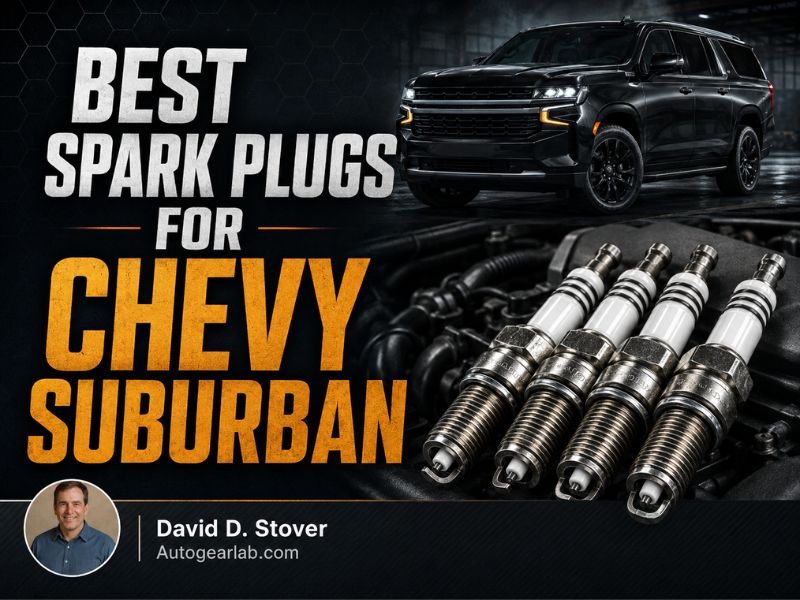
Finding the best spark plugs for Chevy Suburban starts with identifying exactly which Suburban is sitting in the driveway. Chevrolet has used several V8 engines across different generations, and a spark plug that fits a newer 5.3L or 6.2L engine may be completely wrong for an older Suburban 1500 or 2500.
For many later-model gasoline V8 applications, my primary recommendation is the ACDelco GM Original Equipment 41-114 Iridium Spark Plug. Its OE-oriented design, fine-wire iridium electrode, long reach, and tapered seat make it a natural starting point when the engine specification calls for this plug. GM currently lists the 41-114 for recent Suburban applications, while broader fitment catalogs also associate it with earlier 5.3L and 6.2L models in the same engine family.
A solid alternative for compatible newer models is the NGK 4344 LTR5IX-11 Iridium IX Spark Plug. It uses an iridium fine-wire design with a 14 mm thread, tapered seat, and roughly one-inch reach, and fitment catalogs cover a substantial range of modern Suburban applications.
Older trucks need their own attention. A 2008 Suburban 1500 and a recent 6.2L Suburban may both have eight cylinders, but that does not make their spark plugs interchangeable. The safest approach is always to match the plug to the model year, engine, VIN, and original specification before installation.
Best Spark Plugs for Chevy Suburban Reviewed
| Image | Product Name | Check Price |
|---|---|---|
Best Choice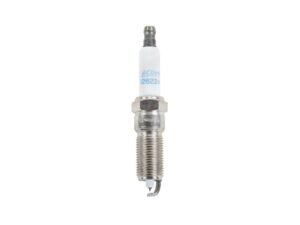 | ACDelco GM Original Equipment 41-114 Iridium Spark Plug | Check Price |
Second Best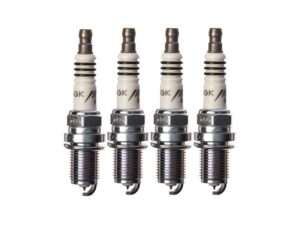 | NGK 4344 LTR5IX-11 Iridium IX Spark Plug | Check Price |
Third Choice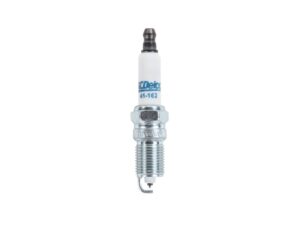 | ACDelco GM Original Equipment 41-162 Iridium Spark Plug | Check Price |
The three plugs below cover two major needs: modern gasoline V8 Suburbans and older 2007–2014-era applications. All three use iridium, but differences in reach, heat range, engine family, and original fitment matter far more than the electrode material alone.
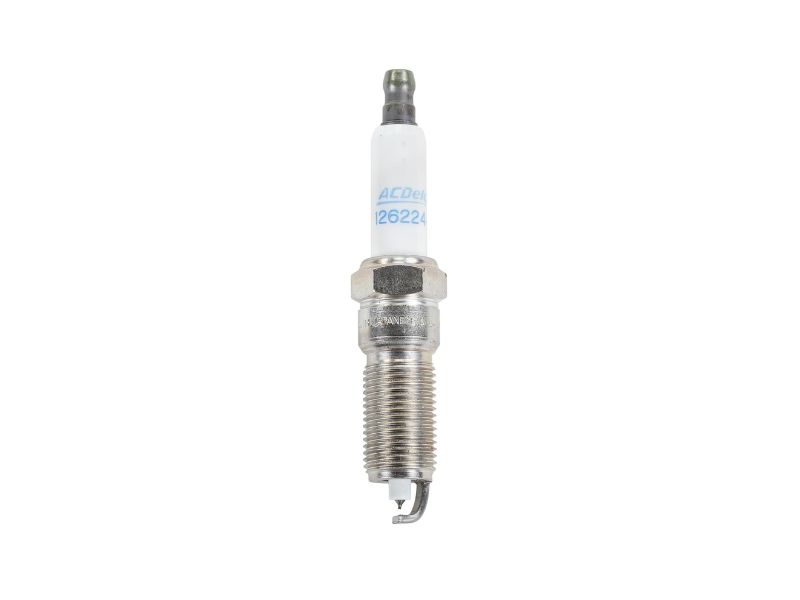
1. ACDelco GM Original Equipment 41-114 Iridium Spark Plug
Key Features
- Fine-wire iridium center electrode
- Approximately 0.040-inch factory gap
- 0.98-inch/25 mm reach
- Tapered seat
- Resistor-style OE construction
The ACDelco 41-114 is the most sensible first recommendation for compatible later-model Chevy Suburban gasoline V8s. It is especially relevant to the newer generations using the familiar GM 5.3L and 6.2L V8 families, although the model year and engine still need to be verified before ordering.
GM specifies a 0.98-inch reach, tapered seat, 16 mm hex, resistor construction, and iridium center electrode for the 41-114. The listed gap is approximately 0.040 inch.
Those specifications explain why fitment deserves more attention than simply shopping for “iridium spark plugs.” Reach determines how far the plug extends into the cylinder head. The seat determines how it seals. Heat range affects how effectively the firing end transfers combustion heat into the head. Getting any of those wrong can matter more than whether the box says iridium, platinum, or another premium material.
Iridium itself is a good match for a modern Suburban. Its high resistance to heat and electrode erosion allows a relatively small firing tip without sacrificing practical durability. A small center electrode also concentrates the electric field at the firing tip, helping the ignition system generate a consistent spark without relying on a large conventional electrode.
That is useful in a heavy SUV. A Suburban frequently sees operating conditions that range from short urban trips to highway cruising, family hauling, and towing. Under load, cylinder pressure rises and the ignition system still needs to light the mixture consistently. Healthy plugs, coils, and plug wires all contribute to that process.
The 41-114 is also an OE-style choice rather than a plug built around dramatic performance claims. That makes it attractive for a stock daily driver where preserving the engine’s intended ignition characteristics matters more than experimenting with an unusual heat range or electrode configuration.
One detail deserves extra care during installation: the gap. ACDelco states that its GM OE iridium plugs are pre-gapped during manufacturing and warns against attempting to re-gap them because the plug can be damaged. A plug that arrives with an obviously incorrect or damaged electrode should be replaced rather than aggressively bent back into shape.
The V8 also requires eight plugs for a complete service, so package quantity needs to be checked before the old plugs come out.
The main limitation is obvious: the 41-114 is not a universal Suburban spark plug. Older engines and certain heavy-duty configurations can call for a completely different plug.
What I Like
- OE-oriented construction fits the character of a stock Suburban
- Iridium electrode offers strong wear resistance
- Clear dimensional specifications make compatibility easier to verify
- Well suited to compatible 5.3L and 6.2L gasoline V8 applications
What I Do Not Like
- Not correct for every Suburban generation
- Eight plugs are required for a complete V8 service
- Pre-gapped fine-wire construction leaves little reason for careless adjustment
For a compatible later-model gasoline Suburban, the 41-114 is the plug that makes the most sense to start with. It keeps the focus on OE-style compatibility and durability rather than trying to turn a normal maintenance part into a performance modification.
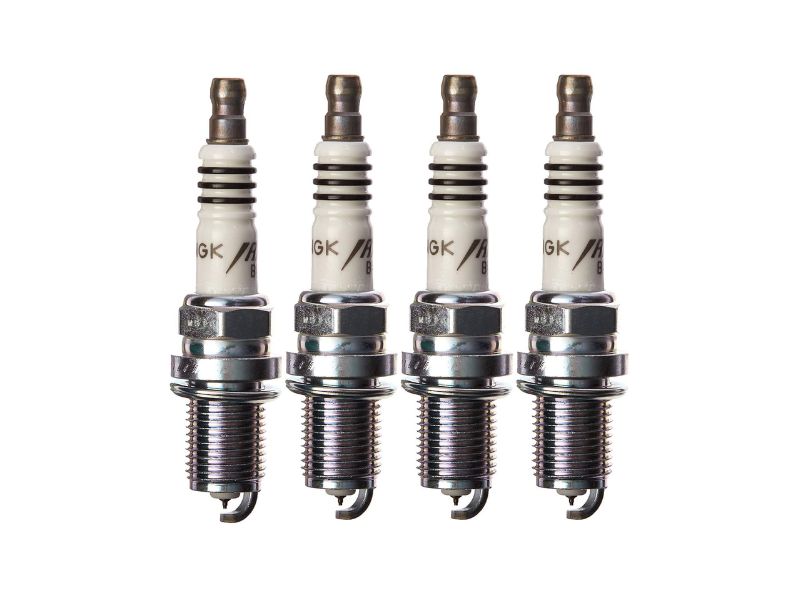
2. NGK 4344 LTR5IX-11 Iridium IX Spark Plug
Key Features
- Iridium IX fine-wire electrode
- 14 mm thread
- Approximately 0.984-inch reach
- Tapered-seat resistor construction
- Suitable for a range of compatible later-model Suburban V8 applications
The NGK 4344 LTR5IX-11 is the strongest alternative in this group for owners who prefer NGK while staying with a proven iridium design.
Its physical layout is notably close to what many modern GM V8 applications require. The plug uses a 14 mm thread, tapered seat, resistor design, and approximately 0.984-inch reach. That makes it relevant to compatible Suburban applications where those dimensions and the corresponding heat range are specified.
NGK’s Iridium IX design uses a fine iridium center electrode. The point of that design is not to generate free horsepower. The more meaningful advantages are precise spark concentration, strong resistance to firing-tip wear, and dependable ignition when the plug is matched properly to the engine.
This can be particularly appealing on a Suburban that sees mixed use. A large SUV may spend one week doing short school runs and the next covering hundreds of highway miles with passengers, cargo, or a trailer. Consistent ignition across those conditions matters far more than a flashy performance claim.
The 4344 also provides a useful alternative when the owner does not necessarily want to stay with ACDelco but still wants a recognizable, well-established spark-plug design. Fitment references associate the NGK 4344 with numerous 2015-and-newer Suburban applications, although the exact year and engine need to be checked before installation.
There is an important difference between finding a cross-reference and confirming fitment. Two plugs can share basic dimensions yet use different heat ranges or firing-end characteristics. The part specified for the actual engine always takes priority.
Gap also deserves attention. NGK advises matching spark-plug gap to the vehicle or engine specification rather than assuming one universal setting applies simply because a plug is listed for several vehicles.
On a stock Suburban, there is rarely a good reason to experiment with an unusually wide gap. Greater electrode spacing generally raises the voltage required to fire the plug, and the demand becomes more significant as cylinder pressure increases.
The NGK option makes the most sense when its application information matches the specific Suburban and the owner wants an iridium alternative to the OE-oriented ACDelco plug.
What I Like
- Fine-wire iridium construction
- Useful fitment coverage across many modern GM V8 applications
- Familiar tapered-seat and long-reach configuration
- Strong choice for owners who prefer NGK ignition components
What I Do Not Like
- Exact fitment still needs to be checked by year and engine
- A cross-reference should not be treated as universal compatibility
- Package quantity may require buying more than one set for a V8
The NGK 4344 is a convincing alternative for the right Suburban. Its appeal comes from proven construction and sensible dimensions, not from trying to be an aggressive performance plug.
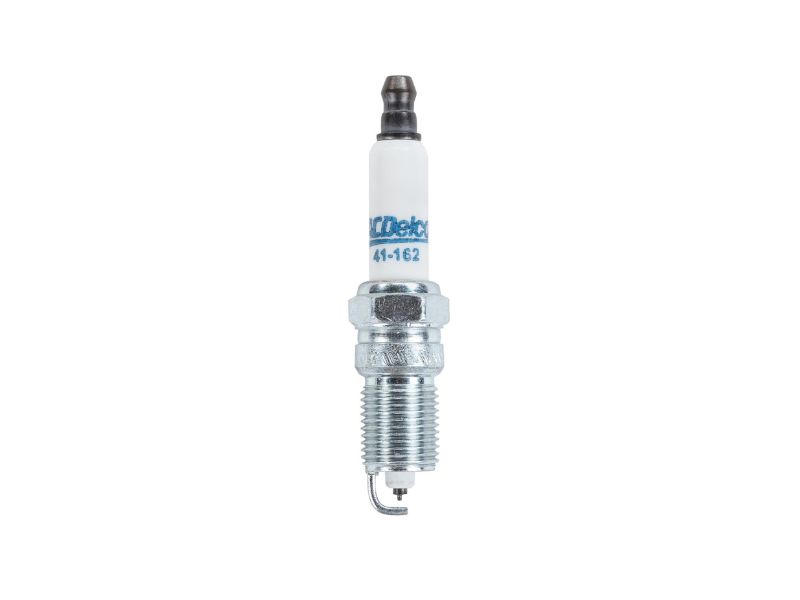
3. ACDelco GM Original Equipment 41-162 Iridium Spark Plug
Key Features
- GM OE-style iridium construction
- 14 mm thread
- Approximately 0.689-inch reach
- Tapered seat
- Strong relevance to 2007–2014 Suburban applications
The ACDelco 41-162 fills an important gap in this guide because not every person searching for Chevy Suburban spark plugs owns a recent model.
GM specifically lists the 41-162 for 2007–2014 Suburban 1500 models, as well as multiple Suburban 2500 applications from the same general period. That makes it far more useful for older Suburban owners than trying to force a current-generation plug into an engine that was designed around different dimensions.
One of the clearest physical differences is reach. The 41-162 uses a roughly 0.689-inch reach, substantially shorter than the approximately 0.98-inch reach associated with the 41-114.
That difference alone shows why buying by brand and electrode material is not enough. Both plugs may say ACDelco and iridium, yet the portion extending into the cylinder head is not the same length.
The 41-162 uses an iridium tip, tapered seat, 14 mm thread, and resistor configuration. It follows the same general OE philosophy as the first product: provide the dimensions and ignition characteristics intended for the compatible GM engine rather than relying on a universal replacement concept.
For an older Suburban that still sees family duty, highway travel, or towing, iridium also offers a practical maintenance advantage. The firing surface resists wear well, which helps the plug retain its operating characteristics over time when the engine is otherwise healthy.
Older vehicles introduce another variable, however: modifications and previous repairs. A Suburban that is more than a decade old may have replacement cylinder heads, a swapped engine, different ignition components, or parts installed by previous owners. VIN-based catalog information is useful, but checking what is physically installed can prevent surprises.
When the plugs come out, the old set is worth examining cylinder by cylinder. One plug that is heavily oily, unusually white, wet with fuel, or badly carbon-fouled while the others look normal may indicate a cylinder-specific issue. Replacing the plug can restore ignition temporarily, but it does not fix the reason that cylinder produced the unusual deposit.
The 41-162 is therefore less of an alternative to the first two plugs and more of a different-generation solution.
What I Like
- Direct relevance to many 2007–2014 Suburban applications
- GM OE-style configuration
- Iridium electrode offers strong durability
- Shorter reach correctly addresses applications that do not use the later plug dimensions
What I Do Not Like
- Not suitable for simply replacing a 41-114
- Older vehicles may require extra verification because of previous modifications
- Fitment varies between Suburban 1500, 2500, and other configurations
For the appropriate older Suburban, the 41-162 is a much smarter choice than trying to adapt a newer plug. Its place in this guide comes from compatibility, not from being better or worse than the first two options.
Chevy Suburban Spark Plug Comparison
| Product | Plug Type | Main Application | Thread | Reach | Seat | Main Strength | Main Limitation |
| ACDelco 41-114 | Iridium | Many later-model gasoline V8 Suburbans | 14 mm class | 0.98 in. | Tapered | Strong OE-style modern V8 fit | Not universal across generations |
| NGK 4344 LTR5IX-11 | Iridium IX | Compatible newer Suburban V8 applications | 14 mm | 0.984 in. | Tapered | Strong aftermarket iridium alternative | Requires careful application verification |
| ACDelco 41-162 | Iridium | Many 2007–2014 Suburban applications | 14 mm | 0.689 in. | Tapered | Excellent older-generation relevance | Different reach from later plugs |
The biggest difference is not brand. It is engine compatibility and physical specification.
The 41-114 and NGK 4344 belong to the long-reach family found in many newer applications, while the 41-162 serves older Suburbans that use a shorter reach. That is why comparing them as though all three were competing for the exact same engine would be misleading.
How to Choose Spark Plugs for a Chevy Suburban
A Suburban has been around long enough to span multiple engine generations, ignition strategies, and cylinder-head designs. Good spark-plug selection therefore begins with the vehicle, not with the plug material.
Check the Model Year First
The model year narrows the search quickly.
A 2008 Suburban belongs to a very different engine generation than a recent model. Even if both have a 5.3L V8, their plug specifications should be confirmed independently.
The same warning applies when buying parts for a used truck. Never assume an online listing for “Chevy 5.3 spark plugs” automatically covers every 5.3L engine ever installed in a Suburban.
Confirm the Engine
Gasoline Suburbans have used multiple engines, including different versions of the 5.3L, 6.0L, and 6.2L V8.
Engine displacement is a good starting point, but the engine code or VIN provides better precision.
This is particularly important in model years where Chevrolet offered more than one gasoline engine.
Identify the Original Plug Specification
Once the engine is known, confirm the specified plug part number or an approved cross-reference.
The important characteristics include:
- Thread diameter
- Thread reach
- Seat type
- Hex size
- Heat range
- Resistor configuration
- Electrode design
- Specified gap
Two plugs that share six of those characteristics but differ in one critical dimension are not necessarily interchangeable.
Iridium Makes Sense for Modern Suburbans
Iridium is widely used in modern spark plugs because of its resistance to high temperature and electrode wear.
That allows the firing tip to remain relatively fine without eroding as quickly as a basic conventional electrode. A fine electrode can concentrate the electric field at the firing point, supporting dependable ignition without requiring an oversized center tip.
In practical terms, the main benefits are durability and consistent firing characteristics.
Do Not Buy Spark Plugs for Horsepower Claims
A correctly selected spark plug can restore power lost to worn, fouled, or damaged plugs.
That is different from creating additional engine output.
If a healthy Suburban already has properly functioning plugs, installing another standard replacement set should not be expected to create dramatic horsepower gains.
Real engine output depends on airflow, fuel delivery, combustion efficiency, ignition timing, compression, and numerous other factors.
Understand Spark Plug Reach
Reach is the length of the threaded section that extends into the cylinder head.
It is one of the most important measurements in this entire buying decision.
The 41-114 has approximately 0.98 inch of reach, while the 41-162 is considerably shorter at about 0.689 inch.
A plug with excessive reach can protrude too far into the combustion chamber. A plug that is too short can leave the firing tip recessed and expose unused threads to combustion deposits.
Never substitute one simply because the thread diameter matches.
Check the Seat Type
A tapered-seat spark plug seals against a machined taper in the cylinder head.
It does not rely on the same removable crush-gasket arrangement found on some gasket-seat plugs.
All three products in this guide use tapered-seat configurations, but that fact alone does not make them interchangeable because their other dimensions still differ.
Understand Heat Range
Spark-plug heat range describes the plug’s ability to transfer heat from the firing end into the cylinder head.
It does not describe how hot or powerful the spark itself becomes.
An overly cold plug may fail to maintain the firing-tip temperature needed to resist deposits during normal use. An excessively hot plug can retain too much heat under severe operating conditions.
Stock engines generally work best when the factory-specified heat range is retained.
Think About Towing and Heavy Load
Suburbans are often used for towing, which puts sustained load on the engine.
That does not automatically mean a colder plug is required.
A stock engine operating within its rated configuration is designed around its specified ignition components. Heat-range changes make more sense when engine output, compression, boost, fuel, or calibration has been changed substantially.
For normal towing, correct OE-type plugs in good condition are usually more important than trying to outsmart the original specification.
Stock vs Modified Engines
A tuned, supercharged, or otherwise heavily modified Suburban changes the equation.
Higher cylinder pressure can increase the voltage required to jump the plug gap. Modified engines may also produce more combustion heat.
At that point, plug gap and heat range can become tuning variables rather than simple maintenance specifications.
The engine builder or tuner should establish those values rather than copying a gap recommendation from a stock truck.
How Spark Plugs Affect Suburban Engine Performance
A gasoline engine needs a reliable spark at precisely the right moment to start combustion.
Voltage builds through the ignition system until it becomes high enough to cross the gap between the center and ground electrodes. That electrical discharge creates the spark that begins combustion of the compressed air-fuel mixture.
Why Worn Spark Plugs Cause Problems
Every firing event slowly affects the electrodes.
As wear increases, the effective gap can become larger. The ignition coil then has to produce enough voltage to bridge that greater distance.
Eventually, a marginal plug or ignition component may begin to misfire.
This often appears first under load because higher cylinder pressure makes the spark more difficult to establish.
Why a Suburban May Misfire During Acceleration
A misfire that appears while accelerating can be related to:
- Worn spark plugs
- Excessive plug gap
- Weak ignition coils
- Damaged plug wires or boots
- Injector problems
- Fuel-pressure issues
- Intake leaks
- Compression problems
Spark plugs are worth checking, but replacing them blindly is not a complete diagnosis.
Rough Idle and Starting Problems
Bad spark plugs can contribute to rough idle and difficult starting because one or more cylinders may not ignite their mixture consistently.
GM lists hard starting, hesitation, cutting out, and reduced performance under load among possible signs that spark plugs need attention.
Those symptoms overlap with many other engine problems, so diagnostic trouble codes and cylinder-specific inspection are useful when the issue persists.
Chevy Suburban Spark Plug Gap
Spark plug gap is the distance between the center electrode and ground electrode.
That tiny space matters because the ignition system must generate sufficient voltage for the spark to cross it.
A wider gap generally requires more voltage. A gap that is too large can expose weaknesses in the coils, wires, or plugs, particularly under heavy load.
A gap that is too narrow can alter how the initial spark interacts with the mixture.
NGK recommends using the proper gap specified for the exact engine application rather than relying on a universal value.
Should ACDelco Iridium Plugs Be Re-Gapped?
ACDelco GM OE iridium plugs are manufactured with a preset gap, and ACDelco specifically warns against re-gapping them because the fine electrode can be damaged.
Inspect each plug before installation. If a new electrode appears bent or the gap is clearly incorrect, replacement is preferable to forcing the delicate firing components back into position.
How to Install Chevy Suburban Spark Plugs
Spark plug replacement on a V8 Suburban is conceptually simple: remove the plug-wire or coil connection, remove the old plug, and install the new one.
Access is what often turns the job into a longer afternoon.
Let the Engine Cool
Do not start with a hot aluminum cylinder head.
ACDelco specifically advises allowing aluminum heads to cool before plug removal because working with hot components can increase the chance of thread damage.
A cool engine is also far more comfortable to work around.
Clean the Area Around the Plugs
Dirt should not fall into the combustion chamber when a plug is removed.
Brush or blow away loose debris around the plug opening before removal.
Wear eye protection when compressed air is used.
Remove the Boot Carefully
Do not pull hard on the wire itself.
Grip the boot and work it loose carefully. On vehicles with aging ignition wires, aggressive pulling can damage the conductor or terminal.
While the boot is off, inspect it for cracks, oil contamination, burns, or carbon tracking.
Work One Cylinder at a Time
A Suburban V8 has eight plugs.
Working one cylinder at a time helps prevent confusion, especially on applications using individual spark-plug wires between the coils and plugs.
It also makes it easier to compare each removed plug with the cylinder it came from.
Start New Plugs by Hand
Cross-threading a spark plug into an aluminum cylinder head can become an expensive mistake.
The plug should start easily by hand.
Using an extension without the ratchet attached can provide better feel during the first several turns. If the plug immediately becomes tight, back it out and inspect the threads rather than forcing it.
Tighten to the Correct Specification
Spark-plug torque affects more than whether the plug stays in place.
NGK notes that proper tightening is important to heat transfer and that both over-tightening and under-tightening can cause problems.
Use the specification appropriate to the actual plug, cylinder head, and engine.
Be Careful With Anti-Seize
Do not automatically cover spark-plug threads with anti-seize.
Added lubricant changes thread friction, which can alter the relationship between torque-wrench reading and actual clamping force.
Follow the plug manufacturer’s instructions instead of applying anti-seize simply because it has traditionally been used on other engines.
Inspect the Wires and Coils
Replacing worn plugs while ignoring a damaged ignition wire can leave the original misfire untouched.
Look for:
- Cracked boots
- Burn marks
- Corrosion
- Oil contamination
- Carbon tracking
- Loose terminals
Heat damage is especially worth checking around exhaust components.
Chevy Suburban Spark Plug Maintenance
Spark plugs are maintenance components, but there is no good reason to invent one replacement interval for every generation of Suburban.
The correct schedule depends on the model year, engine, and plug specified by Chevrolet.
Follow the maintenance information for the exact vehicle.
Signs the Plugs Need Inspection
An inspection may be worthwhile when the Suburban develops:
- Hard starting
- Rough idle
- Hesitation
- Repeated misfire codes
- Uneven acceleration
- Loss of power under load
Those symptoms do not prove the plugs are bad, but they provide a reasonable reason to inspect the ignition system.
Read the Old Spark Plugs
Do not immediately throw the old plugs away.
Arrange them by cylinder and compare the firing ends.
If seven plugs look similar and one is heavily fouled, wet, damaged, or covered with oil, that difference may tell more than the replacement plug itself.
A cylinder-specific problem deserves diagnosis.
Replace a Complete Set During Scheduled Service
A normal scheduled V8 tune-up should generally leave all eight cylinders with plugs of the same type and similar service age.
Mixing old and new plugs unnecessarily makes future diagnosis harder.
It also means individual cylinders may have different electrode wear and firing characteristics.
Common Chevy Suburban Spark Plug Mistakes
Buying Only by Vehicle Name
A spark plug advertised for “Chevy Suburban” is not automatically suitable for every Suburban.
Confirm the year and engine.
Assuming All 5.3L Engines Use the Same Plug
The 5.3L designation spans several generations.
Always verify the exact engine and model year.
Ignoring Thread Reach
The difference between the 41-114 and 41-162 demonstrates why reach cannot be overlooked.
A matching thread diameter is not enough.
Re-Gapping Fine-Wire OE Iridium Plugs
Factory pre-gapped ACDelco OE iridium plugs should not be aggressively adjusted.
A damaged new plug is better replaced.
Choosing by Electrode Material Alone
Iridium is useful, but an iridium plug with the wrong dimensions is still the wrong plug.
Fitment comes first.
Assuming New Spark Plugs Fix Every Misfire
A bad coil, wire, injector, compression problem, or wiring fault can continue causing a misfire after fresh plugs are installed.
Diagnose persistent faults.
Replacing Only One Old Plug During Routine Maintenance
An emergency repair is one thing.
During scheduled service, keeping a matching set across all eight cylinders makes more sense.
Working on a Hot Engine
Allow aluminum cylinder heads to cool before removing the plugs.
This reduces unnecessary risk to the threads.
Over-Tightening
Excessive torque can damage threads, stress the plug shell, or create problems during future removal.
Use the correct torque procedure.
Ignoring Plug Wires and Boots
A fresh plug cannot overcome a damaged boot that allows ignition voltage to leak to ground.
Inspect the entire ignition path while access is available.
Frequently Asked Questions
1. What are the best spark plugs for Chevy Suburban?
For many later gasoline V8 models, ACDelco 41-114 is my primary recommendation. Older Suburbans may require a different plug such as the 41-162.
The correct choice depends on model year and engine rather than the Suburban name alone. ACDelco 41-114 is associated with many newer 5.3L and 6.2L applications, while GM lists the 41-162 for numerous 2007–2014 Suburbans. Confirm the VIN and original specification before buying eight plugs.
2. What spark plugs are best for a 5.3 Chevy Suburban?
There is no single spark plug for every 5.3L Suburban because Chevrolet used multiple generations of the 5.3L V8.
Later applications commonly use plugs in the ACDelco 41-114 or equivalent family, while earlier trucks can require different reach and part numbers. The quickest way to avoid a fitment mistake is to identify the model year and VIN before selecting the plug. An older 5.3L should not automatically receive the same plug used in a much newer 5.3L.
3. What spark plugs are best for a 6.2L Chevy Suburban?
Compatible later-model 6.2L Suburbans commonly use an OE-style iridium plug such as the ACDelco 41-114.
The exact year still matters. The 6.2L engine has appeared across more than one generation, so confirm the specified plug rather than ordering solely from displacement. For a stock engine, keeping the original heat range, reach, seat design, and electrode configuration is generally more important than searching for a supposedly higher-performance substitute.
4. Are ACDelco spark plugs good for a Chevy Suburban?
Yes. ACDelco OE spark plugs are a particularly logical choice when the part number matches the specific Suburban engine.
GM describes its OE plugs as components designed and validated for GM applications. Their main advantage here is not brand prestige but having clearly defined engine-specific dimensions and characteristics. That helps avoid guessing about reach, seat type, gap, and heat range when servicing a mostly stock vehicle.
5. Are NGK spark plugs good for a Chevy Suburban?
Yes. NGK makes suitable spark plugs for compatible Suburban applications, including the 4344 LTR5IX-11 discussed here.
The NGK 4344 uses Iridium IX construction, a 14 mm thread, tapered seat, and approximately 0.984-inch reach. Those dimensions fit a number of compatible modern applications, but the specific model year and engine still need confirmation. Brand reputation cannot compensate for installing the wrong part number.
6. How many spark plugs does a Chevy Suburban need?
A gasoline V8 Chevy Suburban normally uses eight spark plugs—one for each cylinder.
That means a complete tune-up usually requires eight matching plugs. Check package quantity carefully because spark plugs may be sold individually or in multi-packs. Buying a complete matched set before starting the job keeps the electrode type, heat range, gap specification, and service age consistent across all cylinders.
7. What is the spark plug gap for a Chevy Suburban?
Spark-plug gap depends on the engine and model year; there is no universal gap for every Suburban.
For example, the ACDelco 41-114 is listed with an approximately 0.040-inch factory gap. That does not mean 0.040 inch should be applied to every Suburban plug ever produced. Always confirm the gap specified for the exact engine and replacement part.
8. Should I gap new Chevy Suburban spark plugs?
Check the application specification, but do not casually re-gap factory pre-gapped ACDelco GM OE iridium plugs.
ACDelco states that its GM OE iridium plugs are pre-gapped and warns that attempting to re-gap them can damage the spark plug. Inspect each new plug for shipping damage instead. If a fine-wire electrode is obviously bent or incorrectly positioned, replacing the plug is safer than forcing it into place.
9. How often should Chevy Suburban spark plugs be replaced?
Follow the maintenance schedule for the exact Suburban year and engine rather than using one interval for every model.
Suburbans span several generations and spark-plug designs, so service requirements can vary. Earlier inspection also makes sense when the engine develops a repeated misfire, difficult starting, hesitation, or poor running under load. An unusually early failure deserves diagnosis because oil burning, fuel problems, or ignition faults can shorten plug life.
10. Can bad spark plugs cause a Chevy Suburban to misfire?
Yes. Worn, fouled, damaged, or incorrectly gapped spark plugs can cause a Suburban engine to misfire.
The plugs are only one possible cause. Weak coils, damaged plug wires, injector faults, wiring problems, fuel-pressure issues, vacuum leaks, and poor cylinder compression can create similar symptoms. When a diagnostic code identifies a particular cylinder, comparing that cylinder’s plug and ignition components with the others can narrow the problem quickly.
11. Can worn spark plugs cause rough idle?
Yes. A worn or fouled plug can cause inconsistent combustion and contribute to a rough idle.
A rough idle does not automatically mean the spark plugs need replacement, though. Air leaks, throttle-body contamination, injectors, ignition coils, engine mounts, and mechanical problems can produce similar sensations. If plug replacement is due anyway, examining the removed plugs can provide useful clues about whether ignition quality was part of the problem.
12. Can new spark plugs improve gas mileage in a Suburban?
New plugs can help restore normal fuel economy when worn or fouled plugs were causing poor combustion, but they do not guarantee extra MPG.
A healthy engine with good plugs already has reliable ignition, so changing to another standard plug should not create dramatic efficiency gains. Tire pressure, driving speed, towing load, engine condition, fuel system performance, and vehicle weight all have major effects on a Suburban’s fuel use.
13. Should ignition wires be replaced with the spark plugs?
Not automatically. Replace spark-plug wires when inspection or testing shows deterioration, excessive resistance, or physical damage.
While the plugs are accessible, check the wires and boots for cracking, burned areas, oil contamination, corrosion, or carbon tracking. A damaged wire can allow ignition voltage to escape before it reaches the plug. If the existing wires are in good condition and operate correctly, replacing them solely because the plugs are being changed is not always necessary.
14. Can I change Chevy Suburban spark plugs myself?
Yes, an experienced DIY owner can replace Suburban spark plugs, but access to some cylinders can be tight.
Work on a cool engine, keep debris away from the plug holes, remove boots carefully, and start every new plug by hand before applying final torque. Correct tightening is important because both over-tightening and under-tightening can cause problems. If access makes proper installation difficult, professional service may be the safer option.
15. Are iridium spark plugs better for a Chevy Suburban?
Iridium is an excellent choice when the Suburban engine is designed for an iridium plug, mainly because of its durability and fine-electrode design.
That does not make every iridium plug interchangeable. Thread reach, seat style, heat range, resistance, gap, and firing-end geometry still have to match the engine. A correctly specified OE-type plug is more valuable than buying a premium iridium model whose dimensions happen to be wrong.
Conclusion
Choosing the best spark plugs for Chevy Suburban becomes much easier once the model year and engine are treated as the starting point rather than an afterthought.
For many compatible later-model gasoline V8 Suburbans, the ACDelco 41-114 stands out as the strongest first option. Its iridium construction and OE-oriented specifications suit owners who want a straightforward replacement without experimenting with the ignition system.
The NGK 4344 LTR5IX-11 fills a similar role for compatible newer applications while offering a well-established Iridium IX alternative. The ACDelco 41-162 belongs in a different part of the conversation: it is particularly relevant to many 2007–2014-era Suburbans and uses a noticeably shorter reach than the newer plug family.
That difference is a good reminder that the product name on the box matters less than correct fitment.
Before installing anything, confirm the model year, engine, VIN, thread reach, seat type, heat range, and specified gap. Buy a complete matching set of eight for normal V8 maintenance, allow the engine to cool, inspect the plug wires or boots, and start each new plug carefully by hand.
For a stock Suburban, matching the original ignition requirements is the practical path to reliable starting, smooth operation, and dependable service.