
Floor liners usually protect more of your vehicle’s carpet, while floor mats cost less and are easier to move or replace. The right choice depends on your climate, how often you carry messy cargo, your vehicle’s fit, and how much cleanup you’re willing to handle.
Are muddy boots turning the driver’s footwell into a swamp? Do your current mats slide forward, curl at the edges, or leave a clean strip of carpet beside the door?
I once installed a bargain set of universal mats in a truck before a week of wet weather. The rear mat folded under itself, trapped grit against the carpet, and left a dark, gritty line along the door sill. It was a rushed shortcut, not a dumb mistake, and plenty of drivers make the same one.
I wrote this guide for anyone comparing floor liners and floor mats without wanting a sales pitch. You’ll get the plain differences, the fit details that matter, and a practical way to choose.
Get the choice right, and you’ll spend less time scrubbing carpet, deal with fewer sliding mats, and protect the resale condition of your vehicle. Pick poorly, and water, salt, sand, and spilled drinks can work into places that are a pain to clean.
This takes about 9 minutes to read, and you’ll come away knowing how to:
- Match coverage to your weather and daily driving.
- Check fit, retention, and pedal clearance before buying.
- Choose rubber, carpet, thermoplastic, or molded materials.
- Clean each style without creating new problems.
- Avoid the common mistakes that leave carpet exposed.
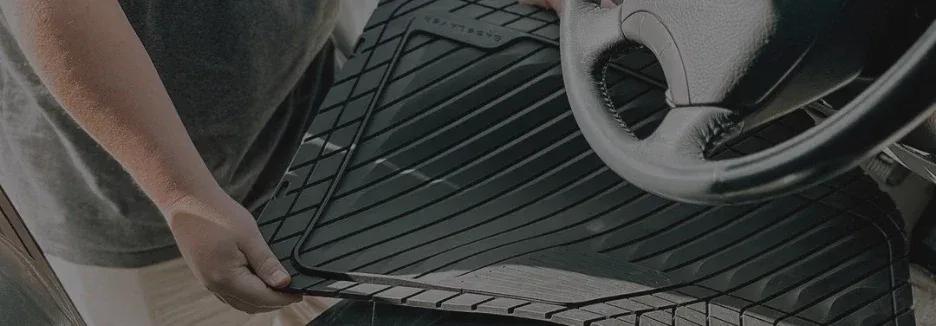
Floor Liners vs Floor Mats: the Core Difference
Floor liners have raised walls and vehicle-specific contours, while floor mats usually offer flatter, simpler coverage. A floor liner is shaped like a shallow tray that catches water and debris, while a floor mat is a removable pad that protects the main floor area.
Floor liners usually cover the footwell, front edge, sides, and part of the door-side carpet. Many molded liners use retention clips, molded hooks, or grippy backing to stay in place. When a drink spills, the raised rim gives the liquid somewhere to collect instead of sending it straight onto the carpet.
Floor mats come in carpet, rubber, vinyl, and flexible plastic. They’re often less expensive, easier to swap between vehicles, and more comfortable under bare shoes. A carpet mat can also match a factory interior better than a heavy-duty liner.
| Feature | Floor liners | Floor mats |
|---|---|---|
| Coverage | High, with side and front walls | Low to medium, mostly flat |
| Water control | Strong when the rim stays upright | Limited unless the mat has raised edges |
| Vehicle fit | Usually made for a specific model | Universal or vehicle-specific |
| Cleaning | Hose or wipe, depending on material | Simple shake, vacuum, or wash |
| Comfort | Firm and utilitarian | Carpet feels softer and quieter |
| Cost | Usually higher | Usually lower |
| Best use | Snow, mud, sand, spills, frequent mess | Dry climates, clean interiors, lower budgets |
| Main risk | Wrong fit can interfere with pedals | Sliding or exposed carpet |
A liner is the better pick when you regularly drive through snow, road salt, beach sand, construction dust, or wet trails. A carpet mat may be enough if you mostly drive on clean pavement and care more about a soft, finished cabin.
You don’t need to choose the toughest option just because it looks more serious. A molded liner in a dry commuter car can be overkill, while a thin universal mat in a snowy region can leave you fighting stains all season.
A useful rule is simple: buy for the mess you actually bring inside, not the mess shown in the product photos.
- Liners give better sidewall and spill coverage.
- Mats offer lower cost, softer feel, and easier replacement.
- A precise fit matters more than a flashy material.
- Snow, mud, and sand favor liners; light daily use can favor mats.
Fit, Materials, and Coverage That Matter
A good floor covering stays flat, locks into the factory retention points, and leaves every pedal fully clear. Coverage and material matter, but a badly fitted product can create more trouble than a basic mat that sits correctly.
Start with the vehicle’s year, make, model, body style, and row position. A mat designed for a crew cab may not fit an extended cab, and a front-row liner will not belong in a second-row footwell. Trim packages can change seat rails, center humps, and retention posts too.
Look for these fit details:
- Factory anchor holes or retention buttons.
- A raised edge that follows the door sill.
- Open space around the accelerator and brake pedal.
- No contact with seat tracks during full seat movement.
- A rear shape that covers the center hump when the design calls for it.
- A flat base that doesn’t buckle under your heel.
A product that claims “custom fit” may still have small gaps. Read the fit notes carefully, especially for vehicles with manual transmissions, unusual floor contours, or several cab configurations.
The main floor mat materials have different tradeoffs:
- Carpet: Quiet, soft, and easy to match with the interior, but it holds moisture and stains.
- Rubber: Flexible, washable, and resistant to salt and mud, though some rubber smells stronger when new.
- Thermoplastic: A molded plastic material with firm walls, good shape retention, and easy cleanup.
- Vinyl: Inexpensive and water resistant, but it can become stiff in cold weather and slippery when wet.
- TPE: A flexible thermoplastic elastomer that often balances low odor, durability, and bendability.
The phrase types of car floor mats covers more choices than many buyers expect, including carpet pile, all-weather rubber, molded plastic, and hybrid designs. Material matters, but the right shape and retention system usually matter more than a small difference in surface texture.
What happens if the liner fits the floor but not your foot? Your heel may land on a raised ridge, your shoe can catch the edge, or the pedal area may feel cramped. Comfort deserves a real test, so slide the seat through its full range and press each pedal several times while the vehicle is parked.
How To Check Fit Before Driving
Safety comes first. Before driving, remove the old covering, place the new piece flat, and check that no edge touches the accelerator, brake, clutch, or seat track.
Use this order:
- Park on level ground and turn the vehicle off.
- Remove loose packaging, shipping film, and the old mat.
- Place the liner or mat in the correct footwell.
- Attach every factory retainer or approved clip.
- Move the seat forward and backward through its normal range.
- Press each pedal fully and confirm free movement.
- Push the covering forward with your shoe to test for sliding.
- Recheck the driver’s footwell after a short, slow drive.
Never stack one mat on top of another in the driver’s area. The upper piece can shift, fold, or limit pedal travel.
Important Tip: Don’t trim a driver-side liner near the pedals unless the manufacturer gives a clear cut line. A small-looking adjustment can remove the very edge that keeps the liner stable.
I once received a molded liner that looked perfect until the driver’s seat moved forward. The rear corner caught the seat rail and lifted like a bent dinner plate, so I returned it instead of forcing the fit. That small check saved a headache, and it’s worth doing before the first trip.
Which Style Handles Water Best?
A high-walled, one-piece liner usually handles water better than a flat mat because the liner contains runoff inside the footwell. The benefit disappears if the liner curls, has a low spot, or leaves a large gap near the door.
Water resistance isn’t the same as waterproofing the vehicle. Melted snow can pool until you dump it, but a cracked liner or overfilled tray can still spill onto carpet. Empty the liner before the liquid reaches the rim.
Rubber and thermoplastic liners work well for wet conditions because they don’t soak up water. Carpet mats can still work in damp weather if you remove them, dry them fully, and clean the carpet below.
Installation, Cleaning, and Everyday Use
Proper installation and routine cleaning keep both liners and mats working longer. Most problems come from trapped grit, loose fasteners, or a driver-side covering that was never checked after installation.
Before cleaning, remove the covering from the vehicle. This keeps dirt and dirty water away from the pedals, electrical connectors, and carpet. Never spray a soaking-wet mat inside the cabin and leave it there to dry.
For rubber and plastic liners:
- Shake out loose sand and gravel outdoors.
- Rinse with a hose using moderate water pressure.
- Scrub the grooves with mild soap and a soft or medium brush.
- Rinse until no soap remains.
- Dry both sides before reinstalling.
- Wipe the underside of the footwell before putting the liner back.
Avoid oily tire shine or slick dressing on the top surface. A shiny liner may look fresh, but a slippery heel can make pedal control less comfortable.
For carpet mats, vacuum first so grit doesn’t turn into mud. Spot-clean stains with a fabric-safe cleaner, rinse only as directed, and let the mat dry completely before returning it to the vehicle.
Molded grooves are helpful, though they can hide tiny stones near the heel area. Run your fingers across the channels after cleaning, then dump the debris before it gets ground into the mat.
How often should you clean them? Light-use carpet mats may need a weekly shake and a deeper cleaning every few months, while winter liners often need attention every few days during heavy snow or salt use. Your shoes, parking surface, and weather set the schedule.
Common Buying Mistakes
A cheap universal mat can look fine in the store and still fail once it meets a curved floor. The biggest mistakes are easy to avoid:
- Buying by vehicle brand without checking the exact year and body style.
- Ignoring factory retention points.
- Choosing a thick edge that crowds the pedals.
- Assuming “all-weather” means the same as custom molded.
- Leaving carpet mats in place while wet.
- Using a slick dressing on the top surface.
- Forgetting the second row and cargo area.
- Stacking mats under the driver’s feet.
I’d spend more on accurate fit before spending more on a premium logo. A plain liner that stays put protects better than a costly piece that leaves a two-inch strip of carpet exposed.
The guide to best car floor mat liners can help narrow down raised-edge designs when spill control matters. Check the retention hardware and floor shape before focusing on color or brand reputation.
Cost and Replacement Decisions
Floor mats usually cost less upfront, while floor liners can offer better value when they prevent carpet damage and reduce cleaning time. Prices vary by vehicle, material, row coverage, and whether the set includes front, rear, and cargo pieces.
| Purchase choice | Typical budget level | Best reason to choose it | Tradeoff |
|---|---|---|---|
| Basic universal carpet mats | Low | Quick replacement | More sliding and exposed carpet |
| Vehicle-specific carpet mats | Low to medium | Factory-like appearance | Lower spill protection |
| Rubber all-weather mats | Medium | Flexible wet-weather use | Less precise side coverage |
| Molded thermoplastic liners | Medium to high | Maximum floor coverage | Firmer, less plush feel |
| Premium full-set liners | High | Front, rear, and cargo protection | Higher initial cost |
Those ranges are relative rather than fixed dollar promises because vehicle size and material change the price. A compact car’s set and a large SUV’s three-row set can sit far apart.
Replace a covering when the retention hole tears, the driver-side surface becomes slick, the edge curls into the pedal area, or the base develops a crack. A worn mat can be more dangerous than a plain new one.
For custom coverage, custom-fit car floor mats are worth considering when the carpet shape is unusual or you want matching protection across every row. I’d choose a full set if muddy passengers use the rear seats, since front-only protection leaves the busiest areas exposed.
Pro Tip: Keep a cheap absorbent towel in the cargo area during wet months. It won’t replace a liner, but it can catch a soaked mat during transport and save your carpet from a puddle.
Choosing the Right Setup for Your Vehicle
Choose liners for messy conditions and choose mats for lighter use, softer feel, or a tighter budget. A mixed setup can work well when the front footwells face the most abuse and the rear seats mostly carry clean passengers.
Use this quick match:
- Snow and road salt: Molded liners with raised sides.
- Mud and outdoor work: Rubber or TPE liners with deep channels.
- Beach or desert driving: High-wall liners that contain fine sand.
- Daily commuting: Carpet mats or low-profile vehicle-specific mats.
- Family vehicles: Liners in the front and second row, with cargo protection if needed.
- Showroom-style interiors: Quality carpet mats with a proper retention system.
- Leased vehicles: Liners can reduce carpet wear before return inspection.
- Older vehicles: Measure carefully because replacement carpet may have sagged or changed shape.
A liner doesn’t make a vehicle ready for every mess. Fine sand can collect under the edges, and a large spill can still reach the door-side carpet if you wait too long to empty the tray.
A flat mat can also be the smarter choice in a vehicle with very limited pedal clearance. In that situation, a lower-profile mat that stays fixed beats a tall liner that crowds your feet.
What if you want carpet comfort in summer and wet-weather protection in winter? Keep two sets and swap them when the season changes, but store the unused set flat and dry so it doesn’t develop a curl.
When A Professional Check Makes Sense
A qualified technician should check the driver’s footwell if the covering contacts a pedal, interferes with seat movement, or won’t stay attached after proper installation. Don’t test a questionable setup on public roads.
Most installations are easy, but a vehicle with damaged retention points, modified flooring, aftermarket pedals, or unusual seat rails deserves extra care. A professional can identify interference that isn’t obvious while standing outside the vehicle.
Never drill into the floor to add a homemade anchor. The floor can contain wiring, sensors, lines, or structural parts, and a poorly placed fastener can create a far bigger problem than a sliding mat.
FAQs About Floor Liners vs Floor Mats
Are floor liners better than floor mats?
Yes, floor liners are usually better for water, mud, salt, and sand because raised walls cover more carpet. Floor mats can be better for soft feel, low cost, and simple replacement. The best choice depends on your driving conditions and whether the covering has a secure, vehicle-specific fit.
Do floor liners replace floor mats?
Yes, floor liners can replace standard floor mats when the liner is designed for the same footwell and has safe pedal clearance. Don’t place a floor mat underneath a liner in the driver’s area. Layering can cause movement, bunching, or reduced pedal travel.
Are rubber floor mats or carpet mats better?
Rubber floor mats are better for wet weather, mud, and easy washing. Carpet mats are better for a softer surface, quieter driving, and a factory-style appearance. Rubber mats need a nonslick top surface, while carpet mats need full drying after they become soaked.
Do floor liners protect carpet from salt?
Yes, high-walled floor liners can protect carpet from salty slush when the liner fits tightly and the spill stays below the rim. Remove and rinse the liner regularly because salt residue can remain around edges, clips, and grooves after the visible water dries.
Can floor liners slide around?
Yes, floor liners can slide when the wrong model is used, the retention clips are missing, or dirt builds up underneath. Vehicle-specific contours and factory anchors reduce movement. Check the driver’s footwell after installation and after any seat adjustment.
How long do floor liners last?
Floor liners can last for years when the material stays flexible, the retention points remain intact, and the surface isn’t worn smooth. Heat, grit, heavy work boots, and frequent washing shorten service life. Replace a liner when cracking, curling, or slick wear affects safe placement.
A Practical Choice for Cleaner Vehicle Floors
Floor liners are my usual pick for snow, mud, sand, pets, and vehicles that work hard. Their raised walls and precise shapes save cleanup time, and that relief matters when dirty water would otherwise soak into carpet.
Floor mats still make sense for dry commutes, comfortable interiors, and anyone who wants a low-cost replacement. The one choice I wouldn’t make is a loose driver-side mat, no matter how attractive or inexpensive it looks.
Start by measuring the footwell, checking the factory anchors, and deciding what kind of mess enters your vehicle most often. Pick the covering that stays flat, clears every pedal, and matches real daily use, then clean underneath it before small problems turn into permanent carpet stains.