
The fastest way to remove pet hair from car floor mats is to loosen the hair with a damp rubber tool, pull it into clumps, then vacuum the loose strands. A dry rubber glove, squeegee, or stiff upholstery brush works better than vacuum suction alone because embedded hair grips carpet fibers like tiny hooks.
Have you ever emptied the vacuum twice and still found fur packed around the mat edges? Are you trying to clean the mats without soaking the car carpet or leaving a wet-dog smell behind?
I once rushed through a hairy back-seat cleanup with only a handheld vacuum. The motor whined, the battery quit, and the mats still looked like a golden shag rug under the afternoon sun. That shortcut is common, not dumb, and the fix is easier than most people expect.
I wrote this guide for dog and cat owners who want a clean car without buying a pile of special products. The method works for carpet mats, rubber mats, and the carpet underneath them.
If you get the order right, you’ll spend less time vacuuming, avoid grinding fur deeper into the fibers, and keep moisture away from the floor padding. Skip the loosening step, and you may clog the vacuum, miss hair around the seams, or turn loose fur into muddy clumps.
This takes about 9 minutes to read, and you’ll learn how to:
- Remove embedded fur from carpet and fabric floor mats.
- Pick the right tool for short, curly, or long pet hair.
- Clean rubber mats without making them slippery.
- Handle odor, corners, seat rails, and stubborn hair.
- Prevent the next cleanup from becoming a full afternoon job.
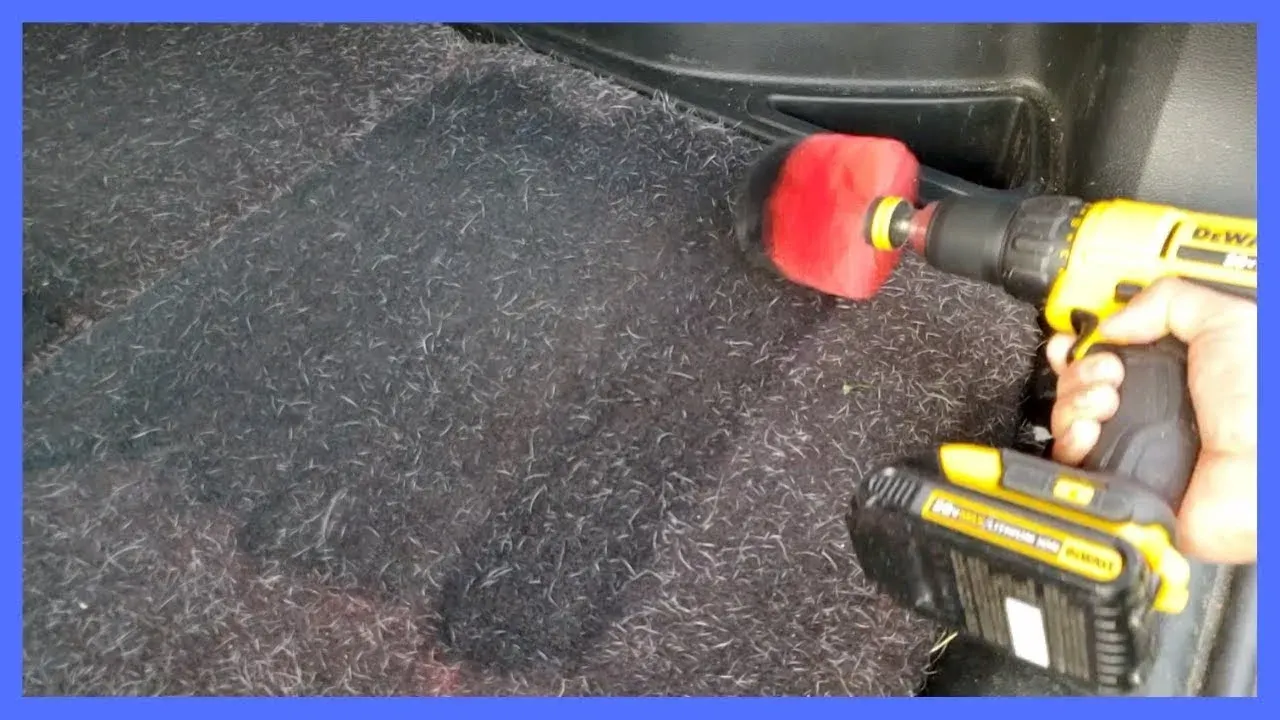
How to Remove Pet Hair from Car Floor Mats
Remove pet hair from car floor mats by taking the mats out, loosening dry fur with rubber, collecting the clumps, and vacuuming last. A medium-size car usually takes 10 to 20 minutes, depending on the mat material, hair length, and how long the fur has been pressed into the carpet.
Follow this order:
- Remove the mats from the vehicle. Take carpet mats outside or place them on a clean garage floor. Leaving mats inside lets loose hair fall into the footwell, seat rails, and door trim.
- Shake and tap the mats. Hold each mat by the corners and tap the back against a hard surface. Don’t beat carpet mats against painted body panels because grit can scratch the finish.
- Loosen the hair before vacuuming. Run a rubber glove, rubber squeegee, or slightly damp silicone brush across the mat in short strokes. Work from the far edge toward yourself.
- Lift the fur clumps by hand. Pick up the rolled hair before it scatters again. A small trash bag nearby saves several trips across the driveway.
- Vacuum the mat slowly. Use overlapping passes, then work the seams, corners, and raised logos with a crevice nozzle.
- Clean the floor beneath the mats. Brush the carpet in one direction, collect the fur, and vacuum the footwell from back to front.
- Replace the mats only when dry. Damp carpet under a mat can hold odor and may encourage mildew inside the padding.
The key idea is mechanical agitation, which means moving the fibers enough to release hair before suction removes it. Vacuuming first often leaves the deepest fur behind because the hair is wrapped around the carpet loops.
A short-haired dog may leave fine, needlelike strands that cling tightly to carpet. Long cat hair often rolls into visible ropes, while curly hair can twist deep into the mat backing. The same order works for all three, but curly or short hair usually needs more rubber brushing.
| Mat or carpet type | Best first tool | Moisture level | Main caution |
|---|---|---|---|
| Carpet mat | Rubber glove or silicone brush | Slightly damp | Don’t soak the backing |
| Berber-style mat | Soft rubber squeegee | Dry or barely damp | Brush with the pile |
| Thick carpet pad | Stiff upholstery brush | Dry first | Avoid tearing loops |
| All-weather rubber mat | Rubber brush or hand broom | Damp is fine | Rinse away grit |
| Vehicle floor carpet | Rubber glove and crevice nozzle | Barely damp | Protect electrical parts |
How do you know when the hair is loose enough to vacuum? Drag your gloved fingers across a small area and lift your hand; if the fur gathers into a roll instead of staying flat, the mat is ready for suction.
Pro Tip: Use a light mist of water on the rubber tool, not on the mat. A damp rubber surface creates enough grip to gather hair while keeping the mat backing nearly dry.
For a clean carpet mat, the complete process is laid out in cleaning carpet car floor mats without soaking them. That approach matters when the mat has road salt, food crumbs, or a musty smell mixed into the fur.
Tools and Techniques That Actually Work
The most useful pet-hair tools are rubber gloves, silicone brushes, squeegees, upholstery brushes, and a vacuum with a narrow nozzle. You don’t need every tool, but having one hair-loosening tool and one collection tool makes the job much quicker.
A basic setup can include:
- Rubber cleaning glove: Best for corners, edges, and small mats. Put the glove on your dominant hand and drag your fingers in one direction.
- Silicone pet-hair brush: Good for thick carpet and heavy shedding. Pick one with flexible teeth, not hard plastic points.
- Rubber squeegee: Useful on broad, flat mats. A four- to six-inch blade gives you control without folding the mat.
- Upholstery brush: Works well on short carpet when the bristles are firm but not sharp.
- Vacuum crevice tool: Reaches grooves, seat tracks, and the narrow edge near the door sill.
- Lint roller: Handy for the final stray hairs, though expensive to use on a whole set of mats.
- Microfiber towel: Picks up fine residue after the larger fur is gone.
A rubberized surface works because dry pet hair clings to rubber more readily than to smooth plastic or metal. Static electricity can help hair stick to fabric, too, so a metal brush often slides across the top while leaving the stubborn strands below.
Which tool should you choose for a small sedan with two dirty front mats? I’d pick a rubber glove for the edges, a silicone brush for the main carpet, and the regular vacuum nozzle for the final pass. That combination costs little, stores easily, and doesn’t turn a basic cleanup into a shopping project.
For heavy shedding, brush in two directions. Start with the direction of the carpet pile to roll up surface hair, then make one gentle crosswise pass to pull out strands hiding between the fibers.
Don’t scrub back and forth like you’re sanding a deck. Fast, rough strokes can push fur deeper, fuzz the carpet surface, and pull loose loops from low-quality mats.
Important Tip: Never use a stiff wire brush on automotive carpet. Wire can damage the fiber, expose the backing, and leave a rough patch that catches even more hair.
I once used an old household broom on a thick carpet mat because it was sitting by the garage door. The hard bristles lifted dirt but also scattered fur into a wide halo around the mat, so I spent extra time cleaning the driveway and the mat edges. Soft rubber wins here because the hair stays gathered instead of flying everywhere.
When Water Helps And When It Hurts
Water can help rubber collect hair, but soaking a carpet mat is a different matter. Many mats have a fabric face, foam layer, or rubber backing that holds moisture longer than the surface suggests.
Use a barely damp tool when:
- The fur is dry and static-charged.
- The mat has smooth, short carpet.
- The hair rolls up but breaks apart before you can pick it up.
- You’re working outside or in a warm, ventilated area.
Keep the mat dry when:
- The backing is cracked or peeling.
- The vehicle has floor wiring or electronic modules near the carpet.
- The mat is thick and slow to dry.
- The temperature is cold or the air is humid.
- The mat already has a musty smell.
A fabric softener spray may make hair slide more easily, but I wouldn’t use it as a first choice. Residue can leave the mat slick, attract dust, and create a strong scent inside a closed vehicle.
Removing Stubborn Hair, Odor, and Mess
Stubborn pet hair needs a slower brush pass, while odor needs source removal and full drying. Fur trapped in a wet food spill or muddy mat won’t come free with vacuuming alone.
Start by separating the mess:
- Pick out large debris, leaves, and dried mud.
- Let damp mud dry before brushing the mat.
- Break loose hair into clumps with rubber.
- Vacuum the dry material.
- Clean the remaining stain according to the mat material.
- Dry the mat completely before putting it back.
A sticky spot changes the job because hair bonds to the residue. Use a small amount of mild soap solution on a cloth, dab the spot, and lift the residue instead of flooding the mat. Test the cleaner on a hidden corner first because dyes and coatings react differently.
For rubber mats, rinse away loose fur and grit, scrub with mild soap, then rinse until the water runs clear. Dry both sides before installation because a wet underside can make the mat slide.
For carpet mats, avoid twisting or wringing the material. Press the mat between towels, hang it in moving air, and check the backing before returning it to the cabin.
A vacuum can spread odor when the filter or canister already holds old pet hair. Empty the collection bin outdoors and clean washable filters according to the vacuum maker’s directions before tackling the vehicle.
What about baking soda? A light layer can help with a mild stale smell, but it won’t remove odor from wet padding or spoiled food. Brush or vacuum it up fully, since leftover powder can clog a small vacuum and leave a pale film on dark carpet.
Cleaning The Floor Carpet And Tight Areas
Hair often hides under the front edge of a mat, around the seat tracks, and in the crease beside the center console. Move the front seats forward and backward only after checking that nothing is caught in the rails.
Use a rubber glove around seat mounts and a crevice nozzle along the door-side edge. Keep fingers away from moving seat mechanisms, and don’t spray cleaner near switches, wiring, or power-seat controls.
The carpet beneath the mat may need two passes. Brush toward the center of the footwell, collect the rolled fur, then vacuum the remaining fine strands with slow strokes.
Pro Tip: Place a clean towel under the mat while you brush its edges inside the vehicle. The towel catches loose fur and can be shaken out away from the seats.
If the mat has worn thin spots, cracked backing, or a permanent odor, replacement may save time and frustration. A damaged mat traps hair in rough edges, and repeated brushing only makes the surface look worse.
Owners who transport dogs often prefer mats with raised edges, textured channels, and a surface that releases fur quickly. A comparison of car floor mats for dog hair can help when cleanup has become a weekly chore rather than an occasional nuisance.
Prevention That Cuts Down The Next Cleanup
A washable seat cover or pet hammock keeps much of the hair off the floor, but it won’t catch every strand. Brush your pet before a ride, especially during seasonal shedding, and keep a small lint roller in the glove box.
The floor stays cleaner when you remove hair soon after a trip. A few minutes of rubber brushing each week beats waiting until fur has been crushed into the carpet by shoes, moisture, and cargo.
Use a dedicated towel for muddy paws and keep a small waste bag near the hatch. Those two habits stop wet dirt from turning loose hair into a sticky mat coating.
- Loosen pet hair with rubber before using the vacuum.
- Keep carpet mats barely damp, never soaked.
- Clean corners, seams, and the carpet beneath the mats.
- Dry every mat fully before returning it to the vehicle.
- Replace damaged mats when rough backing keeps trapping fur.
Common Problems And Quick Fixes
| Problem | Likely cause | Practical fix |
|---|---|---|
| Vacuum leaves hair behind | Hair is embedded in the pile | Brush with rubber first |
| Fur spreads everywhere | Tool is too dry or too hard | Use a slightly damp rubber tool |
| Mat smells after cleaning | Backing stayed wet | Increase airflow and dry both sides |
| Hair sticks to a stain | Food, oil, or mud is bonding it | Remove the residue before brushing |
| Carpet looks fuzzy | Brush is too stiff or strokes are too rough | Use softer rubber and lighter pressure |
| Vacuum loses suction | Bin or filter is full | Empty the bin and check the filter |
When should you stop cleaning and replace the mat? Replace a mat when the backing curls, the anti-slip surface has failed, or the carpet has worn through near the pedals. A loose driver’s mat is a safety problem, not a cosmetic annoyance, so use the vehicle’s retaining clips and match the original shape.
Don’t put a universal mat over the factory mat. Stacking mats can interfere with pedal movement and may allow the top mat to slide forward.
FAQs About How to Remove Pet Hair from Car Floor Mats
Can I use a rubber glove to remove pet hair from car mats?
Yes, a rubber glove works well on carpet car mats because the rubber gathers loose fur into rolls. Wear the glove dry for light hair and barely damp for static-charged hair. Work in one direction, pick up each clump, and vacuum only after the visible fur has been removed.
Does a vacuum remove pet hair from car floor mats by itself?
No, a vacuum often misses hair pressed into carpet fibers. A rubber glove, silicone brush, or upholstery brush loosens the strands first, allowing suction to collect them. Slow overlapping passes work better than pushing the nozzle quickly across the mat.
Can I wash carpet car floor mats to remove dog hair?
Yes, carpet car floor mats can be washed when the backing and care instructions allow it. Remove the hair before adding water, use mild soap, avoid soaking thick padding, and dry both sides completely. A damp mat returned to the vehicle can develop odor and may damage nearby carpet.
What removes short dog hair stuck in car carpet?
Rubber removes short dog hair from car carpet better than a smooth plastic brush. Use a rubber glove or silicone tool with short strokes, gather the hair into clumps, and vacuum the remaining strands. A lightly damp rubber surface can reduce static, but the carpet should not become wet.
How do I get pet hair out of rubber car floor mats?
Rinse rubber car floor mats outdoors, then scrub them with a rubber brush or soft hand broom. Mild soap helps release oily dirt that holds fur in the grooves. Rinse away all soap, dry the top and underside, and check that the mat’s retention clips still fit correctly.
How often should I remove pet hair from my car mats?
Remove pet hair weekly if your dog or cat rides often, and clean sooner after a heavy shedding session. Frequent light cleaning keeps fur from mixing with mud and food residue. A quick rubber-brush pass usually takes less time than a deep cleanup after several weeks.
A Cleaner Car Starts with the Right First Pass
Removing pet hair from car floor mats doesn’t require a powerful machine or a cabinet full of sprays. Take the mats out, loosen the fur with rubber, collect the clumps, and vacuum the fine strands last.
My preferred setup is a rubber glove for edges, a silicone brush for carpet, and a crevice nozzle for the footwell. Add gentle soap only when dirt or residue is holding the hair in place, then give every damp surface enough airflow to dry fully.
Start with one mat today and pay attention to which direction gathers the fur fastest. Once that small routine becomes normal, the car stays cleaner, the vacuum works less, and the next ride with your pet feels much less like a cleanup mission.