
The fastest way to get sand out of car floor mats is to remove the mats, let them dry, shake or beat out loose grit, then vacuum both sides and the carpet underneath. A stiff brush, crevice tool, and a second vacuum pass usually finish the job without turning dry sand into muddy paste.
Did sand sneak into the grooves, cling to damp carpet, or spread across the driver’s footwell? Are you trying to clean the mats without filling your car with a tiny indoor beach?
I once rushed through a beach cleanup by vacuuming damp, sandy mats in the back of my car. The vacuum clogged, the mats smelled musty, and grit still crunched under my shoes the next morning. That’s a common mistake, not a dumb one.
I wrote this guide for anyone who wants a clean car without buying special gear or spending an afternoon chasing grains around. You’ll get a simple process for rubber mats, carpet mats, and the floor beneath them.
Done right, you’ll protect the carpet, keep sand out of seat rails, prevent gritty pedals, and avoid turning a small mess into a bigger one. Skip the dry removal step, and water can push sand deeper into fabric while a vacuum may lose suction.
This takes about 9 minutes to read, and the payoff is a much less frustrating cleanup.
- You’ll know which cleaning method fits rubber, carpet, and deep-groove mats.
- You’ll remove trapped sand from mat edges, seams, and car carpet.
- You’ll avoid vacuum clogs, muddy residue, and damp odors.
- You’ll know when replacement mats make more sense than repeated cleaning.
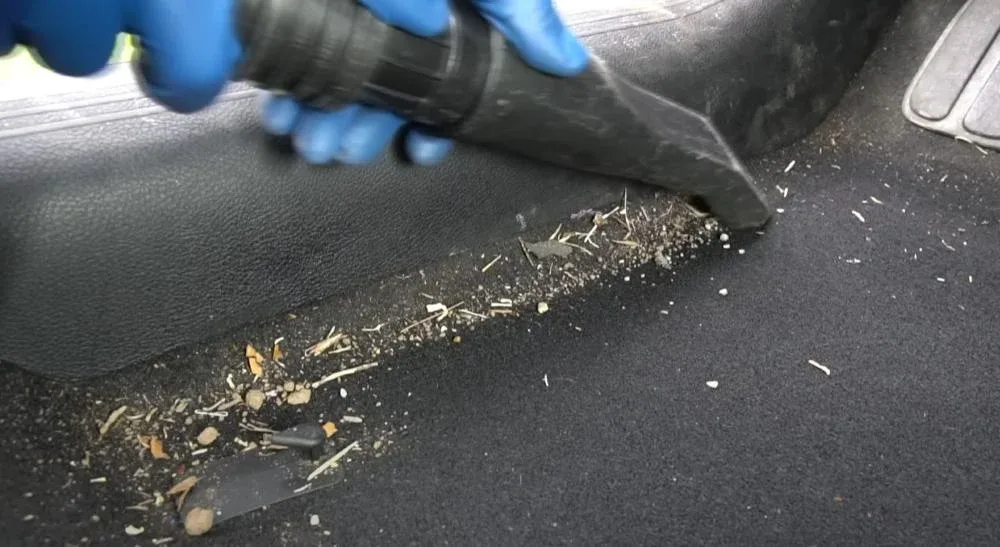
How to Get Sand Out of Car Floor Mats
The complete method is simple: dry the mats, remove loose sand outdoors, vacuum both sides, brush trapped grit free, then clean and dry the mats before reinstalling them.
Start with the mats outside the car. Leaving them in place lets sand fall into the carpet, seat tracks, door pockets, and pedals while you work.
Before handling dirty mats, check whether the mats are wet from seawater or a rinse. Damp sand sticks like flour paste, so place wet mats in a shaded, breezy area until the surface feels dry. Avoid leaving dark rubber mats in harsh sun for hours because heat can warp some materials.
Follow these steps in order:
- Remove every floor mat. Lift slowly so the sand stays on the mat instead of sliding underneath. Place each mat on cardboard, a tarp, or pavement that you can sweep.
- Shake and tap the mats. Hold each mat by a corner and give it several firm shakes. Tap the underside against your palm or a clean tire, not against painted body panels.
- Brush the grooves. Use a stiff nylon brush to sweep sand from channels, raised logos, stitched borders, and heel pads. Brush downward so grit falls away instead of moving deeper into the material.
- Vacuum the top and bottom. Use a shop vacuum or strong household vacuum with a crevice tool. Work slowly around edges, then make overlapping passes across the center.
- Clean the mat surface. Rubber mats can usually take mild soap and water after loose sand is gone. Carpet mats need a light fabric cleaner or small amount of diluted soap, followed by gentle agitation.
- Rinse only when needed. A rinse helps rubber mats with salt residue, but soaking carpet mats can trap moisture beneath the backing.
- Dry completely. Stand mats on edge in moving air. Reinstalling damp mats can create mildew odor and leave moisture under the carpet.
- Vacuum the car floor. Move the front seats forward and backward, then work around seat rails, pedals, door sills, and the mat anchors.
- Check the next day. A few loose grains may shake free after driving. Give the floor a final pass before putting the mats back for good.
A 20-inch-by-12-inch rubber mat with deep channels can hide more sand than a flat carpet mat, so don’t judge cleanliness by the top surface. Run your hand over the grooves after vacuuming, then brush any gritty spots toward the edge.
Pro Tip: Hold a vacuum nozzle just beside the brush while you scrub a stubborn groove. The brush lifts the sand, and the nozzle catches it before it scatters.
Dry Removal Works Better Than Washing First
Dry cleaning removes loose sand with less mess, while early washing can push grit into carpet fibers and mat backing.
Sand is made of hard mineral grains, and water makes those grains cling to fabric. A wet vacuum can lift some of the mess, but it may leave a heavy, sandy slurry inside the mat. Dry removal takes a little patience and gives every later step a cleaner starting point.
Here’s how each mat type responds:
| Mat type | Best first move | Cleaning method | Main drying concern |
|---|---|---|---|
| Rubber or all-weather | Shake, tap, and vacuum | Rinse with mild soap if salt or grime remains | Water trapped in grooves |
| Carpet | Dry fully, then shake and vacuum | Light fabric cleaner with a soft brush | Damp backing under the mat |
| Molded thermoplastic | Brush deep channels and vacuum | Wipe or rinse, based on the care label | Warping from high heat |
| Carpet with rubber backing | Vacuum both sides carefully | Minimal moisture and gentle spot cleaning | Backing separating or staying wet |
When carpet mats hold fine sand, use a soft-bristle brush rather than a wire brush. Wire can pull fibers, scratch rubber backing, or create fuzzy patches that collect even more dirt later.
I once cleaned a set of carpet mats beside a driveway and skipped the second underside pass. The tops looked clean, but a thin tan line appeared along every edge after the mats went back in, because sand had been sitting between the carpet and rubber backing.
That small miss taught me a useful habit: clean the underside before the final top-side vacuum, not after you’ve already put the mat away.
Would a leaf blower work? Yes, but use low pressure and point the air away from the car, open windows, and nearby people. A blower is handy for rubber mats, but it can send fine sand into door seals, seat tracks, and your neighbor’s freshly washed car.
A shop vacuum is usually the better tool because suction gathers the grit instead of relocating it. If the vacuum sounds strained, loses suction, or blows dust from the exhaust, stop and empty the canister or replace the filter before continuing.
The best way to clean carpet car floor mats without soaking them is to remove dry sand first, use only a small amount of cleaner, brush in one direction, and dry the mats on edge. That approach also works well when you need clean carpet car mats without creating a damp smell.
Important Tip: Don’t use compressed air inside a closed car. Blown sand can reach vents, switches, seat tracks, and dashboard gaps that are much harder to clean.
Tools, Trouble Spots, and Better Mat Choices
The right tools make sand removal quicker because each tool handles a different kind of grit.
You don’t need a shelf full of detailing products. A small kit with a vacuum, brush, microfiber towels, mild soap, and a flat work surface covers most beach-trip cleanup.
Keep these supplies nearby:
- Shop vacuum or crevice attachment: Pulls sand from seams, corners, and anchor holes.
- Stiff nylon brush: Loosens dry grains from rubber grooves and carpet fibers.
- Soft upholstery brush: Cleans carpet mats without roughing up the pile.
- Microfiber towels: Wipe rubber surfaces after rinsing without leaving lint.
- Mild dish soap: Cuts sunscreen, food grease, and salt film on rubber mats.
- Tarp or cardboard: Keeps removed sand off your driveway or garage floor.
- Small detailing brush: Reaches mat anchors, seat tracks, and door-sill edges.
- Gloves: Useful when mats contain shells, sharp stones, or old debris.
Sand often hides in places that don’t look dirty at first. Check the front corners of the driver’s mat, the raised edge beside the center console, the rear mat overlap, and the slots around factory retainers.
Run the vacuum nozzle along the floor carpet in one direction, then cross the same area at a right angle. The first pass follows the carpet pile, while the second pass lifts grains caught between fibers.
Why does sand keep coming back after you vacuum? The usual reason is that the first cleanup removed surface grit but missed the carpet beneath the mat or the seat rails beside it. Sand also drops from shoes, beach chairs, towels, and bags after the vehicle looks clean.
A rubber mat with deep channels can be a better fit for beach trips because sand stays contained until you remove the mat. The best car floor mats for sand usually have raised edges, a snug fit, washable material, and grooves that don’t trap grit in narrow blind pockets, which is why these sand-friendly car mats can reduce cleanup time.
The table below gives a practical way to compare common choices:
| Mat style | Sand control | Cleaning speed | Comfort and appearance | Good fit for |
|---|---|---|---|---|
| Flat carpet mat | Fair | Slow | Soft, factory-like look | Dry climates and light dirt |
| Deep-channel rubber mat | Very good | Fast | Practical, firm underfoot | Frequent beach trips |
| Molded all-weather mat | Excellent | Fast | Raised edges and strong coverage | Wet sand, salt, and muddy shoes |
| Universal rubber mat | Good | Fast | May shift or leave gaps | Temporary or budget use |
| Thick carpet mat with backing | Fair | Medium | Quieter, more cushioned | Families wanting a softer feel |
I’d choose a molded mat with a raised lip if you visit the beach often. A flat carpet mat looks nice, but it gives fine sand more room to spread and takes longer to dry after a rinse.
Cleaning The Car Carpet Under The Mats
The carpet under the mats needs dry vacuuming before any liquid cleaner touches it. Sand under the driver’s feet can grind into the carpet as you press the brake, clutch, or accelerator, which may wear the fibers and leave a gritty feel.
Slide the seat forward, vacuum the exposed area, then slide the seat back and repeat. Use a narrow attachment around the seat rails, but don’t force the nozzle into electrical connectors or wiring beneath the seat.
If a damp towel is needed, wring it until it feels barely moist and wipe one small area at a time. Follow with a dry towel and open doors for ventilation.
Avoid soaking vehicle carpet because the padding below can hold water long after the surface feels dry. A lingering musty smell often means moisture remains under the visible carpet, not that the surface needs stronger perfume.
What Not To Do
Some shortcuts create more work:
- Don’t hose carpet mats before shaking out dry sand.
- Don’t beat mats against painted doors or quarter panels.
- Don’t use a stiff wire brush on carpet fibers.
- Don’t reinstall mats while the underside feels cool or damp.
- Don’t vacuum large shells or pebbles through a narrow household attachment.
- Don’t spray tire shine or oily dressing on floor mats because shoes can slip.
If sharp shells or glass are mixed with the sand, wear gloves and pick out large pieces before vacuuming. A vacuum can handle fine grit, but hard debris may damage a small interior vacuum or become a flying hazard when blown out.
A Simple Beach-Day Routine That Prevents Sand
The easiest sand cleanup happens before the car gets dirty, with a few small habits that keep loose grit outside.
Keep a washable tote for towels, toys, chairs, and shoes. Shake towels and mats away from the vehicle, brush feet before getting in, and place damp items in a sealed bin instead of loose on the floor.
A quick routine takes less time than a full cleanup:
- Knock sand from shoes before opening the door.
- Store beach gear in a plastic tote or heavy bag.
- Keep a small hand brush in the trunk.
- Shake towels outdoors, not beside the open door.
- Remove mats the same day if they’re wet or heavily sandy.
- Give the floor a short vacuum before sand reaches the seat tracks.
One habit makes a surprisingly big difference: put the cleanest person in the driver’s seat only after shoes have been brushed. The driver’s mat gets the most pressure, so fine sand there turns into a grinding layer quickly.
Pro Tip: A rubber boot tray in the cargo area keeps wet, sandy gear away from the cabin floor. Empty the tray outside and rinse it separately from the vehicle.
A small amount of sand isn’t a crisis. If you remove it while dry, you’ll usually avoid stains, odors, and hours of detail work.
- Remove mats before vacuuming the car floor.
- Dry sand first, then use water only where the material allows it.
- Brush grooves, seams, and mat undersides instead of cleaning only the visible top.
- Raised-edge rubber mats usually make repeated beach cleanup easier.
FAQs About How to Get Sand Out of Car Floor Mats
Can I vacuum sand from car mats while the mats are wet?
No, dry the mats first whenever possible. Wet sand clumps together, sticks to carpet fibers, and can clog a small vacuum faster than loose grit. Rubber mats can be rinsed after dry removal, but carpet mats need careful moisture control and complete drying.
What is the best vacuum attachment for sand in car mats?
A crevice tool works best for narrow grooves, corners, and edges, while a wider floor nozzle covers flat carpet quickly. Use a brush attachment on delicate carpet fibers, and empty the vacuum when suction drops because a packed filter leaves sand behind.
Can I use a pressure washer on rubber car floor mats?
Yes, a pressure washer can clean sturdy rubber mats, but keep the spray away from thin edges and inspect the care label first. Use moderate pressure, rinse from the cleanest area toward the dirtiest edge, and let the mats dry fully before they return to the car.
How do I remove sand from carpet under the floor mats?
Remove the mats, slide the seats to expose hidden areas, and vacuum the carpet in two directions. Use a detailing brush around seat rails and mat anchors, then wipe only small stained spots with a barely damp towel so padding doesn’t hold water.
Why does my car still smell after cleaning sandy mats?
A lingering smell usually means moisture remains in the mat backing, vehicle carpet, or padding below the carpet. Remove the mats, increase airflow with the doors open, and dry every layer fully before using any odor product.
Are rubber floor mats better than carpet mats for beach sand?
Rubber floor mats are usually better for frequent beach trips because raised edges contain sand and the material tolerates rinsing. Carpet mats feel softer and look more like factory trim, but carpet fibers and backing take longer to clean and dry.
Make the Next Beach Cleanup Easier
Getting sand out of car floor mats doesn’t require fancy equipment. The winning order is dry, shake, brush, vacuum, clean, and dry, with the car floor handled only after the mats are out of the way.
My practical pick is a raised-edge rubber mat for regular beach use, plus a small brush stored in the trunk. For occasional trips, the mats you already own can stay in good shape if you remove dry sand before washing and never put damp mats back in the car.
The single clearest next step is to remove the mats outside and run your hand across every groove and edge. If you feel grit, brush it loose before the vacuum gets involved.