
A floor mat entrapment recall can make a vehicle unsafe when a loose, wrong-size, or damaged mat blocks the accelerator or brake pedal. Check your vehicle identification number, inspect every mat, confirm the correct attachment points, and stop driving if a mat interferes with pedal movement.
Have you felt a mat bunch up under your foot, or noticed the accelerator staying down after you lifted your shoe? Are you trying to sort out whether a recall applies to your car, a mat you bought separately, or both?
I once rushed through a floor mat swap before a long drive and skipped the little retention clips because the holes looked close enough. The mat crept forward, folded into a thick ridge near the pedals, and gave me a nasty jolt at the first stop sign. That shortcut was my mistake, and it’s a common one, not a dumb one.
I wrote this guide for anyone who wants a plain answer without decoding a recall notice or crawling under the dashboard with a flashlight. You’ll learn how to check for a floor mat entrapment recall, confirm that a repair was completed, and spot a dangerous fit before the road does it for you.
Get this right and you gain reliable pedal travel, a cleaner cabin, and a lot more confidence behind the wheel. Skip the check and a mat can slide beneath a pedal, keep the accelerator from releasing, or make braking awkward when every inch matters.
This article takes about 9 minutes to read, and it will help you:
- Check recall status through the vehicle identification number.
- Inspect mats, clips, hooks, and pedal clearance.
- Separate a factory recall from a simple fit problem.
- Handle a stuck pedal safely if a mat moves while driving.
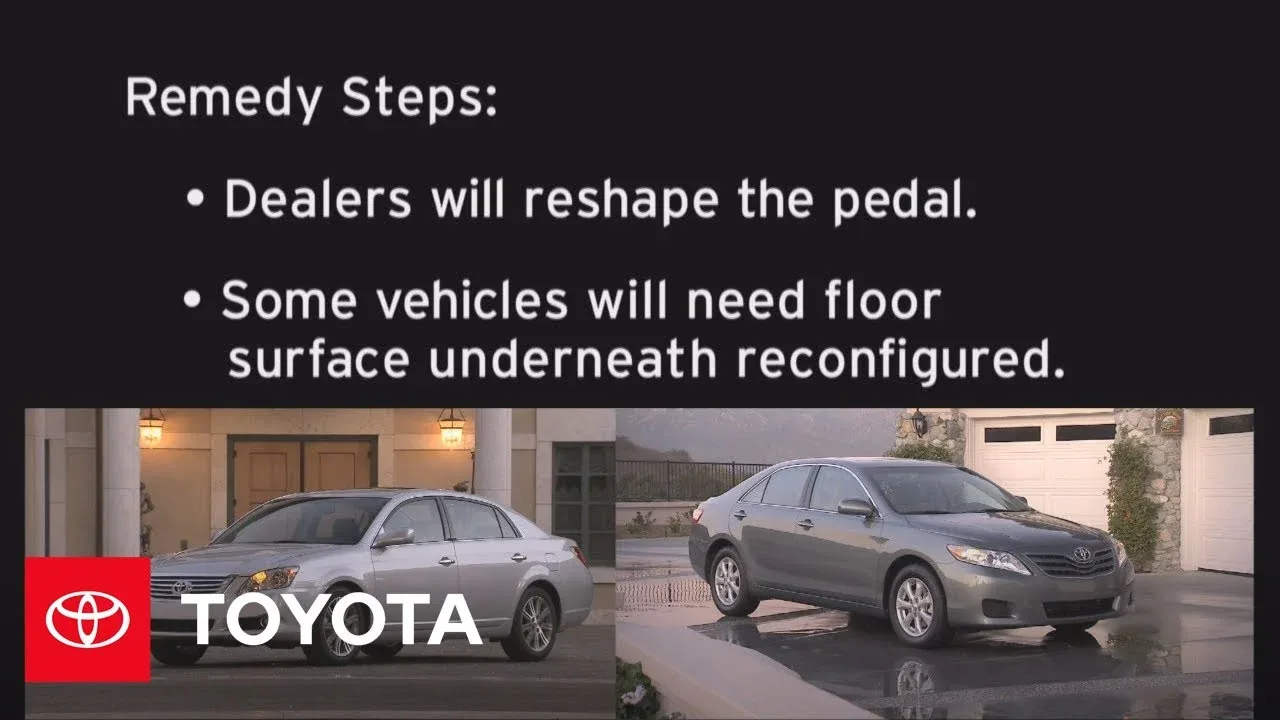
Floor Mat Entrapment Recall: What It Means and What to Do
A floor mat entrapment recall means a vehicle or mat design may allow a floor mat to interfere with accelerator or brake pedal movement, so you should confirm the vehicle’s recall status and inspect the mat before driving.
A floor mat entrapment problem happens when a mat slides forward, folds, overlaps another mat, catches on a pedal, or sits too high beneath the pedal arm. The most serious version involves the accelerator pedal, because the pedal may not return normally after you lift your foot.
Start with the vehicle identification number, usually called the VIN. The VIN is a 17-character code tied to one specific vehicle, and you can usually find it at the lower edge of the windshield, on the driver-door label, or in registration paperwork.
Use the VIN with the vehicle maker’s official recall lookup or a government recall database. A dealer can also check the record, which helps when an online result is unclear or the vehicle has changed owners.
A recall notice normally identifies the affected model range, the hazard, and the repair offered at no charge through an authorized dealer. A recall may involve the vehicle’s mat retention system, a supplied mat, pedal shape, or instructions about using only one compatible mat in each footwell.
A recall notice is different from a general complaint about a slippery mat. A loose aftermarket mat may be unsafe even when no recall applies, while a recalled vehicle may need a dealer repair even if the mat looks fine today.
Check the record in this order:
- Write down the VIN exactly, including every letter and number.
- Run the VIN through an official recall search or ask a dealer to check it.
- Read the recall description, not just the status line.
- Confirm whether the remedy is complete, incomplete, or unavailable.
- Ask the dealer what parts and mat arrangement the repair requires.
- Keep the repair paperwork with the vehicle records.
A recall marked “remedy available” means you should arrange the repair. A record marked “remedy completed” means the listed repair was logged, but you should still inspect the mat after cleaning, moving seats, or installing replacement carpet.
Once the vehicle record is clear, inspect how the mat sits in the footwell. A mat should lie flat, match the floor shape, and stay behind the pedals during normal foot movement.
A sliding mat deserves attention even when no recall appears in the VIN search. Correct positioning, factory retention points, and a single properly fitted mat do more to protect pedal clearance than a thick universal mat ever will. If your mat keeps shifting, these steps on keeping car floor mats still cover the fit and attachment habits that stop forward creep.
- A VIN check tells you whether the vehicle has an open recall, but it doesn’t replace a physical mat inspection.
- A mat can create a serious pedal problem without a formal recall.
- Never stack mats or use a mat that misses the vehicle’s retention points.
How to Check the Mat and Pedals Safely
A hands-on inspection can catch most floor mat entrapment risks in a few minutes, with the engine off and the vehicle parked on level ground.
Park outside or in a well-ventilated area, switch the engine off, set the parking brake, and place the transmission in Park or neutral as appropriate. Keep your hands and clothing away from moving parts, and don’t test pedal movement with the vehicle in gear.
Pull the driver’s mat out and inspect the top, underside, edges, and attachment holes. Look for curled corners, torn openings, melted backing, worn rubber spikes, trapped dirt, and sections that have become soft or wavy.
Then check the footwell itself. A loose coin, bottle, tool, floor liner edge, or chunk of ice can create the same kind of interference as a bad mat.
Move each pedal through its full travel by hand only while the engine is off and your footwell is clear. The accelerator should return freely, and the brake pedal should move without rubbing the mat or liner.
Use this simple inspection list:
- The mat matches the vehicle’s make, model, and seating position.
- The driver’s mat is the only mat on the driver-side floor.
- Retention clips, hooks, or posts are present and locked.
- The mat cannot slide forward toward the pedals.
- The accelerator pedal clears the mat at rest and full travel.
- The brake pedal does not catch an edge or raised ridge.
- The mat does not extend behind or over the pedal arms.
- The rear edge sits flat against the floor.
Are the mat holes lined up but the mat still moves? That often means a worn clip, stretched hole, missing retainer, or wrong mat shape is letting the attachment fail under pressure.
A retention system is the set of clips, hooks, posts, or fasteners that holds the mat in its designed position. Retention systems vary by vehicle, so a homemade tie, screw, adhesive strip, or universal clip may create a new snag point instead of fixing the old one.
Don’t trim a mat around the pedals unless the vehicle maker specifically provides that procedure. Cutting can expose a rough edge, weaken the attachment area, or leave a flap that folds under the accelerator.
I once inspected a vehicle where the mat looked tidy from above, but the underside had a split around one retention hole. The mat stayed put during a quick glance and shifted as soon as the driver pressed hard on the brake, which taught me to inspect the underside every time.
If your mat has started sliding, first remove it and drive only if the bare floor is safe and clear for that vehicle. A temporary bare floor is far safer than putting a loose mat back under the pedals.
A mat that gets caught beneath a pedal needs more than a quick shove backward. The cause may be an incorrect shape, stacked mats, a missing retainer, or a damaged pedal-side edge, and each cause needs a different fix. These instructions on preventing mats from catching pedals explain the attachment and placement checks that reduce the risk.
Recall Repairs, Replacement Mats, and Common Mistakes
The right repair depends on what caused the interference, so follow the recall remedy and replace any mat that no longer fits or locks correctly.
A dealer may install updated retainers, replace a floor mat, modify a pedal-related part, provide revised instructions, or use a combination of those steps. The repair should match the recall notice for that specific VIN, not a similar vehicle parked in the same driveway.
Bring every driver-side mat to the appointment if the notice concerns mat fit. A dealer may need to identify the original equipment mat, compare retention points, or remove a nonapproved mat before completing the work.
| Situation | Why it creates risk | Better action |
|---|---|---|
| Two mats stacked together | The top mat can slide or fold near the pedals | Remove the extra mat |
| Universal mat with poor fit | Edges may curl into pedal travel | Use a vehicle-specific replacement |
| Missing retention clip | The mat can creep toward the pedals | Replace the clip or ask a dealer |
| Torn attachment hole | The mat may pull free under foot pressure | Replace the mat |
| Thick liner over a thin mat | Combined height can limit pedal clearance | Use one compatible floor covering |
| Wet, warped, or frozen mat | Shape and grip can change suddenly | Remove, dry, and inspect it |
| Mat behind the accelerator | The pedal may not return freely | Stop driving and remove the mat |
A vehicle-specific mat is shaped for a particular model and seating position, with attachment holes and edges placed to match that footwell. A universal mat may work in some cars, but “close enough” is a poor standard beside a pedal.
Never place a cargo mat, rear-seat mat, or passenger mat in the driver’s footwell. The dimensions, backing, and attachment layout can differ even when the material looks identical.
Don’t rely on weight alone. A heavy rubber mat can still move if the retention holes miss their posts or if the backing becomes slippery with water and grit.
Cleaning can also cause trouble. A soaked carpet mat may stay curved after drying, while a rubber mat coated in tire shine, silicone spray, or oily cleaner can lose grip against the carpet.
Pro Tip: Clean the floor beneath the mat before reinstalling it, then press the mat firmly onto every retention point. Dirt around a clip can make a locked mat feel secure when it isn’t.
Would an extra fastener solve the problem? Usually, adding a homemade fastener is a bad trade because a screw, hook, or cord can snag footwear or interfere with the pedal arm. Use the retention parts designed for the vehicle, or replace the mat with a properly fitted one.
A recall repair does not make an incorrect accessory safe. If you install aftermarket mats after the repair, check that the new mat does not cover the original retention points or sit on top of the factory mat.
What to Do If A Pedal Gets Stuck
If a pedal feels stuck while driving, shift your attention to controlling the vehicle, not to pulling at the mat with your hand.
A stuck accelerator demands quick, calm action:
- Press the brake pedal firmly with both feet if needed, without pumping the brakes.
- Shift the transmission into neutral, not Park.
- Steer toward a safe place away from traffic.
- Stop the engine once the vehicle is controlled, following the vehicle manual’s procedure.
- Turn on hazard lights and call for help.
- Do not drive again until the pedal, mat, and footwell have been inspected.
The exact engine-shutoff method can vary by vehicle, especially with push-button systems. Learn that procedure from the owner’s manual before an emergency, and ask a qualified technician to inspect the vehicle after any pedal entrapment.
A brake pedal that feels blocked is also a stop-driving problem. Don’t keep moving while trying to kick a mat backward, because your foot can catch the edge and make steering or braking less predictable.
Important Tip: Never reach down to yank a mat free while the vehicle is moving. Pulling the mat can twist your ankle, bump another pedal, or distract you from traffic.
After stopping, photograph the mat’s position before moving it if doing so is safe. Record the vehicle VIN, mat brand, part number, and what the pedal did, then give that information to the dealer or repair shop.
A recall report may cover the vehicle, but a separate mat failure may need its own product complaint or replacement request. Keep receipts and repair paperwork, especially when a replacement mat was sold as vehicle-specific.
How To Avoid A Repeat Problem
Check the driver’s mat after vacuuming, detailing, seat adjustment, or seasonal mat changes. Those simple events can leave a mat sitting over a post instead of secured to it.
Use these habits:
- Remove the driver’s mat before cleaning the carpet.
- Let wet mats dry flat before reinstalling them.
- Match each mat to its labeled seating position.
- Replace bent clips instead of forcing the mat into place.
- Keep loose objects out of the driver’s footwell.
- Check pedal clearance after any accessory installation.
I’d choose a slightly less plush mat that locks down correctly over a thick liner that looks luxurious but creeps forward. Pedal clearance wins every time, and nobody gets bonus points for a soft footwell during a panic stop.
FAQs About Floor Mat Entrapment Recall
How do I check a floor mat entrapment recall?
Check the vehicle identification number through the vehicle maker’s official recall lookup or a government recall database, then ask a dealer to confirm the result. Read the remedy details and status, because an open recall may need a dealer repair even when the floor mat looks normal.
Can a floor mat cause unintended acceleration?
Yes, a floor mat can hold an accelerator pedal down or limit its return when the mat slides, folds, overlaps another mat, or misses its retention points. Unintended acceleration can have other mechanical or electronic causes, so a qualified technician should inspect the vehicle after any stuck-pedal event.
Is a universal car mat safe?
A universal car mat is safe only when the mat fits the driver’s footwell, clears every pedal, and locks to the vehicle’s retention points without shifting. A mat that needs trimming, overlaps another mat, curls at the front edge, or lacks proper attachment should not remain under the pedals.
Should I remove the floor mat if a recall is open?
Yes, remove a driver’s floor mat if the recall notice or inspection shows that the mat can interfere with pedal travel. Ask the dealer whether the vehicle can be driven without the mat and arrange the repair promptly, especially if the mat has already moved or caught a pedal.
Does a completed recall mean any replacement mat is safe?
No, a completed vehicle recall does not make every replacement mat safe. A new mat still needs the correct shape, thickness, retention holes, and pedal clearance, and you should never stack it over the original driver’s mat.
Make the Driver’S Footwell Boring Again
A safe floor mat should be almost forgettable: flat, attached, correctly shaped, and nowhere near the pedal arms. Check the VIN, inspect the mat from both sides, and treat any shifting, curling, or pedal contact as a reason to stop and fix the problem.
My practical choice is simple: use one vehicle-specific driver’s mat with working retention points, keep the footwell clear, and confirm the recall repair with a dealer when the record shows an open issue. Take five minutes before your next drive to press each clip into place and check full pedal movement. That small habit can prevent a frightening surprise when you need the pedals most.