
A typical fiberglass tonneau cover weighs about 50 to 100 pounds, though some large or heavily framed models fall outside that range. The exact weight depends on the truck bed, shell construction, and mounting hardware.
Are you trying to figure out if you can remove the cover by yourself, or whether the weight will strain your truck’s payload limit? Those are two different questions, and both are worth checking before you start lifting.
I once tried to take a rigid truck-bed cover off without sorting out where I’d set it down. The awkward lift was only half the problem; the other half was balancing a broad, slippery shell while hunting for a safe place to put it. That’s a common mistake, not a dumb one.
I wrote this for anyone shopping for a fiberglass cover, moving one between trucks, or trying to remove one without a headache. You’ll get a realistic weight range and a practical way to check the specific model instead of relying on a guess.
If you get the weight right, you can plan a safer lift, protect the paint around your bed rails, and avoid buying a cover that’s a pain to remove. Skip that check, and a manageable job can turn into a dropped shell or a strained back.
This takes about 9 minutes to read. By the end, you’ll know how to:
- Estimate a cover’s weight before you buy it.
- Find the reliable weight for a specific model.
- Plan removal, storage, and installation around its size.
- Compare fiberglass covers with other hard-cover styles.
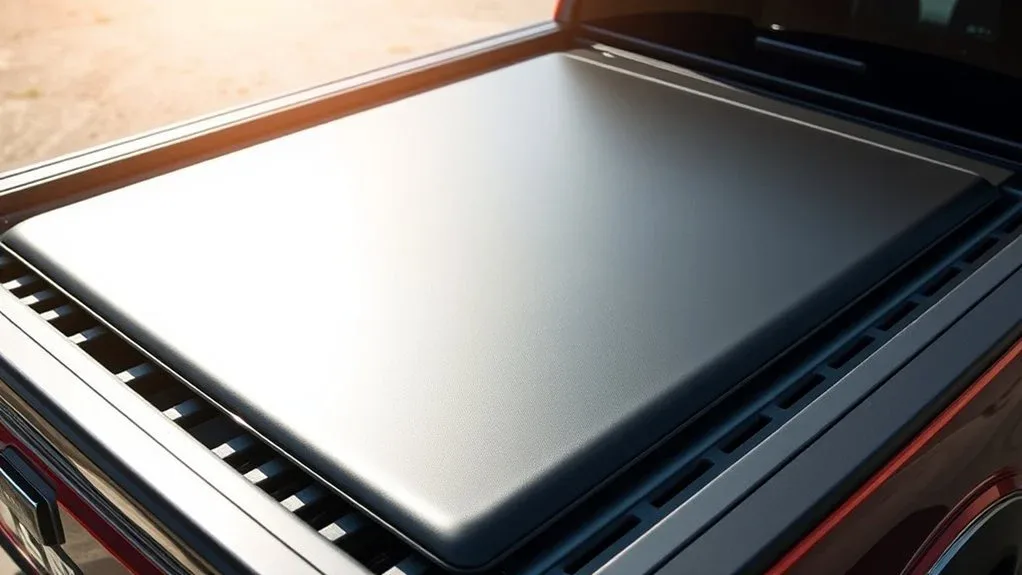
How Much Does A Fiberglass Tonneau Cover Weigh? the Typical Range
A fiberglass tonneau cover usually weighs about 50 to 100 pounds, but the manufacturer’s listed weight is the figure to use for a particular cover. A short-bed, thin-shell cover may land near the lower end, while a larger cover with a reinforced frame and more hardware can weigh more.
That range is useful for planning, not a substitute for the product specification. A cover made for a full-size crew-cab truck may be much wider than one for a compact pickup, and even covers that look alike can use different shell thicknesses and support frames.
| Cover setup | Rough planning weight | What can change the weight |
|---|---|---|
| Smaller or lighter fiberglass shell | About 50–70 pounds | Bed length, shell thickness, and hardware |
| Typical full-size fiberglass tonneau cover | About 60–100 pounds | Frame design, latches, and reinforcement |
| Large or heavily reinforced cover | 100 pounds or more | Added structure, dimensions, and accessories |
These are broad estimates, not weights for a specific make or model. A manufacturer may list the shell alone, while another may include rails, clamps, or other pieces in the total.
One detail trips people up: fiberglass tonneau cover can mean a low-profile bed lid, but buyers sometimes use similar language for a taller fiberglass truck cap. A cap covers more of the bed’s height and has a larger shell, so don’t use a tonneau-cover estimate for a cap.
To find the exact figure, check the product manual, spec sheet, or the label on the cover. If the listing doesn’t say whether its weight includes rails and mounting parts, ask the seller or manufacturer before arranging pickup.
What Changes the Weight of A Fiberglass Cover
A cover’s weight comes from its size, shell construction, frame, and attached parts. Two covers for the same bed can differ because one has a thicker shell or more reinforcement beneath it.
The shell is the formed outer panel. Fiberglass is a composite material: glass fibers are set in resin to make a rigid surface, and manufacturers can add layers or support structures where the shell needs more stiffness.
Other weight factors include:
- Bed size: A larger bed needs a wider or longer cover, which generally means more material.
- Frame and reinforcement: Internal ribs, perimeter rails, or a stronger support structure add weight.
- Finish: A painted or gel-coated surface is part of the product, but its overall effect varies by design.
- Hardware: Hinges, latches, struts, clamps, and rails all contribute to the installed weight.
- Added accessories: A rack, lighting, or other add-on can change the total carried by the cover.
A cover’s appearance won’t tell you its weight with much accuracy. A smooth top can hide a sturdy frame underneath, and a thick-looking edge doesn’t prove the whole shell is heavy.
I once focused too much on the shell when trying to judge a cover’s heft and overlooked the rail and latch setup. Handling the assembly felt different from handling the bare lid, which reminded me to check what the listed weight actually includes. That’s why I’d compare complete installed setups, not just the panel.
Does the listed weight include the mounting rails? Check the product details, because some listings give the panel weight and others describe the complete assembly. That distinction matters if you’re lifting the cover off the truck or comparing payload figures.
If you’re deciding between styles, start with what you need the cover to do, then compare the weight and removal setup. A roundup of the best hard tonneau covers can help you weigh different hard-cover designs, while a separate price comparison can show how the cost of a hard tonneau cover fits your budget.
How to Check Weight and Plan A Safe Lift
The safest way to plan around a cover’s weight is to find the exact model information before moving it. If you can’t confirm the listed weight, treat the cover as a bulky two-person lift rather than guessing that one person can manage it.
Use these steps before buying or removing a cover:
- Identify the model. Look for a brand label, model name, or part number on the underside, manual, or original sales paperwork.
- Check what the weight covers. Confirm whether the stated figure includes rails, clamps, hinges, or other hardware.
- Confirm the truck bed size. Match the cover to the bed length and cab configuration, since similar truck names can have different bed dimensions.
- Plan where the cover will go. Clear a level spot and prepare padded supports before lifting; a broad shell is awkward to set down after you’ve already picked it up.
- Get help when needed. If you can’t keep the cover level and controlled, ask another adult or use a lifting aid suited to the cover and truck.
Before moving the cover, remove loose items from the bed and check the product instructions for release points. Don’t yank on a hinge or strut to free a stuck lid; that can damage the mounting hardware or make the shell shift suddenly.
A payload rating is the maximum weight the truck is designed to carry, including occupants, cargo, and installed equipment. The cover’s weight counts toward that total, but the truck’s door-jamb label and owner’s manual are the right places to check your specific limits.
If you’re worried about lifting alone, what’s the safer move? Leave the cover installed until you have help or a suitable lift, rather than trying to muscle a wide shell over the bed rail. A cover can be manageable on a scale and still awkward in your hands.
Pro Tip: Take a photo of the hinge, latch, and rail arrangement before removal. That quick reference can save you a frustrating round of guesswork when you reinstall the cover.
Fiberglass Covers Compared with Other Bed Covers
Fiberglass covers are rigid and often give a finished, painted look, but the word “fiberglass” doesn’t tell you how easily a cover can be removed. A one-piece lid has a different handling routine from a folding cover or a rolling cover.
| Cover style | Typical handling | Useful trade-off |
|---|---|---|
| One-piece fiberglass | Lift the full shell as one unit | Rigid lid, but broad and awkward to store |
| Folding hard cover | Fold sections, then remove or secure as directed | Sections may be easier to handle, depending on the model |
| Rolling hard cover | Retract along the bed rails | Stays attached during use, with a different rail and canister setup |
| Soft tonneau cover | Usually lighter and more flexible | Easier to handle, but offers a different level of rigidity |
These are general design differences, not a promise about any specific model’s security, weather sealing, or load rating. Check the product instructions for those details, especially if you plan to put cargo on top.
A fiberglass lid can make sense if you want a solid cover that matches the truck’s appearance. I’d choose a different style if frequent solo removal is high on your list, because even a relatively light one-piece shell can be tough to control in a breeze or tight garage.
Storage deserves a little thought, too. Don’t lean a large shell against a wall unless the product instructions allow that position and it’s supported securely; an unstable cover can slide, scrape its finish, or fall.
Important Tip: Don’t treat a closed cover as a seat, step, or cargo platform unless the manufacturer specifically lists that use and its weight limit. A rigid surface can still crack or fail if it’s loaded in a way the design wasn’t made to handle.
Key Takeaways:
- A fiberglass tonneau cover often weighs about 50 to 100 pounds, but the model specification is the best source.
- The bed size, shell, frame, and included hardware affect the total.
- Plan the lift and storage spot before removing a one-piece cover.
- Count installed equipment as part of the truck’s payload.
FAQs About How Much Does A Fiberglass Tonneau Cover Weigh
Can one person remove a fiberglass tonneau cover?
Sometimes, but a one-piece fiberglass tonneau cover can be awkward even when its weight seems manageable. The shell is broad, and its edges may be hard to grip. Follow the manufacturer’s removal instructions, and get help or use a suitable lifting aid if you can’t keep the cover level.
Does a fiberglass tonneau cover affect payload?
Yes, a fiberglass tonneau cover adds weight to the truck, so it uses part of the available payload. Payload also includes people and cargo. Check the truck’s door-jamb label and owner’s manual for its limits, and use the cover’s actual installed weight rather than a general estimate.
Is a fiberglass tonneau cover heavier than a soft cover?
Usually, a rigid fiberglass tonneau cover weighs more than a soft fabric cover because it uses a solid shell and may include a frame and hardware. The gap depends on the models being compared, so check each product’s listed weight instead of assuming every cover in a style weighs the same.
How can I weigh a tonneau cover without a scale?
You can check the model’s manual, product specification, or manufacturer information first. If you need a measured weight and can’t find a listing, a vehicle or freight scale may help, but ask how to weigh the cover safely. Don’t balance a bulky shell on a household scale.
Does the bed length change the cover’s weight?
Yes, bed length can affect weight because a longer cover usually needs more material or support. The exact difference depends on the shell and frame design. When buying a replacement, match the cover to the truck’s bed dimensions and confirm the model’s weight for that specific fit.
Make the Weight Work for Your Setup
A fiberglass tonneau cover can be a solid choice if you want a rigid lid and don’t mind planning around its size. I’d base the decision on the exact model’s weight, how often you’ll remove it, and whether you have a safe place to store it, rather than on appearance alone.
Your next step is simple: find the cover’s model number and confirm whether its listed weight includes the mounting parts. If you’re shopping, compare that figure with your truck’s payload and your own lifting setup. A few minutes checking those details can save you a clumsy lift, a scratched bed rail, or a cover that turns out to be more hassle than you wanted.