
A tonneau cover that does not match your truck’s bed can leave gaps, refuse to latch, or turn installation into an afternoon of checking measurements twice. Pick the wrong opening style and you may have to remove the cover just to haul something tall. A poor fit is more than an eyesore: it can mean cargo gets wet or dusty, and returning a large cover is no small chore.
Bed length and exact truck configuration matter more than a cover’s sleek photos. Next, decide whether you want rigid folding panels or a soft cover that rolls away, since those choices change how much of the bed you can open and how you handle bulky cargo.
Here’s what this guide will help you sort out:
- How to confirm bed length, model year, and bed exclusions before ordering.
- What hard folding, soft folding, and roll-up designs make easier or harder.
- Which fit and installation details deserve a second look.
- How to care for the cover and keep access working as intended.
Quick Picks
-
Best For Flush Hard Cover
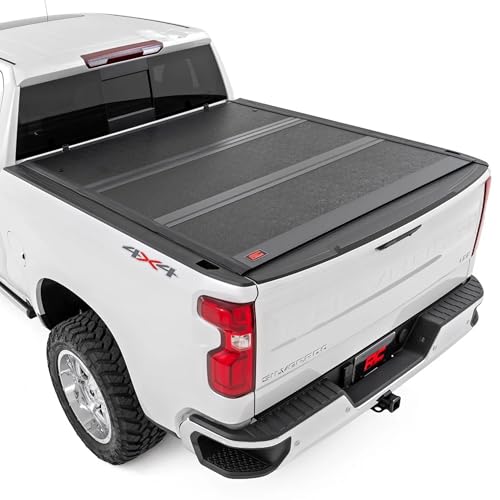
Rough Country Hard Low Profile Tri-Fold Tonneau
Matte-black aluminum panels fold open in sections, giving Silverado and Sierra owners a flush look with flexible bed access.
-
Best For F-150 Owners

Tutel Low Profile Hard Shell Folding Truck
Solid-core hard panels fold back for bed access, while clamp-on installation suits compatible F-150 owners who want a low profile.
Top 5 Low Profile Tonneau Covers at a Glance
Start with the cover made for your exact truck and bed length, then choose the access style you prefer. Rough Country and Tutel are hard-panel options, Toptiny is another hard-folding choice, and Gator and Tyger use soft roll-up designs with different fit details.
| Product image | Product name | Check product |
|---|---|---|
| 1 |
Rough Country Hard Low Profile Tri-Fold Tonneau | Check Price |
| 2 |
Tutel Low Profile Hard Shell Folding Truck | Check Price |
3 |
Toptiny Low Profile Hard Folding Truck Bed | Check Price |
4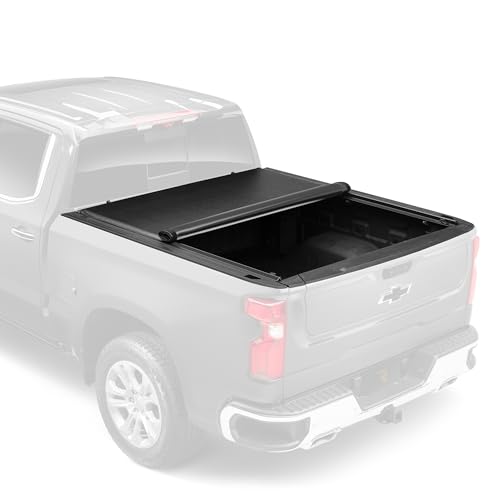 |
Gator Soft Roll Up Truck Bed Tonneau | Check Price |
5 |
Tyger Auto T2 Low Profile Soft Roll-up | Check Price |
5 Best Low Profile Tonneau Covers: Detailed Reviews
When choosing the best low profile tonneau cover, I paid closest attention to vehicle fit, how the cover opens, how the rails attach, and what the materials mean for everyday use. A bed-length mismatch can spoil the fit, while an opening style that clashes with your hauling habits can make a covered bed frustrating to use.
These picks include hard panels and soft covers, along with fitments for different trucks and bed lengths. Reading them side by side helps you separate a clean flush appearance from the practical details that matter after installation, such as access, bedliner needs, tailgate compatibility, and how much cargo you can uncover at once.
1. Rough Country Hard Low Profile Tri-Fold Tonneau
Matte-black aluminum panels fold open in sections, giving Silverado and Sierra owners a flush look with flexible bed access.
- ColorMatte Black
- Size5’10” Short Bed
- Number Of Items1
- WeightNot listed; check details
The Rough Country Tri-Fold is a hard aluminum cover for owners of compatible 2019–2026 Chevy Silverado or GMC Sierra 1500 trucks with a 5’10” bed. Its matte-black panels sit low against the bed rails, so the truck gets a cleaner profile than a raised cover without giving up the structure of a hard-panel design.
The tri-fold layout means the cover folds into sections rather than rolling into a bundle. You can open it fully or fold it partway, and built-in safety straps hold it in the stated two-thirds-open position while driving; that gives you more flexibility when a load needs extra room. The panels also use an auto-latching system, and an interior cable pull releases them for bed access.
In ordinary terms, that is a pull-cord release instead of having to reach around the cover to find a latch.
The integrated rail system clamps on without drilling, and included drain tubes are intended to manage water at the rails. Those details can make installation less intimidating, but do not assume a cover is waterproof: check the instructions, seal placement, and truck-bed setup. Fit exclusions are important here: the cover does not fit EV or CarbonPro bed models, and the stated bed length must match your truck.
Pros:
- Aluminum panels, giving the cover a rigid construction.
- Flush matte-black design, keeping the bed profile low.
- Two-thirds-open position, allowing some bulky cargo access.
- Interior cable release, helping you open the bed quickly.
- No-drill rail mounting, avoiding holes in the truck bed.
- Included drain tubes, directing water away from the rails.
Cons:
- Made for a specific Silverado and Sierra bed length.
- Not compatible with EV or CarbonPro bed models.
- Rigid panels do not roll away from the full bed.
Buy it if: you own a compatible 5’10” Silverado or Sierra bed and want hard aluminum panels with partway access.
Skip it if: you have an EV, CarbonPro bed, or a different bed length, because the stated fit does not cover your truck, and a cover matched to your exact configuration would suit you better. For another fit, consider Tutel or Toptiny.
I’d pick the Rough Country Tri-Fold when a low, rigid cover and flexible partial opening matter more than rolling the whole cover out of the way. The aluminum panels and cable release are useful details for a beginner who wants straightforward access. Confirm your exact model year and bed type before ordering, especially if your truck has a special bed package.
This is the strongest starting point for compatible Silverado and Sierra owners who want a hard folding design.
2. Tutel Low Profile Hard Shell Folding Truck
Solid-core hard panels fold back for bed access, while clamp-on installation suits compatible F-150 owners who want a low profile.
- ColorBlack
- SizeF-150 5.5FT Bed
- Number Of Items1
- WeightNot listed; check details
The Tutel Hard Folding is a low-profile hard cover for a Ford F-150 with the specified 5.5-foot bed. The solid-core panels create a rigid surface, while the flush fit keeps the cover close to the bed rather than adding a tall-looking lid.
The panels fold back in seconds, according to the product description, so you can reach the bed without rolling up a soft tarp. That convenience has a trade-off: folded panels still occupy some bed space, so think about whether your usual cargo needs the entire opening clear. The clamp-on rails install without drilling, which means the basic process is to clamp the rails to the bed, fasten the cover, unfold it, and lock it in place.
Read the truck-specific directions carefully, since rail position affects how well a cover sits and latches.
The hard shell is described as a barrier against rain, snow, dust, and UV rays, but no tonneau cover should be treated as a guarantee that the bed stays completely dry in every storm. Check the seal contact and drainage after installation. This Tutel cover also lists a limited lifetime warranty; read the actual terms to see what is covered and what maintenance or exclusions apply.
Pros:
- Solid-core hard panels, providing a rigid cover surface.
- Low-profile fit, keeping the cover close to the bed.
- Folding access, avoiding a full-length roll-up tarp.
- Clamp-on installation, with no drilling described.
- Limited lifetime warranty listed, with terms to review.
Cons:
- Fit is limited to the stated F-150 bed configuration.
- Folded hard panels still take up some bed space.
- Warranty coverage depends on its written terms.
Buy it if: you have a compatible F-150 5.5-foot bed and prefer hard panels that fold open without drilling.
Skip it if: you often need the entire bed opening unobstructed, because folding panels remain over part of the bed, and a roll-up cover would suit you better. Rough and Toptiny are worth a closer look instead.
What I like about the Tutel Hard Folding is that it pairs hard panels with a no-drill clamp-on setup for its specific F-150 fit. That can be a sensible combination if you want a rigid cover but do not want to make holes in the bed. The key check is the exact 5.5-foot bed fit, followed by the warranty terms and the amount of space the folded panels leave open.
F-150 owners who value a hard cover should give this one a close look.
3. Toptiny Low Profile Hard Folding Truck Bed
The catalog lists Toptiny Low Profile Tonneau Cover Compatible with 2019 – 2027 Chevy/GMC Silverado/Sierra 1500 5’8″ Bed (69.6″). Compare fit and care needs before choosing.
- Size5.8FT Bed
- Color2019-2027 1500
- Number Of Items1
- WeightNot listed; check details
The Toptiny Hard Folding is a low-profile hard cover designed for listed 2019–2027 Chevy and GMC 1500 trucks with a 5’8″ bed. Its solid-core panels sit flush with the bed, making it a different bed-length choice from the Rough Country cover above, not a substitute for checking your truck’s measurements.
The panels fold back when you need access, so you can uncover the bed without detaching the entire cover. A folded panel stack still occupies part of the bed, though, which is worth remembering if you haul tall equipment or wide loads often. The installation uses clamped rails and bolts, with no drilling described.
That sounds simple on paper, but keeping both rails even and centered is the part to slow down for; a rushed, crooked installation can affect how the panels close.
The cover is described as having solid-core hard panels and a low profile, and its feature information includes a limited lifetime warranty and US-based customer support. Those are useful points to investigate, not a reason to skip the fine print. The fit note specifically excludes CarbonPro beds, so check for that configuration and confirm the 5’8″ bed before buying.
Pros:
- Solid-core panels, giving the cover a hard surface.
- Flush low-profile design, keeping the cover close to the rails.
- Folding access, so the cover need not be removed for ordinary use.
- No-drill installation, using clamped rails and bolts.
- Limited lifetime warranty listed, with terms to check.
Cons:**
- Designed for a specific 5’8″ bed fit.
- Does not fit CarbonPro beds.
- Folded panels do not clear the entire bed opening.
Buy it if: you have a compatible Silverado or Sierra 1500 with a 5’8″ bed and want a hard folding cover.
Skip it if: your truck has a CarbonPro bed or a different bed length, because the listed fit excludes your setup, and a cover specified for your exact bed would suit you better. If those trade-offs rule it out, Rough or Tutel may suit you better.
To me, the Toptiny Hard Folding earns its place for owners who need the 5’8″ fit and want solid panels rather than a soft roll-up top. Its no-drill rail setup can be approachable, but careful alignment still matters. Verify your bed length and CarbonPro status, and look over the warranty terms before placing an order.
Choose it when those fit details line up and the partial opening works for your cargo.
4. Gator Soft Roll Up Truck Bed Tonneau
The catalog lists Vehicle-Specific Fit: Designed for 2019-2026 Chevy/GMC Silverado/Sierra 5’10” beds, this soft cover delivers r. Compare fit and care needs before choosing.
- ColorBlack
- Size5′ 10″ Bed
- Number Of Items1
- WeightNot listed; check details
The Gator Soft Roll-Up is a vinyl cover for compatible 2019–2026 Chevy and GMC Silverado or Sierra trucks with a 5’10” bed. Instead of folding rigid panels, the cover rolls toward the cab, which can leave more of the bed opening clear when you need to carry a bulky item.
A spring-loaded tension system helps keep the cover surface tight and reduces sag, while the reinforced hook-and-loop closure holds the edges down. Hook-and-loop is the familiar fabric fastener used on many everyday items; here it runs along the sides to secure the cover. The cover also has adjustable GEARHOLD cargo keepers, which are intended to help stop tools or groceries from sliding around.
That feature is useful for loose cargo, though it does not replace securing heavy loads properly.
The clamp-on installation is described as requiring no drilling. A soft vinyl cover has a different feel and structure from aluminum or solid-core panels, so consider the type of cargo and level of rigidity you want before deciding. Fit still comes first: check that your truck is within the stated year range and has the specified 5’10” bed.
Pros:
- Roll-up access, uncovering more of the bed opening.
- Spring-loaded tension, helping the surface stay tight.
- Reinforced hook-and-loop sides, securing the cover edges.
- Adjustable cargo keepers, helping control small loose items.
- No-drill clamp-on installation, avoiding bed holes.
Cons:
- Soft vinyl does not provide the rigid surface of hard panels.
- Fit is limited to the stated truck years and bed length.
- Hook-and-loop edges need to be kept clear of debris.
Buy it if: you have a compatible 5’10” Silverado or Sierra and prefer rolling the cover away for wider bed access.
Skip it if: you want rigid hard panels over your cargo, because this cover uses soft vinyl, and a hard folding cover would suit you better.
I’d choose the Gator Soft Roll-Up for someone who values opening most of the bed more than having rigid panels. The spring tension and adjustable cargo keepers give the design practical details beyond simply covering the bed. Before buying, confirm that your truck falls within the fit range and decide whether soft vinyl suits the cargo you carry.
It makes the most sense for owners who want roll-away access and a low profile.
5. Tyger Auto T2 Low Profile Soft Roll-up
The catalog lists FITMENT – {{ Enter the LICENSE PLATE in the Amazon Confirmed Fit tool at the top of this page and SELECT BED t. Compare fit and care needs before choosing.
- ColorBlack
- Size5.9ft Bed
- Number Of Items1
- PowerFITMENT – {{ Enter the LICENSE PLATE in the Amazon Confirmed Fit tool at the top of this page and SELECT BED t
The Tyger T2 Roll-Up is a soft cover made for specified 2019–2027 Chevy Silverado and GMC Sierra 1500 configurations with a 5’10” bed. Its dual-coated marine-grade vinyl rolls up with built-in crossbars, so the bed can be opened more fully than with a folding hard-panel design.
The crossbars are horizontal supports beneath the vinyl, helping the cover hold its shape instead of hanging as one unsupported sheet. The cover also has an adjustable tension system at the end of the side rails, so you can tighten the surface to reduce wrinkles. A tailgate latch secures the rear, while side Velcro strips hold the edges down.
In plain terms, the cover uses a combination of support bars, tension adjustment, and simple fasteners to keep the soft top in place.
Fit exclusions need a careful read. This cover is not compatible with 2019 Silverado 1500 LD or Sierra 1500 Limited models, CarbonPro beds, or factory side storage boxes, and fitting it interferes with a power tailgate. An over-the-bedrail bedliner may also need small holes cut so the clamps can attach properly; an under-the-bedrail liner does not require that modification according to the fit notes.
The listed US-customer warranty is five years, so check the written terms before purchase.
Pros:
- Marine-grade vinyl, giving the cover a soft roll-up surface.
- Built-in crossbars, supporting the cover across the bed.
- Adjustable tension, helping reduce wrinkles in the vinyl.
- Rolls up for broad bed access when needed.
- Five-year US-customer warranty listed, with terms to review.
Cons:
- Does not fit the listed LD, Limited, CarbonPro, or side-box configurations.
- Interferes with a power tailgate.
- Over-the-bedrail liners may need small holes for clamps.
Buy it if: you have a compatible 5’10” Silverado or Sierra and want a soft cover that rolls up for bed access.
Skip it if: you have a power tailgate, excluded bed configuration, or do not want to alter an over-the-bedrail liner, because those fit notes may rule it out, and a compatible cover for your setup would suit you better.
The Tyger T2 Roll-Up has a useful mix of full access and adjustable tension, which makes the soft-cover format easy to understand. I’d be especially careful with the exclusions, since a factory side box, power tailgate, or bedliner can change whether installation works for you. Check the truck fit and warranty terms before ordering rather than treating the shared bed length as enough proof.
This cover is for owners whose configuration matches and who want a roll-up design.
How to Choose the Best Low Profile Tonneau Cover
The best low profile tonneau cover is the one made for your exact truck, bed, and tailgate setup, with an opening style that suits the loads you carry. A low profile alone does not confirm fit or tell you whether the cover will leave enough room for your gear.
Confirm the truck and bed fit
Start with the truck’s make, model year, trim or special bed configuration, and measured bed length. Bed lengths that sound close can still use different rail positions or cover dimensions, so do not round a 5’8″ bed up to 5’10” or assume a stated 5.9-foot size matches a nominal 6-foot bed.
Check the truck manual, purchase documents, or a reliable measurement from the inside of the bed rather than measuring the exterior body. Compare the exact number and exclusions in the cover’s fit details, including special beds such as CarbonPro and factory side storage boxes. If a listing names several model years, confirm your year and cab/bed combination are included rather than relying on the truck name alone.
A fit check should also include the tailgate. Some covers meet the closed tailgate in a particular way, and the Tyger T2’s stated fit notes warn that the cover interferes with a power tailgate. If you rely on an automatic tailgate, treat compatibility as a must-answer question before buying, not a small detail to resolve after installation.
Choose hard panels or a soft cover
Hard panels use rigid sections, while soft covers use a flexible vinyl top supported by rails or bars. A hard folding design gives you a firm surface and can open partway, but folded sections remain over part of the bed. A soft roll-up design can open more of the bed, though its surface is not rigid.
Think about the cargo you actually haul. If your usual load is groceries, bags, or ordinary gear that fits below the closed cover, either style may work. If you often carry tall objects, check how the cover folds or rolls and whether the opened position leaves the room you need.
For a closer look at rigid options and their trade-offs, see hard tonneau cover choices. If you already know you want rigid folding panels, hard folding cover details can help you focus on how that style opens and occupies bed space.
Decide how much access you need
A tri-fold or hard folding cover gives access in sections, while a roll-up cover gathers toward the cab. Ask yourself whether you usually need a small opening to reach a tool, a two-thirds opening for larger cargo, or nearly the full bed available.
Do not treat “folds back” and “full access” as interchangeable. A folded stack can still sit over some of the bed, and a roll-up cover may still have rails or bars along the sides. If you carry anything that sticks above the bed rails, check the manufacturer’s instructions for the approved open position and any safety straps before driving.
Look at the rails, liner, and installation
A clamp-on or no-drill installation generally avoids putting holes in the bed, but the truck’s bedliner can affect how the clamps fit. The Tyger T2 notes that an over-the-bedrail liner may need small holes cut for proper clamp attachment; an under-the-bedrail liner does not require that modification according to its fit notes.
Before choosing, identify whether your liner sits over or under the bed rails. Also check whether bed rail caps, tie-downs, accessory tracks, or factory storage boxes share the same space as the cover rails. If you are unsure, compare those features with the installation directions and ask a qualified installer before buying rather than discovering an interference halfway through the job.
“No drilling” does not mean no setup. You still need to center rails, place clamps correctly, and check that the cover closes without binding. If you do not have the tools or room to work safely, consider having the installation done by someone familiar with truck-bed covers.
Consider materials, seals, and upkeep
Aluminum or solid-core hard panels feel different from coated vinyl, but material alone does not guarantee a dry bed. Water control also depends on the fit, edge seals, tailgate area, drain paths, and correct installation. Look for clearly described drain tubes, tension adjustment, or side closures, then check how the instructions say to maintain them.
For soft covers, inspect how the sides fasten and whether the tension can be adjusted. For folding covers, look at the panel joints, latches, and drain arrangement. If you park outdoors, think about sun, snow, and debris exposure and how often you are willing to clear and inspect the cover.
Warranty language should be treated as a set of conditions, not an automatic promise that every issue is covered. Read the term length, exclusions, required care, and whether coverage applies to your use. The listed warranty is one part of the decision; the correct fit and a suitable access style still come first.
How to Use a Low Profile Tonneau Cover for the Best Results
Use the cover as its directions describe: close it fully for ordinary travel, secure any open position with the specified straps or latches, and do not load beyond the truck’s limits. A few simple checks make access easier and help avoid damage from forcing a latch or driving with a loose panel.
- Read the instructions before opening anything. Identify the latch, release, straps, and any approved open positions. Product designs differ, so do not assume a folding cover secures like a roll-up cover.
- Check that the bed is clear at the rails. Remove grit, leaves, and loose straps that could sit between a seal and the bed edge. A small obstruction can keep a cover from sitting evenly.
- Open the cover using its release points. For a hard folding cover, release the latch or cable as directed instead of pulling up on a panel edge. For a roll-up design, release the tailgate latch and undo the side fastening as instructed.
- Secure the cover in any open driving position. Use the included straps or retainers when the instructions call for them. Never assume a partly open cover will stay put just because it feels snug by hand.
- Keep cargo below the cover when closing it. Check for handles, boxes, or straps sticking up along the rails. If something presses against a panel or vinyl surface, rearrange the load instead of forcing the cover shut.
- Close and check the latches. Walk along the rear edge and make sure the cover is fully engaged. On a soft cover, check the sides as well so the edges are secured and tension is even.
- Check the bed after rain or a wash. Look for water near the tailgate, rails, and cargo. If you see a leak, first check for a shifted seal, debris, or a drain tube that has come loose, then follow the cover instructions.
- Recheck after carrying a large load. Cargo can shift against rails or straps. Before the next trip, make sure the cover and clamps remain secure and that nothing is caught in a fold or latch.
A tonneau cover can shield cargo from weather and keep items less visible, but it is not a substitute for a locked toolbox or careful cargo security. Do not leave valuables unattended based on the cover alone. Use the truck’s normal locking practices and secure heavy cargo independently.
How to Make Your Low Profile Tonneau Cover Last Longer
Keep the cover clean, operate it without forcing parts, and inspect the rails and fasteners on a regular schedule. Small bits of grit can interfere with seals and latches, while neglecting a loose clamp can let the cover shift.
After dusty trips, heavy rain, or winter road use, rinse dirt and road salt from the cover and rails with clean water. Use the cleaning method recommended in the cover instructions, especially for vinyl; a harsh cleaner or rough scrubber can damage a finish or fastening strip. Dry the areas where water collects if the care directions call for it.
Check the seals and edges about once a month during regular use. Look for dirt lodged in the contact area, lifted edges, or a drain tube that has become disconnected. Clear debris gently and put parts back as directed; do not stretch a seal or bend a rail to make it sit differently.
Every few months, or after a long drive on rough roads, inspect clamps, rail alignment, and latches. Tighten hardware only as the instructions specify. Over-tightening can be as unhelpful as leaving a fastener loose, and improvised replacements may not fit the rail system correctly.
For a soft roll-up cover, keep the vinyl free of sharp objects and avoid rolling it while frozen or stiff unless the instructions allow it. Check the tension setting if the surface begins to look loose or wrinkled, and adjust it as directed. Make sure the side fasteners are clean enough to connect properly.
For hard folding panels, open and close the sections gently and keep the hinges and latch areas clear of grit. Do not use a panel as a step or place concentrated weight on it unless the cover maker specifically allows that use. A hard surface is not the same as a rated platform.
When the truck is parked for an extended period, close and latch the cover if the directions recommend that position. Keep the bed and rail area clear of branches, snow buildup, and other heavy debris. If a part becomes damaged or no longer latches, stop using an unsafe open position and get the correct repair guidance rather than improvising a strap or clamp.
Common Mistakes to Avoid When Buying and Using a Low Profile Tonneau Cover
The most expensive mistakes usually start with assuming a truck name or bed-length label is enough to guarantee fit. Check the full setup before ordering and use the cover as designed after it arrives.
- Buying by truck make alone: The same truck line can have several bed lengths and exclusions. Match model year, exact bed, and special-bed details before ordering.
- Rounding bed measurements: A 5’8″ fit and a 5’10” fit are not interchangeable. Use the stated measurement and confirm the truck’s actual bed configuration.
- Ignoring a power tailgate or side box: Hardware can interfere with factory features. Read every exclusion and verify the cover will not block something you use.
- Forgetting about the bedliner: Some over-the-rail liners can change clamp installation. Identify your liner style and confirm whether it needs modification before you start.
- Choosing only by appearance: A low cover can look tidy but still open in a way that frustrates your hauling routine. Decide how much of the bed needs to be clear most often.
- Assuming the cover makes the bed waterproof: Seals and drainage reduce water entry but cannot promise a completely dry bed in every condition. Protect sensitive cargo separately and inspect the bed after rain.
- Forcing a latch or panel: A blocked seal or misaligned rail may be the cause. Clear the obstruction and check the setup before applying more force.
- Driving with an unsecured open cover: A partly folded or rolled cover can move if its retainers are not used. Secure it exactly as the instructions say before driving.
How to Set Up a Low Profile Tonneau Cover
Most clamp-on covers need careful alignment, even when no drilling is required. Plan on having enough room to work along both sides of the bed, and ask another person to help lift or position large panels when the instructions recommend it.
- Confirm the truck fit one last time. Match the year, model, bed length, and exclusions to your truck. Stop if the bed or factory accessories do not match the specified configuration.
- Unpack the parts and read the directions. Lay out rails, clamps, seals, drain tubes, and fasteners so you can identify each piece. Do not rely on a generic installation video for a different cover.
- Clean the bed rails and contact points. Remove dirt, loose liner material, and old adhesive where the instructions say the cover sits. Starting with a clean surface helps the rails and seals seat evenly.
- Position the side rails without tightening everything immediately. Follow the specified front and rear placement and keep both sides level. The common stumbling point is tightening one side first and leaving the other rail out of line.
- Install clamps in the stated positions. Use the correct clamp orientation and tighten them as directed. If your liner interferes, do not cut or modify it unless the instructions for your exact cover call for that change.
- Attach or unfold the cover and check its alignment. Close it gently and compare the gaps along the sides and tailgate. If one corner sits higher or a latch misses, adjust the rails before final tightening.
- Fit the seals and drainage parts. Place seals where the directions show and route drain tubes so water can flow away from the bed. Avoid pinching a tube or directing it into a blocked area.
- Test every latch and open position. Open and close the cover several times, then secure any approved driving position with its straps or retainers. Recheck clamps after the first few trips, following the maker’s maintenance directions.
If the cover does not sit squarely after reasonable adjustment, do not force the panels down or use extra hardware to pull the rails into place. Recheck the fit and installation steps, then contact the maker or a qualified installer if the cause is not clear. A clean fit is worth a few extra minutes before the first drive.
Common Questions About Low Profile Tonneau Covers
Are low profile tonneau covers waterproof?
No, a low profile tonneau cover should not be assumed to make a truck bed completely waterproof. Seals and drain tubes can help manage water, but fit, installation, tailgate gaps, and weather all matter. Check the bed after rain and keep sensitive items in separate waterproof storage when they cannot get wet.
How do I know which bed length to buy?
Match the cover’s stated bed length to your truck’s exact configuration, not a rounded estimate. Check your truck documents or measure the inside bed length as directed by the manufacturer, then confirm year, trim, special-bed exclusions, and accessories. A difference of a few inches can mean the rails and latches will not line up.
Is a hard folding cover better than a soft roll-up cover?
Neither style is better for every truck owner. Hard folding panels offer a rigid cover surface but may remain over part of the bed when open. A soft roll-up cover can clear more of the opening, but it does not provide rigid panels.
Choose based on cargo access and the cover’s exact fit.
Can I install a tonneau cover with a bedliner?
Often, but the liner’s position can affect how the clamps attach. An over-the-bedrail liner may need a different installation approach from an under-the-bedrail liner, and some cover instructions call for small modifications. Identify your liner before buying and follow the instructions for that specific cover rather than guessing.
How often should I clean and inspect a tonneau cover?
Rinse away dirt, road salt, and debris after exposure, then inspect the rails, seals, latches, and fasteners about once a month during regular use. Check again after rough-road trips or whenever the cover begins to sit unevenly. Follow the cover’s care instructions because vinyl and hard-panel finishes may need different cleaning methods.
Can I drive with a tonneau cover partly open?
Only drive with a cover partly open if its instructions allow that position and you have secured it with the specified straps or retainers. Some folding designs describe an approved two-thirds-open position, while other designs may require the cover to be fully closed. Never rely on friction or a quick tug as proof that it is secure.
Before You Order, Check the Bed
Take a few minutes to confirm your truck’s year, bed length, special-bed features, tailgate type, and liner style against the cover’s fit notes. Then choose the opening style that matches the cargo you carry most often, and save the installation directions so you can check the rails and latches before your first drive.