
Most TruXedo tonneau covers adjust with tension controls near the front of the side rails, but the control and turning direction vary by model. Make small, even adjustments on both sides, then close the cover and check that it sits flat and latches without a struggle.
Is your cover sagging after a stretch of hot weather, or does the tailgate latch suddenly feel too tight? A little tension adjustment can often help, but cranking the controls at random can make the fit worse.
I once tried to fix a loose cover by tightening one side more than the other. The cover rolled up crooked, and I had to backtrack and reset both sides before the tailgate would close cleanly. That’s a common mistake, not a dumb one.
I wrote this guide to help you adjust the cover without guessing, forcing a latch, or wasting time on a problem that actually comes from how the cover is installed. You’ll get a clear way to check the fit, make small changes, and spot when your model needs a different fix.
Get the tension right, and the cover should lie flatter, roll smoothly, and close securely. Skip the basic checks, though, and you can end up fighting the latch or masking a rail-alignment problem.
This takes about 10 minutes to read. By the end, you’ll know how to:
- Find the tension controls on your cover.
- Make balanced adjustments and test the fit.
- Tell tension problems from alignment or wear.
- Decide when to stop and check your model’s instructions.
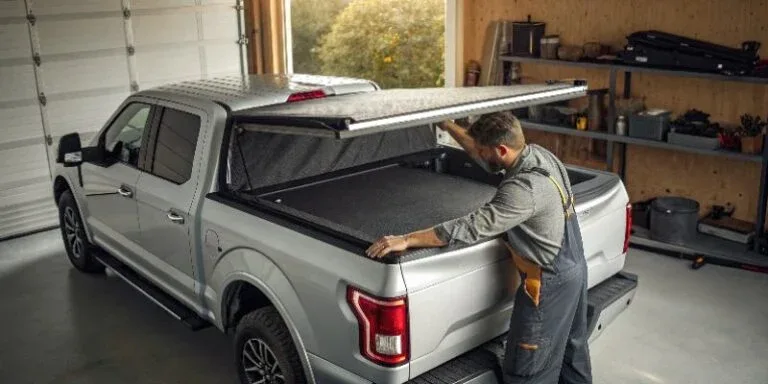
How to Adjust Tension on TruXedo Tonneau Cover
Adjust the tension controls in small, even steps, then close the cover and check the fit; the exact adjuster and direction depend on your TruXedo model. A cover that’s too loose may sag or wrinkle, while one that’s too tight may resist latching or put extra strain on its parts.
Start with the tension control, the mechanism that changes how firmly the cover fabric is stretched between the rails. Many TruXedo models have controls near the front of the side rails, but their shape and access can differ.
- Park on level ground and secure the truck. Keep the vehicle stationary while you work, and don’t adjust the cover with the tailgate or cover in a position that could shift unexpectedly.
- Identify your model. Check the label, paperwork, or model-specific instructions before turning anything. If your cover uses a different system from the one described here, follow its instructions rather than forcing a knob or lever.
- Inspect the cover before adjusting. Look along both rails for obvious misalignment, trapped fabric, loose hardware, or a latch that isn’t engaging properly. Tension adjustment won’t correct a bent rail or an incorrectly seated part.
- Open or roll back the cover as your model’s instructions direct. Find the tension controls, then note their starting positions so you can return to them if needed.
- Make the same small change on both sides. Turn each control only in the direction your model’s markings or instructions specify. Many models use clockwise rotation to increase tension, but don’t assume that applies to yours.
- Close the cover and check the result. The fabric should lie evenly, and the latch should close without excessive force. If the fit got worse, reverse the last adjustment rather than making a larger one.
- Repeat only if needed. Adjust a little at a time, checking both sides after each change. Stop when the cover lies flat and the latch works normally.
The aim isn’t to make the fabric drum-tight. A small amount of give is normal, and fabric tension can shift with temperature. If you tighten the cover as much as possible, you may make the latch harder to use without fixing the real cause of the sag.
Pro Tip: Take a quick phone photo of both adjusters before you start. If the cover rolls unevenly afterward, you’ll have a record of where each control began.
What a good fit looks like
A properly adjusted cover should sit evenly from side to side and close without needing you to lean on the tailgate. The fabric shouldn’t hang in a deep pocket, bunch up at the edges, or pull sharply at one corner.
Check the cover when it’s fully closed, then roll it open and closed once to make sure the fabric tracks smoothly. If one side tightens while the other stays loose, return to the starting point and check rail alignment before making another adjustment.
Temperature can change how taut a fabric cover feels. A cover that seems snug on a cool morning may feel tighter in the afternoon sun, so judge the fit in the conditions where you normally use the truck.
Find the Cause Before You Turn an Adjuster
Tension controls fix tension, not every cover problem. If the cover sags in one spot, sits crooked, or won’t latch, check the fabric path, rails, and hardware before changing the setting.
A side rail is the long track mounted along each bed rail; the cover uses those tracks to stay aligned as it closes and rolls. If a rail has shifted or the cover isn’t seated evenly, tightening the fabric can pull the cover farther out of line.
When I checked a cover that wouldn’t latch, I initially focused on the fabric because it looked loose near the tailgate. The rail position was the real issue, and changing tension first would have made the latch fight even harder.
| What you notice | What to check first | What to do |
|---|---|---|
| Fabric sags evenly | Temperature, fabric tension, and both adjusters | Make a small, even adjustment if the model instructions allow it |
| One side looks tighter | Rail alignment, cover seating, and adjuster positions | Compare both sides and correct uneven setup before tightening |
| Wrinkles or ripples | Fabric caught along a rail or uneven tension | Check the fabric path, then adjust both sides evenly if needed |
| Tailgate latch feels too tight | Excessive tension, latch alignment, or an obstruction | Don’t force the latch; inspect the fit and back off an adjustment if appropriate |
| Cover won’t latch | Rail position, latch parts, and how the cover meets the tailgate | Correct the fit or follow the model-specific instructions |
| Water remains pooled | Cover sag, bed setup, or drainage path | Check the cover’s shape and truck-bed drainage rather than tightening blindly |
If the cover rolls unevenly, check whether the fabric is feeding into the roll straight. If one edge climbs or bunches, stop and correct that path before closing the cover again.
Are you trying to fix a gap at the tailgate by tightening the front controls? That can miss the actual problem, since the gap may come from the cover’s position or latch setup rather than fabric tension.
Know when the model instructions matter
TruXedo uses different cover designs, and their adjustment steps aren’t all interchangeable. A knob, lever, or tension block may look familiar but still need a different adjustment sequence.
Use your cover’s model name to find the matching instructions, especially if you can’t identify the adjusters or if turning them doesn’t change the fabric tension. Stop if a part feels stuck, starts to bend, or needs unusual force; forcing it can damage the control or rail.
If your cover is damaged, has loose or missing hardware, or remains crooked after you check the setup, contact TruXedo or a qualified installer. A tension adjustment can’t repair torn fabric, a broken latch, or damaged mounting parts.
Keep the Fit Consistent Through Weather and Use
A cover’s fit can change as fabric warms, cools, and settles, so a one-time adjustment may not be the last one. Check the cover after major temperature shifts or after you notice a new sag, wrinkle, or change in how the latch closes.
If the cover lies flat and works normally, leave the controls alone. Repeatedly tightening a cover that already fits can add strain without giving you a useful improvement.
Before adjusting, clear the truck bed edge and cover rails of dirt or anything caught in the fabric path. Afterward, close the cover gently and check that it rolls and latches as expected.
Important Tip: Don’t use a heat gun or other concentrated heat to stretch or tighten the cover fabric. Heat can damage the material, and it won’t fix a rail or latch problem.
Are you replacing a cover rather than adjusting the one you have? Compare how you use the truck, how the cover opens, and what kind of fit you want before choosing from soft tonneau cover options or comparing TruXedo cover choices.
When adjustment isn’t the right fix
Tension adjustment is worth trying when the cover is generally aligned and the fabric is simply too loose or too tight. It’s not the right first move if the cover has a tear, a bent rail, hardware that has come loose, or a latch that no longer lines up.
A cover that stays crooked after you return the controls to an even position needs a closer look at installation and rail fit. If the model instructions don’t explain the part you’re seeing, ask a qualified installer rather than turning an unknown control.
- Check your model instructions before changing a tension setting.
- Adjust both sides evenly, in small steps.
- A crooked cover or stubborn latch may point to alignment, not tension.
- Stop if a control binds, bends, or fails to change the fit.
FAQs About How to Adjust Tension on TruXedo Tonneau Cover
Which way do I turn the TruXedo tension adjuster?
The turning direction depends on the TruXedo model. Many models increase tension with a clockwise turn, but check the model’s instructions or markings before you adjust. Make small, matching changes on both sides, then close the cover to judge the result instead of relying on how the adjuster feels.
How tight should a TruXedo tonneau cover be?
A TruXedo cover should lie evenly across the bed and latch without excessive force. The fabric doesn’t need to feel drum-tight, and some give is normal. If the cover looks flat but the latch becomes difficult to close, stop tightening and check the latch position and rail alignment.
Why is my TruXedo cover sagging in the middle?
A sagging TruXedo cover may need a small tension adjustment, but temperature, fabric seating, rail position, or cover wear can also affect the fit. Check that the fabric runs straight and the rails are aligned before turning the controls. If sag persists after the correct adjustment, inspect the cover for damage.
Can I adjust a TruXedo cover while it’s closed?
The adjustment position depends on the model, so follow that cover’s instructions for whether it should be open, rolled back, or closed. Don’t reach around a moving cover or turn a control while the cover can shift unexpectedly. Once you’ve adjusted it, close the cover and test the latch gently.
Should I adjust tension when the cover is hot or cold?
Use the temperature conditions in which you normally operate the truck as your guide, since fabric can feel different as it warms or cools. Don’t make a large adjustment just because the cover feels tighter on a hot day. Check that it still lies evenly and latches normally before changing the setting.
Make One Small Change, Then Check the Fit
A TruXedo tonneau cover usually needs a careful adjustment, not a hard crank. Confirm the model, inspect the rails and fabric path, and change both tension controls evenly only when the cover’s instructions call for it.
In my view, the best test is simple: the cover lies flat, rolls smoothly, and latches without a wrestling match. If it doesn’t, don’t keep adding tension to force a better result. Check the setup again, and get help if the hardware is damaged or the controls don’t work as expected.
Your next step is to identify the exact cover model and keep its instructions nearby before making a change. That gives you a clear starting point, protects the cover from guesswork, and makes a small adjustment much easier to undo if the fit moves the wrong way.