
A tonneau cover usually flaps because its tension is too loose, a latch or rail has shifted, or air is getting under the cover. Park safely, check the cover and its hardware, then adjust the tension a little at a time.
Does the noise start only at highway speed, or does the cover lift even on a calm road? Either clue can help you tell a simple tension issue from a loose clamp or damaged part.
I once tried to quiet a soft cover by tightening one side before checking the other. The cover looked snug, but the uneven pull made the opposite edge flutter worse, and I had to undo the adjustment and start over. That’s a common mistake, not a dumb one.
I wrote this to help you track down the cause without guessing or cranking every knob as tight as it’ll go. You’ll get a practical order of checks that works for many pickup covers, along with signs that a part needs repair or replacement.
If you get the fit right, you can cut the noise, reduce wear on the fabric, and keep the cover from lifting while you drive. Skip the inspection and a loose latch or damaged rail can turn a small annoyance into a cover that won’t stay shut.
This takes about 9 minutes to read. You’ll come away knowing how to:
- Find the source of flapping instead of treating the noise alone.
- Adjust cover tension evenly without overtightening it.
- Spot loose hardware, worn seals, and damaged cover material.
- Decide when a repair is better left to a shop.
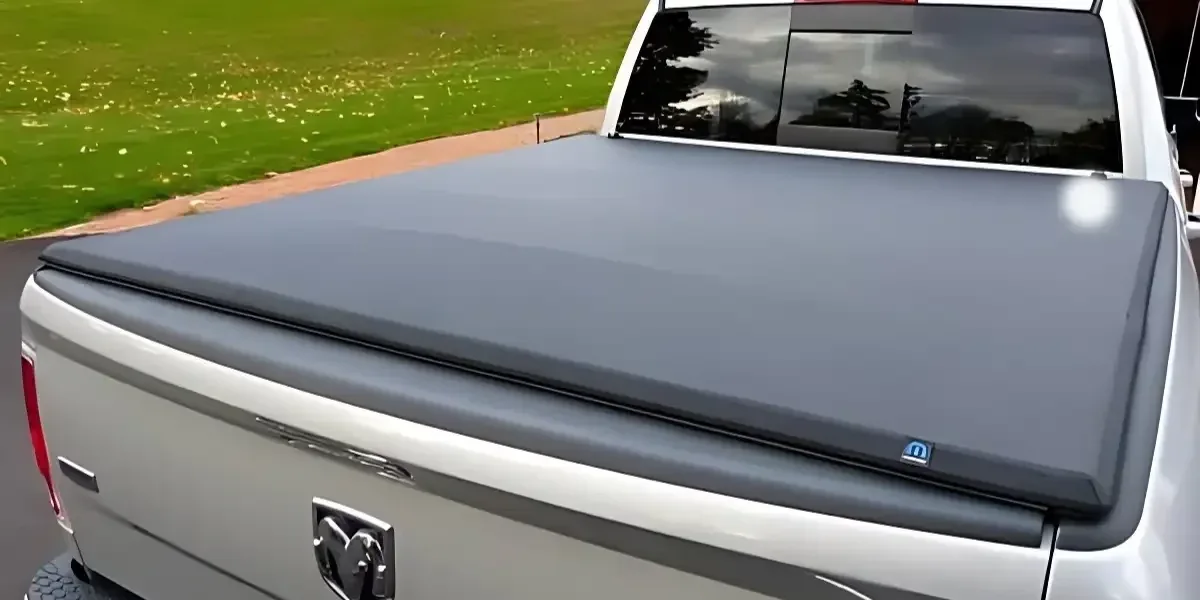
How Do I Stop My Tonneau Cover from Flapping
To stop a tonneau cover from flapping, park the truck, check that the cover is seated and latched, inspect its rails and clamps, and adjust tension evenly according to the cover’s instructions. Make small adjustments, close the cover, and test it at a safe speed before making another change.
A tonneau cover is the panel or fabric system that covers a pickup bed. Soft roll-up covers and folding covers often use adjustable tension, while hard covers may rely more on latches, hinges, and a secure fit.
Work through these checks in order:
- Park on level ground and turn off the truck. Don’t reach across a cover or work beside traffic; move to a safe parking area first.
- Clear the bed rails. Remove debris, straps, or cargo that could hold the cover up or keep it from closing.
- Close and latch the cover fully. Check both sides, especially the corners near the tailgate. A latch can look closed while its hook misses the rail.
- Inspect rails, clamps, and bows. Look for a shifted rail, loose clamp, bent support, or anything that sits higher on one side.
- Check the tension setting. If the cover is visibly slack, adjust it in small, matching steps on both sides, following the maker’s directions.
- Close the cover again and check the fit. The cover should lie evenly, with its edges seated and the latches engaged.
- Test cautiously. Start with a short, low-speed drive in a safe place. Stop and recheck if the cover lifts, shifts, or makes a new noise.
A cover that’s still flapping after these checks may have a worn seal, damaged fabric, a bent support, or a part that’s no longer holding its setting. Don’t keep tightening it to hide a problem you can’t identify.
Pro Tip: Take a quick photo of the rail, latch, and tension setting before you adjust anything. If the change makes the fit worse, you’ll have a useful reference for putting it back.
Find the Cause Before You Adjust Anything
A tonneau cover usually flaps because something is loose, uneven, or letting air catch the cover’s underside. Matching the noise and movement to a likely cause can save you from adjusting the wrong part.
Check the cover while it’s parked. Look at the corners and side edges, then run your hand along the rail to feel for gaps or movement. Keep fingers clear of hinges and pinch points, especially on folding covers.
| What you notice | Common cause | First check |
|---|---|---|
| Fabric ripples across the middle | Loose tension or a missing support bow | Check tension evenly and confirm each bow is seated |
| One edge lifts more than the other | Uneven tension, a shifted rail, or an unlatched corner | Check both sides and each latch |
| Cover snaps near the tailgate | Rear latch or seal isn’t seated | Clean the contact area and inspect the latch |
| Noise begins after a bed accessory was added | Accessory blocks the cover or changes its fit | Check clearance around racks, rails, and cargo |
| Cover lifts only at higher speeds | Loose fit, wear, or air entering beneath an edge | Recheck latches, seals, and rail alignment |
| A hard cover rattles at a hinge or corner | Loose hardware or worn hinge parts | Check the fasteners and inspect for damage |
A support bow is a crossbar that helps hold a soft cover up between the bed rails. If a bow is missing, loose, or out of place, tightening the cover may not stop the center from billowing.
What if the cover is tight at the tailgate but loose near the cab? Check the rail alignment and tension at both ends before changing the rear latch; a cover can be pulled out of square even when one end looks fine.
Also inspect the weather seal, the rubber or foam strip that closes the gap between the cover and the truck bed. Dirt, a folded seal, or an accessory pressing against it can create a gap that lets air under the cover.
A little flutter in a soft cover can differ from a loose flap that lifts several inches or pops out of its latch. If the cover is visibly lifting, don’t test it at highway speed. Secure it as the manual directs, or keep it closed only if it can latch properly.
Adjust Tension Without Overdoing It
Tension adjustment should remove excess slack while leaving the cover’s rails, latches, and fabric in their normal working position. Too little tension can let fabric billow; too much can strain the cover or make the latches hard to close.
The adjustment method varies by cover. Some soft covers use a tension control at the side rails or end rails, while other designs use different hardware, so check the product instructions before turning a knob or moving a bracket.
Use a measured approach:
- Note how the cover looks and where it seems loose.
- Open or release the cover as the instructions require.
- Adjust each side by the same small amount.
- Close and latch the cover, then check that it sits evenly.
- Repeat only if the cover remains loose and the latches still close without force.
I once saw a fabric cover look smooth after someone tightened one side much more than the other. The tailgate end became difficult to latch, and the loose side still fluttered; evening out the adjustment fixed the fit. The practical lesson is simple: make paired, small changes, not one big turn.
If you own a TruXedo cover, the model matters because the adjustment details can differ. The steps in a guide to adjusting TruXedo cover tension can help you match the procedure to the hardware on your truck.
Important Tip: Don’t force a latch closed against a cover that’s under too much tension. If the latch needs a hard shove, back off and check alignment before you risk bending a part.
For a cover that won’t hold its tension, check for worn adjustment parts, loose fasteners, or stretched fabric. If you can’t identify the part or the cover’s instructions aren’t clear, a truck accessory shop can inspect the fit before a small repair gets more expensive.
Check Rails, Latches, Seals, and Cover Style
A quiet cover depends on the whole fit, not just tension. Rails, clamps, latches, seals, and the cover’s design all affect how well it stays seated as air moves over the truck bed.
Start with the rails. They should sit straight and stay firmly attached; a loose clamp or rail that has shifted can leave a gap even when the fabric feels tight. Check for cracked plastic, bent metal, or fasteners that have backed out, and use the maker’s instructions for tightening hardware.
Next, check every latch and the tailgate seal. A latch should engage cleanly without needing extra force, while the seal should make even contact instead of bunching up at one corner. If the cover’s rail is blocked by a bed mat, rack, or cargo, clear the interference before adjusting tension.
The type of cover matters, too. A soft tonneau cover uses flexible fabric or vinyl, so proper tension and support bows matter; a hard folding or retractable cover depends more on its panels, hinges, tracks, and locks. If you’re comparing replacement options, a guide to the best soft tonneau covers can help you weigh fit and design before buying.
TruXedo is one brand with several soft-cover designs, and the best fit depends on your truck bed and the features you need. If you’re shopping for one, the best TruXedo tonneau covers guide can help narrow down the options without assuming every cover uses the same adjustment system.
Don’t add foam, tape, or improvised straps as a permanent fix before you find the cause. Those might quiet a rattle for a short time, but they can hide a misaligned rail or interfere with a latch that needs to work properly.
Know When to Stop Driving and Get Help
A tonneau cover that flaps loudly or lifts while the truck is moving needs attention before another highway trip. Stop somewhere safe and check whether the cover can be secured; don’t lean out of the truck or try to hold it down while driving.
If a latch has popped open, the cover is coming out of its rail, or a panel or bow is damaged, follow the cover maker’s directions for securing or removing the cover. Don’t drive with loose parts that could come off, and don’t rely on a bungee cord unless the product instructions allow that method.
A cover that’s only making a light, steady fabric ripple may need a fit check, but sudden movement or a new clunk calls for a closer inspection. Wind, vehicle speed, crosswinds, bed accessories, and load position can change the airflow around the cover, so a noise that shows up on one road may not happen on another.
Use a qualified truck accessory shop if the rail is bent, the latch won’t stay engaged, the cover is torn near its fasteners, or the tension hardware won’t hold. A clean repair is better than driving around with a cover that keeps trying to lift.
FAQs About How Do I Stop My Tonneau Cover from Flapping
Why does my tonneau cover flap at highway speed?
A tonneau cover often flaps at highway speed because air is entering beneath a loose edge, the cover has too little tension, or a latch or rail has shifted. Wind direction and bed accessories can change the airflow. Check the fit while parked, and don’t continue driving if the cover lifts or unlatches.
Should a tonneau cover be tight or loose?
A tonneau cover should be evenly tensioned and seated, not stretched drum-tight. Soft covers need enough tension to limit slack while still allowing the latches to close normally. The correct fit varies by model, so use its instructions rather than judging tension by feel alone.
Can I drive with a tonneau cover that’s flapping?
No, don’t keep driving if a tonneau cover is lifting, unlatching, or moving enough to threaten its attachment. Pull over in a safe place and secure it according to the maker’s instructions. A small fabric ripple is different from a cover edge coming loose.
Will tightening the cover stop the flapping?
Sometimes, but tightening won’t fix a broken latch, misaligned rail, missing support bow, or damaged seal. Adjust soft-cover tension evenly in small steps, then check that the cover still latches without force. If the problem remains, inspect the hardware instead of tightening further.
Why does my tonneau cover flap on one side?
One-sided flapping often points to uneven tension, a rail that has shifted, a latch that isn’t engaged, or a gap at the seal. Compare both sides of the cover while it’s parked and look for a visible difference in the rail or fabric. Don’t tighten just the noisy side until you’ve checked alignment.
A Quieter Cover Starts with an Even Fit
Most tonneau cover flapping comes down to a fit problem you can spot with a careful parked inspection. Check the latches and rails first, then adjust tension in small, even steps if your cover’s instructions call for it.
I’d avoid any shortcut that holds the cover down without fixing the cause. A cover that looks quiet in the driveway but lifts on the road isn’t fixed, and forcing a latch can turn an easy adjustment into a parts problem.
Your best next step is to park safely and work through the checks in order. If a damaged rail, latch, or tension part keeps the cover from seating, get the right repair rather than asking the fabric to do the hardware’s job.