
A tonneau cover that doesn’t match your F-150’s bed can leave you with clamps that won’t sit right, a frustrating return, or cargo exposed to rain. Pick a cover that blocks the bed access you need and you may also end up removing it every time you haul something tall. The small details matter, and a nearly-right fit isn’t the same as a correct one.
Before choosing, match the cover to your truck’s exact model year and bed length, then check how the cover opens and how much bed access remains. A soft vinyl cover folds easily and weighs less as a general category, while a hard-panel cover gives you a firmer top but may feel more involved when you need to load tall cargo. Also check your bedliner and any cargo racks before you buy, since those can affect clamp access and installation.
Here’s what this guide will help you sort out:
- Which fitment details to check before ordering.
- How soft and hard folding covers differ in daily use.
- What to expect from installation, weather protection, and care.
- Which trade-offs matter most for your truck and cargo.
Quick Picks
-
Best For Soft Cover Support

Tyger Auto T3 Soft Tri-fold Truck Bed
Marine-grade vinyl and folding crossbars give everyday cargo coverage with full bed access when you need to haul taller items.
-
Best For Hard Panel Capacity

Tono King Tri-Fold Truck Bed Covers Fits
FRP and aluminum panels with a stated 400-pound capacity suit buyers who want a hard folding cover and extra load support.
Top 5 Tri Fold Tonneau Cover F150S at a Glance
Start with the Tyger if you want a soft cover with folding support bars and a stated fit for a 5.5-foot bed. The Tono King and Tutel are hard-cover choices, while the CAPSER keeps things simple with a soft cover that arrives assembled. The Gator EFX is listed for a 5-foot-7-inch bed, so bed length is the first detail to confirm.
| Product image | Product name | Check product |
|---|---|---|
| 1 |
Tyger Auto T3 Soft Tri-fold Truck Bed | Check Price |
| 2 |
Tono King Tri-Fold Truck Bed Covers Fits | Check Price |
3 |
CAPSER F150 5.5FT Soft Tri Fold Tonneau | Check Price |
4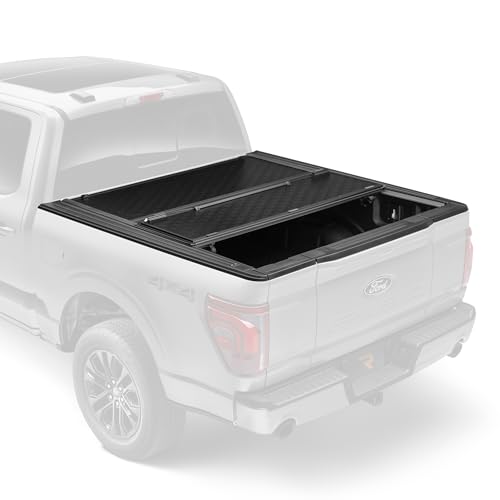 |
Gator EFX Hard Tri-Fold Tonneau Cover for | Check Price |
5 |
Tutel Hard Shell Folding Truck Bed Tonneau | Check Price |
5 Best Tri Fold Tonneau Cover F150S: Detailed Reviews
When I considered the best tri fold tonneau cover f150 options, I paid close attention to bed fit, panel or fabric construction, how the cover folds, and the small installation details that can derail a first-time setup. Those points affect whether the cover actually fits, whether you can reach your cargo without a wrestling match, and whether your bedliner needs attention before the clamps can attach.
The group ranges from soft vinyl covers with folding support bars to hard covers made with FRP, aluminum, or automotive-grade polymer. Comparing those styles side by side helps you decide whether flexible access, a firmer cover surface, or quick removal matters more in your own truck bed.
1. Tyger Auto T3 Soft Tri-fold Truck Bed
Marine-grade vinyl and folding crossbars give everyday cargo coverage with full bed access when you need to haul taller items.
- Size5.5ft Bed
- ColorT3 Soft Tri-Fold
- Number Of Items1
- WeightNot listed; check details
The Tyger T3 Soft Cover is a soft folding bed cover for F-150 owners whose truck has the listed 5.5-foot bed and who want to open the bed in sections. It is listed for 2021–2027 F-150 models and 2022–2025 F-150 Lightning models, but confirm your exact year and bed before ordering.
The cover uses marine-grade vinyl, a thick vinyl made for demanding outdoor conditions, with a dual-coated surface. That gives you a flexible cover over the bed instead of a rigid lid, which is useful if you want a lighter-style cover that folds back for loading. The listed 24-ounce material is a stated construction detail, not a promise that the cover will keep every drop of water out in every storm.
Pre-assembled horizontal crossbars run across the cover to support it, and they fold up with the cover. In everyday use, that means you can open the bed without removing a row of separate support pieces first. The listing also calls out aircraft-grade aluminum frames and stainless-steel clamps, so the cover’s frame and mounting hardware use metal components rather than relying on fabric alone.
Installation is described as no-drill, with hardware and instructions included. There is an important catch for a truck with an over-the-bedrail bedliner: small holes may need to be cut so the clamps can secure properly. The cover is listed to work with an under-the-bedrail bedliner without that modification, so check which liner you have before starting.
Pros:
- Dual-coated vinyl, covers the bed with a flexible surface.
- Folding crossbars, support the cover and move with it.
- Aluminum frames, provide structure along the cover.
- Stainless-steel clamps, secure the cover to the bed.
- No-drill installation, avoids drilling into the truck bed.
Cons:
- Soft vinyl, is not a hard panel surface.
- Over-rail bedliners, may need small holes cut for clamps.
- Listed fitment, is limited to the stated bed and years.
Buy it if: you want a soft folding cover for a listed 5.5-foot F-150 bed, because the crossbars support the cover and fold with it.
Skip it if: you need hard panels to cover the bed, because the Tyger T3 uses flexible vinyl, and a hard folding cover would suit you better. For another fit, consider Tono or Capser.
I’d choose the Tyger T3 when a flexible cover and folding support bars make more sense than a hard top. Its clearly described frame, clamps, and bedliner conditions give a beginner useful things to check before installation. Double-check the exact model year, bed length, and liner style on the fit details before buying.
This is the sensible direction for someone who wants a soft cover and can confirm those fit points.
2. Tono King Tri-Fold Truck Bed Covers Fits
FRP and aluminum panels with a stated 400-pound capacity suit buyers who want a hard folding cover and extra load support.
- Size5′ 5″ Bed (66″)
- ColorBlack
- Number Of Items1
- WeightNot listed; check details
The Tono King Hard Cover suits an F-150 owner who wants folding hard panels and has the listed 5-foot-5-inch bed. Its stated fit covers 2015–2026 F-150 and F-150 Lightning trucks with a 66-inch bed, but check the truck’s exact configuration rather than relying on the model name alone.
The panels combine FRP, a fiber-reinforced plastic, with aluminum and an internal honeycomb structure. The honeycomb is a grid-like support inside the panels, helping provide a firm structure without making the cover a solid block. The listing states a 400-pound capacity; treat that as a stated limit, not permission to put any load anywhere on the cover.
Follow the maker’s directions for how to distribute weight and whether the cover needs to be closed or supported.
A hard panel cover gives you a firmer barrier over the bed than soft vinyl, which can be helpful when you want a solid surface between your cargo and the outside. The manufacturer describes the cover as resistant to water, tearing, and temperature extremes, but no cover should be assumed perfectly sealed. Heavy rain can still find a gap around a tailgate or bed seam, so keep sensitive cargo protected separately when needed.
The installation is described as no-drill, and the panels fold back for access. One fit detail to watch is cargo racks: the listing says to remove them before installation. That is a meaningful constraint if your F-150 has rack hardware you expect to keep in place.
Pros:
- FRP and aluminum panels, create a firm folding cover.
- Honeycomb structure, supports the panels internally.
- Stated 400-pound capacity, gives a clear listed load figure.
- No-drill setup, avoids drilling or modifying the bed.
- Folding design, lets you open the cover for cargo access.
Cons:**
- Rack removal, may be needed before installation.
- Hard panels, can be less convenient for unusually tall loads.
- Fit depends on a 66-inch bed, not just an F-150 badge.
Buy it if: you want a hard folding cover for a listed 66-inch bed, because the FRP and aluminum panels have a stated 400-pound capacity.
Skip it if: you need to leave cargo racks installed, because the Tono King instructions call for removing racks, and a cover compatible with your rack setup would suit you better. Tyger and Capser are worth a closer look instead.
To me, the Tono King makes sense when you specifically want hard panels and value a published load figure. That makes the choice clearer than a soft cover, but the number needs to be used within the maker’s directions. Check bed length and rack compatibility before you order.
I’d put it on the shortlist only if those details line up with your truck.
3. CAPSER F150 5.5FT Soft Tri Fold Tonneau
The catalog lists 【Fitment】This CAPSER truck bed cover Compatible with 2015 2016 2017 2018 2019 2020 2021 2022 2023 2024 2025 20. Compare fit and care needs before choosing.
- SizeSoft Tri Fold 5.5 FT
- ColorSoft Tri Fold
- Number Of Items1
- Material【Premium Material & More Sevurity】Made of reinforced, commercial grade vinyl, Our f150 tonneau cover is engine
The CAPSER Soft Cover is a soft tri-fold option for F-150 owners with the listed 5.5-foot bed who want a cover described as arriving assembled. The fit details name 2015–2026 F-150 Styleside trucks with a 66-inch bed, including the F-150 Lightning in the title, so confirm the exact vehicle and bed in the fit tool before buying.
Its reinforced, commercial-grade vinyl is the flexible layer that covers the bed. The listing says it is engineered to resist water, snow, sunlight, dirt, and dust, which makes it a practical style for everyday cargo coverage. Those resistance claims do not mean the bed becomes a watertight storage box; check the tailgate and bed seals if keeping sensitive gear dry is important.
The cover includes safety clamps and adjustable buckles. The clamps hold the cover to the truck bed, while the buckles help keep the folded cover from shifting or blowing open while driving. That is useful because a cover is only helpful if the edges remain secured during normal travel, and the extra fastening points give you specific closure details to inspect before each trip.
CAPSER describes the cover as fully assembled and requiring no tools or drilling. That can reduce the number of setup steps, though you’ll still need to position it squarely and clamp it correctly. A quick installation is not a substitute for checking that both sides sit evenly and every clamp engages the bed flange.
Pros:
- Reinforced vinyl, covers the bed with a flexible layer.
- Arrives assembled, reduces setup and tool handling.
- Safety clamps, secure the cover to the bed.
- Adjustable buckles, help hold the folded cover in place.
- No-drill installation, avoids drilling into the truck.
Cons:
- Soft cover, does not provide a hard panel top.
- Listed Styleside fit, needs careful checking against your truck.
- Weather resistance, does not guarantee a fully sealed bed.
Buy it if: you want a soft cover that arrives assembled, because the clamps and adjustable buckles simplify the setup and help secure the folded cover.
Skip it if: you want a rigid top over your cargo, because CAPSER uses reinforced vinyl, and a hard folding cover would suit you better. If those trade-offs rule it out, Tyger or Tono may suit you better.
What I like about the CAPSER is the straightforward setup description: assembled cover, position it, then secure the clamps. That can be a welcome change if the idea of assembling rails already sounds like a Saturday project. Still, don’t skip fitment checks just because setup sounds simple.
This cover is for a buyer who prefers a soft style and wants fewer pieces to handle during installation.
4. Gator EFX Hard Tri-Fold Tonneau Cover for
The catalog lists Vehicle-Specific Fit: Designed for 2021-2026 Ford F-150 (incl. Raptor/Lightning) 5’7″ beds, the Gator EFX Hard. Compare fit and care needs before choosing.
- Size5′ 7″ Bed
- Color5′ 7″ Bed
- Number Of Items1
- WeightNot listed; check details
The Gator EFX Hard Cover is a hard tri-fold cover for listed 2021–2026 F-150 trucks with a 5-foot-7-inch bed, including Raptor and Lightning versions according to the fit description. The unusual point in this group is the bed length, so check your truck’s actual bed measurement and year before focusing on its other features.
The cover is described as a low-profile hard design with a no-drill installation. A low profile means the cover sits close to the top of the bed rather than standing high above it, which can give the truck a neat, less bulky appearance. The listing also describes a water-sealed surface and all-weather protection against rain, snow, dirt, and dust; take that as intended protection, not a promise against every possible leak.
For access, the listing mentions a single cable pull. A release cable lets you unlatch the cover without reaching for a separate latch at each panel, making it easier to start opening the cover. The listed setup time is under 30 minutes, but that is a product claim and can vary with your truck, tools, and how quickly you sort out the instructions.
The Gator also includes GEARHOLD adjustable cargo keepers, which are movable holders meant to stop tools, groceries, or gear from sliding around. Those are useful for keeping small loads in place, though they do not replace proper tie-downs for heavy or tall cargo. The fit listing also says complete bed access is available, so check the opening steps and how the folded cover rests before loading something oversized.
Pros:
- Hard folding design, gives the bed a firm cover surface.
- Single cable pull, simplifies the release step.
- Low-profile fit, sits close to the bed rails.
- Adjustable cargo keepers, help reduce small-item sliding.
- No-drill installation, avoids drilling into the truck bed.
Cons:
- 5-foot-7-inch bed fit, differs from the 5.5-foot options.
- Hard panels, need to be folded back for tall cargo.
- Listed setup time, may not match every installer’s pace.
Buy it if: your F-150 has the listed 5-foot-7-inch bed and you want a hard cover, because the cable release and cargo keepers add useful access and organization features.
Skip it if: your truck has a 5.5-foot bed, because the listed length is different, and a cover made for your measured bed would suit you better.
I’d consider the Gator EFX only after confirming that 5-foot-7-inch fit, since a small bed-length mismatch can turn a promising cover into a frustrating return. The cable release and adjustable keepers are practical touches for someone who opens the bed often and carries smaller loose gear. Check what the folded cover does to your available loading space before purchase.
This is the pick for a buyer whose truck matches the longer listed bed and who values organized cargo.
5. Tutel Hard Shell Folding Truck Bed Tonneau
The catalog lists Fits 2015 – 2027 Ford F150 5’5″Bed (66″). Compare fit and care needs before choosing.
- SizeF-150 5.5FT Bed
- ColorBlack
- Number Of Items1
- WeightNot listed; check details
The Tutel Hard Shell Cover suits F-150 owners looking for a hard folding cover for a listed 5-foot-5-inch, 66-inch bed. The fit description covers 2015–2027 F-150 trucks, but match your own year and bed size carefully; nearby bed lengths are not interchangeable just because the truck is still an F-150.
The panels use EnduraShield, an automotive-grade polymer, set on an aluminum frame with powder-coated hinges. A polymer is a type of plastic, and this one is described as resistant to dents, fading, and scratches. Those qualities can help the cover handle everyday wear, though no panel is immune to damage from a heavy impact or rough handling.
The cover’s clamps attach to the bed flange and let you fold the panels up or lock them down. If you need the entire bed open, the listing says the cover can be removed by loosening front Jaw-Grip clamps, without tools or drilling. That quick removal option can be more useful than repeatedly balancing large items against folded panels, especially when you occasionally need the whole bed clear.
Tutel describes an extreme seal and tension system to keep the cover tight. These features are aimed at helping the cover sit snugly, but a tight cover is not the same as a guarantee that no water will ever enter around the bed’s edges. Check the seal condition and your truck’s tailgate area as part of normal care.
Pros:
- Automotive-grade polymer panels, cover the bed with a hard surface.
- Aluminum frame, supports the folding cover structure.
- Powder-coated hinges, connect the panels for folding.
- Jaw-Grip clamps, allow removal without tools or drilling.
- Stated dent and scratch resistance, supports everyday use.
Cons:
- Listed fit is for a 5.5-foot bed, so measure carefully.
- Hard panels, take more room when folded than a soft cover.
- Weather sealing, still depends on fit and bed-edge conditions.
Buy it if: you want a hard cover that can be removed without tools, because loosening the front Jaw-Grip clamps opens the full bed.
Skip it if: you need a soft cover that folds into a compact bundle, because the Tutel uses hard polymer panels, and a soft folding cover would suit you better.
I’d pick the Tutel when easy full removal matters as much as covering the bed. The combination of hard panels and front clamps gives you a useful middle ground between keeping a firm cover in place and clearing the bed when a large load comes along. Verify the 66-inch bed fit and check how the folded panels occupy the bed before ordering.
This suits someone who wants hard panels but doesn’t want removal to require tools.
How to Choose the Best Tri Fold Tonneau Cover F150
The best tri fold tonneau cover f150 buyers should start with bed fit, then choose the cover style that matches how they load the truck. Fit errors are the costly part to prevent; after that, the biggest choices are access, materials, and how much weather protection you reasonably need.
Confirm your bed length and truck details
A bed measurement is the distance from the inside of the front bulkhead to the inside of the tailgate, not the truck’s overall length. The products here name 5.5-foot or 66-inch beds and a 5-foot-7-inch bed, so don’t assume the different listings all fit the same truck. Check model year, bed length, cab or trim details when listed, and whether your truck is a Lightning or another F-150 variant.
Ford bed descriptions and product listings may use rounded or slightly different labels, so verify the exact fit using the truck’s year, make, model, and bed selection. If you are comparing the wider category of tonneau covers for F-150 trucks, use fitment as the first filter rather than treating every cover as interchangeable. The right length matters more than a familiar brand name.
Choose soft or hard panels
A soft cover uses flexible fabric or vinyl stretched over a frame, while a hard cover has rigid panels that fold together. Soft covers are generally easier to handle and can be a sensible choice if you open the bed often. Hard covers give you a firm surface above the cargo, but the folded panels can take up room when you need to carry something tall.
Think about the loads you actually haul. If your truck usually carries bags, tools, or groceries beneath the cover, either style may work; if you often need the whole bed open, prioritize easy removal or a folding design that doesn’t block your load. Don’t treat a hard cover’s stated capacity as a cargo tie-down rating unless the maker says it is one.
Check bedliner and rack compatibility
Bedliners change how clamps reach the bed rail. An over-the-rail liner may block access to the flange where a clamp needs to grab, while an under-the-rail liner usually leaves that edge more open. The Tyger instructions specifically say small holes may be needed in an over-rail liner, so decide whether that modification is acceptable before purchase.
Also check whether you have cargo racks, utility rails, or other accessories across the bed. Tono King says racks should be removed before installation, which could be a deal-breaker if you rely on them. A product fit checker is useful, but read its results alongside the actual instructions and the physical setup of your truck.
Set expectations for rain and dust
A tonneau cover shields cargo from direct weather and road debris, but a folding cover isn’t automatically a watertight box. Water can enter at panel seams, bed corners, or the tailgate, depending on fit and the truck’s own seals. If keeping sensitive gear dry matters, add a separate waterproof bag or container inside the bed.
If weather protection is your main concern, compare the stated construction and seals rather than trusting a broad word like “waterproof.” The advice in waterproof cover buying guidance can help you think through what a cover can and cannot protect against. Look for clear fit details and care instructions, and keep expectations realistic for wind-driven rain.
Match access style to your usual loads
Tri-fold covers open in sections, which gives you a few options without removing the whole cover. Before choosing, ask whether you mainly need access near the tailgate, want to reach the front of the bed, or regularly carry cargo that stands above the rails. A cover that blocks the load you haul most often is a poor fit, even if its material looks right.
Look at the release method and removal process too. A cable release can make opening a hard cover simpler, while a removable cover with front clamps can clear the bed for oversized loads. If the truck is used for work, grocery runs, and weekend hauling, favor a design that doesn’t make you change your whole routine just to get at the cargo.
How to Use a Tri-Fold Tonneau Cover for the Best Results
Use the cover as a protective lid, not as a substitute for securing cargo. A few habits at installation and before driving help the panels stay aligned and reduce the risk of damage.
- Confirm your bed is clear of loose debris before you close the cover. Gravel or grit caught under a rail can scratch the finish or interfere with the seal.
- Check that every panel is fully unfolded and sitting flat. A corner left raised can catch wind or let water through.
- Engage each clamp and latch as directed. Don’t rely on one closed latch to hold the entire cover in place.
- Close the tailgate and check that the cover edge meets it as intended. The tailgate area is a common place for gaps, so don’t assume the cover itself seals that joint.
- Secure cargo separately before driving. A cover keeps things out of sight, but it doesn’t stop heavy objects from sliding around inside the bed.
- When opening the cover, follow the release steps and fold the panels evenly. Forcing a panel against a closed clamp can bend a part or strain a hinge.
- Check the cover after the first drive and after moving it. Look for shifted rails, loose clamps, or a panel edge that no longer sits level.
If this is your first install, follow the maker’s exact sequence rather than using a generic shortcut. The practical steps in tri-fold cover installation advice are helpful context, but the instructions for your specific cover and truck should take priority. A second person can make it easier to position a large cover squarely, even when the hardware is designed for simple installation.
How to Make Your Tri-Fold Tonneau Cover Last Longer
Gentle cleaning and regular checks help a folding cover last longer than neglect does. Follow the care directions for the material, and don’t use a harsh cleaner simply because it cuts through grime quickly.
Rinse off loose dirt before wiping the cover. Grit acts like fine sandpaper when rubbed across vinyl or a panel, so use a soft cloth or sponge and a cleaner the maker allows. Let the cover dry before folding or storing it for a long stretch, especially if the seams and hinges are damp.
Inspect clamps, hinges, buckles, and rails every few weeks during regular use. Tighten or adjust hardware only as the instructions direct; over-tightening can damage a clamp or the bed rail. After a rough road trip, a storm, or removing the cover, take a minute to check whether anything shifted.
For soft vinyl, avoid dragging sharp cargo across the surface and keep heavy items from resting on unsupported sections. For hard panels, don’t use them as a step or assume a stated weight capacity applies to every point on the cover. Place cargo within the bed and use proper tie-downs instead of asking the cover to carry loads it wasn’t designed to support.
When the cover is off the truck, store it somewhere clean and dry where the panels or frame won’t be bent. Keep clamps and loose pieces together so they don’t disappear into the garage’s mysterious small-hardware dimension. Before reinstalling, check the seals and mounting points for dirt, wear, or damage.
Common Mistakes to Avoid When Buying and Using a Tri-Fold Cover
Most avoidable problems come from fitment assumptions or rushed installation. These checks take less time than dealing with a cover that won’t sit properly.
- Guessing the bed length: Nearby sizes can look almost identical in a listing. Measure your bed and confirm the truck year and configuration before ordering.
- Ignoring the bedliner style: An over-rail liner may interfere with clamp access. Check the instructions and decide whether any required liner modification is acceptable.
- Forgetting about cargo racks: Some covers need racks removed. Look for that instruction before buying, not after the box arrives.
- Assuming “waterproof” means sealed in every storm: Panel seams and the tailgate can still be leak points. Protect valuable electronics or other sensitive cargo inside a separate container.
- Closing the cover over grit: Dirt trapped between the cover and bed can scuff surfaces or prevent a clean fit. Clear the rails and bed edges first.
- Driving with a loose clamp or raised panel: Wind can pull on an unsecured cover. Check the full set of latches and clamps before each trip.
- Loading weight onto the cover without checking directions: A stated capacity may not explain load placement or use conditions. Follow the maker’s instructions and secure cargo in the bed.
How to Set Up a Tri-Fold Tonneau Cover
A no-drill cover still needs careful positioning and clamping. Take your time to line up the cover before tightening everything, since a small shift at the front can leave the rear edge crooked.
- Confirm fitment before opening the package. Match the truck year, bed length, and listed body configuration so you can stop before installation if something doesn’t match.
- Read the cover instructions from start to finish. Check for bedliner or rack warnings, since these can change what needs to happen before the cover is placed.
- Clean the bed rails and front bulkhead. Remove dirt, leaves, and old debris so the cover and clamps can sit against a clean surface.
- Set the cover on the bed with help if needed. Center it from side to side and line up the front edge before attaching clamps.
- Check rail alignment along both sides. Make sure the cover sits square and does not hang unevenly over one bed rail.
- Attach and adjust clamps in the order shown. Keep each clamp seated on the bed flange; don’t guess at how tightly it should be secured.
- Fold and unfold the panels before driving. Confirm that the cover opens as intended and that latches or buckles engage without force.
- Do a final walk-around. Check all clamp points, panel edges, and tailgate clearance, then recheck the hardware after the first drive.
Some soft covers arrive assembled, while others still require careful alignment and clamp adjustment. “No tools” or “no drilling” describes the hardware approach, not a guarantee that every truck will take the same time to set up. If the instructions call for a modification to your liner, pause and decide whether you are comfortable making it before proceeding.
Common Questions About Tri-Fold Tonneau Covers for F-150
Which tri-fold tonneau cover fits my F-150?
The right cover is the one listed for your exact truck year and bed length, with any required body or trim details confirmed. Check the fit tool and compare the stated bed size to your truck, since 5.5-foot and 5-foot-7-inch beds are not interchangeable. Also check for a bedliner or cargo rack that could affect installation.
Are hard tonneau covers better than soft covers?
Neither style is automatically better; the right choice depends on your cargo and how often you open the bed. Soft vinyl is flexible and can make section-by-section access straightforward, while hard panels give you a firm surface over the bed. Think about removal, tall loads, and your comfort with the installation before choosing.
Will a tri-fold cover keep my F-150 bed completely dry?
No folding cover should be treated as a guarantee that the bed will stay completely dry in every condition. Seams, corners, and the tailgate can let water in, particularly during heavy or wind-driven rain. If cargo must stay dry, put it in a separate waterproof bag or container as well as using the cover.
Can I install a tonneau cover with a bedliner?
Often, but the liner style can change how the clamps attach. An under-the-bedrail liner may leave the bed flange accessible, while an over-the-bedrail liner can cover the clamp area. Read the cover’s instructions before installation, because some designs call for small holes in an over-rail liner.
How much weight can I put on a hard tonneau cover?
Use only the capacity stated for your exact cover and follow its directions about load placement. The Tono King listing states a 400-pound capacity, but that number alone doesn’t explain how weight should be distributed or what conditions apply. Don’t use a cover as a seat, step, or cargo tie-down unless the maker explicitly permits it.
How often should I check the clamps and seals?
Check them during installation, after the first drive, and whenever you fold, remove, or reinstall the cover. In regular use, a quick monthly inspection is a sensible habit, with an extra check after rough roads or severe weather. Look for loose hardware, dirt in the seals, and edges that no longer sit evenly.
Before You Order, Measure the Bed
Take a tape measure to the bed, note the truck’s year and configuration, and check the cover’s fit details against the measurement before buying. Then look for any liner or rack restrictions in the installation instructions; those two checks can save you the most aggravation.