Finding the best spark plugs for 6.1 HEMI engines can be confusing because several products have similar dimensions but different electrode materials, service-life priorities, and package quantities. The correct choice must match the engine’s thread reach, seat design, heat range, resistance, and required gap—not simply fit into the cylinder head.
Installing the wrong plugs can contribute to hard starting, rough idle, hesitation, misfire codes, or inconsistent performance. An incorrect heat range or thread reach can create more serious problems, even when the plug appears to install normally.
Don’t have time to read every review? The NGK 4998 PLZTR5A-13 Laser Platinum Spark Plugs are my top overall recommendation for a compatible stock 6.1L HEMI.
NGK’s Laser Platinum design is focused on dependable OE-style performance and resistance to electrode wear. It is suitable for naturally aspirated, factory-calibrated SRT8 vehicles used for daily driving and spirited street use. The linked package contains eight plugs, so you will normally need two packs for a complete replacement.
The 6.1L HEMI uses two spark plugs per cylinder, requiring 16 plugs for the complete eight-cylinder engine. Mopar lists SPLZTR5A13 as the replacement part for the 6.1L SRT HEMI, while NGK identifies PLZTR5A-13, stock number 4998, as an OE-style application.
I compared three products based on fitment, electrode construction, package quantity, service-life focus, installation requirements, and overall value. Before ordering, confirm your model year, VIN, engine, current plug number, and package quantity.
3 Best Spark Plugs for 6.1 HEMI Engines
| Image | Product Name | Check Price |
|---|---|---|
Best Choice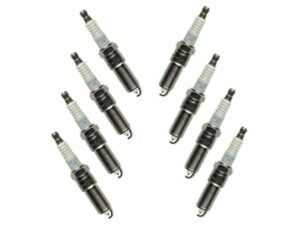 | NGK Laser Platinum Spark Plugs – Best Overall | Check Price |
Second Best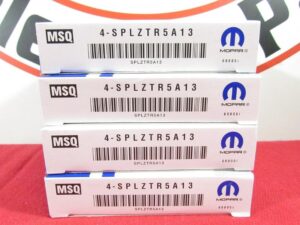 | Mopar 16-Piece Spark Plug Set – Best OEM Replacement | Check Price |
Third Choice | NGK Iridium IX Spark Plugs – Best Performance-Oriented Option | Check Price |
1. NGK Laser Platinum Spark Plugs – Best Overall
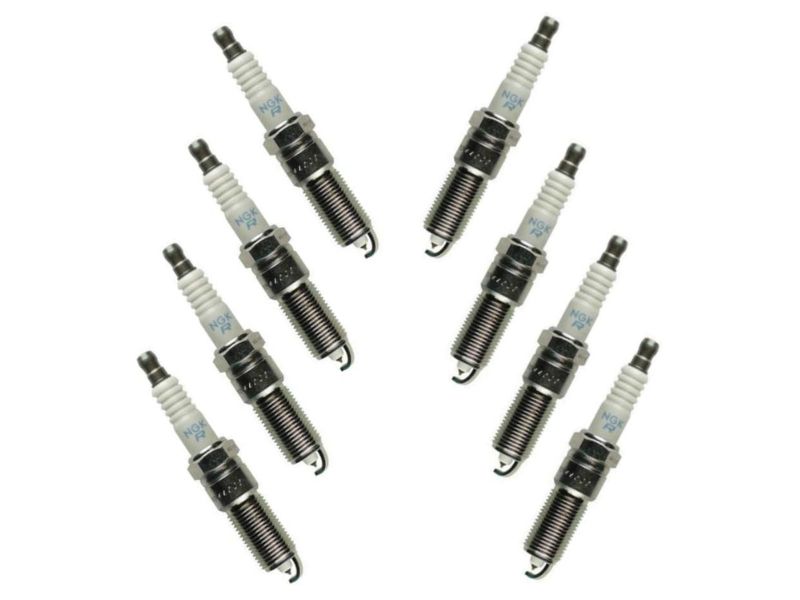
The NGK 4998 PLZTR5A-13 is my first choice for a compatible stock 6.1L HEMI. It provides an OE-style design, established application history, and platinum firing surfaces intended to maintain consistent ignition over an extended service period.
NGK’s Laser Platinum line uses precious metal at the firing surfaces to reduce electrode wear. As a spark plug accumulates operating hours, its electrode gap can gradually increase. A wear-resistant design helps slow that process, supporting more consistent ignition voltage requirements and combustion.
That makes the 4998 particularly suitable for stock SRT8 vehicles used for commuting, highway driving, and occasional spirited acceleration. It is not marketed as a dramatic horsepower modification. Its purpose is to deliver reliable starting, steady idle, and predictable ignition when the engine and the rest of the ignition system are in good condition.
The PLZTR5A-13 designation identifies the plug model, while 4998 is NGK’s stock number. Application information lists it as a Laser Platinum option for the dual-plug 6.1L HEMI. A 0.052-inch preset gap is commonly shown for this plug, but the service information for your exact vehicle should take priority.
The linked product contains eight plugs. Since the engine needs 16, you should order two packs for a complete service. Calculate the cost of both packages when comparing this option with a full 16-piece set.
Before installation, inspect every plug for cracked ceramic, damaged threads, a bent ground electrode, or an inconsistent part number. “Pre-gapped” does not mean the plugs should be installed without checking them. Shipping or handling can alter the position of the ground electrode.
Use a wire-style gauge and avoid pressing against the platinum firing surface. If adjustment is required, move only the ground electrode and follow the exact vehicle specification.
These plugs are best suited to a stock, naturally aspirated 6.1L engine. A basic intake or cat-back exhaust does not necessarily require a different plug, but modifications that substantially increase cylinder pressure may change the heat-range and gap requirements.
Pros: OE-style application, durable Laser Platinum construction, consistent ignition characteristics, reputable manufacturer, and suitability for stock street-driven engines.
Cons: The linked package contains only eight plugs, two packs are required, and it is not a specialized solution for boosted or heavily modified engines.
My Verdict: The NGK 4998 is the best-balanced choice for most compatible stock 6.1L HEMI vehicles. It offers reliable fitment, long-life construction, and sensible everyday performance without relying on exaggerated upgrade claims.
2. Mopar 16-Piece Spark Plug Set – Best OEM Replacement
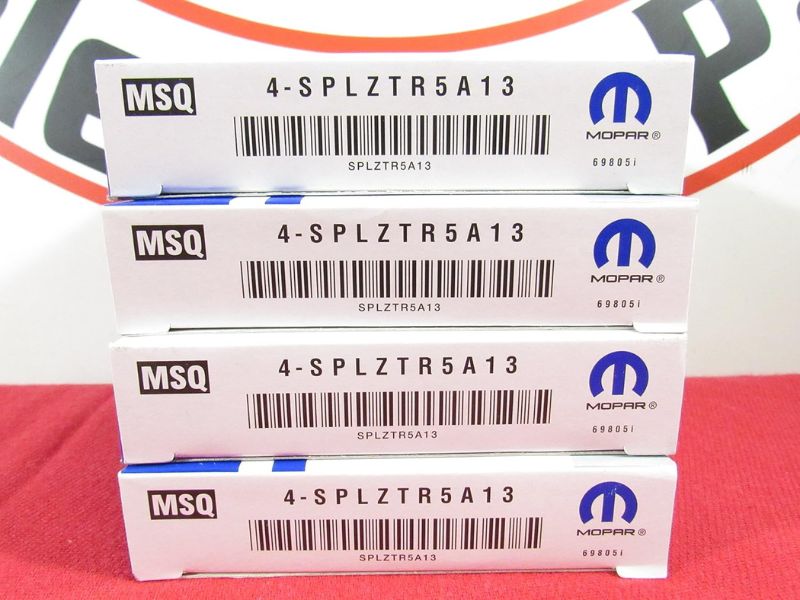
The Mopar SPLZTR5A13 set is the most straightforward option for owners who want the factory replacement part number. It is especially appealing when maintaining stock specifications matters more than comparing several aftermarket cross-references.
Mopar identifies SPLZTR5A13 for the 6.1L V8 SRT HEMI and lists it as replacing older part numbers including 5037404AA, SPLCTR5A13, and SPLZ0050AA. Official Mopar vehicle catalogs show this plug for compatible 6.1L Chrysler, Dodge, and Jeep applications.
The main advantage is reduced specification uncertainty. When your VIN-based factory catalog calls for SPLZTR5A13, you do not need to determine whether an unfamiliar alternative has the correct heat range, thread reach, seat, resistor design, and firing-tip position.
That confidence is valuable on a stock SRT8. A spark plug’s dimensions and internal construction affect more than whether it can be threaded into the cylinder head. The firing end must sit correctly inside the combustion chamber, and the heat range must transfer heat at the intended rate.
The linked package is advertised as a complete set of 16 plugs. That avoids purchasing two eight-packs or four factory four-packs. Nevertheless, confirm the current quantity before ordering because the same Mopar part number is also sold individually and in packs of four. Mopar’s own catalog commonly lists SPLZTR5A13 in a four-piece sales quantity.
Choosing the Mopar set does not necessarily produce more power than the correct NGK OE-equivalent option. The benefit is the factory part number and simplified purchasing decision, not a special performance increase.
For an original or lightly modified vehicle, that may be exactly what you need. It lets you restore the ignition system without experimenting with alternative heat ranges or racing plugs.
The primary drawback is cost. OEM-branded sets may be more expensive than equivalent NGK packages. Compare the price for all 16 plugs rather than the cost of a single box.
Inspect the plugs before installation even when they arrive in factory-branded packaging. A plug that has been dropped can have a cracked insulator or altered gap without obvious damage to the box.
Pros: Factory part number, complete 16-plug convenience, strong fitment confidence, appropriate stock specification, and no need to combine multiple packages.
Cons: Usually more expensive than an OE-equivalent aftermarket set and offers no automatic performance advantage over another correctly specified plug.
My Verdict: The Mopar SPLZTR5A13 set is the best choice for owners who want an uncomplicated factory-style replacement. Select it when OEM part-number confidence is worth more to you than finding the lowest price.
3. NGK Iridium IX Spark Plugs – Best Performance-Oriented Option
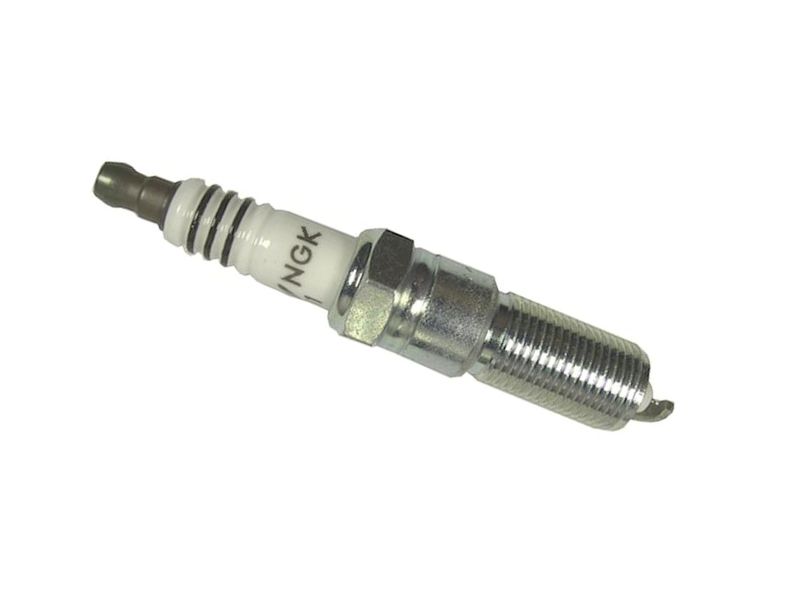
The NGK 2314 LZTR5AIX-13 is the performance-oriented alternative in this comparison. It uses a fine-wire iridium center electrode and is designed with ignitability and spark concentration in mind.
A smaller fine-wire electrode requires less voltage to initiate a spark than a larger conventional firing tip. This can support reliable ignition and responsive combustion when the coils, injectors, compression, and engine management system are functioning properly.
The Iridium IX design may appeal to owners who prioritize fine-wire ignition characteristics over the OE-style service-life focus of the Laser Platinum plug. It remains a maintenance component, however, not a guaranteed horsepower upgrade.
Replacing worn or fouled plugs can restore performance that the engine has lost. Installing Iridium IX plugs in a healthy engine that already has correct, serviceable plugs should not be expected to create a dramatic increase in power or fuel economy.
The part designation is LZTR5AIX-13, and the NGK stock number is 2314. The linked product contains eight plugs, so two packages are required for the 6.1L HEMI’s complete 16-plug service. The listing specifies a 14 mm thread and vehicle-specific automotive fitment.
This plug may be used in compatible stock or lightly modified naturally aspirated applications when its exact specifications match the vehicle. It should not be described as an automatically colder plug or a universal option for forced induction.
Boost, nitrous, increased compression, and aggressive tuning can substantially alter combustion conditions. A tuner may recommend a different heat range and a tighter gap to support the higher cylinder pressure.
Compared with NGK 4998, the 2314 emphasizes fine-wire iridium ignitability rather than being the primary OE-style Laser Platinum selection. That does not make it universally better. The appropriate choice depends on the engine specification and owner priorities.
Check every plug’s gap before installation. Fine-wire electrodes should be handled carefully, and any adjustment should be made only by moving the ground electrode.
Pros: Fine-wire iridium center electrode, strong ignitability, recognized NGK construction, compatible application availability, and performance-oriented design.
Cons: Two eight-packs are required, it has less OE-style longevity emphasis than Laser Platinum, and it does not guarantee additional power.
My Verdict: The NGK 2314 is a credible alternative for compatible owners who prefer Iridium IX firing characteristics. For an entirely stock daily-driven engine, I would still choose the NGK 4998 first.
Important 6.1 HEMI Fitment Information
This guide primarily covers naturally aspirated 6.1L SRT HEMI vehicles, including compatible versions of the:
- Chrysler 300C SRT8
- Dodge Charger SRT8
- Dodge Challenger SRT8
- Dodge Magnum SRT8
- Jeep Grand Cherokee SRT8
Production years vary by vehicle. Mopar catalogs SPLZTR5A13 for several 2006–2010 6.1L applications and identifies it as replacing earlier numbers such as 5037404AA, SPLCTR5A13, and SPLZ0050AA. Official vehicle pages also show the part for the Chrysler 300C SRT8, Dodge Charger SRT8, Dodge Magnum SRT8, and Jeep Grand Cherokee SRT8.
Do not assume that a plug for the 5.7L, 6.2L, or 6.4L HEMI will work correctly in a 6.1L engine. The engines may share the HEMI name while requiring different plug specifications.
You should verify fitment using the VIN, factory parts catalog, owner’s manual, and the part number printed on an existing plug. Confirm that the previous plugs were correct before using them as your only reference.
Package quantity also matters. A product may contain one, four, eight, or 16 plugs. Because the 6.1L engine requires 16, an inexpensive eight-pack represents only half of the complete replacement.
These recommendations are primarily for stock or lightly modified naturally aspirated engines. A supercharged, turbocharged, nitrous-assisted, or heavily tuned 6.1L may need a different heat range and gap. Follow the tuner’s or engine builder’s specifications for those applications.
How to Choose Spark Plugs for a 6.1 HEMI
Verify the Exact Vehicle
Start with the vehicle model, model year, VIN, and engine code. The 6.1L was installed in several SRT8 vehicles, but the same product listing may also mention unrelated HEMI engines.
Use a factory parts catalog or VIN-based lookup to confirm the required part number. The engine badge alone is not sufficient.
Choose the Appropriate Electrode Design
Laser Platinum plugs prioritize OE-style longevity and consistent gap retention. They are the logical choice for stock daily-driven vehicles.
Iridium IX plugs use a fine-wire center electrode and emphasize ignitability. They may appeal to performance-minded owners, but they are not automatically superior for every stock application.
Electrode material cannot compensate for incorrect fitment. A premium iridium plug with the wrong reach or heat range remains unsuitable.
Calculate the Full 16-Plug Cost
The 6.1L HEMI uses two plugs per cylinder. Always calculate the price for 16 plugs.
An eight-pack may initially appear less expensive than a full set, but two packages are required. Mopar plugs may be sold in quantities of four, meaning four packs would be needed unless you choose a bundled 16-piece listing.
Consider the Engine’s Modifications
A naturally aspirated engine with minor bolt-ons will usually remain within the factory plug requirements.
A forced-induction or nitrous-assisted build may require a tuner-selected plug. Increased cylinder pressure can change the required heat range and electrode gap.
Do not install colder plugs solely because they are associated with performance engines. A plug that runs too cold in a stock application may accumulate deposits and foul.
Spark Plug Gap, Heat Range, and Installation Specifications
NGK 4998 is commonly listed with a 0.052-inch preset gap. Treat that as a reference and verify the correct specification for your exact model and plug before installation.
A pre-gapped plug can still be altered during shipping. Check it with a wire-style gauge, particularly when using fine-wire platinum or iridium electrodes.
Do not force a wedge tool against the center electrode. If a correction is required, adjust only the ground strap.
The heat range controls how quickly the firing end transfers heat into the cylinder head. A plug that runs too hot can increase the risk of abnormal combustion, while one that runs too cold may foul.
Thread reach and seat design are equally important. An incorrect reach can position the firing tip improperly in the chamber or expose threads to combustion deposits.
Start each plug by hand. If it does not turn smoothly, remove it and begin again rather than forcing it with a ratchet.
Tighten the plug to the specification for the engine and plug design. NGK advises using the specified torque because both under-tightening and over-tightening can cause problems. It also advises against applying anti-seize to NGK plug threads because the lubricant alters torque and can increase clamping force.
When Should 6.1 HEMI Spark Plugs Be Replaced?
Follow the maintenance schedule supplied for your specific vehicle. Plug life depends on electrode construction, driving conditions, engine condition, and operating environment.
Inspection may be appropriate when you experience:
- Rough or unstable idle
- Hard starting
- Hesitation under load
- Misfire trouble codes
- Declining fuel economy
- Reduced acceleration
- Poor cold-start behavior
These symptoms do not prove that the plugs are defective. Ignition coils, coil boots, fuel injectors, vacuum leaks, wiring faults, and mechanical compression problems can create similar behavior.
Scan the engine-control system and identify the affected cylinders before replacing parts at random. If one plug looks significantly different from the remaining 15, that may indicate a cylinder-specific fuel, oil, ignition, or mechanical issue.
When the plugs have reached their service interval, replacing all 16 together maintains consistent plug type, heat range, gap, and wear across the engine.
How to Replace Spark Plugs in a 6.1 HEMI
Let the engine cool completely before beginning. Removing spark plugs from a hot aluminum cylinder head can increase the risk of thread damage.
Confirm that you have all 16 correct plugs, the appropriate spark plug socket, extensions, ratchet, swivel adapters, and a calibrated torque wrench.
Remove the engine cover and any intake components that block access. Photograph the original hose and wiring layout when necessary.
Disconnect the ignition-coil connectors carefully. Remove the coil fasteners and keep the coils organized by cylinder.
Before loosening each plug, clear dirt from the plug well with compressed air or a suitable vacuum. You do not want debris falling into the cylinder after the plug is removed.
Use the correct socket and keep it aligned with the plug. Excessive side pressure can damage the ceramic insulator.
Organize the old plugs by cylinder. Their condition may reveal whether one cylinder has been running differently from the others.
Compare the old and new plugs. Check the thread reach, seat, terminal design, and electrode position.
Inspect the gap carefully without applying force to the fine firing tip.
Start every plug by hand. A short piece of clean rubber hose can help turn it gently while making cross-threading easier to detect.
If the plug binds, stop. Remove it and restart rather than using the ratchet to force it into the cylinder head.
Tighten each plug to the correct service specification. Reinstall the coils and inspect their boots for cracking, oil contamination, or carbon tracking.
Reconnect every electrical connector and reinstall the intake components and engine cover.
Start the engine and listen for an uneven idle. Scan for stored or pending misfire codes if the engine does not run normally.
Because the service involves 16 plugs and several restricted positions, professional installation is reasonable when you lack the necessary tools, torque information, or experience.
Frequently Asked Questions
What are the best spark plugs for a 6.1 HEMI?
The NGK 4998 PLZTR5A-13 Laser Platinum is my top overall option for a compatible stock engine. Mopar SPLZTR5A13 is the best factory-number replacement, while NGK 2314 LZTR5AIX-13 offers a fine-wire Iridium IX alternative.
How many spark plugs does a 6.1 HEMI use?
The 6.1L HEMI uses two plugs per cylinder. Since the engine has eight cylinders, a full replacement requires 16 spark plugs. Check whether the product contains eight or 16 before comparing prices.
Is NGK 4998 an original-equipment-style spark plug?
Yes. NGK 4998, identified as PLZTR5A-13, is positioned as a Laser Platinum OE-style application for the dual-plug 6.1L HEMI. Confirm it against your VIN and current plug number before ordering.
What is the Mopar spark plug number for a 6.1 HEMI?
Mopar lists SPLZTR5A13 for the 6.1L V8 SRT HEMI. It replaces earlier numbers that include 5037404AA, SPLCTR5A13, and SPLZ0050AA.
What is the difference between NGK 4998 and NGK 2314?
NGK 4998 is a Laser Platinum plug focused on OE-style durability and stable long-term operation. NGK 2314 is an Iridium IX design with a fine-wire iridium center electrode and a greater emphasis on ignitability.
What is the correct spark plug gap for a stock 6.1 HEMI?
NGK 4998 is commonly listed with a 0.052-inch preset gap. Verify the requirement for your exact vehicle and replacement plug. Modified engines may need a different tuner-specified gap.
Can iridium plugs add horsepower to a 6.1 HEMI?
New plugs can restore performance lost through worn, fouled, or excessively gapped plugs. They normally do not create substantial additional horsepower in a healthy stock engine that already has correctly functioning plugs.
Should all 16 spark plugs be replaced together?
Yes, when the engine has reached its scheduled service interval. Replacing the complete set keeps the material, heat range, gap, and wear level consistent across all cylinders.
Conclusion
The best spark plugs for 6.1 HEMI engines must match the vehicle’s exact specifications rather than simply use the most expensive electrode material.
For most compatible stock applications, the NGK 4998 PLZTR5A-13 Laser Platinum Spark Plugs offer the best combination of OE-style fitment, durability, and everyday reliability. Remember that the linked package contains eight plugs, so two are needed for a complete service.
The Mopar SPLZTR5A13 set is better for owners who want the factory part number and a bundled set of 16. The NGK 2314 Iridium IX is a worthwhile alternative for those who prioritize fine-wire ignition characteristics.
Confirm the VIN, model year, engine, existing part number, and package quantity before ordering. Correct fitment and careful installation matter more than brand ranking or performance marketing.