Finding the best small block Chevy spark plugs is less about buying the most exotic electrode material and more about matching the plug to the cylinder heads, ignition system, compression, and way the engine is actually used. A mild 350 cruising on the street does not necessarily need the same plug as a high-compression 383 that spends most of its time at wide-open throttle.
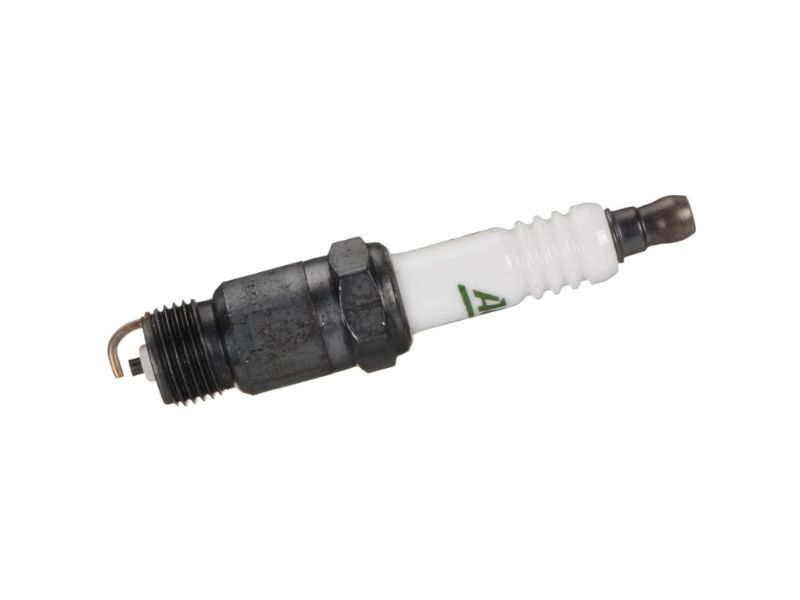
For a traditional street-driven SBC using compatible tapered-seat heads, my first recommendation is the ACDelco GM Original Equipment R45TS Conventional Spark Plug. Its conventional design, copper core, projected tip, and long association with compatible Chevrolet applications make it a sensible starting point for many mostly stock engines. The R45TS uses a tapered seat, and its construction includes a copper core, corrosion-resistant features, and a resistor-style suppressor seal.
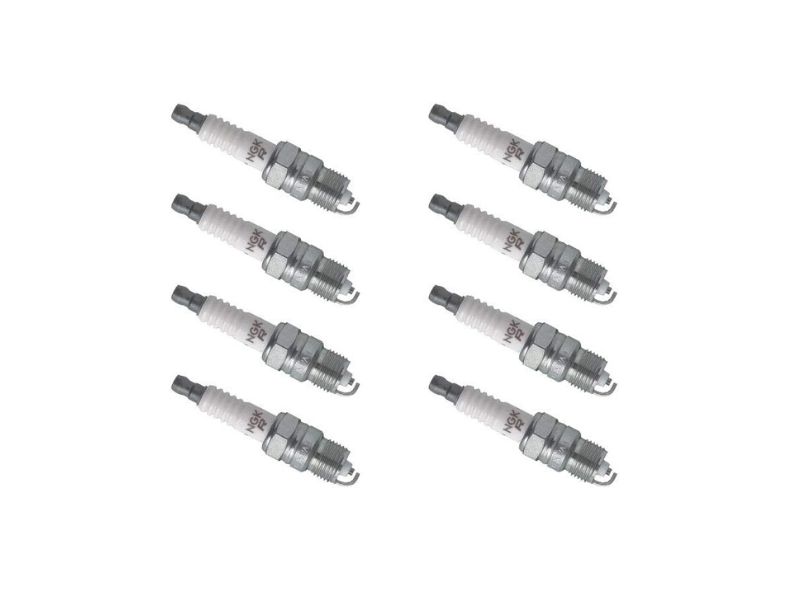
For owners interested in a proven cross-reference with a slightly different electrode design, the NGK 6630 UR4 V-Power Spark Plug is another strong option. It shares the familiar 14 mm thread, short reach, tapered seat, and projected-tip format associated with this plug family, while NGK adds its V-grooved center-electrode design.
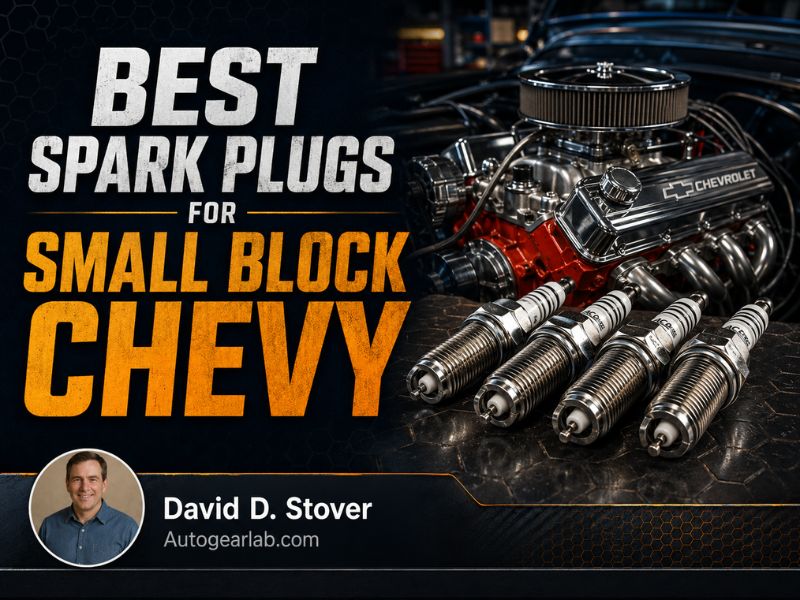
There is one rule worth establishing before comparing any of them: small-block Chevy does not describe one universal spark-plug fitment. Cylinder-head design matters more than the displacement number stamped into the conversation. A 305, 327, 350, 383, or 400 may need a different plug if the heads have been changed, so the existing plug and the cylinder-head manufacturer’s specification should always be checked before ordering.
Best Small Block Chevy Spark Plugs Reviewed
| Image | Product Name | Check Price |
|---|---|---|
Best Choice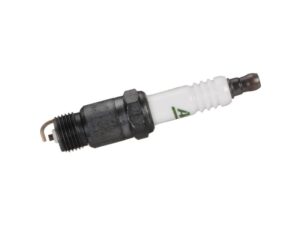 | ACDelco GM Original Equipment R45TS Conventional Spark Plug | Check Price |
Second Best | NGK 6630 UR4 V-Power Spark Plug | Check Price |
Third Choice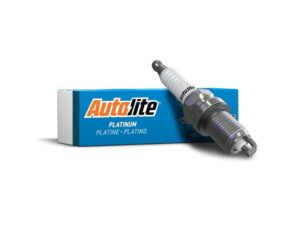 | Autolite Platinum AP26 Spark Plug | Check Price |
These three plugs make sense for slightly different priorities. The first is a straightforward conventional choice for compatible street engines, the second brings NGK’s V-Power electrode design, and the third adds a platinum firing tip for owners who want greater resistance to electrode wear.
1. ACDelco GM Original Equipment R45TS Conventional Spark Plug
Key Features
- Conventional projected-tip spark plug
- Copper-core center electrode
- 14 mm thread family
- Tapered-seat design
- Resistor/suppressor construction intended to control flashover and electrical interference
The R45TS is the plug that makes the most sense as the starting point for a traditional, compatible small-block Chevy street engine. It is not flashy, and that is part of its appeal.
ACDelco uses a copper core to move heat away from the firing end efficiently. The plug also uses a nickel-chrome alloy around the center-electrode structure and corrosion-resistant treatment on the shell. Its ribbed suppressor seal is designed to help reduce flashover and misfire while controlling electrical leakage around the insulator.
For an older V8 that still uses a distributor, plug wires, and conventional or HEI ignition, there is little reason to chase an expensive modern plug solely because the material sounds more advanced. The ignition system, carburetor calibration, timing curve, compression ratio, fuel quality, and combustion-chamber design influence how the engine runs far more than a premium-metal label on the box.
The projected firing tip is another useful aspect of the R45TS design. A projected tip places the firing end farther into the combustion chamber than a non-projected design. In an engine designed around that plug configuration, this can expose the spark more directly to the mixture. It should not, however, be viewed as something to change casually because electrode projection is part of the plug’s physical compatibility.
The tapered seat deserves equal attention. Tapered-seat plugs seal against a machined taper in the cylinder head rather than relying on a separate crush gasket. The R45TS is specifically a tapered-seat design. If an older or aftermarket cylinder head is designed for a gasket-seat plug, the R45TS is not correct just because it threads into the hole.
That distinction becomes especially important with rebuilt small blocks. A 350 block may have factory heads from another year, aftermarket aluminum heads, Vortec-style heads, or performance castings installed decades after the original engine left the assembly line. The cylinder head ultimately decides the required plug dimensions.
In a mild street engine with compatible iron heads, the conventional electrode construction is also easy to live with. Traditional plugs are inexpensive enough that inspecting or replacing them as part of routine tuning does not feel wasteful. On a carbureted engine, that can be useful because reading the plugs remains one of several ways to spot excessive richness, oil contamination, or a combustion problem.
The limitation is service life. A conventional nickel-alloy firing surface generally experiences more electrode wear than a platinum design. That does not automatically make it inferior. On an older engine where accessibility is good and tune-ups are part of normal ownership, durability beyond the needs of the application may not add much practical value.
Another consideration is engine modification. Once compression, cylinder pressure, nitrous, forced induction, ignition timing, or sustained rpm increase significantly, blindly staying with the same heat range becomes a poor strategy. A performance engine may need a colder plug, tighter gap, or completely different configuration based on the cylinder-head and ignition requirements.
What I Like
- Familiar conventional design suits many classic SBC street applications
- Copper core transfers heat effectively
- Projected tip works well where the cylinder head calls for this configuration
- Straightforward option for routine maintenance and plug reading
What I Do Not Like
- Conventional electrodes normally wear faster than platinum
- Not compatible with every small-block Chevy cylinder head
- Modified or high-output builds may require a different heat range
For a compatible, mostly stock small-block Chevy, the R45TS has the right kind of simplicity. Rather than promising extra horsepower, it focuses on doing the basic ignition job correctly, which is exactly what many street engines need.
2. NGK 6630 UR4 V-Power Spark Plug
Key Features
- NGK V-Power center-electrode design
- 14 mm x 1.25 thread
- Approximately 0.460-inch reach
- Tapered seat and 5/8-inch hex
- Projected-tip resistor design
The NGK 6630 UR4 is an appealing alternative when the engine calls for the same general physical plug family as the R45TS. Cross-reference data lists UR4/6630 among the replacements associated with R45TS-style applications, though final compatibility should still be checked against the actual cylinder head.
Its defining feature is NGK’s V-Power center electrode. Instead of a completely flat firing surface, the center electrode includes a V-shaped cut. NGK explains that the design encourages the spark to occur toward the edge of the electrode, reducing the amount of electrode surface directly around the flame kernel.
That does not turn a stock 350 into a higher-output engine by itself, but it is a thoughtful way of shaping a conventional nickel-alloy electrode.
The physical dimensions are especially relevant for SBC owners. The UR4 uses a 14 mm thread, 0.460-inch reach, tapered seat, 5/8-inch hex, projected tip, and resistor construction. Those characteristics make it suitable for the same style of cylinder head when the cross-reference and engine requirements agree.
NGK lists the UR4 with a nominal 1.0 mm gap from the manufacturer, roughly 0.039 inch. That number should not automatically become the final gap for every small-block Chevy. Spark-plug gap is an engine and ignition-system specification, not simply a number printed on the plug box.
A stock HEI ignition may tolerate a different gap than an older points ignition. High cylinder pressure can also make a wide gap harder to fire because greater voltage is required to bridge the electrodes. On modified engines, the appropriate gap should follow the engine builder, ignition manufacturer, or cylinder-head recommendation.
The UR4 also carries a resistor. In practical terms, resistor plugs help suppress electromagnetic and radio-frequency noise produced by the ignition event. That can be useful even in older cars, particularly when electronic ignition, audio equipment, digital gauges, EFI conversions, or other electronics are present.
Street drivability is where this plug makes the most sense. The projected V-Power electrode offers a conventional, serviceable design while giving owners another established plug family to work with. It is also easy to inspect after running the engine, which matters when dialing in a carburetor or checking whether one cylinder looks noticeably different from the rest.
For a heavily modified small block, though, the standard UR4 should not be assumed to be the correct heat range. NGK’s heat-range numbering system works differently from some competing brands, making it risky to compare numbers directly without using a proper cross-reference or specification chart. NGK specifically provides heat-range and cross-reference resources for this reason.
What I Like
- V-groove electrode gives the conventional design a useful twist
- Physical dimensions suit many compatible tapered-seat SBC heads
- Projected resistor configuration works well in typical street applications
- Eight-plug package is convenient for a V8 tune-up
What I Do Not Like
- Supplied gap still needs to be checked against the engine specification
- Heat-range numbering can be confusing when switching brands
- A cross-reference does not replace cylinder-head fitment verification
The UR4 is a particularly good fit for the owner who wants a traditional plug but prefers NGK’s V-Power design. It keeps the basic package simple while offering an established alternative to the OE-style conventional plug.
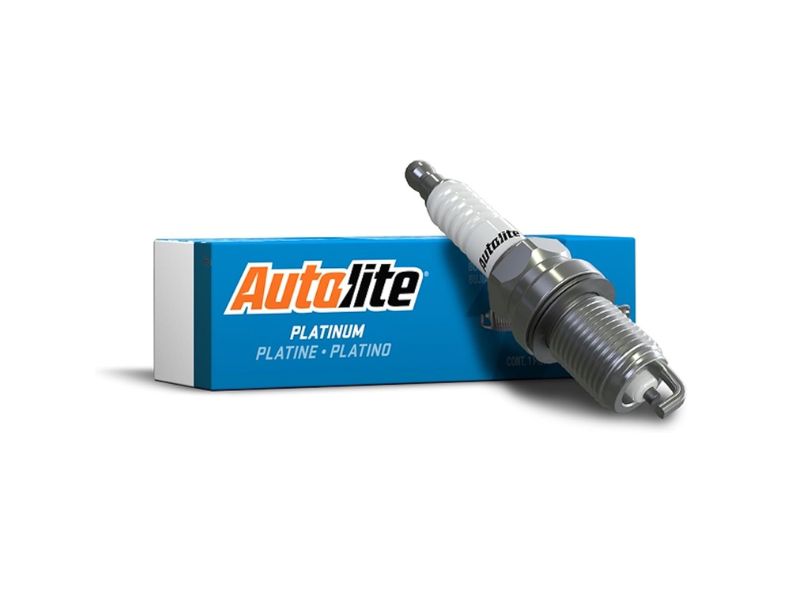
3. Autolite Platinum AP26 Spark Plug
Key Features
- Single-platinum firing tip
- 14 mm thread
- Short-reach tapered-seat configuration
- 5/8-inch hex
- Resistor design with copper-core center electrode
The Autolite AP26 takes a different approach from the first two products. Its platinum firing tip is intended to resist electrode erosion better than a basic conventional design, making it attractive for owners who place more value on maintaining the firing gap over a longer period.
Autolite describes its platinum plugs as using a platinum center-electrode firing tip, a high-alumina ceramic insulator, multi-rib insulator construction, and a corrosion-resistant shell. The company positions this series for older engine designs where a compatible platinum plug is desired.
The AP26’s dimensions place it in familiar SBC territory: listings identify a 14 mm thread, tapered seat, approximately 0.460-inch reach, and 5/8-inch wrench size. That makes it a plausible option in heads designed around this physical plug style, provided the exact application and heat range line up.
The biggest practical difference is the firing-tip material. Platinum resists erosion well, so the center electrode can hold its shape and firing characteristics longer than a conventional nickel surface under comparable conditions. That is useful for an engine that is driven regularly and stays in a healthy state of tune.
The benefit becomes less clear on a carbureted engine that tends to foul plugs. If the fuel mixture is excessively rich, the engine burns oil, or the choke stays on too long, spending more on a longer-lasting firing tip does not fix the underlying condition. A fouled platinum plug is still a fouled plug.
That is why this option makes the most sense on a well-sorted street engine rather than a small block that is still being tuned. During initial carburetor work, camshaft tuning, timing changes, or break-in, a less expensive conventional plug can be easier to treat as a diagnostic and maintenance item.
Another detail to watch is gap. The AP26 is commonly supplied with a preset gap, but that gap must still agree with the engine and ignition requirements. Plug manufacturers generally advise checking the specified gap for the application rather than assuming every engine using the same physical plug wants the same electrode spacing.
Installation requires the same care as any tapered-seat plug. The threads should start easily by hand, the engine should be cool, and the final tightening method needs to follow the cylinder-head and plug guidance. Excessive torque on a tapered seat can create problems just as easily as leaving the plug too loose.
There is also no need to view platinum as an automatic performance upgrade. Its clearest advantage is durability. If the existing conventional plugs are correct and the engine runs cleanly, switching to platinum may extend the interval before electrode wear becomes significant, but it does not rewrite the engine’s airflow, compression, fuel curve, or ignition timing.
What I Like
- Platinum firing tip offers improved resistance to electrode erosion
- Familiar tapered-seat dimensions suit compatible classic-engine applications
- Good option for a clean-running street engine
- Resistor construction works well around modern electronic accessories
What I Do Not Like
- Higher durability brings little benefit if the engine frequently fouls plugs
- Sold individually in the selected configuration
- Still requires exact heat-range and cylinder-head verification
The AP26 makes the most sense when a compatible small block is already tuned properly and longer-lasting electrode material is genuinely useful. It is less compelling during an active tuning phase, where inexpensive conventional plugs may be easier to inspect and replace.
Small Block Chevy Spark Plug Comparison
| Product | Electrode Style | Thread | Seat | Reach | Hex | Main Strength | Main Limitation |
| ACDelco R45TS | Conventional copper-core design | 14 mm class | Tapered | Short reach | 5/8 in. class | Straightforward stock/street approach | Conventional electrode wears sooner |
| NGK 6630 UR4 | Nickel V-Power projected tip | 14 mm x 1.25 | Tapered | 0.460 in. | 5/8 in. | V-groove design and familiar SBC dimensions | Gap and heat range still need verification |
| Autolite AP26 | Single-platinum firing tip | 14 mm | Tapered | About 0.460 in. | 5/8 in. | Better resistance to electrode erosion | Less attractive for an engine that fouls plugs |
The three products are closer in basic fitment than their marketing might suggest. The real differences are electrode design, expected wear characteristics, and how each fits the owner’s maintenance habits.
For a straightforward stock or mildly modified street engine, the conventional ACDelco design is hard to overcomplicate. The NGK adds a useful V-groove electrode, while the Autolite becomes more attractive when longer electrode life matters.
None of those differences override cylinder-head compatibility.
How to Choose Spark Plugs for a Small Block Chevy
A small-block Chevy can be one of the simplest engines to maintain, but decades of parts interchangeability make spark-plug selection surprisingly easy to get wrong.
Blocks, heads, distributors, intake manifolds, carburetors, and rotating assemblies are routinely mixed across years and applications. That means the badge on the car—or even the casting number on the block—is not always enough information.
Start With the Cylinder Heads
The cylinder heads should be the first reference point.
Spark plugs must match several physical characteristics:
- Thread diameter
- Thread reach
- Seat design
- Hex clearance
- Electrode projection
Installing the wrong reach can position the firing tip incorrectly. Too much reach can expose threads where they do not belong, while too little reach can recess the spark away from its intended position.
Seat type matters just as much. The products reviewed above use a tapered seat. A cylinder head designed for a gasket-seat plug requires the appropriate gasket-seat design instead.
Aftermarket cylinder heads make this especially important. Aluminum performance heads may specify a completely different plug family from the original iron heads that came on the engine.
Stock 350 vs Modified 350
“Chevy 350” tells you displacement, but it does not describe combustion conditions.
A low-compression street 350 with a small cam, dual-plane intake, and factory-style ignition usually has forgiving spark-plug requirements.
A 350 with high compression, aggressive ignition timing, aftermarket aluminum heads, and frequent high-rpm use is a different situation.
The same principle applies to strokers. A 383 may be based on a 350 block, but its plugs should be selected around the heads and combustion requirements rather than the fact that the block started life as a small-block Chevrolet.
Conventional vs Platinum Spark Plugs
A traditional plug normally uses a copper core for heat transfer with a nickel-alloy firing surface.
Copper is an excellent thermal conductor, which makes it valuable inside the electrode even when the exposed firing material is another alloy.
Platinum is primarily useful because of its resistance to erosion. As the electrode wears more slowly, the plug can maintain its effective firing geometry for longer. Autolite specifically positions its platinum range around longer electrode life compared with standard plugs.
For an old-school engine, neither construction is automatically superior.
A conventional plug suits engines that receive regular tune-ups or are still being calibrated. Platinum becomes more appealing when the engine runs cleanly and the owner wants less frequent plug replacement.
What Heat Range Means
Heat range describes how effectively the spark plug transfers heat from the firing tip into the cylinder head. It does not refer to how powerful the electrical spark is.
A colder plug transfers heat away from the firing end more aggressively. A hotter plug retains more heat at the tip.
The goal is to keep the firing end hot enough to resist deposits but cool enough to avoid becoming a source of pre-ignition. A plug that runs too cold can foul; a plug that runs too hot can contribute to damaging pre-ignition conditions.
For a stock engine, the specified heat range is the logical baseline.
Changes become more relevant with:
- Increased compression
- Forced induction
- Nitrous oxide
- Sustained high-rpm operation
- Heavy towing
- Major timing changes
- Significant power increases
Modified engines often move toward a colder plug because cylinder temperatures and pressures increase, but there is no universal “one step colder” rule that suits every build.
Spark Plug Gap
The spark plug gap is the distance between the center and ground electrodes.
The ignition voltage must be high enough to jump that space under cylinder pressure. If the gap becomes too large for the ignition system and operating conditions, misfire can appear—often first when the engine is under load.
An extremely narrow gap has drawbacks as well because the initial flame kernel has less exposure to the mixture.
NGK specifically notes that incorrect plug gap can contribute to misfires and recommends using the engine or application specification rather than treating one gap as universal.
This matters with classic Chevys because ignition systems vary enormously.
A restored engine may still use points. Another may have GM HEI. A third may use an aftermarket capacitive-discharge box, high-output coil, or EFI-controlled ignition.
The same spark plug can therefore require a different final gap depending on the ignition system and build.
Projected vs Non-Projected Tips
A projected-tip plug extends the insulator nose and firing end farther toward the combustion chamber.
Both the R45TS and UR4 are projected-tip designs in their respective configurations.
Projection can improve exposure of the spark to the mixture when the chamber was designed for it, but clearance must always be respected. High-compression pistons, unusual dome shapes, modified chambers, or certain racing configurations can change what is safe.
The cylinder-head or engine-builder specification takes priority.
Resistor Spark Plugs
A resistor plug contains electrical resistance intended to suppress ignition-generated radio-frequency interference.
This is useful in vehicles equipped with electronic ignition controls, EFI conversions, digital instruments, radios, and other electronics.
Both the NGK UR4 and Autolite AP26 are resistor-type plugs.
For most street builds, a properly specified resistor plug is a sensible choice. There is rarely a reason to remove ignition-noise suppression simply because the engine itself is an older design.
Understanding Spark Plugs in a Small Block Chevy
A spark plug’s job sounds simple: create a spark. The environment where that happens is anything but simple.
During the compression stroke, the piston squeezes the air-fuel mixture into the combustion chamber. The ignition system raises voltage until electricity can cross the spark-plug gap. That electrical discharge begins a flame kernel, and combustion then spreads through the chamber.
Why Cylinder Pressure Matters
As pressure inside the cylinder rises, it becomes harder for the spark to jump the gap.
This is why an ignition problem may be almost invisible when an engine is idling in the driveway but become obvious as soon as the throttle opens.
High compression, boost, nitrous, and heavy load can all increase the demand placed on the ignition system.
If an engine breaks up only at high rpm or wide-open throttle, the spark plugs deserve inspection, but so do the coil, cap, rotor, wires, ignition module, voltage supply, fuel delivery, and total timing.
Why More Expensive Does Not Mean More Power
A spark plug can restore lost performance if the old plug is worn or fouled.
That is different from creating additional horsepower in an engine that already has a healthy ignition system.
Once the mixture is being ignited reliably at the correct time, additional horsepower has to come from changing factors such as airflow, fuel delivery, compression, displacement, cam timing, exhaust flow, or ignition calibration.
Electrode material mostly influences characteristics such as durability, firing behavior, and resistance to wear.
Reading Spark Plugs
Classic small-block owners often inspect the firing ends during tuning.
A plug can offer clues about engine operation, but it needs context. Extended idling before removing the plugs can change what they look like, and modern fuel formulations do not always produce the textbook colors described in older tuning manuals.
Still, obvious differences matter.
One plug that is wet with fuel while the other seven are dry deserves attention.
An oily plug may point toward an oil-control problem.
A plug with a cracked insulator, melted electrode, or signs of extreme heat should not be ignored.
The important part is comparison. Eight plugs from the same engine can reveal whether a problem affects the whole engine or only one cylinder.
Small Block Chevy Spark Plug Fitment and Installation
Good installation practices matter because many classic small blocks have cylinder heads that have already been through decades of plug changes.
Check the Existing Spark Plug First
Before ordering anything, remove one existing plug and record its complete part number.
Then check:
- Seat type
- Thread diameter
- Reach
- Hex size
- Projected or non-projected tip
- Heat range
- Current gap
If the engine has aftermarket heads, find the head manufacturer’s specified plug.
Do not assume the previous owner installed the correct plug, but the existing plug provides a useful physical reference.
Identify the Cylinder Heads
Casting numbers can help identify factory heads.
Aftermarket heads usually have manufacturer markings or part numbers.
This information is more valuable than simply knowing the block is a 350 or 400 because the plug threads are located in the cylinder head.
Inspect All Eight New Plugs
Open every box before starting.
Look for:
- Cracked ceramic
- Bent ground electrodes
- Damaged threads
- Loose terminals
- Major gap inconsistencies
Even when plugs come with a preset gap, checking them against the engine specification is sensible. NGK recommends confirming gap for the intended application, especially when an engine or ignition system has been modified.
Work on a Cool Engine
Installing plugs into a cool cylinder head reduces the chance of thread damage and makes the job considerably more comfortable.
This is especially important with aluminum heads, where careful thread engagement and correct torque are critical.
Keep Dirt Out of the Cylinders
Before removing the old plugs, clean around each plug hole.
Compressed air is useful when available, though eye protection should be worn because debris can blow back toward the technician.
Autolite’s installation guidance similarly recommends removing dirt or fluid around the plug seat before the old plug is taken out so contamination does not fall into the combustion chamber.
Label the Plug Wires
The classic Chevrolet small-block firing order is easy to memorize for an experienced builder, but crossed wires can still happen during a rushed tune-up.
Removing and replacing one wire at a time is the simplest prevention.
If all wires need to come off, label them first.
Start Every Plug by Hand
A spark plug should thread into the head smoothly.
Use the socket and extension without the ratchet at first, or use a short piece of rubber hose over the plug terminal to provide gentle hand control.
If the plug becomes tight immediately, stop.
Forcing it with a ratchet can damage the cylinder-head threads.
Use the Correct Torque
Spark-plug torque depends on seat type, thread diameter, plug design, and cylinder-head material.
A tapered-seat plug does not use the same tightening procedure as a gasket-seat plug.
Manufacturer torque charts should be followed rather than relying on the “tight enough” method, especially with aluminum heads.
Do Not Automatically Apply Anti-Seize
Anti-seize changes thread friction and can affect the relationship between wrench torque and actual clamping load.
Many modern spark plugs use plated shells and are intended to be installed dry unless the manufacturer specifically states otherwise.
Check the plug manufacturer’s instructions and cylinder-head requirements before adding anything to the threads.
Inspect the Plug Wires and Boots
A fresh set of plugs cannot compensate for damaged ignition wires.
Check each boot for:
- Cracking
- Burn marks
- Oil contamination
- Corrosion
- Loose terminals
- Carbon tracking
Also inspect how the wires are routed. On a small-block Chevy, headers can place enormous heat near certain plug boots, making heat damage common on modified cars.
Spark Plug Maintenance for a Small Block Chevy
There is no single change interval that makes sense for every small block because these engines range from restored factory vehicles to weekend drag cars.
A healthy street engine using conventional plugs may simply have its plugs inspected during periodic tune-ups.
An engine that sees track time, aggressive tuning, or frequent carburetor changes benefits from more frequent inspection.
Platinum plugs can maintain their electrode dimensions longer, but service life still depends on engine condition. Autolite emphasizes the reduced gap erosion of platinum firing tips compared with conventional plug designs.
Replace the Cause, Not Just the Plug
Repeated fouling is a symptom.
Common causes can include:
- Excessively rich fuel mixture
- Choke problems
- Weak ignition
- Oil consumption
- Excessive idling
- Incorrect heat range
- Low compression
- Coolant contamination
Installing another fresh plug may temporarily hide the problem, but the new plug can foul again if nothing else changes.
Check Gap as Plugs Age
Electrode wear increases the effective gap over time.
A larger gap demands more voltage from the ignition system. Eventually, a marginal wire, coil, cap, rotor, or ignition module may struggle to produce a clean spark under load.
That is one reason an older engine can idle normally while stumbling when accelerating.
Look at the Whole Ignition System
Spark plugs are only one piece of the system.
On distributor-equipped small blocks, periodically inspect:
- Distributor cap
- Rotor
- Plug wires
- Coil
- Distributor shaft play
- Mechanical advance
- Vacuum advance
- Base timing
- Total ignition timing
A perfectly selected spark plug cannot fix an unstable timing curve or a damaged plug wire.
Common Small Block Chevy Spark Plug Mistakes
Buying Plugs by Displacement Alone
A 350 can use different heads, and different heads can require different plugs.
“Fits Chevy 350” is not enough information for a modified or rebuilt engine.
Ignoring the Seat Type
A tapered seat and gasket seat are not interchangeable sealing methods.
Match the plug to the cylinder head.
Installing the Wrong Reach
Thread reach changes how far the plug extends into the head.
The wrong reach can place the firing end incorrectly and create serious problems.
Picking a Heat Range Because It Sounds More Powerful
A colder plug does not create horsepower.
A hotter plug does not make a hotter spark.
Heat range controls how the plug manages combustion heat.
Opening the Gap as Wide as Possible
More gap is not automatically better.
The ignition system still has to fire that gap under maximum cylinder pressure.
Changing Several Things at Once
When tuning a carbureted small block, changing jets, timing, plug heat range, and plug gap simultaneously makes it difficult to determine which adjustment produced the result.
Change one variable at a time.
Treating Platinum as a Cure for Fouling
Platinum helps with electrode wear, not oil consumption or an excessively rich mixture.
Fix the reason the plug is fouling.
Over-Tightening Tapered-Seat Plugs
More torque does not improve the seal indefinitely.
Correct tightening protects both the plug and the cylinder head.
Forgetting Header Clearance
Large-tube headers can make straight plug boots difficult to use and may expose the wires to excessive heat.
Check clearance before buying an ignition-wire set or changing plug style.
Assuming a Cross-Reference Guarantees Fit
Cross-reference charts are useful for finding equivalent plug families, but manufacturers themselves advise verifying the specifications for the actual application.
Frequently Asked Questions
What are the best small block Chevy spark plugs?
For a compatible street engine with traditional tapered-seat heads, the ACDelco R45TS is an excellent baseline because of its conventional projected-tip construction and familiar OE-style design. NGK UR4 offers a comparable physical configuration with its V-Power electrode, while Autolite AP26 adds a platinum firing tip for improved wear resistance. The cylinder head, heat range, ignition system, and engine modifications should ultimately decide which plug is correct.
What spark plugs are best for a Chevy 350?
There is no universal Chevy 350 spark plug because a 350 can use many different cylinder heads. For compatible tapered-seat heads, R45TS-type plugs and appropriate cross-references are common options. If the engine has aftermarket aluminum heads, older gasket-seat heads, Vortec-style castings, or racing heads, use the plug specified by the head manufacturer. Checking the cylinder-head part number is more reliable than selecting a plug solely from engine displacement.
Are R45TS spark plugs good for a Chevy 350?
R45TS plugs can be an excellent conventional choice when the 350’s cylinder heads call for that physical design and heat range. The R45TS is a tapered-seat, projected-tip conventional plug with a copper-core center electrode. It should not be installed simply because the engine is a 350. Head design, compression, ignition setup, and modifications can change the appropriate plug.
What is the NGK equivalent of an ACDelco R45TS?
NGK UR4, stock number 6630, appears as a common cross-reference for the ACDelco R45TS family. The UR4 uses a 14 mm thread, 0.460-inch reach, tapered seat, 5/8-inch hex, projected tip, and resistor construction. Cross-reference information is a starting point, though; exact cylinder-head and heat-range requirements still need verification.
Are NGK spark plugs good for a small block Chevy?
Yes, when the NGK plug matches the cylinder-head dimensions and required heat range. The UR4 is particularly relevant to many tapered-seat applications and uses NGK’s V-Power center-electrode design. Other modified SBC combinations may call for completely different NGK part numbers. The brand itself is less important than selecting the correct thread, reach, seat, heat range, projection, and gap.
Are platinum spark plugs better for a small block Chevy?
Platinum is better at resisting electrode erosion, but that does not make it universally better for every SBC. Autolite’s platinum design is intended to retain its firing characteristics longer than conventional plugs. A clean-running street engine can benefit from that durability. A carbureted engine undergoing frequent tuning or suffering from plug fouling may be more practical to run with inexpensive conventional plugs until the underlying calibration problem is corrected.
What spark plug gap should a Chevy 350 use?
The correct gap depends on the ignition system and engine configuration, so there is no safe universal number for every Chevy 350. Points ignition, HEI, aftermarket electronic ignition, high-output coils, compression changes, and forced induction can all influence the appropriate gap. NGK notes that an incorrect gap can contribute to misfires and recommends following the application or engine specification.
Should spark plugs be gapped before installing them?
Yes, the gap should at least be checked against the engine specification. Shipping or handling can alter the ground-electrode position, and the factory preset may not match a modified engine’s ignition requirements. Use the correct gapping tool and make adjustments carefully. When working with fine-wire platinum or iridium plugs, avoid pushing tools directly against the delicate center electrode.
What heat range should a small block Chevy use?
Start with the heat range specified for the cylinder head and original engine combination, then make changes only when the engine’s operating conditions justify them. Heat range controls how quickly the firing end transfers heat into the head. A plug that is too cold can foul, while an excessively hot plug can increase the risk of pre-ignition. Modified racing engines often require different heat ranges from mild street engines.
Do high-compression small blocks need colder spark plugs?
They often require closer attention to heat range, and a colder plug may be appropriate as cylinder pressure, combustion temperature, or sustained load rises. That does not mean every high-compression engine automatically needs the same colder plug. Compression ratio, fuel, timing, chamber design, piston shape, intended rpm, and cooling all matter. Engine-builder or cylinder-head recommendations are the safest starting point.
What spark plugs should I use with aftermarket aluminum heads?
Use the cylinder-head manufacturer’s specified plug or an accurately verified equivalent. Aftermarket aluminum heads can use different thread reaches, seat styles, and heat ranges from factory iron heads. Choosing plugs according to the engine block alone can therefore produce the wrong fit. If the heads are already installed and their identity is unknown, find the casting or part number before ordering plugs.
Can better spark plugs add horsepower to a small block Chevy?
A correctly functioning replacement plug generally restores ignition reliability rather than adding meaningful horsepower to an engine that was already firing properly. If worn or fouled plugs were causing misfires, installing new plugs can restore lost power. Real increases beyond normal output usually require changes to airflow, fuel delivery, compression, displacement, camshaft timing, exhaust, or ignition calibration.
Why does my small block Chevy foul spark plugs?
Common causes include an overly rich fuel mixture, excessive choke operation, oil entering the combustion chamber, weak ignition, incorrect plug heat range, extended idling, or poor engine condition. A colder-than-needed plug can also struggle to reach a temperature that helps burn away deposits. Autolite notes that insufficient plug-tip temperature can promote fouling. Repeated fouling should be diagnosed rather than treated by continually installing new plugs.
Can spark plugs cause a small block Chevy to misfire under load?
Yes. Excessive gap, worn electrodes, fouling, cracked insulators, incorrect heat range, or the wrong plug can contribute to misfire. High cylinder pressure during acceleration makes the spark harder to initiate, which can expose weaknesses that are not obvious at idle. Ignition wires, coil output, distributor components, fuel delivery, timing, and compression should also be checked because a load-related misfire is not automatically a spark-plug problem.
Should all eight spark plugs be replaced together?
For a normal tune-up, replacing all eight with a matching set keeps the heat range, design, age, and gap consistent across the V8. The old plugs should be laid out in cylinder order and inspected before being discarded. A single plug that looks very different from the other seven can provide a useful clue about an injector or carburetor distribution issue, oil consumption, coolant entry, ignition fault, or cylinder-specific mechanical problem.
Conclusion
The best small block Chevy spark plugs are the ones that match the engine’s cylinder heads and operating conditions rather than the plugs with the fanciest electrode material.
For a traditional street-driven SBC using compatible tapered-seat heads, the ACDelco R45TS remains my primary recommendation. Its conventional copper-core construction and projected-tip design make sense in an engine where dependable ignition and straightforward maintenance matter more than extended service intervals.
The NGK 6630 UR4 is a strong alternative for compatible applications, particularly for owners who prefer its V-Power electrode design. The Autolite AP26 takes the durability route, using a platinum firing tip that is better suited to a properly tuned street engine where resistance to electrode wear is useful.
Before buying any of them, identify the cylinder heads. Confirm the thread diameter, reach, seat style, heat range, electrode projection, and required gap. That step matters even more on a rebuilt engine because the heads may have little connection to the vehicle’s original year or the displacement stamped on an old registration.
Once fitment is confirmed, inspect all eight plugs, gap them according to the actual engine and ignition requirements, install them into a cool cylinder head with proper torque, and check the wires while everything is accessible.
For a mostly stock small block with the correct tapered-seat head application, the R45TS is the simplest place to start.