Choosing the best spark plugs for Chevy Malibu starts with something more important than brand, electrode material, or advertised performance: identifying the exact engine in your car. Chevrolet has used several engines across Malibu generations, including 1.5L turbo, 2.0L turbo, 2.4L, and other configurations, and they do not all use the same spark plug.
My primary recommendation is the ACDelco GM Original Equipment 41-156 Iridium Spark Plug for compatible modern Malibu models with the 1.5L turbo engine. I prefer it because it combines an OE-oriented design, durable iridium construction, and direct relevance to a large portion of newer Malibu owners.

However, that does not mean the 41-156 should be installed in every Malibu. The 2.0L turbo uses a different application, while many older engines require another plug specification entirely.
Below, I compare three ACDelco iridium options for different Chevy Malibu applications and explain how to determine which one makes sense for your specific model.
Best Spark Plugs for Chevy Malibu: 3 Options Reviewed
| Image | Product Name | Check Price |
|---|---|---|
Best Choice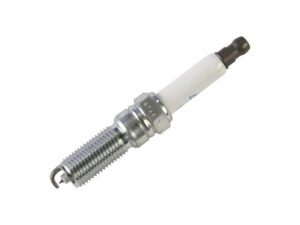 | ACDelco GM Original Equipment 41-156 Iridium Spark Plug | Check Price |
Second Best | ACDelco GM Original Equipment 41-125 (12681659) Iridium Spark Plug | Check Price |
Third Choice | ACDelco GM Original Equipment 41-108 (12681658) Iridium Spark Plug | Check Price |
The three spark plugs below share an OE-focused ACDelco design, but their applications are different. I would choose between them primarily according to the Malibu’s model year, engine displacement, engine code, and original plug specification rather than trying to rank them by advertised performance alone.
1. ACDelco GM Original Equipment 41-156 Iridium Spark Plug
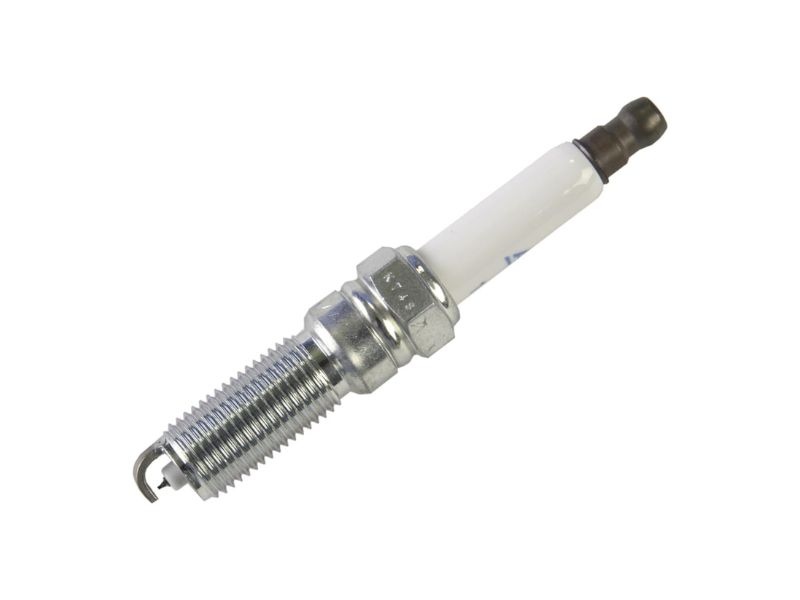
Key Features
- Iridium electrode construction
- GM Original Equipment-oriented design
- Designed for compatible modern Malibu applications
- Factory-set electrode gap
- Strong fit for compatible 1.5L turbo engines
The ACDelco 41-156 is my first choice for owners of compatible newer Chevy Malibu models, particularly those using the 1.5L turbocharged four-cylinder engine. That application is important because the 1.5L engine is common in the later Malibu lineup, making this plug relevant to a large percentage of people searching for replacement Malibu spark plugs.
The main advantage here is not an exaggerated horsepower claim. It is correct OE-style compatibility. A spark plug has to place its electrodes at the right location in the combustion chamber, maintain the intended heat characteristics, work with the ignition system, and provide the specified gap. A plug that looks physically similar but differs in one of those areas is not automatically a suitable substitute.
The 41-156 uses an iridium electrode, which is particularly useful in modern ignition systems because iridium tolerates high operating temperatures and electrode wear well. A fine center electrode can also require less voltage to initiate the spark than a much larger conventional electrode, helping the ignition system produce a consistent spark under normal operating conditions.
That matters in a small turbocharged engine. Cylinder pressure rises when the turbocharger is producing boost, and reliably igniting the compressed air-fuel mixture places demands on the ignition system. The correct spark plug works together with the ignition coil rather than attempting to compensate for it.
I would also leave the factory-set gap alone. GM OE iridium plugs are supplied pre-gapped, and bending the electrodes in an attempt to alter the gap can damage the fine-wire design. If a new plug appears damaged or its gap is clearly incorrect for the application, replacing it is safer than aggressively adjusting the electrode.
Installation is straightforward in principle because the Malibu uses a coil-on-plug ignition arrangement. The ignition coil is removed to access the plug below it. However, plug wells should be clean before removal, and the new plug should be threaded into the cylinder head carefully by hand before final tightening. Cross-threading an aluminum cylinder head can turn a routine maintenance job into an expensive repair.
One point buyers should check is package quantity. A four-cylinder engine requires four spark plugs when replacing the complete set, so make sure the quantity you order matches the job.
I would choose another plug if your Malibu has the 2.0L turbo or an older engine that specifies a different OE number. Similar appearance and the same electrode material do not make two spark plugs interchangeable.
What I Like
- Strong relevance for compatible modern 1.5L Malibu models
- Durable iridium electrode construction
- OE-oriented design simplifies the selection process
- Factory-set configuration reduces unnecessary adjustment
What I Do Not Like
- It is not a universal Malibu spark plug
- Exact engine identification is still necessary
- Package quantity should be checked before beginning a complete replacement
For a compatible 1.5L turbo Malibu, the 41-156 is the option I would consider first. It provides the kind of OE-focused fit and iridium construction I want from a routine replacement plug without relying on questionable performance claims.
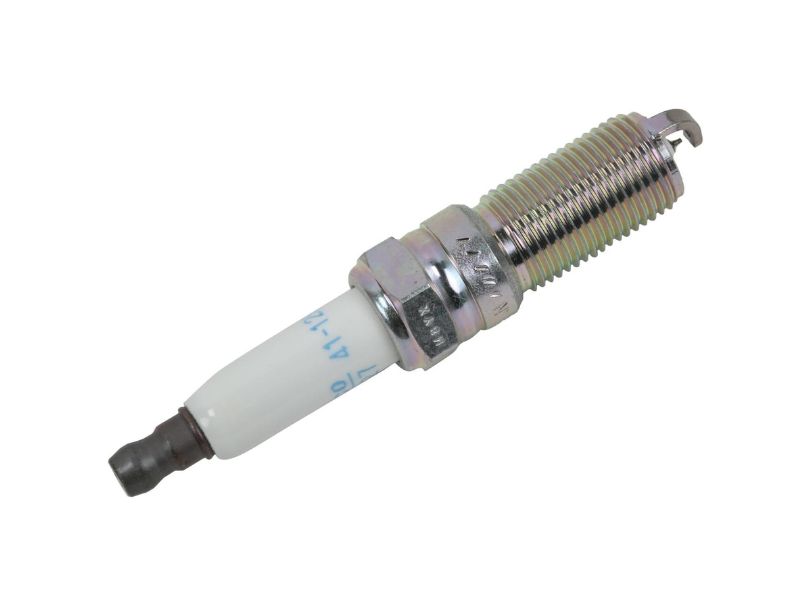
2. ACDelco GM Original Equipment 41-125 (12681659) Iridium Spark Plug
Key Features
- Iridium electrode construction
- GM OE-oriented replacement design
- Intended for compatible 2.0L turbo applications
- Factory pre-gapped configuration
- Designed for use with the original ignition system
The ACDelco 41-125 is the more appropriate choice when the Malibu uses a compatible 2.0L turbocharged engine rather than the 1.5L application associated with my first recommendation.
This distinction is important. Two Malibu sedans from similar model years can have different engines, and those engines can require different spark plugs. Buying a plug by vehicle model alone is therefore one of the easiest ways to order the wrong part.
The 41-125 uses iridium construction and follows the same basic OE-oriented philosophy as the 41-156. Iridium is useful because the center electrode is exposed to repeated high-temperature combustion cycles. Its high resistance to wear helps maintain electrode geometry for a long service period when the engine and ignition system are operating correctly.
The 2.0L turbo application also makes correct plug specification especially important. Under boost, the engine compresses a greater mass of air into the cylinder. That increases cylinder pressure, and the ignition system must still produce a reliable spark across the plug gap. Using an incorrect plug, excessive gap, or damaged ignition coil can contribute to misfire problems that may become especially noticeable during acceleration.
I would not alter the factory gap on this plug. A fine iridium electrode can be damaged by careless gapping techniques, and an OE replacement should arrive configured for its intended application. If there is uncertainty, confirm the vehicle specification rather than trying to modify the plug to make it fit a different engine.
Installation considerations are similar to the 1.5L model. The engine should be cool, dirt should be removed from the plug wells, and ignition coil connectors and boots should be inspected while everything is accessible. If a boot contains oil, coolant, significant corrosion, or carbon tracking, simply installing new plugs may not correct the underlying problem.
The plug itself also has no meaningful standalone noise rating or energy-efficiency rating. Its contribution is indirect. Correct combustion can help an engine idle smoothly, but a rough or noisy engine can have many causes beyond spark plugs, including ignition coils, injectors, mechanical problems, vacuum leaks, or fuel-control issues.
I would choose the 41-125 over the 41-156 only when the engine specification calls for it. For the 1.5L turbo, I would stay with the correct 1.5L application rather than assuming this plug is an upgrade.
What I Like
- Appropriate OE-oriented option for compatible 2.0L turbo applications
- Iridium electrode provides strong wear resistance
- Works within the original ignition-system design
- Factory-set configuration minimizes unnecessary adjustment
What I Do Not Like
- It serves a narrower Malibu engine application
- Engine code and model-year verification remain essential
- It should not be substituted for the 41-156 based only on appearance
The 41-125 is my preferred option of these three for a Malibu that specifically calls for this 2.0L turbo application. Its biggest strength is correct application rather than a claimed performance advantage over the other plugs.
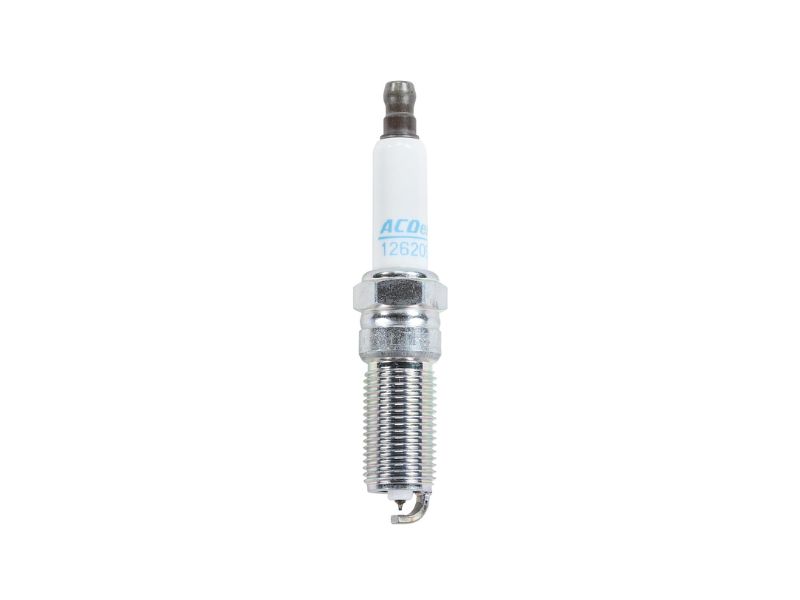
3. ACDelco GM Original Equipment 41-108 (12681658) Iridium Spark Plug
Key Features
- Fine-wire iridium electrode
- GM OE-oriented construction
- Relevant to selected older Malibu engine applications
- Factory-set plug configuration
- Designed for durability and consistent ignition
The ACDelco 41-108 earns the third position because it remains useful for selected older Chevy Malibu applications but is less relevant to the broad group of owners driving newer 1.5L models.
This is exactly where careful compatibility checking matters. I would consider the 41-108 for older Malibu configurations that specifically identify this plug or its corresponding OE application, particularly certain 2.4L-era applications. I would not assume that it is automatically correct for every older Malibu or every 2.5L engine.
That distinction prevents a common spark-plug buying mistake: finding a plug that fits some years of the same vehicle and assuming it fits all engines offered during that generation.
Like the other two choices, the 41-108 uses iridium at the electrode. Iridium’s durability makes it suitable for extended-service ignition applications because the fine electrode can retain its shape better than a basic conventional electrode under normal conditions.
The construction also incorporates resistance and suppression features intended to help the ignition system function without generating unnecessary electrical interference. Modern vehicles contain numerous electronic modules, sensors, and communication circuits, so spark-plug design involves more than simply creating a visible spark.
In practical driving, a healthy set of correctly specified plugs can support stable starting, smooth idle, and clean acceleration. That does not mean changing plugs will automatically cure every drivability complaint. If a cylinder continues to misfire after a plug replacement, I would investigate the ignition coil, coil boot, injector, wiring, compression, and other engine-management factors instead of repeatedly replacing plugs.
Installation deserves care on an older Malibu because years of heat cycles can make plugs and coil boots more difficult to remove. I would work only on a cooled engine and clean around the plug wells before loosening anything. The new plug should start by hand with very little resistance. If it immediately feels tight or crooked, stop rather than forcing it.
I would also avoid treating the 41-108 as an upgrade for a newer 1.5L or 2.0L Malibu. Those engines have their own intended plug applications. Spark plug selection is one area where the correct specification matters more than choosing the most familiar part number.
What I Like
- Useful OE-oriented choice for selected older Malibu applications
- Durable iridium electrode
- Proven conventional replacement approach
- Appropriate when the original engine specification calls for it
What I Do Not Like
- Much less relevant to newer Malibu owners
- Compatibility can vary substantially between older engines
- It should not be assumed to fit a 2.5L engine without specific verification
The 41-108 makes sense when an older Malibu’s exact engine specification calls for it. I would buy it based on confirmed fitment, not simply because the vehicle badge says Malibu.
Chevy Malibu Spark Plug Comparison
| Product | Plug Type | Primary Malibu Application | Engine Focus | Electrode | Gap | Main Strength | Main Limitation |
| ACDelco 41-156 | OE-style iridium | Compatible newer Malibu models | 1.5L turbo | Iridium | Factory pre-gapped | Strong modern Malibu relevance | Not for every engine |
| ACDelco 41-125 | OE-style iridium | Compatible turbo models | 2.0L turbo | Iridium | Factory pre-gapped | Correct focus for compatible 2.0L turbo engines | Narrower application |
| ACDelco 41-108 | OE-style iridium | Selected older Malibu applications | Older engine configurations | Iridium | Factory pre-gapped | Useful OE-style choice for older applications | Requires careful year/engine verification |
The most important difference in this table is compatibility, not electrode material. All three use iridium, so choosing the right one depends primarily on your Malibu’s engine and original specification. I would never select the 41-108 for a newer engine simply because it is also an iridium plug, nor would I install the 41-156 in a 2.0L turbo unless the specific engine application called for it.
How to Choose Spark Plugs for a Chevy Malibu
A spark plug is physically small, but several specifications determine whether it can operate correctly in an engine. When shopping for Chevy Malibu spark plugs, I would work through the following factors in order.
Start With Model Year and Engine
Do not start with electrode material. Start with the exact vehicle.
At minimum, identify:
- Model year
- Engine displacement
- Turbocharged or naturally aspirated configuration
- Engine code when available
- Original or specified replacement spark-plug number
For example, a newer Malibu with a 1.5L turbo should not automatically use the same plug as a Malibu with the 2.0L turbo simply because the cars share the same model name.
Confirm Engine Displacement and Engine Code
Engine displacement is often the quickest way to narrow the choices.
A Malibu may use an engine such as:
- 1.5L turbo four-cylinder
- 2.0L turbo four-cylinder
- 2.4L four-cylinder
- Other engines depending on generation and configuration
If you are uncertain, check the vehicle information, engine label, VIN-based parts information, or the specifications associated with your exact model.
Engine code provides even more precision because two engines with similar displacement can still use different components.
OE Replacement vs Aftermarket Alternatives
An OE replacement is designed around the specifications associated with the original vehicle application. For a daily-driven Malibu with an otherwise stock engine, I generally prefer an OE-style plug because it minimizes uncertainty involving heat range, physical dimensions, resistance, and electrode position.
Aftermarket alternatives can also work well when they are properly cross-referenced, but I would not buy a plug merely because a manufacturer describes it as a high-performance option.
The correct standard plug is better than an incorrectly specified performance plug.
Iridium vs Platinum vs Conventional Spark Plugs
Iridium has become common in modern engines because it is extremely hard and handles high temperatures well. That allows manufacturers to use a relatively fine center electrode while maintaining good durability.
Platinum is also highly wear resistant and is widely used in long-life ignition applications.
A traditional nickel-alloy conventional plug can work perfectly in an engine designed for it, but it generally cannot match the electrode wear resistance of iridium or platinum.
I would not replace an OE-specified iridium plug with a basic conventional plug unless the vehicle specification explicitly supports the change.
Electrode Design
The center and ground electrodes determine where the ignition spark jumps.
A fine-wire center electrode concentrates the electric field into a small area. This can make it easier for the ignition system to initiate the spark while keeping the physical electrode relatively small.
Electrode design should not be modified casually. Fine-wire iridium tips can be damaged by rough handling, incorrect gapping tools, or impact during installation.
Spark Plug Heat Range
Heat range describes how quickly a spark plug transfers heat from its firing tip into the cylinder head.
It does not mean the temperature of the spark.
A plug that is too hot may retain excessive heat, increasing the risk of abnormal combustion or electrode damage. A plug that is too cold may run below the temperature needed to resist deposits and fouling under normal conditions.
That is why I would stay with the heat range specified for the original engine unless an experienced engine builder has a specific reason to change it.
Thread Diameter, Reach, and Seat Type
Physical fit is just as important as electrode material.
Three critical dimensions are:
Thread diameter: The outside diameter of the threaded shell.
Reach: How far the threaded portion extends into the cylinder head.
Seat type: The surface that seals the plug against the cylinder head.
Installing a plug with the wrong reach can position the electrodes incorrectly inside the combustion chamber. In extreme cases, the plug could interfere with other engine components or expose unused threads to combustion deposits.
Never assume that a plug is compatible simply because it can begin threading into the hole.
Spark Plug Gap
The spark plug gap is the distance the ignition spark must jump between the electrodes.
A wider gap can require more ignition voltage. A gap that is too narrow can reduce the spark’s exposure to the air-fuel mixture. Either condition can contribute to poor ignition if it falls outside the engine’s intended specification.
With the GM OE iridium plugs discussed here, I would retain the factory-set gap rather than trying to alter it.
If a plug has obviously been dropped or its electrode is damaged, replace it.
Turbocharged Engine Considerations
Turbocharged engines deserve extra attention because cylinder pressure increases when the engine is operating under boost.
Higher pressure makes it more difficult for the spark to jump the electrode gap. That means worn plugs, an incorrect gap, or a marginal ignition coil may cause symptoms under heavy acceleration even when the engine seems acceptable at idle.
For a turbo Malibu, I would prioritize exact plug specification and ignition-system condition over claims about special racing or high-output plugs.
Durability vs Performance Claims
A new plug can restore performance that was lost because the old plugs were worn, fouled, or damaged.
That is different from adding power beyond the engine’s normal design.
I would be cautious with claims suggesting that a spark plug alone will create large horsepower gains, dramatically increase fuel economy, or transform throttle response in an otherwise healthy stock engine.
The practical goal is consistent ignition.
Buy the Correct Quantity
Most four-cylinder Malibu engines require four spark plugs for a complete replacement.
Before starting the job, confirm that you have enough identical plugs with matching part numbers. I would replace the full scheduled set together rather than mixing plugs with different ages, materials, or specifications across cylinders.
How Spark Plug Specifications Affect Malibu Performance
A gasoline engine needs three fundamental elements for combustion: air, fuel, and ignition. The spark plug provides the ignition event inside the combustion chamber.
When voltage from the ignition coil becomes high enough to overcome the resistance across the electrode gap, electricity jumps from one electrode to the other. That discharge creates the spark that begins combustion of the compressed air-fuel mixture.
Why Fine-Wire Iridium Helps
A thin electrode concentrates the electric field near its tip. Iridium’s durability allows that electrode to remain small without wearing rapidly during normal service.
This can support reliable ignition while retaining the long-life characteristics expected from a modern plug.
Resistance and Electrical Suppression
Spark plugs can include resistance to help reduce high-frequency electrical interference generated by ignition events.
That matters because modern vehicles rely on engine-control modules, sensors, audio systems, communication networks, and other electronics.
Gap and Ignition Voltage
The ignition coil must generate enough voltage for electricity to cross the spark plug gap.
As electrode wear increases the effective gap, voltage demand can increase. If the coil cannot consistently meet that demand, a misfire can occur.
High cylinder pressure can increase the challenge further, which is one reason worn plugs may become more noticeable during hard acceleration in a turbocharged engine.
Spark Plugs and Rough Idle
Bad or fouled plugs can contribute to rough idle, but they are not the only cause.
A rough-running Malibu may also have:
- A weak ignition coil
- Damaged coil boot
- Injector problems
- Intake-air leak
- Compression problems
- Fuel-pressure issues
- Sensor or wiring faults
I would diagnose persistent symptoms rather than assuming every misfire requires another set of spark plugs.
How to Confirm Fit Before Installing Malibu Spark Plugs
Correct fitment should be confirmed before the old plugs come out.
Check the Model Year
Start with the exact model year shown on the registration or vehicle information label.
Identify the Engine
Determine whether your Malibu uses the 1.5L turbo, 2.0L turbo, 2.4L, or another engine.
Check the VIN or Engine Code
When multiple engines were available for the same year, VIN-based identification provides an additional layer of accuracy.
Compare the Original Specification
Whenever possible, compare the replacement part specification with the plug originally specified for the vehicle.
Do not rely only on photographs. Several spark plugs can look almost identical while differing in heat range, reach, resistor design, or electrode position.
Confirm the Number of Plugs Needed
A four-cylinder engine normally uses four spark plugs, one per cylinder. Make sure you have a complete matching set before disassembling the ignition system.
Should You Re-Gap New Iridium Spark Plugs?
For the GM OE iridium plugs covered in this guide, I would not re-gap them.
They are factory pre-gapped. The fine iridium electrode can be damaged if a tool is forced between the electrodes or if the ground electrode is bent carelessly.
You can visually inspect a new plug for shipping damage. If the electrode position is obviously incorrect, replacing the plug is generally preferable to trying to reshape a delicate OE iridium plug.
Basic Installation Considerations
Spark plug replacement is manageable for an experienced DIY owner, but care matters.
Start with a cool engine. Aluminum cylinder heads expand with heat, and working on a hot engine is unnecessary and uncomfortable.
Disconnect and remove the ignition coils carefully. Inspect the connectors and rubber coil boots for cracking, contamination, oil, moisture, or carbon tracking.
Before removing each plug, make sure dirt and debris around the plug well cannot fall into the cylinder.
Use the correct spark plug socket and extension. Once the old plug is removed, place the new plug into the socket carefully and lower it into position.
Start the new plug by hand. It should thread smoothly. If it becomes tight after only a partial turn, remove it and inspect the threads rather than applying force.
Final tightening should follow the specification for your exact engine and plug installation.
I would also avoid automatically coating every plug with anti-seize compound. Modern plated spark-plug shells are often intended to be installed according to their supplied instructions without additional lubricant. Lubricant can alter the relationship between tightening torque and actual clamping force.
Spark Plug Maintenance and Replacement Timing
There is no single replacement mileage I would apply blindly to every Chevy Malibu.
The correct spark plug maintenance interval varies with model year, engine, plug type, and the vehicle’s maintenance schedule. Check the schedule associated with your specific Malibu rather than assuming an interval from a different engine is correct.
Even before scheduled replacement, inspection can be worthwhile if the car develops symptoms such as:
- Repeated misfires
- Rough idle
- Difficult starting
- Hesitation
- Poor acceleration
- Unusual combustion-related vibration
- Noticeable loss of efficiency
When replacing spark plugs, inspect the ignition coil boots at the same time. Cracked insulation, oil contamination, corrosion, or carbon tracking can cause an ignition fault even with a new spark plug.
If one old plug looks dramatically different from the others, investigate why. Heavy oil fouling, coolant contamination, unusual deposits, or mechanical damage can point to an engine problem that a new plug alone cannot solve.
Common Chevy Malibu Spark Plug Mistakes
Buying by Vehicle Name Alone
“Chevy Malibu” is not enough information. Always confirm the year and engine.
Assuming All Malibu Engines Use the Same Plug
The 1.5L turbo and 2.0L turbo are clear examples of why this approach fails.
Choosing Only by Advertised Performance
A plug with aggressive performance marketing is not necessarily better for a stock daily-driven engine.
Re-Gapping Factory Pre-Gapped Iridium Plugs
Unnecessary adjustment can damage a fine electrode.
Using the Wrong Heat Range
Heat range should match the engine’s intended specification unless there is a legitimate technical reason for a change.
Ignoring Reach and Seat Design
The threads fitting does not prove that the plug is correct.
Cross-Threading the Cylinder Head
Start plugs by hand and never force them.
Over-Tightening
Excessive tightening can damage threads, distort components, or make future removal difficult.
Assuming Spark Plugs Cause Every Misfire
Ignition coils, injectors, wiring, compression, and fuel-system problems can produce similar symptoms.
Ignoring the Coil Boots
A damaged boot can allow ignition voltage to leak before it reaches the plug gap.
Mixing Plug Types
I would use a matching set with the same intended specification across all cylinders.
Expecting Guaranteed Fuel-Economy Gains
New plugs may restore normal combustion when old plugs are worn, but they cannot guarantee a specific improvement in mileage.
Frequently Asked Questions
1. What are the best spark plugs for Chevy Malibu?
The best spark plugs for Chevy Malibu depend on the engine. For a compatible modern 1.5L turbo Malibu, I would start with the ACDelco GM Original Equipment 41-156 Iridium Spark Plug. Compatible 2.0L turbo models may instead require the 41-125, while selected older engines can use the 41-108. Always confirm the exact model year, engine, and specified OE plug before ordering because Malibu spark plug applications are not universal.
2. How do I know which spark plugs fit my Chevy Malibu?
Identify your Malibu’s model year, engine displacement, and preferably the VIN or engine code. Then compare that information with the specified replacement plug for your exact engine. Do not choose solely because a product description mentions “Malibu.” Several different engines have been installed in the Malibu over the years, and plugs can differ in heat range, reach, electrode configuration, and other specifications even when they appear similar.
3. What spark plugs fit a 1.5L Chevy Malibu?
Many compatible later-model 1.5L turbo Malibu applications use the ACDelco GM Original Equipment 41-156 Iridium Spark Plug. I would still verify the vehicle’s model year and engine information before installation rather than treating any part number as universal. A correct OE-style plug should match the engine’s intended physical dimensions, heat characteristics, electrode configuration, and factory gap.
4. What spark plugs fit a 2.0L turbo Chevy Malibu?
For compatible 2.0L turbo Malibu applications, the ACDelco GM Original Equipment 41-125 Iridium Spark Plug is the option I would consider from these three. Do not substitute the 41-156 just because it also appears in newer Malibu applications. The 1.5L and 2.0L turbo engines have different plug requirements, so exact engine fitment takes priority over brand or electrode material.
5. Are ACDelco 41-156 and 41-125 interchangeable?
No, I would not treat the 41-156 and 41-125 as interchangeable. They are associated with different engine applications even though both are OE-style iridium plugs. Spark plugs can differ in dimensions, heat characteristics, electrode arrangement, and calibration requirements. Install the plug identified for the specific Malibu engine rather than trying to choose between these two based on which one seems newer or more performance oriented.
6. Are iridium spark plugs better for a Chevy Malibu?
Iridium plugs are an excellent choice when the engine is designed to use them. Iridium is highly resistant to heat and electrode wear, allowing a durable fine-wire center electrode. However, material alone does not determine compatibility. A correctly specified platinum or conventional plug is preferable to an iridium plug with the wrong dimensions or heat range. For the Malibu applications discussed here, I prefer the correct OE-style iridium plug specified for the engine.
7. What is the correct Chevy Malibu spark plug gap?
The correct Chevy Malibu spark plug gap depends on the specific engine and plug specification. There is no gap value that should be applied to every Malibu generation. For the ACDelco GM OE iridium plugs in this guide, I would keep the factory-set gap rather than attempting to adjust it. If you need an exact numerical specification for diagnosis, confirm it using information for your particular model year and engine.
8. Do new spark plugs need to be re-gapped?
Not necessarily. The GM OE iridium plugs discussed in this guide are factory pre-gapped, and I would not attempt to re-gap them. Fine-wire electrodes are more delicate than traditional large electrodes, and careless use of a gap tool can damage the tip. Inspect new plugs for obvious physical damage before installation. If an electrode is bent or the plug appears damaged, replacing it is safer than forcing it back into position.
9. How often should Chevy Malibu spark plugs be changed?
Follow the maintenance schedule for your exact Malibu model year and engine. Replacement intervals are not identical across every generation, so a mileage figure from one Malibu should not automatically be applied to another. Earlier inspection may also be appropriate if the engine develops repeated misfires, hard starting, hesitation, or rough idle. If plugs are replaced unusually early because of fouling or damage, diagnose the underlying cause rather than assuming normal wear.
10. What are the symptoms of worn Malibu spark plugs?
Possible symptoms include difficult starting, rough idle, hesitation, misfire, reduced acceleration, and a decline in normal engine smoothness or efficiency. However, these symptoms are not exclusive to spark plugs. A weak ignition coil, damaged boot, injector fault, air leak, compression problem, or engine-control issue can produce similar behavior. If replacing worn plugs does not solve the problem, further diagnosis is more useful than installing another set.
11. Can bad spark plugs cause a Chevy Malibu to misfire?
Yes. A worn, fouled, cracked, or incorrectly specified spark plug can fail to ignite the air-fuel mixture consistently and cause a cylinder misfire. The problem may become particularly noticeable during acceleration because cylinder pressure increases under load. However, misfires can also originate from ignition coils, injectors, wiring, air-fuel problems, or mechanical faults. Reading diagnostic trouble codes and identifying the affected cylinder can help narrow the cause.
12. Should I replace all four spark plugs at the same time?
For normal scheduled maintenance on a four-cylinder engine, I would replace all four with a matching set. That keeps plug age, electrode material, and wear condition consistent across the cylinders. Replacing a single plug may be reasonable if one relatively new plug is physically damaged and the underlying cause is understood, but installing a complete matching set is usually the cleaner approach when the plugs have reached their scheduled service interval.
13. Do I need to replace ignition coils when changing spark plugs?
No. Ignition coils do not need automatic replacement every time spark plugs are changed. I would inspect the coils and boots while they are removed, looking for cracking, oil contamination, corrosion, burned areas, or carbon tracking. A coil that tests and operates correctly can remain in service. Replacing functioning coils without a reason adds unnecessary cost, while ignoring a clearly damaged coil can leave a misfire unresolved even after new plugs are installed.
14. Can I replace Chevy Malibu spark plugs myself?
Yes, many experienced DIY owners can replace Malibu spark plugs with basic hand tools, a proper spark-plug socket, and careful technique. The engine should be cool, plug wells should be clean, and new plugs should be started by hand to prevent cross-threading. The main risks are damaging ignition connectors, allowing debris into the plug well, cross-threading the cylinder head, or tightening the plugs incorrectly. If you are uncomfortable with those steps, professional installation is reasonable.
15. Can new spark plugs improve fuel economy or acceleration?
They can restore normal performance if the existing plugs are sufficiently worn, fouled, or misfiring. In that situation, new correctly specified plugs may help the engine return to smoother combustion, normal acceleration, and expected efficiency. I would not expect a healthy Malibu with good plugs to gain substantial horsepower or fuel economy simply from installing another standard set. The goal of an OE-style replacement is reliable ignition and restored normal operation, not guaranteed performance gains.
Conclusion
Finding the best spark plugs for Chevy Malibu is primarily a compatibility decision. The Malibu has been offered with multiple engines, so I would identify the year, engine displacement, and original plug specification before deciding which replacement to install.
For a compatible modern 1.5L turbo model, my primary recommendation remains the ACDelco GM Original Equipment 41-156 Iridium Spark Plug. Its OE-oriented design and iridium construction make it the most relevant choice for a broad group of newer Malibu owners.
If your Malibu has a compatible 2.0L turbo engine, I would instead choose the ACDelco GM Original Equipment 41-125 Iridium Spark Plug. For selected older engines that specifically call for its application, the ACDelco GM Original Equipment 41-108 Iridium Spark Plug remains a practical option.
Whichever plug you choose, verify fitment before installation, retain the intended factory gap, use careful threading and tightening practices, and inspect the ignition-coil boots while the plugs are accessible.
If the vehicle specification confirms the 41-156 for your 1.5L Malibu, that is the option I would choose first.