A failing ignition coil can turn an otherwise healthy engine into a frustrating combination of rough idle, hesitation, hard starting, reduced fuel economy, and recurring misfire codes. Choosing the best aftermarket ignition coil, however, involves more than finding a coil with an impressive voltage claim or selecting a part that looks similar to the original. Correct engine fitment, electrical compatibility, connector design, construction quality, and the type of ignition system matter far more.
My primary recommendation is the ENA Set of 8 Curved Boot Ignition Coil Pack DG508 for compatible Ford-family modular engines because it provides a practical way to replace a complete bank of aging coil-on-plug units at once. I would consider the Delphi GN10328 Ignition Coil when OE-style construction and individual coil replacement are the priorities, particularly on compatible BMW and Mini applications.
For older distributor-based ignition systems, the MSD 8203 Blaster 2 Ignition Coil makes more sense. Its canister-style design, electrical characteristics, and included ballast resistor serve a completely different application than modern coil-on-plug systems.
The key is to treat ignition-coil compatibility as a technical fitment issue rather than a universal upgrade.
Best Aftermarket Ignition Coil Options
| Image | Product Name | Check Price |
|---|---|---|
Best Choice | ENA Set of 8 Curved Boot Ignition Coil Pack DG508 | Check Price |
Second Best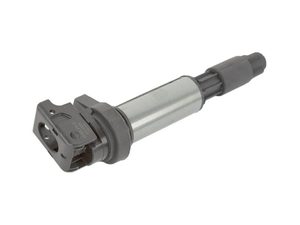 | Delphi GN10328 Ignition Coil | Check Price |
Third Choice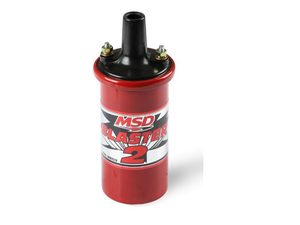 | MSD 8203 Blaster 2 Ignition Coil With Ballast Resistor | Check Price |
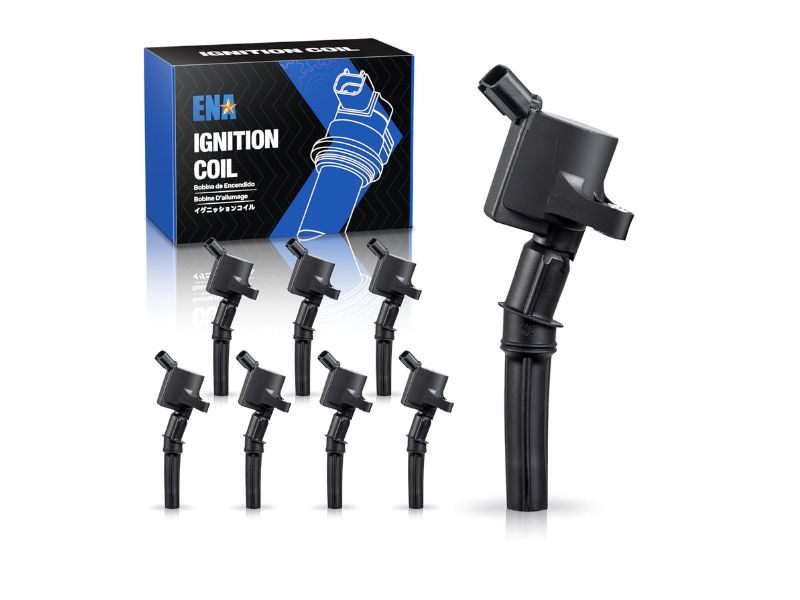
1. ENA Set of 8 Curved Boot Ignition Coil Pack DG508
Key Features
- Eight-coil replacement set
- Coil-on-plug (COP) design
- Curved ignition-coil boots
- Common DG508/FD503-style fitment
- Designed for selected Ford, Lincoln, and Mercury engines
- Intended as a direct replacement for compatible factory-style coils
The ENA DG508 set is the strongest overall recommendation in this group because it addresses one of the most common reasons buyers turn to aftermarket ignition coils: several aging coils on a high-mileage engine.
Instead of purchasing individual units one at a time, this package provides eight coils for compatible V8 applications. That makes it particularly practical for owners of selected Ford-family 4.6L and 5.4L modular V8 engines where coil-on-plug ignition is used.
In a coil-on-plug system, each cylinder receives its own ignition coil mounted directly above or close to the spark plug. This removes the need for conventional spark-plug wires, but it also exposes the coil and boot to considerable heat. On older modular engines, repeated thermal cycling can eventually contribute to insulation deterioration, cracked boots, internal electrical problems, or intermittent misfires.
Replacing a full set can make sense when several original coils are similarly aged. It also avoids the situation where one failed coil is replaced today and another similar-age unit begins misfiring a few weeks later.
That does not mean replacing all eight coils is always necessary. If seven factory coils are functioning correctly and one unit has clearly failed, replacing only the defective coil may be the more economical approach. The full-set format is most appealing when multiple coils have already shown symptoms, the engine has accumulated substantial mileage, or the owner is completing a broader ignition-system refresh.
Fitment is the most important consideration with this product. The DG508 designation is commonly associated with several Ford modular-engine applications, but buyers should never assume that every 4.6L or 5.4L engine uses the same coil. Model year, cylinder-head design, connector shape, boot configuration, and original part-number interchange can vary.
The curved boot should therefore be compared with the existing coil, and the vehicle application should be checked against the correct replacement reference.
Installation is generally straightforward on accessible cylinders. The electrical connector is unplugged, the retaining fastener is removed, and the coil is pulled from the spark-plug well. Some rear cylinders can be more difficult to reach depending on the vehicle.
Before fitting new coils, I would inspect the spark plugs and plug wells carefully. Oil, moisture, damaged plug boots, incorrect spark-plug gaps, or badly worn plugs can cause misfires or increase ignition-system stress. Installing new coils without correcting those underlying issues may shorten their useful life.
This set makes the most sense for a compatible daily driver where the objective is dependable replacement rather than a claimed performance transformation. On a standard engine, I would prioritize correct spark delivery and reliable combustion over marketing claims about increased horsepower.
What I Like
- Provides eight coils for a complete compatible V8 replacement
- Practical for older engines with several aging coils
- Direct coil-on-plug replacement format
- Curved boots match many DG508-style applications
- Simplifies keeping coil age consistent across all cylinders
What I Do Not Like
- Fitment is highly application-specific
- A full set may be unnecessary when only one coil has failed
- Difficult-to-reach cylinders can make installation time-consuming
- Correct diagnosis is still necessary before replacing multiple coils
Verdict
The ENA DG508 set is my primary recommendation for owners of compatible Ford-family modular V8 engines who want to replace several or all aging coil-on-plug units together. Its main advantage is practical full-set replacement rather than outright performance enhancement. Verify the exact engine, model year, connector, and interchange number before ordering.
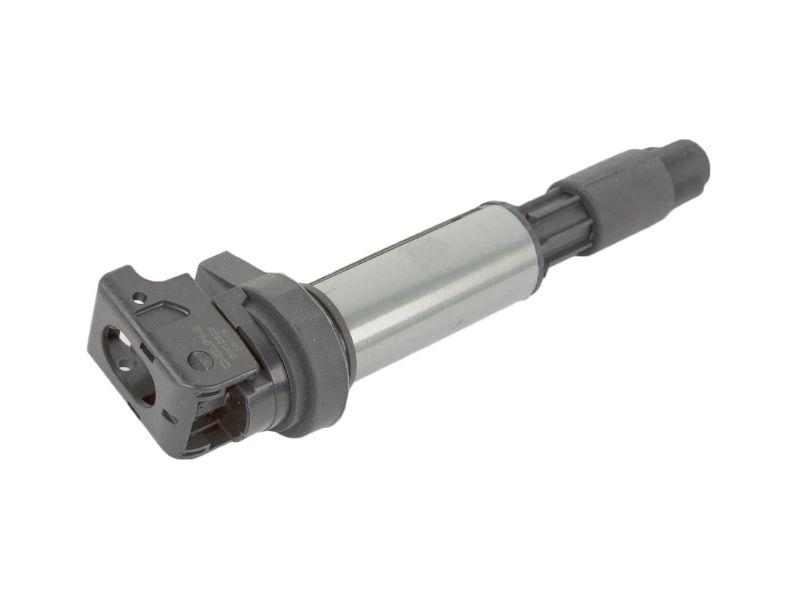
2. Delphi GN10328 Ignition Coil
Key Features
- Individual coil-on-plug ignition coil
- OE-style replacement approach
- Three-terminal blade electrical connection
- Approximately 0.505-ohm primary resistance
- Used on selected BMW and Mini applications
- Suitable for replacing individual failed coils when fitment matches
The Delphi GN10328 is a better match for buyers who are less interested in replacing an entire set and more interested in obtaining an individual OE-style replacement from an established ignition and engine-management component manufacturer.
It is fundamentally different from the eight-piece ENA set. The GN10328 is normally purchased one coil at a time, making it useful when diagnosis has isolated a particular cylinder and the remaining ignition coils are functioning properly.
This approach can be especially sensible on a vehicle where the existing coils are not all the same age or where several have already been replaced previously.
The GN10328 uses a modern coil-on-plug architecture, meaning the coil is controlled by the engine-management system and positioned at the spark plug rather than feeding spark through a conventional distributor.
One relevant electrical specification is its approximately 0.505-ohm primary resistance. Primary resistance describes the resistance in the coil’s low-voltage winding. It is one part of the coil’s electrical design, but it should not be treated as a standalone performance score. A lower or higher number is not automatically better. The correct resistance needs to work with the vehicle’s ignition control strategy.
This is why aftermarket ignition coils should not be selected simply by comparing resistance values or maximum-voltage numbers.
Fitment also deserves close attention. The GN10328 is associated with selected BMW and Mini applications, including systems where specific Bosch-style ignition components are used. That does not mean it fits every BMW or Mini engine. Engine generation, production date, connector geometry, and original-equipment reference number can all matter.
When replacing an individual coil, a practical diagnostic technique is to move the suspected coil to another cylinder when the engine layout allows it. If a cylinder-specific misfire code follows the coil, the diagnosis becomes much stronger. For example, if a P0302 fault changes to another cylinder after swapping coils, that can indicate the coil itself is responsible.
However, a coil should not automatically be blamed for every misfire. A damaged spark plug, injector fault, intake leak, wiring problem, low compression, or excessive oil inside the plug well can produce similar symptoms.
Installation should include inspection of the coil boot, electrical connector, and spark-plug condition. If a spark plug is excessively worn, the coil may have to generate greater voltage to bridge an enlarged gap. That additional demand can contribute to ignition stress.
For buyers who value OE-style replacement and do not need a complete set, the Delphi is the more logical choice than the ENA package.
What I Like
- Suitable for individual coil replacement
- OE-style design philosophy
- Established ignition-component brand
- Relevant electrical specifications are available
- Good fit for targeted repairs after proper diagnosis
What I Do Not Like
- Sold individually rather than as a complete engine set
- Vehicle fitment must be checked carefully
- Not appropriate for every BMW or Mini engine
- Replacing several cylinders individually can become costly compared with a set
Verdict
I would choose the Delphi GN10328 when a compatible vehicle needs a specific individual coil rather than a complete ignition-coil set. Its OE-style approach is particularly attractive for buyers who prioritize predictable replacement characteristics. Exact engine and OE-reference compatibility remain essential.
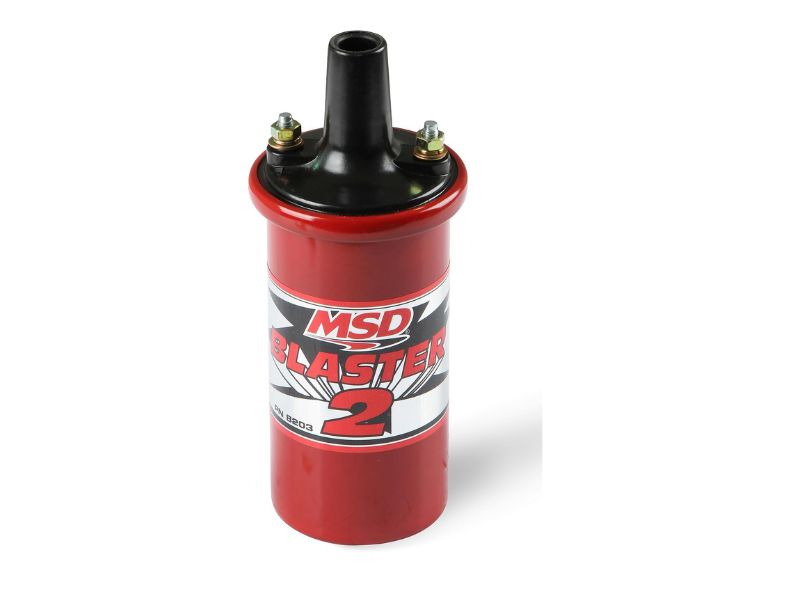
3. MSD 8203 Blaster 2 Ignition Coil With Ballast Resistor
Key Features
- Traditional canister-style ignition coil
- Up to 45,000-volt advertised maximum output
- 100:1 turns ratio
- Approximately 0.7-ohm primary resistance
- Approximately 4.5K-ohm secondary resistance
- Oil-filled construction
- Ballast resistor included
- Intended for compatible points and electronic/distributor ignition systems
The MSD 8203 Blaster 2 is included because not every buyer searching for an aftermarket ignition coil owns a modern coil-on-plug vehicle. Classic cars, older trucks, hot rods, and distributor-equipped engines require a completely different type of ignition coil.
The Blaster 2 uses the familiar cylindrical canister format that has been used for decades with traditional distributor ignition systems.
Its advertised maximum output is 45,000 volts, supported by a 100:1 turns ratio. The turns ratio describes the relationship between the number of windings on the coil’s secondary side and its primary side. Increasing voltage is one of the fundamental purposes of an ignition coil: the low-voltage electrical supply must be transformed into enough voltage to jump the spark-plug gap.
However, a 45,000-volt rating does not mean the engine continuously receives 45,000 volts. The actual voltage required varies with spark-plug gap, cylinder pressure, mixture, ignition-system condition, and other operating factors. The coil supplies the voltage demanded by the system up to its capability.
This distinction is important because aftermarket ignition marketing often encourages buyers to equate larger voltage numbers directly with more horsepower. That is not how ignition performance works on a healthy engine.
If the existing system already provides adequate spark energy for complete combustion, simply installing a higher-capability coil does not automatically create additional power.
The Blaster 2 has approximately 0.7 ohm of primary resistance and around 4.5K ohms of secondary resistance. These specifications matter more on conventional ignition systems because the coil must be matched correctly to the points, ignition module, ballast resistance, and charging voltage.
A ballast resistor is included, which is particularly important when the coil is used with traditional breaker points. Excessive primary current can overheat a low-resistance coil or shorten point life if the system is configured incorrectly.
Its oil-filled design helps transfer internal heat away from the windings, but mounting requirements deserve attention. Oil-filled coils generally need to be installed according to their specified orientation so that internal components remain properly cooled.
This model is therefore a good option when restoring or upgrading a compatible older ignition system, but it should never be viewed as a substitute for a modern coil-on-plug unit.
Owners using aftermarket capacitive-discharge ignition boxes should also verify the recommended coil configuration for the particular ignition controller.
What I Like
- Well suited to traditional distributor ignition systems
- Useful electrical specifications are clearly defined
- Includes a ballast resistor
- Higher-output capability can support appropriate modified ignition systems
- Familiar canister design works well in many classic applications
What I Do Not Like
- Not compatible with modern coil-on-plug systems
- Correct ballast and primary-resistance setup is critical
- Higher voltage alone does not guarantee additional engine power
- Oil-filled construction requires attention to installation orientation
Verdict
The MSD 8203 Blaster 2 is the best fit among these three options for compatible classic and distributor-equipped engines. I would choose it when the ignition architecture specifically calls for a canister coil and the electrical system can be configured correctly. It should not be purchased as a universal performance upgrade for modern vehicles.
Aftermarket Ignition Coil Comparison
| Product | Coil Type | Quantity | Intended Application | Electrical Specification | Ignition System | Construction | Installation Consideration | Main Strength | Main Limitation |
| ENA DG508 Coil Pack Set | Coil-on-plug | 8 | Selected Ford-family modular engines | Vehicle-specific COP design | ECU-controlled COP | Direct-replacement style | Verify engine, year, connector, and boot | Complete eight-coil replacement | Limited to compatible applications |
| Delphi GN10328 | Coil-on-plug | 1 | Selected BMW and Mini applications | Approx. 0.505-ohm primary resistance | ECU-controlled COP | OE-style replacement | Match OE reference and connector | Individual quality-focused replacement | One coil per purchase |
| MSD 8203 Blaster 2 | Canister coil | 1 | Compatible classic/distributor systems | 0.7-ohm primary, 4.5K-ohm secondary, 100:1 ratio | Points/electronic distributor | Oil-filled canister | Ballast and mounting setup matter | Strong traditional ignition-system option | Not suitable for modern COP engines |
The most important difference is not output voltage but ignition-system architecture. The ENA and Delphi products serve modern coil-on-plug engines, while the MSD serves traditional distributor-based systems. Within the COP category, the ENA is a complete-set solution, whereas the Delphi makes more sense for targeted individual replacement.
How I Would Compare Aftermarket Ignition Coils
I would evaluate an aftermarket ignition coil first by fitment and electrical compatibility, then by construction, manufacturer credibility, intended application, and replacement value.
A coil that fits physically but has the wrong connector, winding characteristics, control strategy, or boot design is not a good replacement.
I also place more importance on reliable OE-style operation than exaggerated output claims. On a standard daily-driven engine, the goal is consistent spark delivery under heat, vibration, idle, acceleration, and load. Performance-oriented coils become more relevant when an engine has genuinely increased ignition demands and the rest of the ignition system is configured to support them.
How to Choose the Best Aftermarket Ignition Coil
Match the Coil to Your Exact Vehicle
Vehicle fitment should be the first filter.
Do not buy an ignition coil because the product image resembles your existing part. Two coils can look nearly identical while using different connectors, mounting points, internal resistance, boot lengths, or control electronics.
Check the vehicle year, make, model, engine displacement, and ideally the engine code.
Check the Engine and Model Year
A single vehicle nameplate may have been offered with several engines during the same model year. Manufacturers also make mid-generation ignition-system changes.
For example, two vehicles with the same model name may use different coil designs depending on whether the engine is a V6, V8, turbocharged four-cylinder, or another configuration.
Always treat the engine as part of the fitment information.
Match OE and Interchange Numbers
The safest aftermarket purchase usually starts with the original OE part number or a verified interchange number.
If the old coil is accessible, compare the part number printed or molded into the housing with the replacement specification. Matching the connector, mounting arrangement, and interchange reference greatly reduces fitment errors.
Understand Coil-on-Plug vs Canister Ignition
A coil-on-plug system places a separate ignition coil at each cylinder.
A traditional canister coil normally supplies high voltage to a distributor, which directs that voltage to individual spark plugs.
These systems are not interchangeable.
A product such as the MSD Blaster 2 may be suitable for an older distributor-equipped engine, while a modern Ford or BMW engine requires individual ECU-controlled coils.
Consider Primary Resistance
Primary resistance is the electrical resistance in the low-voltage winding.
It influences current flow through the coil. Using an inappropriate primary resistance can affect coil saturation, heat generation, ignition-module load, and breaker-point life.
This factor is especially important on older systems where ballast resistors and points are involved.
Understand Secondary Resistance
Secondary resistance is measured across the high-voltage side of the coil.
It can provide useful diagnostic information, but the correct value depends on the design. Do not compare two unrelated coil architectures and assume that the one with greater or lower resistance is automatically superior.
Do Not Shop by Maximum Voltage Alone
A coil’s maximum advertised voltage represents its potential capability, not the voltage constantly delivered to the spark plug.
The ignition system produces enough voltage to ionize the gap and create a spark. Required voltage changes with cylinder pressure, plug gap, mixture, and engine operating conditions.
If a healthy standard engine already has sufficient ignition energy, an even higher theoretical voltage capability may provide no meaningful performance improvement.
Consider Heat and Vibration Resistance
Ignition coils operate in a harsh environment.
Modern COP units often sit directly on hot cylinder heads. Repeated heating and cooling can degrade insulation and boots over time.
Engine vibration adds another stress. Good construction and stable electrical insulation therefore matter more than flashy exterior design.
Decide Between One Coil and a Full Set
Replacing a single coil is often the correct decision when diagnosis clearly identifies one failure and the remaining coils are in good condition.
A complete set becomes more attractive when:
- several coils have already failed
- all coils are similarly old
- the engine has high mileage
- access is difficult enough that repeated repairs are undesirable
- a broader spark-plug and ignition refresh is already planned
There is no universal rule requiring every coil to be replaced simultaneously.
Performance Coil vs OE-Style Replacement
A stock daily driver normally benefits more from an OE-style replacement than from a performance coil chosen solely for a larger advertised voltage.
Performance coils become more relevant on engines with modified boost, increased cylinder pressure, wider spark-plug gaps, alternative fuels, high RPM demands, or specialized ignition controllers.
Even then, the entire ignition system needs to work together.
Understanding Ignition Coil Specifications
Primary Resistance
Primary resistance is measured in the low-voltage winding. It affects how much current flows through the coil when energized.
On traditional points systems, resistance that is too low can cause excessive current and accelerate point or coil damage.
Secondary Resistance
Secondary resistance refers to the high-voltage winding. It is normally much higher than primary resistance.
Resistance readings can sometimes help identify an open or severely damaged winding, although manufacturer specifications should always be used for diagnosis.
Turns Ratio
The turns ratio compares the number of secondary windings with the number of primary windings.
A large difference in winding count is what allows an ignition coil to transform relatively low system voltage into the much higher voltage required for a spark.
Spark Voltage
Spark voltage is the electrical potential required to bridge the spark-plug gap.
The required value increases with cylinder pressure and plug-gap distance. A larger theoretical coil rating does not necessarily mean the spark plug receives that voltage during every firing event.
Spark Duration
Spark duration describes how long the spark event continues.
Voltage is only one part of ignition performance. The amount and duration of usable spark energy also affect combustion reliability.
Dwell Time
Dwell time is the period during which current flows through the primary winding so the coil can build a magnetic field before firing.
On modern vehicles, dwell is controlled electronically. Installing a coil that does not match the intended control strategy can create reliability or performance problems.
Ignition Coil Fitment and Installation Guide
Verify the Original Part Number
Before removing anything, record the original coil number when possible.
Cross-reference that number with the replacement rather than relying only on a generic vehicle description.
Inspect the Spark Plugs
New coils should not be installed over neglected spark plugs without inspection.
An excessively worn plug often develops a larger effective gap, increasing the voltage required to fire. That can place greater stress on the ignition coil.
Check the Coil Boots
Look for:
- cracks
- carbon tracking
- oil contamination
- moisture
- hardened rubber
- damaged springs or contacts
A new coil with a compromised boot connection can still produce a misfire.
Inspect Electrical Connectors
Broken locking tabs, corroded terminals, loose wiring, or damaged harness insulation can create intermittent ignition faults.
A new coil cannot repair a poor electrical connection.
Use Correct Fastener Torque
COP retaining bolts are generally small.
Overtightening can damage plastic housings, mounting tabs, or threaded holes. Use the vehicle manufacturer’s specified torque rather than tightening aggressively.
Understand Ballast-Resistor Requirements
Older ignition systems may use a ballast resistor to control primary current.
Using a low-resistance performance coil without the required ballast can overheat the coil or shorten breaker-point life. Always match the resistor and coil to the ignition-system design.
Recheck Misfire Codes After Repair
After installation, clear applicable fault codes and verify operation.
If the same cylinder continues to misfire, further diagnosis may be necessary. Spark plugs, injectors, wiring, intake leaks, compression, and engine-control problems can all produce misfire symptoms.
Ignition Coil Maintenance
Ignition coils themselves generally do not require scheduled maintenance, but the surrounding ignition system does.
Keeping spark plugs in good condition is one of the most effective ways to reduce unnecessary ignition stress. Plug wells should also remain free from oil and water.
Whenever coils are removed, inspect the boots for cracking or carbon tracking. Electrical connectors should remain clean and secure.
Repeated coil failure should be investigated rather than treated as normal maintenance. Excessive heat, leaking valve-cover seals, poor grounds, charging-system problems, incorrect plugs, or unsuitable ignition components can shorten coil life.
Common Ignition Coil Buying Mistakes
Buying by Vehicle Name Alone
Vehicle model alone is not enough. Always check the model year, engine, and original coil reference.
Choosing the Highest Advertised Voltage
Maximum voltage is not a universal performance ranking.
Compatibility and usable spark energy matter more.
Assuming Performance Coils Add Horsepower
A stronger coil does not automatically make a healthy stock engine more powerful.
If the factory ignition already fires the mixture reliably, additional voltage capability may produce no measurable improvement.
Ignoring Spark-Plug Condition
Bad plugs can mimic coil problems and can also increase coil workload.
Inspect them during diagnosis.
Confusing Coil Packs With Coil-on-Plug Coils
A coil pack may serve multiple cylinders, while a COP system normally uses one coil per cylinder.
The terms are often used loosely in product descriptions, so verify the actual architecture.
Replacing Parts Before Diagnosing the Misfire
A misfire code identifies a combustion problem, not automatically a failed ignition coil.
Fuel delivery, compression, vacuum leaks, wiring, and spark plugs can all cause similar symptoms.
Installing the Wrong Canister-Coil Resistance
Traditional ignition systems are especially sensitive to primary resistance and ballast configuration.
Incorrect matching can cause overheating, weak spark, or premature component failure.
Frequently Asked Questions
Are aftermarket ignition coils as good as OEM coils?
Yes, a well-matched aftermarket coil can provide reliable OE-style performance.
Quality varies widely, so brand reputation, electrical compatibility, correct fitment, and construction are important. An aftermarket part should match the vehicle’s connector, mounting style, ignition-control strategy, and OE interchange requirements. A dependable replacement does not need exaggerated output claims; consistent operation across heat, vibration, idle, and engine load is more important.
What is the best aftermarket ignition coil for a daily driver?
The best aftermarket ignition coil is one that closely matches the original electrical and fitment requirements.
For most standard daily-driven vehicles, I would prioritize OE-style operation, proper connector fit, heat resistance, and a proven application over performance marketing. A complete set can make sense when several same-age coils are deteriorating, while individual replacement is often better when only one properly diagnosed coil has failed.
Do aftermarket ignition coils increase horsepower?
Not usually on an otherwise stock engine with a healthy ignition system.
An engine only needs enough ignition energy to fire the mixture reliably. If the original coils already meet that requirement, installing higher-output replacements will not automatically increase airflow, fuel delivery, compression, or power. Upgraded coils can become more useful on modified engines with higher cylinder pressure, increased boost, wider plug gaps, or other conditions that create greater ignition demand.
Is a higher-voltage ignition coil always better?
No, a larger maximum-voltage rating does not automatically mean better engine performance.
The spark plug draws the voltage required to bridge its gap under current cylinder conditions. Maximum coil voltage only represents potential capability. Proper dwell control, spark energy, coil saturation, resistance, insulation quality, and system compatibility are also important. Selecting a coil purely because it advertises a larger voltage number can lead to a poor match.
How do I know which ignition coil fits my vehicle?
Match the year, engine, connector, ignition type, and original part number.
Start with the vehicle’s exact year, make, model, engine displacement, and engine code when available. Then compare the OE or interchange number from the existing coil. Connector shape, mounting points, boot length, and ignition architecture should also match. Do not assume two visually similar coils are electrically interchangeable.
Should I replace one ignition coil or all of them?
Replace one when failure is isolated; replace the set when broader age-related deterioration makes sense.
If diagnosis identifies one defective coil and the others are functioning normally, replacing only that unit is reasonable. A complete set becomes more appealing when several coils have already failed, all are similarly old, mileage is high, or labor access makes repeated future replacements inconvenient. There is no universal requirement to change every coil at once.
Can bad spark plugs damage new ignition coils?
Yes, severely worn or improperly gapped spark plugs can increase ignition-coil stress.
As a spark-plug gap grows with wear, the ignition system may require more voltage to initiate the spark. That greater demand can make the coil work harder and may contribute to insulation breakdown or secondary ignition leakage over time. I would inspect or replace overdue spark plugs before installing new coils, especially when multiple ignition components have failed.
What are the symptoms of a failing ignition coil?
Common symptoms include misfires, rough idle, hesitation, hard starting, and reduced engine performance.
A failing coil may produce symptoms only under acceleration or heavy load because cylinder pressure increases the voltage required for ignition. The check-engine light may also illuminate, sometimes with a cylinder-specific P0301–P0308 code. However, those symptoms are not exclusive to coils, so spark plugs, injectors, wiring, compression, and intake leaks should also be considered.
Can a bad ignition coil cause a P0300 code?
Yes, ignition-coil problems can contribute to a P0300 random or multiple-cylinder misfire code.
P0300 means the engine controller has detected misfires affecting multiple or varying cylinders. Several weak coils could contribute, but the code can also result from vacuum leaks, incorrect fuel pressure, injector problems, mechanical issues, or other ignition faults. Diagnosis should therefore go beyond replacing coils based on the code alone.
How long do aftermarket ignition coils usually last?
Service life varies significantly with coil quality, engine heat, spark-plug condition, and operating environment.
There is no dependable universal replacement interval for all ignition coils. High underhood temperature, oil contamination, moisture, vibration, excessive plug gaps, poor charging voltage, and manufacturing quality can all affect longevity. Coils that repeatedly fail within a short period usually justify investigating the surrounding ignition and electrical system.
Can a bad ignition coil reduce fuel economy?
Yes, a weak or intermittently misfiring coil can reduce combustion efficiency and fuel economy.
When a cylinder does not burn its air-fuel mixture consistently, engine performance suffers and the control system may make compensating adjustments. The driver may also use more throttle to achieve normal acceleration. Because many mechanical and fuel-system problems can also reduce fuel economy, poor mileage alone should not be used to diagnose a coil.
What is the difference between a coil pack and coil-on-plug ignition?
A coil pack usually serves multiple cylinders, while coil-on-plug uses a separate coil for each cylinder.
Older electronic ignition systems often use one housing containing several coil sections that distribute spark to multiple cylinders through plug wires. Modern COP systems place an individual coil directly over each spark plug. The terms are sometimes used interchangeably in product listings, but the actual designs and fitment requirements are different.
What does primary resistance mean on an ignition coil?
Primary resistance measures electrical resistance through the coil’s low-voltage winding.
It helps determine current flow when the coil charges. The correct resistance depends on the ignition system. On older points systems, a coil with very low primary resistance may require a ballast resistor to limit current. On modern electronically controlled systems, coil design and dwell strategy are matched by the vehicle manufacturer, so specifications should not be altered casually.
Does a performance ignition coil require different spark plugs?
Not automatically; spark-plug specification should still match the engine and its modifications.
Installing a performance coil does not by itself justify changing plug heat range or gap. Those decisions should be based on cylinder pressure, boost, fuel type, engine calibration, combustion temperature, and manufacturer or tuner recommendations. An unnecessarily wide plug gap can increase voltage demand and create misfires rather than improve performance.
When is a ballast resistor required with an ignition coil?
A ballast resistor is required when the coil and ignition system are designed to limit primary current that way.
This is most relevant to older breaker-point and certain electronic distributor systems. The resistor reduces current after startup, helping protect the coil and points from excessive heat and electrical load. A canister coil’s primary-resistance specification should be checked before deciding whether it can run directly on system voltage.
Conclusion
Choosing the best aftermarket ignition coil starts with compatibility, not the largest output number printed on the box. The coil must match the vehicle’s engine, connector, electrical design, mounting arrangement, and ignition-system architecture before performance claims matter.
For compatible Ford-family modular V8 applications, the ENA DG508 eight-coil set remains my primary recommendation. It is particularly practical when several same-age coil-on-plug units are being refreshed together and a complete replacement set makes more sense than repeated individual repairs.
The Delphi GN10328 is the stronger alternative when the goal is an OE-style individual replacement on a compatible BMW or Mini application. I would choose it when diagnosis identifies one failed coil and the remaining units do not need replacement.
The MSD 8203 Blaster 2 serves a completely different buyer. Its canister-style construction, defined resistance characteristics, and ballast-resistor compatibility make it appropriate for selected classic and distributor-based ignition systems rather than modern coil-on-plug engines.
Whichever option fits your application, inspect the spark plugs, boots, connectors, and plug wells at the same time. Repeated misfires should also be diagnosed rather than treated as automatic proof of coil failure.
For most buyers, the right decision is simple: verify the exact engine and original coil reference first, then choose the replacement that most closely matches the vehicle’s actual ignition requirements.