Finding the best coil pack for 4.7 Dodge engines requires more care than simply buying an eight-piece set that looks like the original coils. The 4.7L V8 appeared in several Dodge vehicles and went through ignition-system changes during its production life, which makes model year, engine configuration, connector design, and OE interchange numbers particularly important.
For the common earlier 4.7L applications that use the UF270-style coil, my primary recommendation is the ENA Set of 8 UF270 Ignition Coil Packs. I like it for owners who want to replace all eight aging coils together rather than repair one cylinder at a time. The complete set is especially practical during a broader ignition-system refresh.
I would consider the Denso 673-5300 Direct Ignition Coil when I want a quality-focused individual replacement and the other coils are still working correctly. The NGK U5053 Ignition Coil is another strong individual-coil option for compatible UF270 applications, particularly for buyers who want an established ignition-component manufacturer.
There is one important limitation to understand before ordering any of these products: they target the earlier UF270-style 4.7L ignition system. Later 4.7L engines can use a different coil design. Always verify the exact model year and OE number before purchasing.
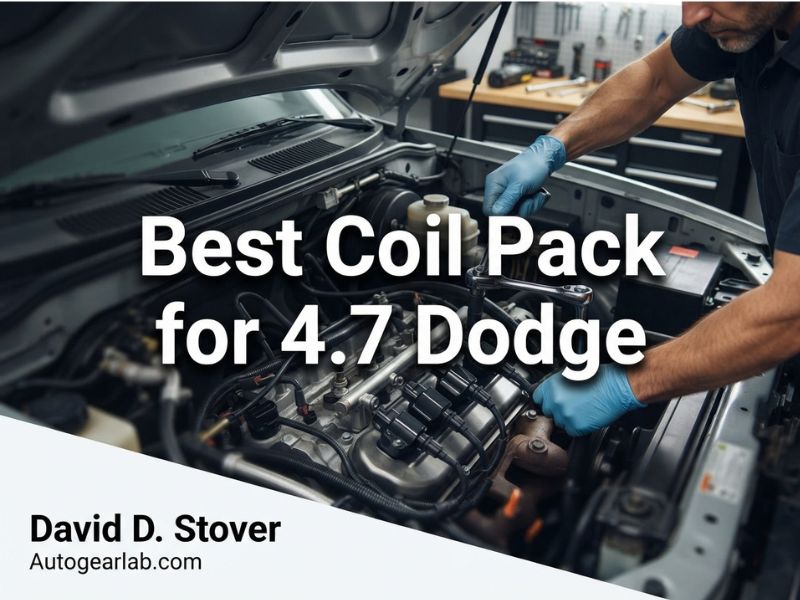
Best Coil Pack for 4.7 Dodge Engines
| Image | Product Name | Check Price |
|---|---|---|
Best Choice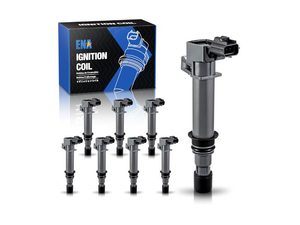 | ENA Set of 8 UF270 Ignition Coil Packs | Check Price |
Second Best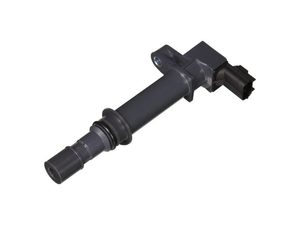 | Denso 673-5300 Direct Ignition Coil | Check Price |
Third Choice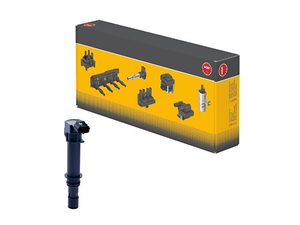 | NGK U5053 Ignition Coil | Check Price |
1. ENA Set of 8 UF270 Ignition Coil Packs

Key Features
- Complete set of eight ignition coils
- Designed around the UF270 coil family
- 12-volt coil-on-plug configuration
- Two-terminal electrical connection
- Bolt-on mounting design
- Compatible with selected 4.7L V8 Dodge applications
- Useful for complete ignition-coil replacement
The ENA UF270 set earns the first position because it closely matches what many people actually mean when searching for a coil pack for a Dodge 4.7L: a complete set of eight replacement ignition coils.
The Dodge 4.7L V8 uses one ignition coil for each cylinder in the relevant UF270 applications. That means a full replacement requires eight coils, and buying a matched set can be more convenient than ordering individual units separately.
This set is designed for several earlier 4.7L applications, including selected Dodge Dakota, Durango, and Ram 1500 models. The common interchange family includes UF270 and OE numbers from the 56028138 series.
That compatibility is the most important part of this recommendation.
The 4.7L engine remained in production beyond the years covered by this coil design, and later versions changed ignition components. I would therefore never buy this set based only on the words “Dodge 4.7.” Checking the vehicle year and existing coil number is essential.
From a maintenance perspective, the eight-piece configuration makes good sense when an older engine still has most or all of its original coils. Ignition coils are subjected to constant heat cycling and vibration. If several same-age coils have accumulated substantial mileage, replacing the entire set can reduce the likelihood of repeatedly returning under the hood as individual coils begin failing.
That does not mean all eight coils must always be replaced.
If a scan tool identifies a single cylinder misfire and testing confirms that only one coil is defective, an individual quality replacement can be the smarter purchase. The ENA set becomes more attractive when several cylinders have already experienced coil-related problems or when the owner wants to refresh the complete ignition system.
Installation is based around a straightforward coil-on-plug (COP) layout. Each coil sits at the cylinder and delivers spark without the traditional distributor arrangement found on older engines.
For a proper installation, I would inspect the plug wells before inserting the new coils. Oil contamination, moisture, cracked boots, carbon tracking, or heavily worn spark plugs can all create problems that a new ignition coil alone cannot solve.
Spark-plug condition is especially important. As a plug wears and its effective gap increases, the coil may need to generate more voltage to initiate the spark. That increased demand can contribute to ignition stress.
I would also inspect every coil connector for damaged locking tabs, loose terminals, or brittle wiring. Older engine-bay wiring can become heat-hardened, and an intermittent electrical connection can produce symptoms that resemble a failed coil.
The ENA set should be viewed primarily as a practical replacement solution. I would not buy it expecting a significant horsepower increase on an otherwise stock engine. A healthy ignition system’s job is to fire the mixture reliably. Restoring weak or failed coils can restore lost smoothness and performance, but that is different from creating additional engine output beyond normal operation.
What I Like
- Includes all eight coils needed for a compatible V8
- Convenient for replacing multiple aging coils together
- Direct-replacement UF270-style configuration
- Suitable for several common earlier Dodge 4.7L applications
- Reduces the need to source eight individual coils separately
- Makes sense during a full spark-plug and ignition refresh
What I Do Not Like
- Does not fit every Dodge 4.7L model year
- Full-set replacement can be unnecessary when only one coil has failed
- Correct OE-number verification is still essential
- Should not be considered an automatic performance upgrade
Verdict
The ENA UF270 eight-piece set is my primary recommendation when a compatible earlier Dodge 4.7L V8 needs several or all of its ignition coils replaced. It provides the most practical complete-engine solution among these three choices.
I would choose it for a high-mileage engine with multiple aging coils, but I would verify the original coil number and model year before purchasing.
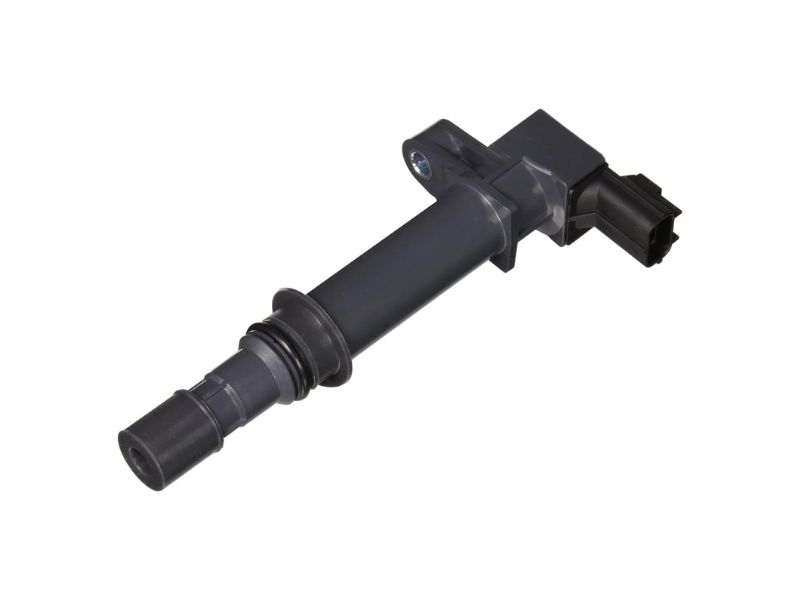
2. Denso 673-5300 Direct Ignition Coil
Key Features
- Individual direct ignition coil
- UF270-family cross-reference
- Coil-on-plug design
- OE-style replacement approach
- Compatible with selected earlier Dodge 4.7L applications
- Suitable for targeted single-cylinder repairs
- Direct replacement configuration
The Denso 673-5300 is the option I prefer when only one or two coils need replacement and I want to prioritize an established ignition-component manufacturer rather than purchase an entire set.
It cross-references with the same general UF270 ignition-coil family used in common earlier Dodge 4.7L applications. That makes it relevant to selected Dakota, Durango, and Ram 1500 vehicles using the corresponding coil design.
Unlike the ENA package, however, this is an individual ignition coil.
That distinction changes the buying decision considerably.
Suppose a 4.7L engine develops a cylinder-specific misfire. If diagnosis proves that one coil has failed while the other seven remain healthy, purchasing eight new coils may provide little practical advantage. In that situation, replacing the faulty unit with an individual Denso coil is a more focused repair.
One useful diagnostic technique with a coil-on-plug ignition system is a coil-swap test.
For example, if the engine has a P0302 cylinder-two misfire, the suspected coil can be moved to another cylinder when access permits. After clearing or monitoring the fault, a misfire that follows the coil strongly suggests that the coil is responsible.
If the misfire remains on the original cylinder, the technician needs to investigate other possibilities.
Those can include:
- damaged spark plug
- incorrect plug gap
- injector malfunction
- electrical connector problem
- wiring fault
- vacuum leak
- low compression
- valve or valvetrain problem
This distinction matters because replacing ignition coils without diagnosing the actual fault can become expensive while leaving the original problem unresolved.
The Denso 673-5300 is particularly appealing for maintenance where the vehicle does not need a complete set. I also prefer individual replacements when some of the existing coils have already been changed previously. In that situation, replacing all eight simply to make them the same age is difficult to justify unless there is evidence of broader deterioration.
Installation is relatively straightforward on accessible cylinders. Disconnect the electrical connector, remove the retaining fastener, extract the old coil, inspect the spark-plug well, and install the replacement according to the vehicle’s service procedure.
The condition of the rubber boot and contact area matters. High voltage can escape through damaged insulation and create carbon tracking, which leaves a conductive path that can cause repeated misfires.
Heat is another major consideration. Ignition coils live directly on or close to a hot engine, so the internal windings, insulation, housing, and boot experience repeated thermal cycling.
This is one reason I put construction quality ahead of exaggerated claims about maximum output voltage.
A replacement coil does not need an enormous advertised voltage number to be useful. It needs to provide the correct spark energy under the operating conditions expected by the engine-management system.
What I Like
- Good choice for replacing one failed coil
- Established ignition-component manufacturer
- Cross-references with the common UF270 coil family
- Avoids unnecessary full-set replacement
- OE-style approach suits normal daily driving
- Useful when diagnosis clearly isolates a single cylinder
What I Do Not Like
- Sold individually
- Eight individual coils can become expensive for a complete replacement
- Limited to the appropriate earlier ignition system
- Exact model-year verification is still necessary
Verdict
The Denso 673-5300 is my preferred alternative when a compatible 4.7L Dodge needs an individual coil rather than a complete set. It makes especially good sense when proper diagnosis identifies one failed coil and the remaining units continue to operate normally.
If all eight same-age coils are deteriorating, however, the complete ENA set offers a simpler replacement strategy.
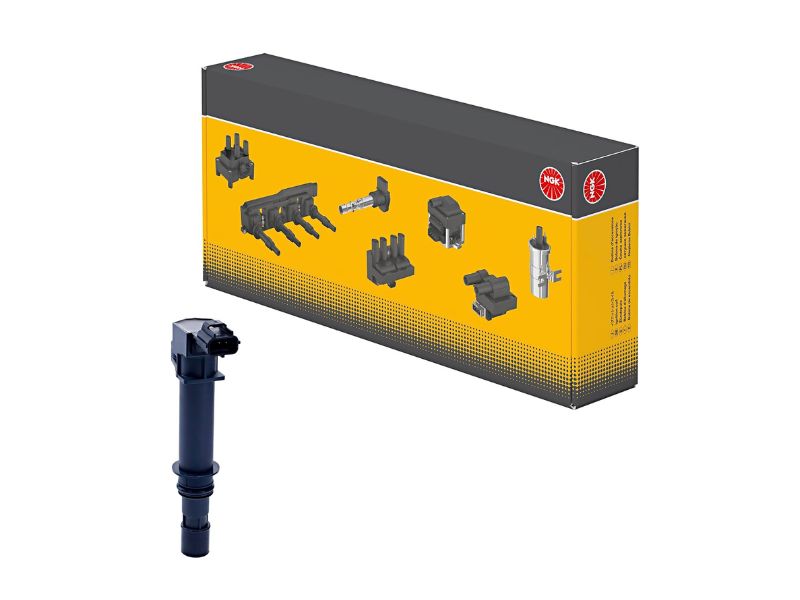
3. NGK U5053 Ignition Coil
Key Features
- Individual COP pencil-type ignition coil
- Part number U5053
- UF270-compatible replacement family
- 12-volt ignition application
- Two blade terminals
- Bolt-on mounting
- Standard replacement design
- Intended for selected earlier Dodge 4.7L vehicles
The NGK U5053 is another strong option for targeted repairs on compatible Dodge 4.7L engines.
Like the Denso, it belongs to the same general OE-interchange family associated with UF270-style ignition coils. Its design is a pencil-type coil-on-plug unit, using a compact housing and boot arrangement to deliver spark directly at the cylinder.
NGK is widely associated with spark plugs and ignition components, which makes this coil particularly relevant for owners who want to keep their replacement ignition components within a familiar ignition-focused product family.
I would consider it when a single coil has failed or when replacing coils gradually rather than installing a complete eight-piece set.
The design uses a two-terminal connection and bolt-on mounting arrangement. As with every replacement in this article, physical similarity is not enough to establish compatibility. Model year and OE interchange numbers should still be checked.
The U5053 is associated with selected 4.7L V8 applications such as earlier Dodge Dakota, Durango, and Ram 1500 vehicles.
The advantage of an individual coil is control over how much of the ignition system you replace.
For a lower-mileage engine with one isolated failure, there is little technical reason to discard seven healthy coils solely because one has failed. An individual replacement lets the owner repair the faulty cylinder without changing unrelated parts.
On an older truck where multiple original coils are beginning to fail, the argument changes. Repeatedly purchasing individual coils may become less convenient than replacing all eight at once.
This is why I rank the U5053 behind the ENA set for the broad keyword. The ENA package better matches someone actively searching for a complete 4.7L coil-pack replacement, while the NGK serves a narrower but important use case.
Before installing the U5053, inspect the spark plug beneath the failed coil.
A worn plug can require a higher firing voltage. Oil in the plug well can deteriorate the boot. Moisture can create leakage paths. A damaged connector can interrupt primary current to the coil.
Any of these conditions can make a perfectly good new ignition coil appear defective.
I would also avoid using ignition-coil replacement as a substitute for proper troubleshooting. A P0301 through P0308 diagnostic trouble code identifies which cylinder is misfiring, but it does not identify the ignition coil as the cause.
A coil swap, spark-plug inspection, injector evaluation, and mechanical checks can help narrow the problem before parts are purchased.
For standard engines, I prefer this OE-style replacement philosophy over coils marketed primarily around dramatic power claims. Reliable ignition is more valuable than a theoretical increase in maximum spark voltage that the engine may never require.
What I Like
- Good individual replacement option
- Established ignition-focused manufacturer
- Pencil-type coil-on-plug construction
- Two-terminal direct-replacement format
- Useful for cylinder-specific repairs
- Relevant to the common UF270 interchange family
What I Do Not Like
- One coil does not provide a complete V8 replacement
- Buying eight individually may not be the most economical strategy
- Not compatible with every 4.7L production year
- Does not eliminate the need for misfire diagnosis
Verdict
The NGK U5053 is a sensible individual replacement for compatible earlier Dodge 4.7L applications. I would choose it when I want a recognized ignition-component brand and diagnosis has confirmed that only one or a small number of coils need attention.
For replacing all eight coils simultaneously, the ENA package remains the more straightforward choice.
4.7 Dodge Coil Pack Comparison
| Product | Coil Type | Quantity | Main Application | Interchange Family | Electrical Design | Mounting | Main Strength | Main Limitation |
| ENA UF270 Set | Coil-on-plug | 8 | Earlier compatible Dodge 4.7L V8 | UF270 / 56028138 family | 12V, two-terminal | Bolt-on | Complete V8 replacement | Not for every model year |
| Denso 673-5300 | Coil-on-plug | 1 | Earlier compatible Dodge 4.7L V8 | UF270 / 56028138 family | Vehicle-specific COP | Direct replacement | Quality-focused individual repair | One coil per purchase |
| NGK U5053 | Pencil-type COP | 1 | Earlier compatible Dodge 4.7L V8 | UF270 / 56028138 family | 12V, two blade terminals | Bolt-on | Established ignition-focused option | Full replacement requires multiple coils |
The three products address two different buying situations. The ENA set is the easiest choice when all eight coils on a compatible earlier 4.7L V8 need replacement. Denso and NGK are more appropriate when diagnosis has identified one or a few faulty coils.
More importantly, these UF270-family products should not be assumed to fit later 4.7L engines. Production-year changes make fitment verification essential.
How I Choose a Coil Pack for a 4.7 Dodge
For this engine family, I put fitment accuracy first.
Ignition-coil construction and brand quality matter, but neither helps if the coil belongs to the wrong generation of the 4.7L ignition system.
I would compare products using these priorities:
- Correct Dodge model and year
- 4.7L engine compatibility
- OE/interchange number
- Electrical connector design
- Mounting arrangement
- Coil-on-plug configuration
- Construction and insulation quality
- Complete-set versus individual replacement needs
- Brand track record
- Overall practical value
For a stock daily-driven truck or SUV, I would favor an OE-style replacement over an aggressive performance claim unless engine modifications have genuinely increased ignition requirements.
How to Choose the Best Coil Pack for 4.7 Dodge Engines
Start With the Model Year
This is the single most important buying step.
The Dodge 4.7L V8 was used across multiple years and vehicles, but its ignition arrangement did not remain identical throughout the entire production run.
Earlier applications commonly use the UF270/56028138-style coil family discussed in the three reviews above.
Later versions of the engine use a different coil design.
Do not assume that a coil advertised simply for “4.7 Dodge” fits your vehicle.
Identify the Exact Vehicle
The 4.7L engine appeared in vehicles including the:
- Dodge Dakota
- Dodge Durango
- Dodge Ram 1500
- later Ram 1500 applications
Year ranges differ by vehicle.
For the earlier UF270 family, common applications include 4.7L versions of the Dakota and Durango from roughly 2000 through 2007 and the Ram 1500 from roughly 2002 through 2007.
Always confirm your exact configuration rather than relying solely on those broad ranges.
Check the OE Number
Look at the original coil whenever possible.
Earlier coils may cross-reference numbers in the 56028138 family as well as UF270.
Matching an OE or recognized interchange number provides much stronger fitment confidence than comparing product photos.
Understand the 2008-and-Later Difference
This is one of the most important issues for anyone searching for the best coil pack for 4.7 Dodge engines.
Later 4.7L applications can use a coil associated with 5149049AB/UF601 rather than UF270.
Those coils are not something I would casually substitute for one another.
If you own a 2008-or-later 4.7L Dodge or Ram, verify the coil family specifically for that vehicle before purchasing any of the UF270 products above.
Know How Coil-on-Plug Ignition Works
A coil-on-plug system uses an individual ignition coil for each cylinder.
The coil converts low system voltage into the high voltage needed to create a spark across the spark-plug gap.
The main advantages of COP ignition include:
- short high-voltage path
- individual cylinder control
- elimination of a traditional distributor
- fewer long high-voltage wires
- precise electronic ignition management
The 4.7L V8 requires eight ignition coils in the relevant COP configurations because it has eight cylinders.
Full Set or Individual Coil?
There is no universal answer.
A complete eight-coil replacement makes sense when:
- several coils have already failed
- the coils appear to be original and similarly aged
- the vehicle has substantial mileage
- you are performing a complete ignition refresh
- you want to reduce repeated future repair work
Individual replacement makes more sense when:
- only one coil has been properly diagnosed as faulty
- the other coils have been replaced recently
- the vehicle has relatively low mileage
- you prefer a higher-tier individual component
- budget does not justify replacing seven functioning coils
I would not replace all eight automatically simply because one coil fails.
Construction Quality
Ignition coils operate in a demanding environment involving:
- engine heat
- vibration
- repeated electrical cycling
- moisture
- oil contamination
- high secondary voltage
Internal insulation and winding quality are therefore important.
A small internal insulation defect can allow high voltage to escape instead of reaching the spark plug, particularly under heavy load.
Boot Quality
The rubber boot forms part of the high-voltage path between the coil and spark plug.
Inspect it for:
- cracking
- hardening
- carbon tracks
- oil contamination
- moisture damage
- damaged spring contacts
A damaged boot can create the same misfire symptoms as a defective coil.
Do High-Performance Coils Make More Power?
Not necessarily.
An ignition coil does not create horsepower simply because it can generate a higher maximum voltage.
The spark plug needs enough voltage and energy to ignite the mixture reliably. Once the original ignition system already provides adequate spark under load, additional theoretical voltage capacity may not improve combustion.
Modified engines can have different requirements. Higher cylinder pressure from boost, altered plug gaps, alternative fuels, or other modifications may increase ignition demand.
For a standard Dodge 4.7L, however, reliable OE-style spark delivery is usually the priority.
How to Diagnose a Bad Coil Pack on a Dodge 4.7
Common symptoms include:
- rough idle
- hesitation
- reduced acceleration
- shaking under load
- difficult starting
- flashing or illuminated check-engine light
- cylinder-specific misfire codes
- reduced fuel economy
None of these symptoms proves that a coil is bad.
Read the Diagnostic Trouble Codes
Cylinder-specific misfire codes usually follow this pattern:
- P0301 — cylinder 1 misfire
- P0302 — cylinder 2 misfire
- P0303 — cylinder 3 misfire
- continuing through the remaining cylinders
P0300 indicates random or multiple-cylinder misfires.
Perform a Coil-Swap Test
If one cylinder has a repeatable misfire, move its ignition coil to another cylinder when practical.
Then see whether the misfire moves.
If it follows the coil, the coil becomes a strong suspect.
If it remains on the same cylinder, investigate the spark plug, injector, wiring, compression, and other possible causes.
Inspect the Spark Plug
A badly worn, fouled, cracked, or incorrectly gapped plug can cause misfires even when the coil is healthy.
It can also increase the voltage demand placed on the ignition coil.
Inspect the Plug Well
Oil inside the plug well often indicates a sealing problem.
Do not simply install a new ignition coil into a contaminated well. Correct the source of the leak and clean the area appropriately.
Water intrusion should also be addressed before fitting new ignition components.
Check the Connector and Wiring
Inspect for:
- bent terminals
- corrosion
- broken connector locks
- loose pin tension
- damaged insulation
- brittle wiring
An intermittent primary electrical connection can make coil diagnosis difficult.
Installing New Ignition Coils on a 4.7 Dodge
Allow the Engine to Cool
Ignition coils are mounted in a hot engine environment.
Working on a cool engine improves safety and reduces the risk of damaging heat-softened or brittle components.
Disconnect the Electrical Connector Carefully
Older plastic connectors can become brittle.
Release the locking tab rather than pulling forcefully on the wires.
Remove the Coil Retainer
Use the correct tool and avoid applying excessive force.
Keep track of mounting hardware and any nearby components that must be moved for access.
Pull the Coil Straight From the Plug Well
A slight twisting motion can help loosen a boot that has stuck to the spark plug.
Avoid excessive sideways force.
Inspect Before Reassembly
Check the:
- old coil boot
- spark plug
- plug well
- connector
- retaining hardware
- surrounding wiring
Finding oil or carbon tracking at this stage can explain why the original coil failed.
Install the New Coil Correctly
Ensure the boot seats properly on the spark plug.
Reconnect the electrical connector until its lock engages and tighten the mounting fastener according to the proper service specification.
Overtightening a small coil-retaining bolt can damage the mounting point.
Ignition Coil and Spark Plug Relationship
A new coil pack cannot compensate indefinitely for neglected spark plugs.
The spark plug and ignition coil work as a system.
As electrode wear increases the effective spark gap, the voltage required to create a spark can increase. That places additional electrical stress on the secondary side of the ignition system.
For this reason, I would always check the spark plugs when replacing multiple coils.
Use the correct plug type and gap specified for the exact engine year. The later 4.7L ignition arrangement differs from earlier versions, so generic advice about plug quantity or specification should not replace model-year-specific service information.
Common Mistakes When Buying 4.7 Dodge Coil Packs
Assuming Every 4.7 Uses UF270
This is probably the biggest mistake.
The 4.7L engine spans different ignition configurations and production years. Later versions can require a different coil family.
Buying Eight Coils Before Diagnosing the Engine
A misfire can come from fuel, ignition, air, or mechanical problems.
Confirm the problem before replacing an entire set.
Choosing by Appearance
Two coils can look similar but have different fitment or electrical requirements.
Use part numbers.
Ignoring Spark Plugs
Installing new coils over severely worn plugs can leave the original cause of ignition stress untouched.
Expecting Extra Horsepower
Replacement coils should primarily restore proper spark.
Do not assume a new coil pack will increase engine output beyond normal condition.
Mixing Up Early and Late 4.7L Components
Parts for an earlier 4.7L engine should not automatically be carried over to a later dual-plug-era application.
Verify everything by year and engine.
Ignoring Oil in the Plug Wells
A contaminated plug well can damage boots and encourage high-voltage leakage.
Repair the leak rather than repeatedly replacing ignition components.
Frequently Asked Questions
What is the best coil pack for 4.7 Dodge engines?
The ENA UF270 eight-coil set is my primary choice for compatible earlier 4.7L applications.
It provides all eight coil-on-plug units needed for a complete V8 replacement and fits the common UF270-style ignition family. However, it should not be treated as universal for every 4.7L production year. Later engines can use different ignition coils, so confirm the vehicle year and OE interchange number first.
How many coil packs does a Dodge 4.7 have?
The relevant Dodge 4.7L V8 coil-on-plug systems use eight ignition coils.
There is generally one coil associated with each of the engine’s eight cylinders. However, later versions of the 4.7L changed aspects of the ignition system, including their coil and spark-plug arrangement. Always purchase parts based on the exact model year rather than assuming all 4.7L engines use identical components.
Does a 4.7 Dodge have coil-on-plug ignition?
Yes, the 4.7L Dodge engines discussed here use electronically controlled individual ignition coils.
Each coil supplies spark for its assigned cylinder rather than relying on a traditional distributor. The exact coil design changed over the engine’s production run, which is why an early UF270-style coil should not automatically be installed on a later 4.7L application.
What vehicles use the UF270 coil with the 4.7L engine?
UF270 commonly fits selected earlier Dakota, Durango, Ram 1500, and related 4.7L applications.
Typical Dodge fitments include approximately 2000–2007 Dakota and Durango 4.7L models and 2002–2007 Ram 1500 4.7L models. Exact fitment should still be verified using the original coil number because production changes and vehicle-specific catalog differences can occur.
Will UF270 coils fit a 2008 Dodge Ram 1500 4.7?
Do not assume they will; the 2008 4.7L can use the later 5149049AB/UF601-style coil family.
The 4.7L engine received significant changes around this period. A coil that fits an earlier Ram 1500 should not be purchased for a 2008-or-later vehicle without checking the exact OE number. This is one of the most important compatibility checks for 4.7L owners.
Should I replace all eight ignition coils at once?
Not necessarily; replacing only the confirmed failed coil is often perfectly reasonable.
A full set becomes attractive when several coils have failed, all eight are similarly old, or the vehicle is undergoing a complete ignition refresh. If seven coils are operating normally and only one has been properly diagnosed as defective, an individual Denso or NGK replacement may be the more economical repair.
Can a bad ignition coil cause a rough idle?
Yes, a weak or failed coil can cause an intermittent or continuous cylinder misfire.
A misfiring cylinder may make the engine shake, idle unevenly, hesitate, or lose power. However, spark plugs, injectors, vacuum leaks, compression problems, and wiring faults can produce similar symptoms. Diagnose the affected cylinder before assuming the ignition coil is responsible.
Can bad spark plugs damage ignition coils?
Yes, excessively worn plugs can increase the voltage demand placed on ignition coils.
As the plug gap becomes harder to bridge, the coil may operate under greater secondary-voltage stress. Heat, age, insulation condition, and other factors also influence coil life, but overdue spark plugs should be inspected whenever ignition-coil problems appear.
Will new coil packs increase horsepower on a Dodge 4.7?
Usually not if the existing ignition system is already working correctly.
Replacing weak or failed coils can restore power that was lost through misfires, but that is different from increasing power above normal engine output. A stock engine with healthy coils generally does not gain meaningful horsepower simply because replacement coils advertise higher voltage.
Can one bad coil trigger the check-engine light?
Yes, a failing coil can produce a cylinder-specific misfire code and illuminate the warning light.
Codes such as P0301 through P0308 indicate misfire activity at individual cylinders. The code does not prove the coil is defective, however. A coil-swap test and inspection of the spark plug, injector, wiring, and compression can help confirm the cause.
Can I mix different brands of ignition coils?
Yes, compatible OE-specification coils can generally function together, although consistent parts simplify servicing.
There is no requirement that every functioning coil be replaced solely because one new coil uses a different brand. The important factors are correct fitment, electrical compatibility, and reliable operation. When replacing all eight simultaneously, using a matched set is simpler.
How can I tell if my Dodge 4.7 needs UF270 or UF601 coils?
Check the model year and match the original ignition-coil part number.
Earlier 4.7L applications commonly use UF270/56028138-family coils, while later applications can use 5149049AB/UF601-family components. Matching the existing OE number is much safer than choosing according to engine displacement alone.
Is Denso or NGK better for a Dodge 4.7?
Both are sensible individual-coil choices when the specific part number matches the vehicle.
I would focus less on declaring one brand universally superior and more on buying the exact correct coil from a reliable source. Both Denso 673-5300 and NGK U5053 correspond to the earlier UF270-style application discussed in this article.
How often should Dodge 4.7 ignition coils be replaced?
Ignition coils generally should be replaced based on condition and diagnosis rather than a fixed interval.
Heat, mileage, vibration, plug condition, oil contamination, electrical problems, and manufacturing quality all affect service life. If the engine runs correctly and testing shows no coil problem, routine replacement at an arbitrary mileage is not always necessary.
What causes repeated coil failure on a 4.7 Dodge?
Repeated failures usually justify checking the surrounding ignition, electrical, and engine conditions.
Potential contributors include worn spark plugs, oil or moisture in plug wells, damaged connectors, excessive heat, poor electrical grounds, charging-system faults, and incorrect replacement parts. Replacing the same coil repeatedly without investigating the cause can leave the underlying problem unresolved.
Conclusion
Choosing the best coil pack for 4.7 Dodge engines starts with identifying which generation of the ignition system your vehicle actually uses. The words “4.7L V8” alone are not enough to guarantee compatibility.
For compatible earlier UF270-style applications, the ENA UF270 eight-coil set remains my primary recommendation. I would choose it when several original coils are aging, multiple cylinders have experienced coil-related problems, or a complete ignition refresh makes more sense than replacing individual units one at a time.
The Denso 673-5300 is the alternative I prefer for a focused individual repair. It is better suited to an owner who has properly diagnosed one failed coil and does not need to replace seven working components. The NGK U5053 serves a similar purpose and is another credible individual replacement for compatible UF270-family applications.
The most important buying decision, however, comes before selecting a brand. Earlier and later Dodge 4.7L engines can use different ignition coils. Check the model year, existing OE number, connector, and interchange family before ordering.
I would also inspect the spark plugs, coil boots, connectors, wiring, and plug wells while performing the repair. A new coil cannot correct an injector fault, worn plug, oil leak, wiring problem, or low-compression cylinder.
For a compatible earlier 4.7L V8 that genuinely needs all eight coils, I would start with the ENA UF270 set and complete the job alongside a careful inspection of the rest of the ignition system.