Finding the best leveling kit for ram 1500 2wd requires more than choosing the tallest spacer or the most familiar brand. Fitment varies by model year, cab configuration, suspension type, and even whether the truck has factory air suspension. A kit that works well on a standard 2WD Ram 1500 may be completely unsuitable for an Extended Cab, Mega Cab, Rebel, TRX, or Air Ride-equipped truck.
Of the options reviewed here, the KSP 2in Front Lift Kits for Ram earns the top overall position for its forged aluminum construction, precise CNC machining, included high-strength hardware, and straightforward installation concept. However, its supplied fitment information lists 4WD Ram 1500 applications rather than 2WD, so owners of a true 2WD truck must verify the listing carefully before ordering. The Dynofit 3″ Leveling Kit for 2WD Ram is the clear alternative—and the more directly relevant choice for many 2WD Ram 1500 owners—because its stated fitment specifically includes 1994–2018 2WD Ram 1500 models.
The five kits below are compared by stated compatibility, front lift amount, materials, installation requirements, construction details, ride-related considerations, warranty or support information, and how useful each design is for a real 2WD owner. The goal is not simply to identify a taller stance, but to help you match the kit to your truck and understand what must happen after installation.
Best Leveling Kit for Ram 1500 2wd Picks at a Glance
.lca-amazon-comparison tbody tr:hover{background:#f5f5f5;box-shadow:inset 0 0 0 1px #dddddd;}
| Product | Name | Price |
|---|---|---|
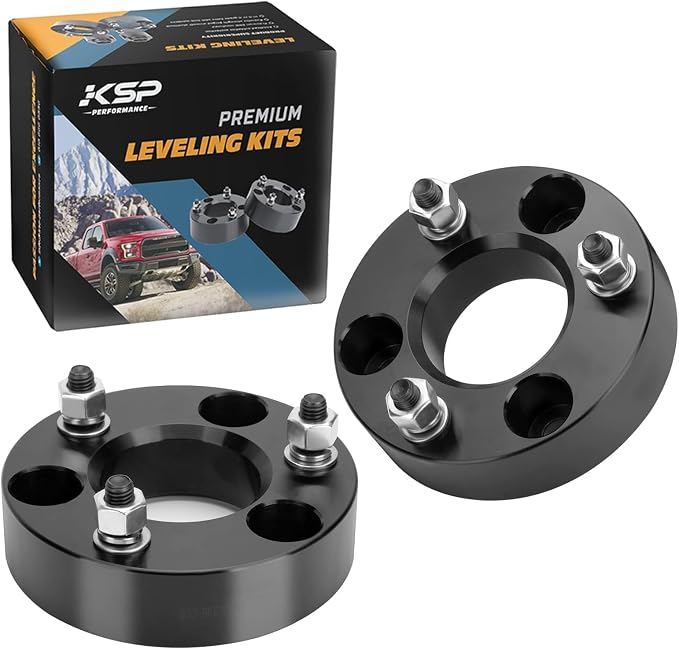 |
KSP 2in Front Lift Kits for Ram | Check Price |
 |
Dynofit 3″ Leveling Kit for 2WD Ram | Check Price |
 |
FLYCLE 3” Front Leveling Kit for 1994-2023 | Check Price |
 |
Richeer 2″ Front Leveling Lift Kit For | Check Price |
 |
Rough Country 2″ Leveling Kit for 2009-2018 | Check Price |
1. KSP 2in Front Lift Kits for Ram
The KSP 2in Front Lift Kits for Ram takes the top spot because its construction and installation details are particularly well defined. The spacers are made from forged aircraft-grade aluminum billet and processed with CNC equipment, while the kit includes solid 12.9-grade bolts. A black powder-coated finish is intended to improve corrosion resistance, which is useful for trucks exposed to rain, road salt, mud, and winter driving.
KSP says the kit raises the front of the truck by 2 inches and can be installed in approximately one to two hours without special tools. That front lift can reduce the factory nose-down appearance and create additional clearance for larger tires or wheels. It can also give the truck a more aggressive look without changing the rear suspension.
The major trade-off is fitment. The supplied information lists this KSP kit for 2009–2026 Ram 1500 models marked as 4WD only. It also lists several Dakota and Raider applications, but it specifically excludes Mega Cab models. Because this article focuses on 2WD Ram 1500 trucks, this is not a universal recommendation. It ranks first for the quality of its stated materials, hardware, and support package, but a 2WD owner should not assume that the spacer will transfer between drivetrains.
This kit is best suited to a buyer whose vehicle matches the listed application exactly and who wants a moderate front lift with corrosion-resistant aluminum construction. KSP states that an alignment is always recommended after installation, and that advice should be treated as part of the project rather than an optional extra. The company also lists a 30-day refund period and 12-month free replacement-parts service. If your Ram is genuinely 2WD, choose a clearly confirmed 2WD kit instead or obtain direct fitment confirmation before purchase.
2. Dynofit 3″ Leveling Kit for 2WD Ram
The Dynofit 3″ Leveling Kit for 2WD Ram is the strongest direct match for many owners searching specifically for a 2WD solution. Its stated application covers 1994–2018 Dodge Ram 1500 2WD models, along with certain 2WD Ram 2500 and 3500 trucks. That broad year range makes it useful for owners of older trucks who may have fewer clearly labeled leveling options.
Dynofit describes this as a true 3-inch front lift, explaining that the spacer thickness is calibrated around suspension geometry rather than being a simple one-to-one measurement. The result is a visibly more aggressive stance and additional front clearance for larger tires and wheels. For a truck with a pronounced factory rake, the extra height may be appealing, although a 3-inch front lift is a more substantial appearance change than a 2-inch kit.
The spacers use high-density polyurethane rather than aluminum or steel. Dynofit highlights the material’s resistance to corrosion, oxidation, road salt, and temperature swings. Polyurethane can also absorb some impact and vibration, and the manufacturer positions it as a way to avoid the deeper clunking noise sometimes associated with metal lift components. That does not eliminate the need for careful installation, but it may appeal to buyers who prioritize a quieter setup.
There are important exclusions. The kit does not fit Extended Cab or Mega Cab models, Rebel or TRX versions, or vehicles equipped with Air Ride suspension. Installation is estimated at two to three hours, and Dynofit strongly recommends a coil spring compressor so the spacers seat evenly and safely. A professional alignment should follow the work. This is the best alternative when the truck matches the stated 2WD application and the owner wants a full 3-inch front lift, but a lower 2-inch kit may be more appropriate for conservative daily driving or a less dramatic stance.
3. FLYCLE 3” Front Leveling Kit for 1994-2023
The FLYCLE 3” Front Leveling Kit for 1994-2023 earns third place because it combines wide stated year coverage with a relatively simple installation design. It is listed for 1994–2023 Ram 1500 2WD models, giving it one of the broadest application ranges among the direct 2WD choices in this roundup. The listing also clearly excludes Extended Cab and Mega Cab trucks, Rebel and TRX models, and vehicles with Air Ride suspension.
One detail that buyers should understand is the difference between spacer thickness and advertised lift. FLYCLE states that the kit uses 2.5-inch-thick spacers but raises the front of the Ram by 3 inches because of suspension geometry. That distinction is important when comparing this product with kits described by spacer size alone. The expected result is a significantly taller front stance, more ground clearance, and room for larger wheels or tires, subject to the truck’s overall tire and suspension setup.
The spacers are forged from 6061-T6 aluminum alloy, then CNC processed, anodized, and heat treated. Those details point to a lightweight, rigid component with a finish intended to improve hardness and corrosion resistance. FLYCLE also states that the kit requires no cutting or drilling and does not require strut or coil disassembly in the same way as some other kits. Installation is estimated at one to two hours, although actual time depends on the truck’s condition, tools, and installer experience.
This kit suits a 2WD owner who wants a pronounced 3-inch front lift and prefers aluminum construction over polyurethane. Its limitations are primarily fitment and post-installation geometry: the broad year range does not override the cab and suspension exclusions. The front suspension should be checked after installation, and an alignment is a sensible follow-up whenever ride height changes. If your truck is an Extended Cab, Mega Cab, Rebel, TRX, or Air Ride model, this is not the correct choice despite the attractive year coverage.
4. Richeer 2″ Front Leveling Lift Kit For
The Richeer 2″ Front Leveling Lift Kit For is a practical lower-rise option for owners who want to reduce the factory rake without moving directly to a 3-inch front lift. Its stated fitment covers 1994–2018 Ram 1500 2WD models and also includes certain 2WD Ram 2500 and 3500 applications. That makes it relevant to a wide range of older and mid-generation trucks, provided the cab and suspension configuration is correct.
Richeer lists 6061-T6 forged aluminum alloy construction, CNC processing, and hole-position accuracy of 0.02 mm. The kit also includes pre-installed, heat-treated 12.9-grade studs. These details are aimed at consistent fitment, durable hardware, and a straightforward installation. The manufacturer says the kit can be installed in one to two hours, with no cutting, drilling, or strut or coil disassembly required.
A 2-inch front lift is often a sensible compromise for a daily-driven pickup. It can create a more level appearance and provide some additional clearance for larger wheels or tires without the more pronounced geometry change associated with a 3-inch kit. It is also less visually aggressive, which may suit an owner who wants a factory-like appearance rather than a heavily lifted front end.
Richeer specifically excludes Extended Cab and Mega Cab models, Rebel and TRX versions, and Air Ride suspension systems. Those exclusions matter because the listed year range alone is not enough to establish compatibility. The kit raises only the front, and the company notes that spacer thickness and actual lift height are not necessarily identical because of suspension geometry. After installation, inspect the hardware and arrange an alignment. This option is a good fit for a 2WD owner seeking a moderate aluminum leveling kit, while someone wanting a full 3-inch stance or a polyurethane spacer’s vibration-absorbing characteristics should look elsewhere.
5. Rough Country 2″ Leveling Kit for 2009-2018
The Rough Country 2″ Leveling Kit for 2009-2018 is a brand-focused option for Ram 1500 owners who value a stated package approach and warranty support. It is listed for 2009–2018 Ram 1500 2WD trucks and is designed to level the front with the rear. The 2-inch height keeps the intended change moderate, making it a reasonable direction for owners who want improved stance without selecting a 3-inch front lift.
Rough Country emphasizes a smooth, OEM-like ride and includes Premium N3 shock absorbers in the product description. The shocks are presented as suitable for both on-road and off-road use, while the overall kit is marketed around performance, protection, style, and additional ground clearance. That combination may appeal to a truck owner who wants more than a basic spacer-only appearance change, particularly if upgraded shocks are already part of the planned suspension work.
The company also backs the product with a limited lifetime replacement warranty. Warranty coverage can be valuable for long-term ownership, although buyers should review the actual terms and understand which components and situations are covered. A brand-backed replacement policy does not remove the need to verify fitment or install the kit correctly.
The available data provides less detail about the spacer material, exact installation time, cab exclusions, and suspension exclusions than the other listings in this comparison. That makes careful application checking especially important before ordering. Confirm that your truck is a 2009–2018 Ram 1500 2WD and ask the seller or manufacturer about cab style, Air Ride equipment, included hardware, alignment requirements, and shock compatibility. This kit is best for a buyer who prefers Rough Country’s packaged suspension approach and warranty support; someone who wants clearly specified forged aluminum or polyurethane spacers may find the other options easier to evaluate.
How to Choose the Best Leveling Kit for a Ram 1500 2WD
A leveling kit changes the front-to-rear attitude of a truck by raising the front suspension, rather than lifting the entire vehicle evenly. Most pickup trucks leave the factory with some rake: the rear sits higher so the truck can carry cargo without appearing excessively nose-down. A front leveling kit reduces that rake and changes the truck’s appearance, clearance, and suspension geometry.
The right choice depends on more than the advertised number. A “2-inch” or “3-inch” label generally describes the expected front lift, but the physical spacer may be thinner or thicker because suspension leverage changes how much the truck rises. The FLYCLE and Dynofit listings explain this directly. Always compare the manufacturer’s stated installed lift, not just the spacer’s physical thickness.
Start with exact vehicle fitment
Fitment is the first filter, and it should be checked before comparing material, brand, or lift height. Confirm the model year, drivetrain, cab style, trim, and suspension system. The products in this roundup do not share one universal application.
- Several choices specifically list Ram 1500 2WD applications, but their year ranges differ.
- The KSP listing supplied for this comparison identifies 2009–2026 Ram 1500 models as 4WD only, so a 2WD owner should not assume compatibility.
- Dynofit, FLYCLE, and Richeer exclude Extended Cab and Mega Cab models.
- Dynofit, FLYCLE, and Richeer also exclude Rebel and TRX models where stated.
- Air Ride suspension is excluded by Dynofit, FLYCLE, and Richeer.
Do not rely solely on a marketplace title. Product titles can combine several vehicle applications, and a listing may mention 2WD and 4WD for different model families. Read the actual compatibility notes. If your truck has an unusual trim, cab configuration, or factory suspension system, obtain confirmation from the manufacturer or seller before buying.
Choose the lift height for the intended use
A 2-inch kit is usually the more conservative direction. It changes the stance without seeking the maximum front height in this group. The Richeer and Rough Country options fall into this category, while the KSP kit is also described as a 2-inch front lift, although its supplied Ram 1500 fitment is 4WD only.
A 3-inch kit gives a more noticeable change. Dynofit and FLYCLE are aimed at owners who want a taller, more aggressive front end and additional clearance for larger wheels or tires. That extra height may be attractive for appearance and occasional off-road use, but it also makes correct installation, alignment, and post-installation inspection more important.
Lift height does not automatically determine tire fitment. Tire width, wheel offset, backspacing, tire construction, fender shape, suspension condition, and driving use all influence rubbing and clearance. The supplied product information supports the general goal of fitting larger tires or rims, but it does not provide a specific tire-size guarantee for every Ram configuration. Treat wheel and tire fitment as a separate verification step.
Compare spacer materials carefully
Material affects durability characteristics, weight, corrosion behavior, and the way the kit is marketed. The aluminum options use rigid, machined components. KSP describes forged aircraft-grade aluminum billet, while FLYCLE and Richeer specify 6061-T6 aluminum alloy. CNC processing is emphasized on these products to support accurate holes and consistent installation.
Dynofit uses high-density polyurethane. The stated advantages include resistance to corrosion, oxidation, road salt, and temperature changes. Dynofit also presents polyurethane as a material that can absorb impact and vibration, potentially producing a quieter result than some metal lift kits. That does not mean polyurethane is automatically better for every application. The important point is to select a material that matches your priorities and then install it correctly.
Hardware deserves similar attention. KSP lists 12.9-grade solid bolts, and Richeer lists pre-installed heat-treated 12.9-grade studs. These details can make installation easier and provide confidence in the supplied fastening components, but the installer must still follow the kit instructions and use the correct tightening procedure. Do not substitute random hardware or assume that all fasteners are interchangeable.
Think about installation realistically
Several listings describe installation as requiring no cutting or drilling. That is useful because it suggests a less invasive installation than a heavily modified suspension system. The stated times range from about one to three hours, but those estimates are not guarantees. Rusted fasteners, worn suspension components, limited workspace, and lack of experience can add substantial time.
Dynofit specifically recommends a coil spring compressor. That is an important safety detail. Coil springs store significant energy, and an improperly supported spring can cause serious injury or damage. If the installation requires spring compression, use a suitable compressor and follow safe procedures, or have a qualified shop perform the work.
Even when a listing says no special tools are needed, the project should not be treated as a casual bolt-on task. The vehicle must be safely supported, the suspension should be unloaded as directed, and all fasteners should be tightened according to the manufacturer’s instructions. Never work beneath a truck supported only by a jack.
Plan for alignment and inspection
An alignment is one of the most important follow-up steps after installing a front leveling kit. Raising the front changes suspension geometry, which can affect toe, camber, steering feel, tire wear, and the truck’s ability to track straight. KSP explicitly says an alignment is always recommended, and Dynofit also recommends professional alignment after installation.
Alignment is not a substitute for checking the installation. After the first drive, inspect the visible hardware, listen for unusual noises, and pay attention to steering behavior. A clunk, pull, vibration, or unexpected tire contact should be investigated rather than ignored. Recheck the installation according to the kit instructions, especially after the suspension has settled through normal driving.
Look for clearance throughout the steering and suspension range. A tire may clear while the wheels are straight but contact a liner or suspension component during a turn. Compression under braking or uneven terrain can also change available clearance. The product descriptions support the goal of larger tires and additional ground clearance, but they do not eliminate the need for a hands-on check.
Consider ride quality and daily use
A level stance can improve the truck’s appearance, but it does not automatically improve ride quality. Ride feel depends on the spacer material, the existing condition of the springs and shocks, tire pressure, tire design, load, and the amount of front lift. If the original shocks or suspension components are worn, a leveling kit may make those problems more noticeable rather than solving them.
Dynofit specifically promotes its polyurethane construction as a way to absorb impact and vibration. Rough Country emphasizes an OEM-like ride and includes Premium N3 shock absorbers. These are meaningful differences in product positioning, but neither description should be treated as a promise that every truck will ride identically. A truck with worn or damaged components may require additional service.
For a daily driver that spends most of its time on pavement, a moderate 2-inch kit may be the easier choice to live with. For an owner prioritizing a more dramatic appearance and extra front clearance, a 3-inch kit may be more appealing. The best height is the one that supports the actual use of the truck without creating unnecessary geometry or clearance issues.
Match the kit to wheel and tire plans
Many buyers install a leveling kit because they want a fuller wheel opening or larger tires. Decide what you want to accomplish before ordering. If the goal is simply to reduce rake, the smallest suitable lift may be enough. If the goal is to create additional clearance for a specific wheel and tire combination, confirm that combination independently.
Wheel offset and tire width can matter as much as lift height. A taller tire can contact the fender liner, while a wider tire with aggressive offset can contact suspension components or the outer fender. Leveling a truck does not change every clearance point equally. A front lift may improve vertical room while leaving lateral clearance unchanged.
Also remember that the rear remains at its original height. A front-only kit is intended to alter stance, not to provide the same load-carrying or suspension behavior as a full lift system. If you regularly haul heavy loads or tow, evaluate how the changed stance fits your normal use rather than choosing solely on appearance.
Review support and warranty information
Support can matter when compatibility is unclear or when installation raises questions. KSP lists a 30-day refund period and 12-month free replacement-parts service. Rough Country lists a limited lifetime replacement warranty. Those are useful ownership considerations, but warranty terms can contain conditions regarding installation, wear, and eligible components.
Before buying, save the product listing and installation instructions that apply to your truck. Verify what is included in the box, particularly studs, bolts, washers, and any components needed for the specific model year. If a listing has incomplete details, contact the seller before placing the order rather than assuming the missing information.
Good support cannot compensate for incorrect fitment. The order of priorities should be vehicle compatibility first, desired lift second, construction and installation preferences third, and brand or warranty considerations after that. A well-supported kit that does not fit the truck is still the wrong kit.
Know when a leveling kit is not the right solution
A leveling kit is not a repair for sagging, broken, or severely worn suspension components. If one side of the truck sits lower, the vehicle pulls, the springs are damaged, or there is existing noise, diagnose that condition before changing ride height. Installing spacers over a problem can make troubleshooting more difficult.
It may also be the wrong approach if you need substantial suspension travel, a major change in load capacity, or a complete front-and-rear lift. The products reviewed here are front leveling solutions. They are intended to alter stance and clearance, not to transform the truck into a dedicated off-road suspension system.
Finally, be realistic about the meaning of “level.” A truck’s final appearance can vary with cargo, fuel, accessories, spring age, and measurement location. The advertised lift is a guide, not a guarantee that every truck will look identical after installation.
FAQ About Leveling Kits for Ram 1500 2WD
What is the best leveling kit for a Ram 1500 2WD?
For a true 2WD Ram 1500, the Dynofit 3″ Leveling Kit for 2WD Ram is the clearest direct match among these products because its stated fitment includes 1994–2018 Ram 1500 2WD models. It is a good choice for owners seeking a full 3-inch front lift and polyurethane construction. The Richeer and FLYCLE kits are also direct 2WD options, but the correct choice depends on year, cab style, desired lift, and suspension type.
Does the KSP kit fit a 2WD Ram 1500?
The supplied KSP fitment information identifies the Ram 1500 application as 4WD only. Because of that, a 2WD owner should not assume the kit fits. Verify the exact application with KSP or select a kit whose listing specifically confirms the truck’s 2WD configuration.
Is a 2-inch or 3-inch leveling kit better?
A 2-inch kit is generally the more moderate choice for a daily-driven truck and a less dramatic stance. A 3-inch kit creates a taller, more aggressive front appearance and may provide more clearance, but it also makes alignment and clearance checks especially important. Choose based on your wheel and tire plans, driving conditions, and tolerance for a larger change in suspension geometry.
Do Ram 1500 2WD leveling kits require an alignment?
An alignment is strongly recommended after raising the front suspension. Changing ride height can affect steering and wheel alignment angles, even when the installation appears straightforward. A professional alignment can also identify issues that may contribute to uneven tire wear or pulling.
Can these kits fit an Extended Cab or Mega Cab?
Several of the listed products specifically exclude Extended Cab and Mega Cab models. Dynofit, FLYCLE, and Richeer state those exclusions in their supplied fitment information. Always check the exact cab style before ordering, because model year and drivetrain alone do not establish compatibility.
Will a leveling kit let me install larger tires?
A leveling kit may create additional front clearance and is commonly used to support larger wheels or tires, but it does not guarantee a specific tire size. Width, wheel offset, backspacing, tire design, fender liners, and suspension compression all affect clearance. Test or verify the complete wheel-and-tire combination for your truck.
Is polyurethane or aluminum better for a Ram leveling kit?
Neither material is automatically best for every truck. Aluminum offers a rigid, machined spacer design, and the aluminum kits here emphasize CNC accuracy and corrosion-resistant finishes. Dynofit’s polyurethane spacers are promoted for corrosion resistance and impact or vibration absorption. Consider the manufacturer’s fitment, installation instructions, and your ride priorities together.
Can I install a leveling kit without professional help?
Some of these products are described as one- to three-hour installations requiring no cutting or drilling. However, suspension work can be hazardous, particularly when coil springs must be compressed. Dynofit recommends a coil spring compressor. Use proper safety equipment and procedures, and have a qualified technician perform the work if you do not have the required tools or experience.
Final Verdict
The KSP 2in Front Lift Kits for Ram ranks first for its stated construction, hardware, corrosion-resistant finish, and installation support, but its listed Ram 1500 fitment is 4WD only. For a genuine 2WD Ram 1500, the Dynofit 3″ Leveling Kit for 2WD Ram is the strongest direct alternative, provided the truck is within its year range and does not have an excluded cab or suspension configuration. Whichever kit you choose, verify fitment, install it safely, and schedule an alignment afterward.