
Rubber floor mats turn white because rubber additives rise to the surface, cleaners leave residue, or minerals dry into a chalky film. The safest fix is gentle washing with mild soap, thorough rinsing, and complete drying before you use any dressing.
Have you scrubbed a mat twice, only to find the pale haze coming back the next morning? Are white streaks hiding in the grooves, or does the whole mat look gray and dusty after sitting in the sun?
I once rushed through a mat cleanup and sprayed a strong household degreaser straight onto the rubber. The mat looked bright for a few minutes, then dried with stiff, cloudy patches that felt like a thin layer of wax. That mistake is common, not dumb.
I wrote this guide for anyone dealing with white rubber mats in a car, garage, entryway, gym, or workshop. You’ll learn how to tell residue from rubber damage, clean the surface without making it slippery, and decide when the mat needs replacement.
Get the diagnosis right, and you can save the mat, avoid greasy footprints, and stop wasting money on product after product. Skip the cause, and a harsh cleaner may strip the surface, leave a slick film, or make the white bloom return faster.
This takes about 10 minutes to read, and the useful part starts here:
- You’ll identify the reason a rubber mat turned white.
- You’ll clean mineral film, soap residue, and rubber bloom safely.
- You’ll know which products can make the problem worse.
- You’ll learn when fading is cosmetic and when the rubber is breaking down.
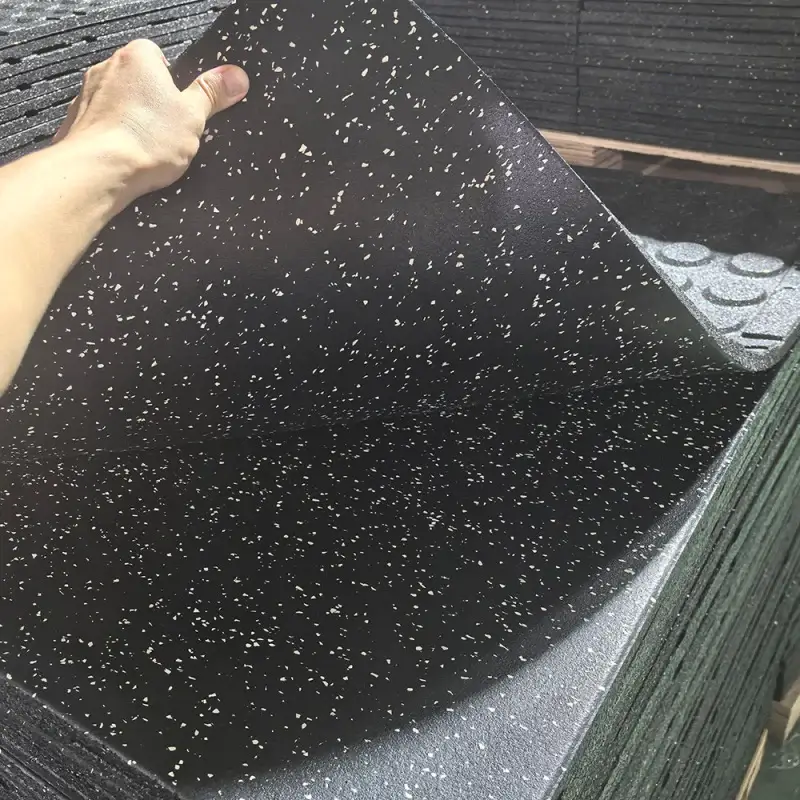
Why Do Rubber Floor Mats Turn White?
Rubber floor mats turn white when material or residue moves to the surface and dries there. The most common causes are rubber bloom, leftover cleaner, hard-water minerals, oxidation from sunlight, and wax or silicone products that dry unevenly.
The white appearance can mean several different things, so color alone doesn’t tell you the answer. A powdery film that wipes away needs a different treatment from rubber that has permanently faded.
| What the white area looks or feels like | Most likely cause | First safe response |
|---|---|---|
| Dry, chalky haze that returns after cleaning | Rubber bloom or oxidation | Wash gently, dry fully, and avoid heat |
| White rings or streaks near edges | Hard-water minerals | Use diluted white vinegar only if the mat maker allows mild acid |
| Greasy, cloudy coating | Silicone, wax, or dressing residue | Wash with mild dish soap and rinse several times |
| White foam or slick patches | Cleaner residue | Rewash with plain water and dry upright |
| Cracking, stiffness, or a gray surface | Rubber aging or chemical damage | Stop harsh treatments and consider replacement |
| Fuzzy spots with odor | Mold or mildew growth | Isolate the mat, wear gloves, and clean the area safely |
Rubber bloom is the trade term for certain ingredients inside rubber slowly migrating toward the surface. Those ingredients can include waxes, processing oils, or other compounds added during manufacturing, and the result often looks like a pale powder.
Sunlight and heat speed up oxidation, which changes the surface color and texture. A black mat left on hot concrete or inside a closed vehicle can turn gray before the rubber has failed, especially around raised ridges that get the most exposure.
A cleaner can create the same look. Concentrated soap, tire shine, floor polish, and silicone dressing may dry into a milky film when the mat isn’t rinsed well. The mat may feel slippery, which is a safety problem in a driver’s footwell.
Mineral deposits act differently. If tap water contains calcium or other dissolved minerals, droplets can dry into white spots, much like a crust around a faucet. Those marks usually follow the shape of water beads or runoff rather than spreading evenly over the whole mat.
What happens when you rub the haze with a dry finger? If a little powder lifts away, the surface has a removable film or bloom; if the rubber stays gray and feels rough, fading or surface damage is more likely.
A quick test before cleaning
Start with a clean, damp white cloth and wipe a small hidden corner. A black or gray transfer can point to surface oxidation or dressing, while a chalky white transfer suggests residue or bloom.
Next, place a few drops of plain water on the test area. If the water beads tightly and the spot feels oily, a dressing may be present; if the water spreads normally, soap film or mineral residue may be the bigger issue.
Don’t scrape the white layer with a blade, stiff wire brush, or abrasive pad. Those tools can cut the rubber and leave shiny tracks that never blend back in.
Pro Tip: Take a quick photo before cleaning. A return of the same white pattern after drying tells you more than a temporary dark appearance while the mat is wet.
How to Clean White Rubber Floor Mats Safely
The safest cleaning method is to remove loose dirt, wash with mild soap, rinse until the water runs clear, and dry the mat away from direct heat. Use a stronger method only after a small spot test shows that the rubber tolerates it.
Before washing, remove the mat from the vehicle or room. Keeping grit underneath the mat turns cleaning into a grinding session, and trapped moisture can leave odors on the floor below.
For a normal white film, gather:
- A vacuum or soft brush
- Mild dish soap or a rubber-safe cleaner
- A bucket of lukewarm water
- A soft nylon brush
- Several clean microfiber towels
- A hose or fresh rinse water
Follow these steps in order:
- Remove loose grit. Shake the mat outdoors or vacuum both sides, paying attention to deep channels and retention holes.
- Rinse first. Use a gentle stream of water to carry away sand and dust. High pressure can drive dirt into the texture and roughen an aged surface.
- Mix a mild wash. Add a small amount of soap to lukewarm water. Too much soap creates more residue, not more cleaning power.
- Scrub lightly. Work in small sections with a soft nylon brush. Let the soap loosen the film instead of leaning on the brush like you’re sanding a deck.
- Rinse completely. Run clean water over both sides until no foam remains and the surface no longer feels slick.
- Dry every groove. Stand the mat on edge or hang it where air can reach both faces. Blot deep channels with a towel.
- Inspect when dry. A wet mat often looks darker than it really is, so judge the finish only after full drying.
For a mat with mild mineral spots, a diluted solution of white vinegar and water may help, but check the manufacturer’s care instructions first. Acid can affect some rubber blends, printed markings, metal eyelets, or protective coatings.
Use vinegar only on a small hidden area, leave it briefly, and rinse the mat very well. Never mix vinegar with bleach, ammonia, or another cleaner because the combination can release dangerous fumes.
I once cleaned a heavily filmed set of mats with a soft brush and plain rinse water after a previous product left them greasy. The black color returned slowly as each groove released residue, and the biggest improvement came from rinsing twice, not from using a stronger chemical.
For a dedicated product, compare the ingredients and finish before buying a car rubber mat cleaner. A cleaner that removes grime without leaving a gloss is usually a better choice for a driver’s footwell than a product designed to make tires look wet.
When a dressing makes sense
Most rubber floor mats don’t need a shiny dressing. A dry, grippy surface is safer under your shoes and less likely to attract dust.
If the manufacturer allows a protectant, apply a tiny amount to a cloth rather than spraying the mat directly. Keep dressing away from the pedal area, the underside, and any surface where your feet need traction.
Important Tip: Never reinstall a mat while it’s damp, oily, or curled. Moisture can create odor, while a slick or poorly seated mat can slide under a pedal.
What not to use
Avoid gasoline, paint thinner, brake cleaner, acetone, strong solvent degreasers, and abrasive powders. These products can pull oils from the rubber, soften it, fade markings, or leave a brittle surface that cracks later.
Bleach is a poor choice for ordinary white film. It may lighten stains, but it won’t reverse rubber bloom and can damage color, stitching, metal hardware, or nearby carpet.
A pressure washer can be useful for heavy outdoor mats when held back and used gently, but it’s risky on thin automotive mats. The force may lift edges, damage molded texture, or push water into layers that dry slowly.
How to Prevent White Film and Fading
Prevention depends on keeping rubber clean, dry, shaded when possible, and free from excess dressing. A few simple habits reduce residue without turning mat care into a weekend project.
Shake or vacuum mats regularly, especially during winter when road salt, sand, and slush collect in the tread. Salt can dry into pale marks and hold moisture against the rubber.
Rinse mats after exposure to muddy water or deicing chemicals. Letting the residue sit for weeks gives minerals more time to dry into the texture and makes scrubbing harder.
Store loose mats flat or supported by their natural shape. A rolled mat can develop a curl, and direct sunlight through a garage window can fade one section while the rest stays dark.
Keep rubber away from hot radiators, exhaust parts, and black pavement that has been baking all afternoon. Heat doesn’t always ruin a mat at once, but repeated heat cycles can speed surface aging.
A good maintenance rhythm looks like this:
- Vacuum or shake loose dirt every few weeks.
- Wash after heavy salt, mud, or chemical exposure.
- Dry both sides before putting the mat back.
- Use dressing rarely, and never on the pedal side.
- Check for cracks, curl, thinning, or movement each time you reinstall the mat.
A faded mat may still be usable if the rubber remains flexible, the ribs are intact, and the mat stays in its correct position. If you’re trying to revive a sun-bleached vehicle mat, compare the cleaning approach with these ways to restore faded car mats before applying a color product.
Bloom, fading, and damage are not the same
Bloom often looks like a dusty layer sitting on top of the rubber. Cleaning may remove some of it, but a recurring haze can return because the ingredients are still moving from inside the material.
Fading changes the rubber itself. The color becomes less rich, yet the surface may remain smooth and flexible, with no loose powder.
Chemical damage usually brings texture changes. Watch for stickiness, swelling, hard shiny patches, deep cracks, or a strong solvent smell.
If the mat has lost its grip, curls toward the pedals, or breaks when flexed, replacement is smarter than restoration. A clean-looking mat that slides underfoot can create a bigger problem than a faded one.
Prolonged dampness can also support mildew on dirt trapped in the grooves. Mold and mildew need separate care, and a musty mat may need outdoor cleaning, protective gloves, and full drying in a well-ventilated spot.
Can rubber mats be restored after whitening?
Often, yes, if the white material is residue or light bloom and the rubber still feels sound. Cleaning can improve the appearance, but no wash can return factory color to rubber that has deeply oxidized or lost surface material.
For vehicle mats with light bloom, a gentle wash followed by complete drying is my first choice. If you’re aiming for a deeper restoration, follow a measured process for restoring rubber car floor mats and avoid any product that leaves a slick finish.
I wouldn’t chase a showroom-black look with greasy shine. A clean satin finish with firm traction is a better result, especially where your heel moves back and forth all day.
A simple troubleshooting guide
White marks that return after every wash often point to bloom, hard-water deposits, or product buildup rather than dirt. Change one factor at a time, such as switching from tap-water drying to a full towel dry, so you can tell what helped.
If a test patch improves but the rest does not, repeat the same method in small sections. If nothing changes and the rubber feels rough or cracked, stop scrubbing because more pressure won’t restore missing material.
If the mat smells like chemicals after cleaning, rinse it again and let it air out outdoors. A strong odor that remains, along with tackiness or swelling, is a reason to retire the mat.
Pro Tip: Store a clean microfiber towel near the mats. A quick wipe after washing removes the last water film before mineral spots have time to form.
- White rubber mats may have bloom, mineral deposits, cleaner residue, or permanent fading.
- Mild soap, gentle brushing, complete rinsing, and air-drying handle most removable films.
- Avoid solvents, abrasive tools, greasy dressings, and harsh pressure.
- Replace a mat that cracks, curls, swells, or slides underfoot.
FAQs About Why Do Rubber Floor Mats Turn White
Is white residue on rubber floor mats dangerous?
Usually, no. White residue on rubber floor mats is often soap, mineral film, or rubber bloom, but a slippery coating can create a driving hazard. Wash the mat, rinse until the surface feels clean, dry it fully, and remove any mat that curls or moves near the pedals.
Can vinegar remove white marks from rubber mats?
Sometimes. Diluted white vinegar may loosen hard-water mineral deposits, but vinegar won’t reverse oxidation or rubber bloom. Test a hidden area first, keep contact brief, rinse thoroughly, and avoid vinegar on mats with sensitive coatings or metal parts unless the care instructions allow it.
Why do rubber mats turn white after washing?
Rubber mats often turn white after washing because soap remains in the grooves or hard-water droplets dry on the surface. Excess cleaner can also leave a cloudy film. Rinse both sides with clean water, wipe the channels, and dry the mat away from direct heat.
Does tire shine cause rubber floor mats to turn white?
Yes, tire shine can contribute to white or cloudy rubber mats. Silicone and wax ingredients may dry unevenly, attract dust, or react with an older surface. Avoid tire shine on floor mats, especially driver mats, because the leftover coating can reduce traction.
Can sun damage make black rubber mats look white?
Yes, long exposure to sunlight can oxidize black rubber and make the surface look gray, chalky, or faded. Cleaning may remove loose oxidation, but deeply faded rubber won’t return to its original color. Shade, proper storage, and limited heat exposure slow further change.
The Best Way to Keep Rubber Mats Looking Right
White rubber mats usually need a better diagnosis, not a stronger chemical. Start with a hidden test, wash with mild soap, rinse until no film remains, and judge the result only after the mat is completely dry.
My practical preference is a clean, low-sheen surface with plenty of grip. If the rubber stays flexible and flat, regular rinsing and sensible storage can keep it useful for a long time; if the mat cracks, curls, swells, or slides, replace it instead of forcing a cosmetic fix.