
Pull the mats out, remove as much water as possible, then dry both sides in moving air until the backing feels completely dry. Carpet mats usually need several hours, while rubber mats may dry in under an hour if you towel them well and stand them upright.
Did rain soak the driver’s mat, or did a spilled drink creep underneath the carpet? Are you worried that a mat that feels dry on top is still holding dampness against the vehicle floor?
I once hurried through this job after a storm and laid a damp carpet mat back in the car because the top felt fine. Two days later, the backing smelled sour and the floor underneath felt clammy, so I had to pull everything out and start over. That’s a common mistake, not a dumb one.
I wrote this guide for anyone who wants a clean, dry car without turning a small wet-mat problem into a stubborn odor problem. The goal is a simple process you can use with towels, airflow, and a little patience.
If you dry the mat properly, you avoid musty smells, foggy windows, slippery footing, and moisture damage beneath the carpet. If you rush, water can hide in the mat backing, under the edges, or between the mat and the vehicle floor.
This takes about 9 minutes to read, and you’ll learn how to:
- Dry rubber, carpet, and all-weather mats without damaging them.
- Remove hidden moisture from the backing and floor underneath.
- Choose between towels, a wet/dry vacuum, fans, and sunlight.
- Know when washing or replacing a wet mat makes more sense.
- Stop dampness from returning after the mat goes back inside.
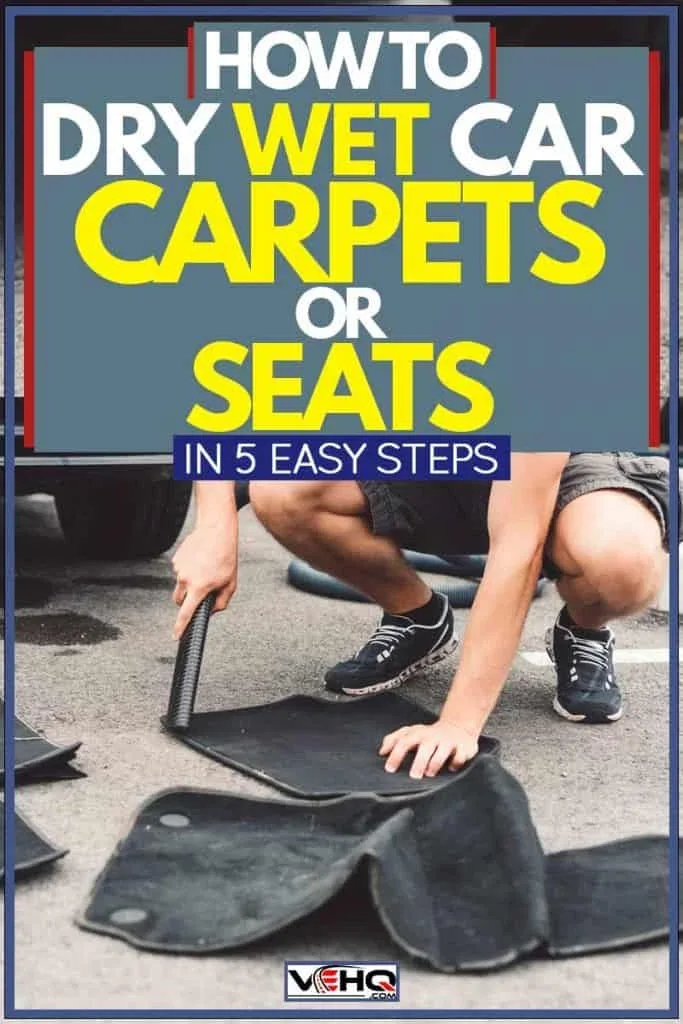
How to Dry Wet Car Floor Mats Quickly
The fastest reliable method is to remove the mats, blot or extract the water, rinse away dirt if needed, and dry both sides with strong airflow. Never put a wet mat back into the car just because the top surface feels dry.
Start by taking every wet mat out of the vehicle, not just the one that looks soaked. Water often runs under the edges, and a damp rear mat can keep the cabin humid for days.
Follow these steps in order:
-
Remove the mats and shake off loose water. Hold each mat away from the car and flex it gently, especially near the corners and heel pad. Avoid sharp folding on carpet mats because the backing can crease or split.
-
Check the vehicle floor. Press a clean towel against the carpet beneath each mat. If the towel picks up moisture, lift the floor carpet edge only as far as the design allows and aim airflow underneath.
-
Blot carpet mats. Lay the mat flat on old towels and press down with your hands or knees. Replace wet towels as needed instead of rubbing, since hard rubbing can push water deeper into the fibers.
-
Extract trapped water. A wet/dry vacuum works better than a household vacuum because it can collect liquid safely. Move the nozzle slowly across the front, back, edges, and stitched seams.
-
Rinse dirty mats before final drying. Mud, road salt, and sugary drinks hold moisture and create odors. Use cool or lukewarm water, then remove as much rinse water as possible before drying.
-
Stand the mats upright in moving air. Lean mats against a clean wall, railing, or sturdy chair so air reaches both faces. A box fan aimed across the mat usually beats still outdoor air.
-
Dry the vehicle floor separately. Leave the doors open in a safe, dry place and run a fan across the carpet. Do not close the doors until the floor under the mats feels dry.
-
Check the backing and seams. Squeeze the corners and press a dry paper towel against the underside. If the towel shows a dark wet mark, the mat needs more time.
-
Return the mats only when everything is dry. The mat, underside, floor carpet, and retaining clips should all be dry before driving normally.
Carpet mats often dry faster when they’re angled instead of lying flat. A flat mat can form a damp pocket underneath, much like a wet towel left on a bathroom floor.
Drying times by mat type
Drying time depends on water volume, material, temperature, humidity, and airflow. The ranges below assume the mats have already been towel-dried or vacuumed.
| Floor mat type | Typical drying range | Best drying position | Main concern |
|---|---|---|---|
| Rubber mat | 20 minutes to 2 hours | Upright or sloped | Water hiding in grooves |
| Thermoplastic all-weather mat | 30 minutes to 2 hours | Upright with channels facing down | Damp corners and clips |
| Carpet mat with rubber backing | 3 to 8 hours | Angled with both sides exposed | Moisture trapped in backing |
| Thick carpet mat | 6 to 24 hours | Raised on a rack or chairs | Slow interior drying |
| Mat soaked by a spill | 4 to 24 hours | After rinsing and extraction | Sugar, milk, or odor residue |
A wet/dry vacuum is the best tool when the mat feels heavy or squishy. Towels can remove surface water, but extraction pulls liquid from the fibers and backing.
If you have no fan, hang the mat outdoors in bright shade or mild sunlight. Direct sun can speed drying, but high heat may curl rubber, fade carpet, or make adhesive-backed layers separate.
Pro Tip: Put a clean towel beneath a carpet mat while it dries, then replace the towel after it becomes damp. The fresh towel pulls away moisture that would otherwise linger underneath.
How to dry a wet car floor
Drying the mat won’t solve the problem if the vehicle carpet underneath is still wet. Remove the mat, press towels into the floor, and use a fan aimed across the carpet rather than blasting one small spot.
If water reached the padding under the carpet, drying may take much longer. The padding acts like a sponge, so a professional upholstery or water-extraction service may be the safer choice when the floor remains wet after a full day of airflow.
Never use a household hair dryer near pooled water, wet electrical connectors, or an extension cord lying on damp ground. Heat can also damage synthetic carpet fibers and soften plastic trim.
Why Wet Car Floor Mats Stay Damp and Start Smelling
Wet car floor mats stay damp when water is trapped in dense fibers, rubber grooves, backing layers, or the carpet beneath the mat. Odors begin when moisture sits with dirt, food residue, road salt, or other organic material.
The top of a mat can feel dry while the underside remains wet. Press the mat between your fingers at the heel pad, outer edge, and stitched seam, because those areas often hold water longer than the center.
A wet mat can also point to a larger problem. If the same spot becomes wet after every rainstorm, the source may be a door seal, windshield leak, sunroof drain, heater box, air-conditioning drain, or water entering through the cowl area.
common wet floor causes can help you sort out whether the mat itself is the problem or whether water keeps entering the cabin. A one-time spill needs drying, while repeated dampness needs leak testing before the mat returns.
What if the mat smells bad even after it dries? Odor usually means residue remains, so cleaning the mat matters as much as removing water.
Cleaning before drying
Use the cleaning method that matches the mat material:
- Rubber mats: Rinse with water and scrub with mild car-wash soap or dish soap diluted in water.
- Carpet mats: Vacuum loose dirt first, then use a carpet-safe cleaner and a soft brush.
- All-weather mats: Flush grooves and channels where grit collects, then wipe away cleaner.
- Leather-trimmed mats: Use a cleaner approved for the trim and avoid soaking the material.
Avoid bleach, strong solvents, gasoline, and harsh degreasers. Those products can fade carpet, weaken stitching, dry out leather, or leave fumes inside a warm cabin.
Rinse until the water runs clear and no cleaner feels slick. Soap left behind can attract more dirt, which makes the mat hold moisture again the next time it gets wet.
I once dried a rubber mat without cleaning the road salt from its grooves, and the salty film left a pale crust along the edges after the water evaporated. A quick rinse and soft brush would have saved the second round of work, which is why cleaning first pays off.
Machine washing and heat
Some fabric mats can go in a washing machine, but the care label comes first. Remove clips, hooks, stiff inserts, and plastic retainers before washing, and never force a thick mat into a small machine.
If the label allows machine washing, use a gentle cycle with cool water and a small amount of mild detergent. The guide to washing car mats safely explains why rubber-backed mats, foam layers, and high spin speeds can cause trouble.
Do not place rubber-backed mats in a hot dryer unless the manufacturer specifically allows it. High heat can curl the backing, loosen adhesive, or leave the mat unable to sit flat against the vehicle floor.
Air drying takes longer, but it’s the safer default. A fan pointed across the mat gives you speed without cooking the material.
Preventing the smell from returning
A clean, dry mat should not smell musty after it returns to the car. If the odor comes back, check the floor carpet, seat rails, door sill, and spare-tire well because moisture may be hiding somewhere else.
Keep the mat’s drainage channels clear. Dirt packed into a channel creates a tiny reservoir that stays wet after the rest of the surface looks dry.
Important Tip: Never place a damp mat over a paper floor liner or cloth towel and close the doors overnight. The covered area loses airflow, so moisture gets trapped against the carpet.
Tools, Drying Methods, and Troubleshooting
The right drying method depends on how wet the mat is, what it’s made from, and how soon you need to drive. Use extraction for heavy soaking, airflow for lingering dampness, and mild heat only with care.
What you need
Keep these supplies in the garage or trunk:
- Two or more absorbent towels
- A soft scrub brush
- Mild soap or mat cleaner
- A wet/dry vacuum, if available
- A box fan or portable fan
- A clean rack, railing, or pair of chairs
- Paper towels for checking hidden moisture
A shop fan can dry mats quickly, but strong airflow may blow dirt onto a clean mat. Place the mat somewhere shaded and clean, not beside a dusty driveway or under dripping tree branches.
A dehumidifier can help inside a garage, especially when outdoor air feels damp. Keep the vehicle doors open only in a secure, dry location, and route power cords away from puddles and walkways.
Choosing the best method
Use this quick comparison when you’re deciding what to do next:
| Situation | Best approach | Avoid |
|---|---|---|
| Light rain on rubber mats | Shake, wipe, and air-dry upright | Leaving water in grooves |
| Heavy rain on carpet mats | Wet/dry vacuum, then fan drying | Closing the car right away |
| Milk, soda, or juice spill | Rinse, clean, extract, and dry | Only masking the odor |
| Damp mat with no visible spill | Check floor and door seals | Assuming the mat caused it |
| Mat needed within an hour | Towels, extraction, and two-sided airflow | High heat or sealed spaces |
| Repeated wetness after rain | Leak inspection and floor drying | Replacing mats before fixing entry water |
Can you dry a wet mat inside the car? Only for a small amount of surface dampness, and even then, remove the mat if possible. Drying inside the vehicle is slower because the water vapor stays in the cabin and can settle on windows, seats, and floor padding.
Common problems and fixes
The mat still feels cold and damp. Cold material can feel wet even when surface moisture is low, so press a dry towel into the backing and check for a visible mark. If the towel stays dry, give the mat more airflow before reinstalling it.
The mat has a sour smell. Wash away residue, extract the rinse water, and dry the mat fully. Spraying air freshener over a damp mat only hides the smell for a short while.
The rubber mat curls after drying. Lay the mat flat in a warm room and place clean, light objects along the edges. Don’t use boiling water or a heat gun, since sudden heat can set the curl.
The carpet backing is peeling. Stop scrubbing and avoid machine washing. A separating backing can spread moisture into the vehicle carpet, so replacement may be wiser than trying to save the mat.
Water returns after the mat dries. Check for a leak, wet shoes, melting snow, or a clogged drainage path. Mark the damp area with a dry paper towel after rain, then trace upward toward the likely entry point.
The vehicle windows fog after drying. Moisture is probably still inside the floor padding, seats, or trunk area. Run ventilation with fresh air, not recirculation, while continuing to dry the cabin in a safe location.
A simple final check
Before reinstalling the mats, use this short check:
- The top and underside feel dry.
- No seam or corner leaves moisture on a paper towel.
- The vehicle carpet underneath feels dry.
- The mat lies flat without curled edges.
- No sour or sweet odor remains.
- Retaining clips and floor anchors are clear.
- Remove wet mats from the car before drying them.
- Extract or blot water first, then use airflow on both sides.
- Clean spills and road salt instead of drying residue into the fibers.
- Check the vehicle floor and leaks before putting the mats back.
FAQs About How to Dry Wet Car Floor Mats
How long do wet car floor mats take to dry?
Most rubber mats dry in 20 minutes to 2 hours after wiping, while carpet mats commonly need 3 to 8 hours with good airflow. Thick mats, high humidity, and wet floor padding can push drying time into the next day.
Can I dry car floor mats with a hair dryer?
A hair dryer can help with a small damp spot when held at a low or medium setting and kept moving. Never use a hair dryer near pooled water, wet electrical parts, or flammable cleaners, and avoid high heat on rubber-backed carpet mats.
Can wet car floor mats cause mold?
Yes, wet car floor mats can support mold growth when moisture remains in the mat, carpet padding, or vehicle floor for an extended period. Dry the full area promptly, clean organic spills, and repair any leak that keeps adding water.
Can I put car floor mats in the dryer?
Usually, no. Rubber-backed mats can curl, shrink, crack, or lose their shape in a hot dryer, so air drying is the safer choice unless the care label clearly approves machine drying.
Why does my car still smell after the mats dry?
A lingering smell often comes from moisture or residue under the mats, inside floor padding, beneath seats, or in the trunk. Clean the mats, dry the carpet separately, and inspect the cabin for a leak or spilled drink.
The Best Next Step for Wet Car Mats
Drying wet car floor mats is mostly a matter of removing hidden water instead of chasing the surface moisture. Pull the mats out, clean away anything that can feed an odor, extract as much water as possible, and give both sides steady airflow.
My preference is a wet/dry vacuum followed by a fan, but clean towels and a breezy shaded spot can work when the mats aren’t soaked. Before the mats go back in, press a dry towel against the backing and the vehicle carpet, then fix any leak that keeps the dampness coming back.