
A tonneau cover that doesn’t match your truck bed can leave gaps, refuse to latch, or turn installation into a frustrating afternoon of loosening clamps and starting over. A cover that fits but seals poorly can still let rain and dust reach your gear, while one that rolls up awkwardly can get in the way when you need the full bed. Fit comes first, even when another feature looks tempting.
A soft roll-up cover is a flexible bed cover that fastens to rails and rolls toward the cab, so you can uncover most or all of the bed when you need to load something large. The important first check is your truck’s exact year, bed length, and bed style, since two pickups with similar names can need different covers. Then look at how the cover latches, what its side seals are made of, and whether the installation instructions fit your bed liner and comfort level.
Here’s what this roundup helps you sort out:
- How to check bed fit before ordering.
- What seals, latches, and tension systems do in daily use.
- Which setup details can turn a simple install into extra work.
- How to care for a soft cover and spot a mismatch early.
Quick Picks
-
Best For F-150 Fit

MOSTPLUS 5.5FT Roll-Up Soft Vinyl Truck Bed
Vinyl, aluminum rails, and added weather stripping help cover everyday cargo, while no-drill mounting suits F-150 owners wanting simpler installation.
-
Best For Fast Bed Access

Rough Country Soft Roll Up Tonneau Cover
Marine-grade vinyl and a quick-release cable help shield gear while allowing fast bed access for compatible Silverado and Sierra owners.
Top 5 Soft Roll Up Tonneau Covers at a Glance
Start with the cover made for your exact truck and bed, then compare how each design handles sealing, tension, and access. The main differences here are vehicle fit, the way the cover stays taut, and the kind of opening and closing hardware each design uses.
| Product image | Product name | Check product |
|---|---|---|
| 1 |
MOSTPLUS 5.5FT Roll-Up Soft Vinyl Truck Bed | Check Price |
| 2 |
Rough Country Soft Roll Up Tonneau Cover | Check Price |
3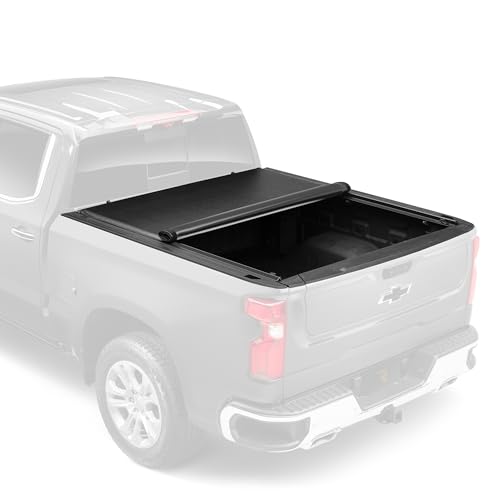 |
Gator Soft Roll Up Truck Bed Tonneau | Check Price |
4 |
Tyger Auto T1 Soft Roll-up Truck Bed | Check Price |
5 |
AUTOSAVER88 Soft Roll Up Tonneau Cover for | Check Price |
5 Best Soft Roll Up Tonneau Covers: Detailed Reviews
When I chose the best soft roll up tonneau cover options, I paid close attention to fit, because a mismatched bed length is a quick route to gaps and a return. I also weighed the side seals and latching systems, since those decide how well a cover closes around ordinary cargo and how easy it is to open when the bed is full.
The choices cover F-150, Silverado, Sierra, and Maverick beds, so the fit check matters more than any broad claim about a cover being universal. I looked for practical distinctions a first-time buyer can act on, such as adjustable tension, included weather stripping, or a cable release, while keeping a close eye on installation notes and bed-liner limits.
1. MOSTPLUS 5.5FT Roll-Up Soft Vinyl Truck Bed
Vinyl, aluminum rails, and added weather stripping help cover everyday cargo, while no-drill mounting suits F-150 owners wanting simpler installation.
- Size5.5 FT
- Color2015-2022 Ford F-150
- Number Of Items1
- Length【Vehicle Fitment】 MOSTPLUS Roll-Up Truck Bed Tonneau Cover Compatible for 2009 2010 2011 2012 2013 2014 2015 2
The MOSTPLUS roll-up cover is for owners of a compatible Ford F-150 with a 5.5-foot short bed who want a soft cover and a clamp-on installation. Its listed fitment spans several F-150 model years, but you’ll need to verify the exact year, bed length, and bed configuration before ordering.
The cover uses a vinyl tarp, a flexible sheet that rolls toward the cab rather than lifting off as a rigid panel. That gives you a way to cover everyday cargo and uncover the bed when a bulky load needs room. The tarp sits over an aluminum frame, so the cover has a frame to support it rather than relying on vinyl alone.
Extra weather stripping is included to help close gaps around the edges, while the cover is described as water-resistant and UV-resistant. Those features can help limit exposure to rain, dust, and sun, but a soft tonneau cover shouldn’t be treated as a sealed storage box. The package also includes an LED light, installation manual, side rails, and secure clamps; check where the light mounts and whether its placement suits how you use the bed.
Pros:
- Vinyl tarp covers everyday cargo while rolling out of the way.
- Aluminum frame supports the flexible cover.
- Extra weather stripping helps improve the perimeter seal.
- Clamp-on installation avoids drilling or other modifications.
- Included LED light can help you see into the bed.
Cons:
- Fit is limited to the listed F-150 bed and configuration.
- Water-resistant sealing does not mean the bed is airtight.
- The truck’s bed length and style need careful checking.
Buy it if: you have a compatible 5.5-foot F-150 bed and want a roll-up cover with extra weather stripping and clamp-on mounting.
Skip it if: you have another truck or bed length, because the stated fit is specific, and a cover made for your exact bed would suit you better. For another fit, consider Rough or Gator.
I’d consider the MOSTPLUS cover when a straightforward soft cover and included edge sealing are the priorities. The aluminum frame, clamps, and extra weather stripping give a beginner a clear sense of what’s included for fitting and covering the bed. Before buying, double-check the model year, bed style, and liner details against your truck; this cover makes the most sense when those checks line up.
2. Rough Country Soft Roll Up Tonneau Cover
Marine-grade vinyl and a quick-release cable help shield gear while allowing fast bed access for compatible Silverado and Sierra owners.
- ColorMatte Black
- Size5’10” Short Bed
- Number Of Items1
- WeightNot listed; check details
The Rough Country soft roll-up cover is for compatible 2019–2026 Chevy Silverado 1500 and GMC Sierra 1500 trucks with a 5-foot-10-inch short bed. Its fit notes exclude EV and CarbonPro bed models, so don’t assume a similar badge or bed length means it will fit your truck.
The cover uses marine-grade vinyl, a type of vinyl intended for use in demanding outdoor conditions, with hook-and-loop side seals. Those side strips fasten the edges to the rails to help keep rain, dust, and debris out of the bed. Reinforced barriers at the front and rear add coverage where the tarp meets the truck, though a flexible cover still shouldn’t be relied on as a fully watertight enclosure.
For opening, a spring latch pairs with a single-cable release, letting you release and roll the cover up for access to the bed. That is useful if you switch between covered cargo and larger loads during the week. The top-mount design sits 1-1/8 inches above the bed, and the clamp-on installation is described as taking about 20 minutes; allow yourself more time if it’s your first installation or your rails need adjustment.
Pros:
- Hook-and-loop seals fasten the sides to the rails.
- Reinforced front and rear barriers help shield bed contents.
- Single-cable release provides a quick way to open the cover.
- Clamp-on mounting avoids drilling.
- Low-profile top-mount design sits 1-1/8 inches above the bed.
Cons:
- Fit excludes EV and CarbonPro bed models.
- The 5-foot-10-inch bed requirement is specific.
- A flexible cover won’t provide the rigid barrier of a hard lid.
Buy it if: you have a compatible Silverado or Sierra short bed and want side seals with a cable release for frequent bed access.
Skip it if: your truck has an EV or CarbonPro bed, because the stated fit excludes those versions, and a cover designed for your bed would suit you better. Mostplus and Gator are worth a closer look instead.
What I like about the Rough Country cover is the combination of edge seals and a release system that’s easy to understand at a glance. The design makes sense for someone who often needs to uncover the bed without unfastening a rigid panel. Check your exact truck version and bed style before ordering, and remember that its stated install time may not match a first-timer’s pace.
3. Gator Soft Roll Up Truck Bed Tonneau
The catalog lists Vehicle-Specific Fit: Designed for 2019-2026 Chevy/GMC Silverado/Sierra 5’10” beds, this soft cover delivers r. Compare fit and care needs before choosing.
- ColorBlack
- Size5′ 10″ Bed
- Number Of Items1
- WeightNot listed; check details
The Gator soft roll-up cover is designed for compatible 2019–2026 Chevy and GMC Silverado or Sierra trucks with a 5-foot-10-inch bed. Its appeal is the pairing of a low-profile fit with adjustable tension and built-in cargo keepers for smaller gear.
The cover’s spring-loaded tension control uses spring pressure to keep the tarp taut across the bed. A tighter surface can help reduce sag and curling at the edge, which may be useful when the weather changes or the cover has been opened and closed often. Its reinforced hook-and-loop closure helps hold the sides down, while the clamp-on system avoids drilling during installation.
GEARHOLD adjustable cargo keepers are included to help stop tools, groceries, or gear from sliding around beneath the cover. That added organization doesn’t replace tie-downs for heavy loads, so use the truck’s proper cargo restraints when needed. The cover rolls up for full bed access, but be prepared to make small tension adjustments during installation; getting the rails even is part of achieving a tidy fit.
Pros:
- Spring-loaded tension control helps keep the surface taut.
- Reinforced hook-and-loop closure secures the sides.
- Clamp-on installation avoids drilling.
- Adjustable cargo keepers help organize smaller gear.
- Roll-up design allows full bed access.
Cons:
- Fit is limited to the specified 5-foot-10-inch beds.
- Tension and rail alignment need attention during setup.
- Cargo keepers are not a substitute for load tie-downs.
Buy it if: you have a compatible Silverado or Sierra bed and want adjustable tension plus a way to keep smaller cargo from sliding.
Skip it if: you need a rigid cover or have a different bed size, because the Gator is a flexible cover with specific fitment, and another cover type would suit you better. If those trade-offs rule it out, Mostplus or Rough may suit you better.
To me, the Gator’s useful distinction is its focus on keeping the tarp taut while adding a little organization under the cover. That combination may help if you carry loose gear that tends to wander across the bed. Confirm the exact bed dimensions and give yourself time to align the rails, since a tension feature can’t compensate for poor initial fit.
4. Tyger Auto T1 Soft Roll-up Truck Bed
The catalog lists FITMENT – {{ Enter the LICENSE PLATE in the Amazon Confirmed Fit tool at the top of this page and SELECT BED t. Compare fit and care needs before choosing.
- Size5.5ft Bed
- Material24oz. marine-grade vinyl
- ColorT1 Soft Roll-Up
- Number Of Items1
The Tyger Auto T1 is for compatible 2021–2027 Ford F-150 trucks and 2022–2025 F-150 Lightning models with a 5.5-foot bed. It suits a buyer who wants a soft cover with supporting crossbars and an adjustable tension system, but its bed-liner installation note deserves a close read.
This cover uses 24-ounce marine-grade vinyl, a stated material weight that describes the vinyl used for the tarp. Built-in horizontal crossbars support the cover when it lies flat, and they roll up with the tarp when you need access to the bed. That combination gives the flexible cover support across its surface without blocking the full opening when rolled back.
The sides fasten with Velcro strips, and a latch lock secures the cover at the tailgate. An adjustable tension system at the ends of the rails can help keep the vinyl tight and reduce wrinkles. Installation is no-drill with the included hardware, but the instructions call for small holes in an over-the-bed-rail bed liner so the clamps can be secured; an under-the-bed-rail liner doesn’t need that modification.
Pros:
- Stated 24-ounce marine-grade vinyl forms the cover surface.
- Built-in crossbars support the cover when laid flat.
- Crossbars roll with the cover for bed access.
- Adjustable tension helps reduce wrinkles.
- Velcro side seals and a tailgate latch close the cover.
Cons:
- Over-the-bed-rail liners require small holes for clamp installation.
- Fit is limited to the stated F-150 bed size and years.
- Tension may need adjustment to keep the vinyl neat.
Buy it if: you have a compatible 5.5-foot F-150 bed and want crossbars that support the cover while still rolling up with it.
Skip it if: you don’t want to cut holes in an over-the-rail bed liner, because the installation instructions call for them, and a cover that fits your liner without that change would suit you better.
I’d keep the Tyger T1 in mind when support across the flat cover matters but you still want to roll the tarp back for a large load. Its installation note is the detail I’d check before anything else, especially if your truck has a bed liner that wraps over the rails. Choose it only after confirming both the bed fit and the clamp setup work for your liner.
5. AUTOSAVER88 Soft Roll Up Tonneau Cover for
The catalog lists Compatibility: Autosaver88 soft roll up tonneau cover is compatible with 4′ 6″ bed of 2022 2023 2024 2025 2026. Compare fit and care needs before choosing.
- ColorBlack
- Size4’6″
- Release Date2024-12-01T00:00:01Z
- Number Of Items1
The AUTOSAVER88 soft roll-up cover is made for a compatible 2022–2027 Ford Maverick with a 4-foot-6-inch bed. That smaller, specific fit makes this a pick to consider only if the truck and bed dimensions match the cover’s stated fitment.
The cover uses a double-layer PVC cover, meaning the flexible surface is made with two layers of PVC, a common type of plastic used in soft goods. The maker describes it as resistant to tears and abrasion, while an aluminum frame and stainless steel clamps support the mounting system. Those construction details are intended to help the cover withstand normal use, but keeping the rails and tarp clean still matters for long-term care.
Arched crossbars are designed to let water run off the surface rather than collect in one spot. An adjustable tension system helps keep the cover even, and a spring latch secures it when closed. To uncover the bed, you can roll the tarp toward the bulkhead; that’s useful when cargo is too tall or long to fit beneath the cover.
The instructions and mounting hardware are included, but plan to check the rail alignment before tightening the clamps.
Pros:
- Double-layer PVC forms a flexible cover surface.
- Aluminum frame supports the cover and side rails.
- Stainless steel clamps secure the mounting system.
- Arched crossbars are designed to shed water.
- Spring latch and adjustable tension help close the cover evenly.
Cons:
- Fit is limited to the stated Maverick bed size and years.
- Rail alignment and tension need care during installation.
- A soft cover does not create a rigid cargo barrier.
Buy it if: you have a compatible Ford Maverick bed and want a roll-up cover with arched crossbars and adjustable tension.
Skip it if: you drive a different truck or need a hard barrier for cargo, because the stated fit and soft construction won’t meet those needs, and a different cover type would suit you better.
The AUTOSAVER88 cover is the only pick here aimed at a Maverick, so its value for you depends first on that exact fit. The arched crossbars and adjustable tension make practical sense for a flexible cover that will see changing weather and regular access. Double-check your bed length and year, then review the installation directions so you know what rail alignment will involve.
How to Choose the Best Soft Roll Up Tonneau Cover
The best soft roll up tonneau cover is the one made for your exact truck, bed length, and bed style, with an opening and sealing setup you’ll use comfortably. Fitment is the first gate; after that, choose the cover based on how much access, weather shielding, and installation effort your day-to-day cargo calls for.
Match the truck and bed exactly
Bed length is the distance from the front of the bed near the cab to the inside edge of the tailgate, but manufacturers may list a rounded size. A 5.5-foot bed and a 5-foot-10-inch bed are not interchangeable, even if they look close at a glance. Check your truck’s year, make, model, bed length, and bed configuration against the cover’s stated fitment.
Don’t rely only on a trim name or a measurement you found for another truck. Measure your own bed if you’re uncertain, and confirm whether the cover is meant for a standard, short, or other bed style. This avoids buying something that can’t sit squarely on the rails or reach the tailgate latch.
Check the bed liner and rail setup
A bed liner is the protective layer inside the truck bed, and its edges can change how clamps attach. Some covers accommodate an under-the-rail liner without changes, while a cover may require holes in an over-the-rail liner. Read the installation notes before you buy if drilling or cutting is a concern.
Also check whether the cover mounts on top of the rails or sits between them. A top-mount cover may sit slightly above the bed, while another design can have a different profile. The right choice is the one that clears your truck’s rails and liner without forcing clamps into a crooked position.
Understand the side seals and barriers
Side seals are the strips that meet the bed rails and help block rain, dust, and debris from entering along the edges. Hook-and-loop closures use two strips that grip each other; they’re common on soft covers and need to be pressed down evenly. Front and rear barriers address gaps near the cab and tailgate.
No soft roll-up cover should be treated as a waterproof storage container unless its exact documentation clearly supports that use. Look for clear descriptions of the seals and barriers, then consider how sensitive your cargo is to moisture. Tools in a work truck may need different protection than cardboard boxes or fabric that can’t get damp.
Pick a latch and opening style you’ll use
A latch, cable, or release handle unlocks the cover so you can roll it toward the cab. A single-cable release can be convenient when you want to open the bed without walking around to undo multiple fasteners. A spring latch can help secure the cover again when you close it.
Think about how often you carry tall or oversized cargo. If you regularly need open-bed access, a soft cover that rolls back is useful; if you rarely open the bed, quick-release details may matter less than fit and sealing. For more options and a broader comparison of roll-up cover options, focus on the opening mechanism that suits your routine.
Look at tension and support
Tension control helps keep the tarp pulled snug across the bed, while crossbars support the cover when it is closed. A loose cover can sag or flap, and wrinkles can collect water or debris. Adjustable tension is useful when the cover needs fine-tuning after the rails are mounted.
Check whether the crossbars are fixed in place or roll with the tarp. Rolling crossbars can give support while allowing the cover to move out of the way for loading. The right setup depends on whether you care more about a supported closed surface, an easy roll-up, or a balance of both.
Keep your cargo and expectations in mind
Soft covers shield cargo from view and help reduce exposure to weather, but they aren’t the same as a hard, lockable lid. If you routinely carry valuables, think about your full security needs rather than assuming a flexible tarp alone provides a strong barrier. Don’t leave anything sensitive in the bed based only on the presence of a cover.
For general browsing across soft designs, soft tonneau cover choices can help you understand how a roll-up cover compares with other soft-cover styles. Stick to the features that change your daily use: the truck fit, seals, latch, access, and any liner modifications.
How to Use a Soft Roll-Up Tonneau Cover for the Best Results
Close the cover fully, press the side seals down, and check that the tailgate end is latched before driving. Taking a few seconds to check each edge helps you catch a loose closure before rain or road dust gets into the bed.
- Clear the bed rails. Remove dirt, leaves, and loose grit where the side rails and seals meet. Debris trapped under a seal can make the edge sit unevenly.
- Load cargo below the cover. Keep boxes and gear from pressing upward against the tarp. A load that pushes against the cover can strain the fabric or stop the latch from closing properly.
- Secure loose cargo. Use the truck’s tie-down points for items that can slide. A cover or adjustable cargo keeper may help organize small gear, but it isn’t a substitute for securing heavy loads.
- Roll out the cover evenly. Guide the tarp toward the tailgate without pulling one side far ahead of the other. If the cover sits crooked, stop and correct it instead of forcing the latch.
- Press the side seals down. Run your hand along the seals so the hook-and-loop strips meet evenly. Pay attention to corners, where a folded edge can leave a path for dust or water.
- Close the tailgate latch. Make sure the cover’s latch is engaged and the tailgate closes as intended. Don’t rely on the tarp merely looking flat from outside.
- Recheck after loading or adjustment. If cargo shifted or you changed the tension, look over the full perimeter again before driving.
When you need the whole bed, release the latch as directed and roll the cover back toward the cab. Keep the tarp and crossbars moving together rather than twisting one rail, and secure the rolled cover using its intended fasteners if the design includes them.
How to Make Your Soft Roll-Up Tonneau Cover Last Longer
Keep the tarp, seals, rails, and clamps clean, and check the latch and tension from time to time. Most avoidable wear comes from dirt rubbing against the surface, a cover left loose, or a clamp that gradually shifts out of position.
After muddy or dusty use, rinse away grit and wash the tarp with mild soap and water if the care instructions allow it. Use a soft cloth or sponge instead of a rough scrubber that could scratch or wear the cover. Avoid assuming a strong cleaner is safe for vinyl or PVC just because it works on the truck’s paint.
Check the rails and clamps after installation and periodically afterward. If a clamp has moved or loosened, follow the maker’s adjustment directions rather than overtightening it; excessive force can damage parts or make the rail sit unevenly. Check the latch, side seals, and tension when you notice a new gap, wrinkle, or rattle.
Let the cover dry when practical before rolling it away for a long period. Dirt and moisture folded into a tarp can leave grime at the seams and seals. When the cover is rolled up, use its intended storage straps or retainers so it doesn’t bounce around while you drive.
Be mindful of parked conditions and cargo height. A load pressing against the tarp can stretch or stress it, while branches or sharp gear can snag the surface. Remove snow or pooled water when it’s safe to do so, and follow the cover’s care directions rather than leaning or placing heavy objects on top.
Common Mistakes to Avoid When Buying and Using a Soft Roll-Up Tonneau Cover
A careful fit check and a patient first installation prevent many beginner headaches. These are the common mistakes that can lead to an awkward fit, a leaky edge, or a cover that is annoying to use.
- Ordering by truck name alone: Similar model names can have different bed sizes or configurations. Check model year, bed length, and bed style before placing an order.
- Guessing the bed length: A small measurement difference can leave a cover short or make the rails sit wrong. Measure your bed and compare it with the exact stated fitment.
- Ignoring bed-liner instructions: An over-the-rail liner may need a modification for some clamp systems. Read the installation note first if you don’t want to cut the liner.
- Assuming water-resistant means waterproof: Edge seals help, but a soft cover is not a sealed cargo box. Protect moisture-sensitive items separately when necessary.
- Pulling the cover unevenly: One side can reach the latch before the other and create wrinkles. Guide the tarp evenly and check rail alignment before tightening everything.
- Overloading beneath the tarp: Tall cargo can push against the cover and interfere with closure. Leave clearance so the cover can lie flat and latch without pressure.
- Skipping seal and clamp checks: A loose clamp or folded seal can create a gap. Look around the perimeter after installation and whenever the cover stops sitting evenly.
How to Set Up a Soft Roll-Up Tonneau Cover
A roll-up cover usually needs its side rails mounted and aligned before the tarp can close evenly. Read the instructions for your exact cover first, because clamp positions, liner changes, and tension adjustments vary by design.
- Confirm the fit before opening every package. Compare the truck year, bed length, and bed style with the cover instructions. If one detail doesn’t match, pause and confirm fitment rather than trying to make the rails work.
- Lay out the parts and tools. Identify the rails, clamps, cover assembly, seals, and hardware. A clear workspace makes it easier to spot a missing or misplaced part before the truck is halfway assembled.
- Clean the bed rails. Remove grit and check for anything that could stop the rails from sitting flat. A dirty surface can make alignment harder and affect how the seals meet the bed.
- Read the liner note carefully. Confirm whether your bed liner sits over or under the rails. If the instructions call for holes in an over-the-rail liner, decide before installation whether you’re comfortable making that change.
- Position the side rails. Set them where the instructions show and check that both sides sit at matching heights. Don’t fully tighten the clamps until you’ve checked the rails for even alignment.
- Attach the clamps as directed. Place each clamp in its intended position and tighten it according to the cover instructions. Avoid guessing at clamp placement or using extra force to correct a crooked rail.
- Test the cover before final adjustment. Roll the tarp out and check the side seals, tailgate latch, and overall fit. If one corner reaches first or the fabric looks uneven, adjust the rails or tension as directed.
- Make a final closure check. Open and close the cover once more, then confirm that the latches and any rolled-up retainers work. Keep the instructions for future tension checks and care.
Common Questions About Soft Roll-Up Tonneau Covers
Are soft roll-up tonneau covers waterproof?
No, you shouldn’t assume a soft roll-up cover is waterproof. Seals, side strips, and front or rear barriers can help limit rain and dust entering the bed, but water may still get through gaps or seams. Keep moisture-sensitive cargo protected separately and check the cover’s stated weather-protection limits.
How do I know which cover size fits my truck?
Match the cover to your truck’s year, make, model, bed length, and bed style. Measure the bed if you’re unsure, and check whether the fit notes exclude a special trim, liner, or bed configuration. Don’t order based on a rough visual match; a few inches can change whether rails and latches line up.
Is a soft roll-up cover secure enough for valuables?
A soft cover can hide cargo from view and make the bed less exposed, but flexible vinyl or PVC is not a hard security barrier. If you carry valuable items, consider the limits of the cover and avoid leaving anything sensitive in the truck bed. Check how the cover latches and what level of protection you actually need.
Can I install a roll-up tonneau cover without drilling?
Many clamp-on soft covers are described as no-drill installations, but that doesn’t guarantee every truck setup avoids modifications. Some covers require small holes in an over-the-rail bed liner so clamps can attach correctly. Read the exact installation directions before buying, especially if your liner wraps over the bed rails.
How long does it take to install a soft roll-up cover?
Installation time depends on the cover, your bed setup, and how comfortable you are aligning rails and clamps. A listed estimate may describe a straightforward installation, while a first-time setup can take longer. Allow time to check fit, adjust tension, and test the latch instead of rushing to finish.
How should I clean a soft tonneau cover?
Start by removing loose dirt and grit, then use mild soap and water if the care instructions allow it. Wipe with a soft cloth or sponge and avoid harsh cleaners or abrasive tools unless the cover maker says they’re safe. Let the tarp dry when practical, and check the seals and rails as you clean.
Make the Fit Check Before You Buy
Before choosing a cover, write down your truck’s model year, bed length, bed style, and liner type, then compare those details with the fit notes and installation directions. If any of them don’t match clearly, pause and confirm the fit before ordering; that small check is far easier than rebuilding the setup around the wrong cover.