
For many truck owners, a tonneau cover is worth it if you regularly carry gear in the bed and want more protection from weather and prying eyes. If you rarely use the bed, need full-height cargo space, or expect guaranteed fuel savings, the cost may not pay off.
Do you end up moving groceries, tools, or sports gear into the cab because rain is on the way? Or are you mostly hoping a cover will save enough gas to cover its price?
I once picked a cover mainly because I liked how clean it made a truck look. I didn’t think through how often I’d need the full bed open, and taking the cover off to haul bulky cargo got old fast. That’s a common mistake, not a dumb one.
I wrote this for anyone weighing the cost against the everyday benefits, without dressing up a cover as a magic fix. You’ll get a practical way to judge the value, compare cover styles, and think through trade-offs before you buy.
Get the choice right and you can keep bags and equipment out of sight, cut down on weather exposure, and make the bed easier to use day to day. Pick the wrong style, and you could pay for a feature you barely use or wrestle with a cover every time a big load comes along.
This takes about 9 minutes to read. By the end, you’ll know how to:
- Judge whether your own hauling habits make a cover worthwhile.
- Compare soft, hard, folding, and retractable designs.
- Weigh fuel economy claims against the cost and your driving.
- Check fit, installation, security, and other common trade-offs.
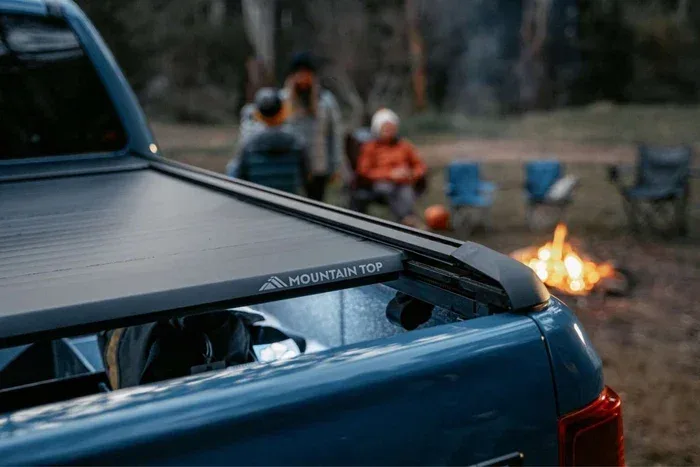
Is A Tonneau Cover Worth It?
A tonneau cover is worth the money when its cargo protection and convenience solve problems you have often enough to justify the price. A useful test is to compare how much you value a dry, covered bed and easier storage against the purchase and installation cost, rather than counting on fuel savings alone.
A tonneau cover is a cover fitted over a pickup’s bed, usually attached to rails along the sides. Styles range from flexible vinyl panels to rigid folding lids and retractable covers that slide into a canister.
Before shopping, answer two questions: How often do you carry items you’d rather keep covered, and how often do you need the whole bed open? If a cooler, groceries, or work gear rides in the bed every week, convenience can add up; if you haul a tall appliance every other weekend, a fixed cover may be a pain.
The cost depends on the style, truck, material, and whether installation is included. Soft covers often cost less than rigid or retractable ones, while an added rail system or a model made for a specific bed can change the total.
| Your situation | A cover may be worth it if… | Think twice if… |
|---|---|---|
| Regular cargo | You carry gear that benefits from being covered. | You mostly leave the bed empty. |
| Frequent rain or snow | You want less direct exposure to weather. | You need a fully waterproof storage space. |
| Tools or supplies | A cover helps keep cargo out of casual view. | You need high-level theft protection. |
| Tall or bulky loads | Your cover folds, rolls, or removes easily. | You need the full bed open most of the time. |
| Fuel savings | Any measured change would be a bonus. | Fuel savings are your only reason to buy. |
A cover can’t make a pickup bed into a sealed trunk, and hiding cargo from view doesn’t guarantee that it’s secure. If your main reason for buying one is protecting expensive equipment, think through the cover’s locking points and your truck’s tailgate setup before you count on it.
Fuel savings are especially hard to predict because driving speed, wind, load, truck shape, and cover design all affect results. A cover may change airflow, but the result for one driver doesn’t promise the same result for another; heat under a tonneau cover can also matter if you carry temperature-sensitive items.
For a rough personal calculation, add the cover and installation cost, then compare that with the value you place on keeping cargo covered and saving time. If you’re hoping gas savings will pay the whole bill, the honest answer is that you can’t count on that outcome; tonneau covers and gas mileage are better treated as a possible bonus than a guarantee.
- Frequent bed use makes the convenience easier to justify.
- Choose around cargo access, not looks alone.
- Treat fuel savings as uncertain, not as your payback plan.
What Does a Tonneau Cover Actually Change?
A tonneau cover changes how much of the bed is exposed, how easily you can reach cargo, and how visible your load is from outside. The benefits are real, but no cover gives every truck the same level of weather protection, security, or ease of use.
The strongest day-to-day benefit is often cargo coverage. A closed cover shields belongings from direct sun, blowing dust, and rain falling from above, which can be a relief when a sudden shower catches you with a bag of groceries in the bed.
That doesn’t mean the bed becomes watertight. Water can enter around the tailgate, seams, drain areas, or edges, depending on the cover and truck; if dry storage is a must, check the maker’s fit and water-resistance details and consider separate sealed containers.
Security is another area where expectations matter. A hard cover with a lock may make casual access harder, while a soft cover can still be cut or opened, and neither changes the security of the truck itself.
I once assumed that covering gear meant I could stop thinking about where I left it. That assumption made me less careful about what I left in the bed, and the lesson was simple: a cover can hide cargo, but it shouldn’t replace sensible storage habits.
Access varies by design, too. A folding cover may open in sections, a roll-up cover may leave the bed largely open when rolled, and a retractable model slides toward the cab but takes up some space there.
How much does heat matter if you carry equipment or groceries? A closed bed can get hot in direct sun, so don’t treat the cover as temperature control; take heat-sensitive items into the cab or use an appropriate insulated container.
Some covers need more attention than others. Soft materials can need cleaning and tension checks, while hard panels and moving parts need to stay aligned and clear of grit; following the care instructions can help prevent a small snag from becoming an annoying rattle.
Before buying, check these practical details:
- Whether the cover has a lock, and what it actually locks to.
- Whether it can open far enough for your usual loads.
- How it handles the rain, snow, dust, and sun where you drive.
- Whether the cover blocks access to tie-downs or other bed features.
- How much of the bed the mechanism occupies when open.
How to Choose a Tonneau Cover That Fits Your Truck
The right cover fits your exact truck bed and gives you the access, protection, and upkeep you can live with. Start with how you use the truck, then confirm the fit before comparing materials or paying for features you won’t use.
Cover names don’t tell the whole story, so look at how each one operates and what it leaves usable. A soft roll-up cover is often flexible and easy to roll away, while a hard folding cover uses rigid panels and can provide a sturdier barrier, though it may not open as far as you want.
A retractable cover slides toward the cab, which can make access simple, but the canister takes up bed space. A hinged cover opens like a lid, which is handy for routine access but can limit tall cargo unless the cover comes off or stays open safely.
| Cover style | Access and storage | Main trade-off |
|---|---|---|
| Soft roll-up | Rolls toward the cab, leaving most of the bed open. | Less resistance to cutting than rigid panels. |
| Soft folding | Folds back in sections for quicker access. | Some folded designs cover part of the bed. |
| Hard folding | Rigid panels can fold toward the cab. | Panels can add weight and limit full-bed access. |
| Retractable | Slides into a canister near the cab. | The canister uses some bed space. |
| Hinged | Opens as one large lid. | Tall loads may require removing or securing it. |
Before ordering, identify the truck’s bed length and model year, and check whether your truck has a factory rail system, bed liner, or other feature that affects mounting. A cover listed for a similar pickup isn’t necessarily the right fit; bed dimensions and hardware can differ across versions.
If you’re still comparing styles, use a clear checklist for choosing a tonneau cover that accounts for bed fit, opening style, and the gear you carry. I’d prioritize a reliable fit and easy access over a fancy feature that won’t change your daily routine.
Installation can range from straightforward to frustrating, depending on the cover and truck. Read the instructions before tightening clamps, check that rails sit evenly, and make sure the cover opens and closes without rubbing or catching.
A misaligned cover can rattle, leak more than expected, or become a chore to use. Pro Tip: After installation, open and close the cover a few times before loading the bed, then recheck the fasteners after the first few drives according to the manufacturer’s instructions.
Insurance is another purchase detail, not a reason to assume a cover is automatically protected. Coverage can depend on your policy, how the cover is listed, and whether damage or theft falls under the relevant terms, so ask your insurer directly whether a tonneau cover is covered and what documentation they need: insurance coverage for a tonneau cover.
I’d also avoid paying extra for a finish or feature you can’t explain a use for. If the truck is a daily driver with bags and outdoor gear in the bed, simple access and a proper fit may matter more than a premium look.
FAQs About Is A Tonneau Cover Worth It
Does a tonneau cover improve gas mileage?
A tonneau cover may affect fuel economy, but the result varies with the truck, speed, wind, cover design, and driving habits. Treat any mileage change as uncertain and track your own fuel use over similar trips if you want a personal comparison. A cover makes more sense when cargo coverage matters even without a fuel benefit.
Will a tonneau cover keep my truck bed completely dry?
No, a tonneau cover doesn’t guarantee a completely dry bed. Water can enter around seams, the tailgate, or mounting points, and the amount depends on the truck and cover design. If you need truly dry storage, use sealed cargo containers and check the cover maker’s stated weather protection before buying.
Can I haul tall cargo with a tonneau cover?
Yes, if the cover opens or removes in a way that suits the load, but some designs stay partly over the bed or take time to remove. Check the opening method before purchase and confirm any open cover can be secured as directed. A fixed, low-clearance design can frustrate you when tall cargo is common.
Does a soft tonneau cover protect tools from theft?
No, a soft tonneau cover shouldn’t be treated as strong theft protection. Some covers hide cargo from view and may deter casual access, but flexible material can be easier to cut than rigid panels. Don’t leave valuable tools unattended based only on a cover, even if the cover has a latch.
Can I install a tonneau cover myself?
Often, yes, but the job depends on the cover’s instructions, your truck’s bed setup, and your comfort with basic tools. Check fit before tightening hardware, keep rails aligned, and follow the maker’s steps. If the mounting system doesn’t match your truck or won’t sit securely, ask a qualified installer rather than forcing it.
Make the Choice Around Your Real Truck Use
A tonneau cover is a sensible buy when it solves a regular problem: exposed cargo, awkward storage, or a bed that’s less useful than it could be. It’s a weaker buy when the plan depends on guaranteed fuel savings or on turning an open pickup bed into a locked, dry trunk.
In my view, the best cover is the one you’ll actually open and close without groaning about it. Match the style to your typical cargo, verify the fit for your exact truck, and be honest about how often you need the whole bed clear.
Your next step is simple: list the items you carry most, how often they need cover, and how often you haul tall loads. If the benefits still matter after that quick check, shop by fit and access first.