
Choose a tonneau cover by confirming your truck’s exact bed fit, then matching the cover style to your cargo, access needs, and budget. A roll-up cover may suit everyday hauling, while a hard folding or retractable cover can offer a firmer barrier and different access options.
Do you need to haul tall items every week, or mostly keep groceries and tools out of sight? And would you rather open the whole bed at once or reach cargo from the tailgate?
I once picked a cover by focusing on its appearance and overlooking how often I needed the full bed open. The cover looked tidy, but loading a bulky item turned into a clumsy shuffle of panels and cargo. That kind of mismatch is common, not a dumb mistake.
I wrote this to help you choose based on how your truck actually gets used, not a glossy product photo. You’ll find the fit details, cover styles, trade-offs, and questions worth settling before you buy.
A good choice can keep cargo out of casual view, make your truck easier to use, and save you from buying the wrong size. A poor match can block a rack, trap you in awkward access, or leave gaps where rain gets in.
This takes about 12 minutes to read. By the end, you’ll be able to:
- Confirm the bed measurements and fit details your cover needs.
- Compare soft, hard, folding, rolling, and retractable designs.
- Match cover access to your cargo and daily routine.
- Check compatibility, installation, weather limits, and value.
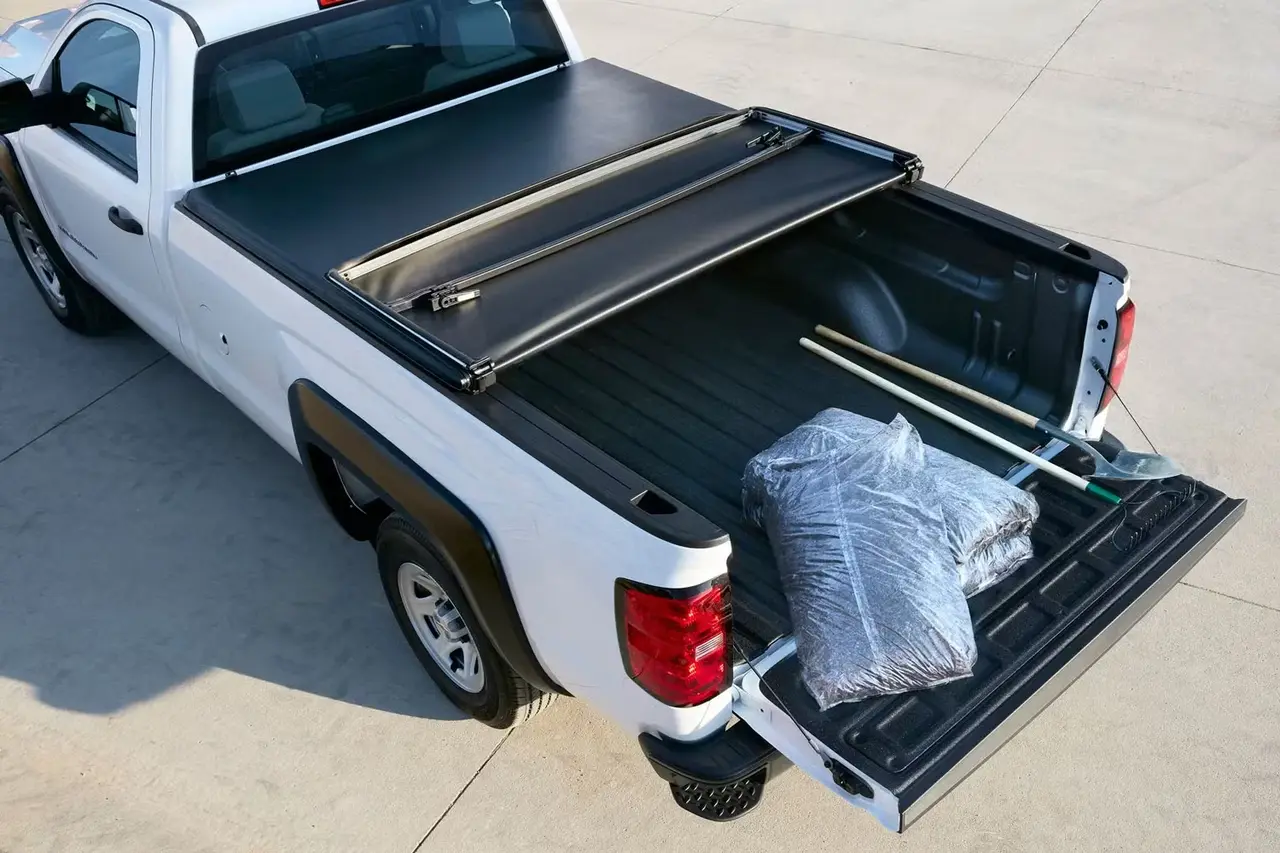
How to Choose a Tonneau Cover for Your Truck
The right tonneau cover fits your truck’s year, make, model, bed length, and bed setup, then suits what you carry most often. Start with the truck’s fit details, decide how you need to reach the bed, and compare security, weather handling, and price.
A tonneau cover is a lid or flexible covering that spans a pickup’s bed. Covers differ in how they open, how much of the bed they expose, and how firmly they resist lifting or tampering.
Use this order so a tempting feature doesn’t distract you from the basics:
- Identify the truck and bed. Record the model year, cab, trim if relevant, and factory bed length. Check the owner’s manual, truck documentation, or a dealer’s fit information if you’re unsure.
- Confirm the bed setup. Note whether the bed has a factory rail system, a drop-in or spray-in liner, a bed cap, a toolbox, or other hardware. Those details can affect mounting and clearance.
- Choose how the cover opens. Decide whether you need access to one section, most of the bed, or the entire bed at once.
- Set your priorities. Rank security, weather resistance, easy operation, rack compatibility, and cost. A cover can’t be best at every job.
- Check the exact product fit. Match the cover’s listed fit to your specific truck and bed. Don’t rely on a similar model year or a bed measurement alone.
Need help confirming bed length before shopping? The practical checks for finding your truck bed size can help you avoid ordering a cover that’s close but wrong.
Bed length and fit details matter
A bed’s advertised length is a useful starting point, not a complete fit check. Manufacturers may list the nominal bed length, while the usable inside measurement and mounting area can differ because of tailgate shape, bed rails, or the truck’s design.
Use the measurement method specified by the cover maker. Many covers are made for a particular truck configuration, so the manufacturer’s fit listing should take priority over a measurement you guessed from the inside of the bed.
| Fit detail | What to check | Why it matters |
|---|---|---|
| Model year and truck model | Exact year, make, and model | Bed shapes and mounting points can change between model years |
| Bed length | The listed length for your truck configuration | A close length can still mean the wrong fit |
| Cab and trim | Cab style and any relevant trim details | Some configurations have different bed or rail arrangements |
| Bed accessories | Toolbox, rails, bed cap, or rack | Accessories can take up space or interfere with cover hardware |
| Bedliner | Liner type and thickness | Some liners affect clamp placement or side clearance |
| Tailgate | Shape and any factory seal or step | The cover may need a particular tailgate arrangement |
Match the cover to what you carry
Think about your most common load, not the one unusual trip you make once a year. A cover that opens quickly for grocery bags may be a nuisance if you regularly carry tall lumber, ladders, or bulky equipment.
If the cover needs to work with a bed rack, confirm that the cover and rack are designed to fit together before buying either one. Some setups combine compatible rails and covers, while others compete for the same mounting space; tonneau covers paired with ladder racks are worth comparing when you need both.
For a toolbox, check the box’s width, location, and mounting style against the cover’s fit notes. Some systems are designed around a particular toolbox arrangement, but a standard cover can conflict with a box that spans the bed rails; check the details in tonneau cover and toolbox compatibility.
Pro Tip: Before ordering, write down your truck’s exact configuration and the name of every bed accessory. It’s much easier to check compatibility from one list than to remember details while comparing product pages.
Compare Tonneau Cover Types by Access and Security
Soft roll-up covers usually offer simple access and a lower-cost path, while hard folding, retractable, and one-piece covers trade different amounts of access, security, and convenience. The best style depends on what you haul and how often the whole bed needs to open.
Soft covers use a flexible vinyl or similar panel supported by bows or rails. They’re typically light and easy to roll, though the material can be cut and the cover may need more care in harsh conditions.
Hard covers use rigid panels or slats. Their construction can make casual access harder than with a soft cover, but the actual level of security depends on the cover, its locks, the tailgate, and how the truck is secured.
| Cover style | How it opens | Main advantage | Main trade-off |
|---|---|---|---|
| Soft roll-up | Rolls toward the cab | Light, simple access along the bed | Flexible material offers less resistance to cutting |
| Hard roll-up | Rigid sections roll toward the cab | More rigid panels with broad bed access | The rolled stack takes space near the cab |
| Folding | One or more panels fold toward the cab | Fast partial access | Folded panels may cover part of the bed or rear window |
| Retractable | Slats slide into a canister | Smooth access with a low-profile design | The canister uses some bed space and adds cost |
| One-piece hinged | Lifts as a single panel | Clean, simple top access | May limit oversized loads and need room to lift |
Roll-up covers keep access straightforward
A roll-up cover is a good fit if you want to open most or all of the bed without removing the cover. Soft versions can be especially convenient when you’re loading bags, small tools, or general cargo day after day.
The material and closure still matter. Check how the cover seals along the sides and tailgate, whether its rails suit your bed setup, and what the maker says about care and operation. “Weather resistant” doesn’t mean every cover will keep water out in every storm.
Folding covers make partial access quick
A folding cover can expose the tailgate end of the bed while leaving the rest covered. That’s handy if you often reach a cooler or work gear near the back and don’t want to roll up a full cover.
Some folded covers rest partly over the bed, so tall cargo can limit how you use them. Check how the model secures in the open position and whether the folded stack blocks the rear window. A folding cover can be a neat compromise, but it’s still a compromise.
Retractable covers trade bed space for a clean opening
A retractable cover slides along tracks into a canister, usually mounted near the front of the bed. The opening can be adjusted across several positions, which helps if you need access to a particular area without folding panels.
The canister takes up space at the front of the bed, and the track system needs to fit around other accessories. I’d choose this style when adjustable access matters more than keeping every inch of bed space available. If you carry tall cargo, check clearance before you commit.
One-piece covers suit a particular kind of use
A one-piece hinged cover lifts as a single panel and can give the truck a smooth, finished look. It may work well if you rarely need to carry tall loads and prefer a single lid over several sections.
That same one-piece design can become a hassle when cargo sticks above the bed rails. Check whether the lid can be supported safely in its open position and whether the cover needs extra clearance behind the truck to lift.
Is a soft or hard cover the better call? A soft cover often makes sense when light weight, easy rolling, and lower cost matter most; a hard cover may suit you better when you want rigid panels and don’t mind extra weight or expense. The useful comparison is soft versus hard cover trade-offs, not a blanket claim that one style wins.
Match the Cover to Your Cargo, Weather, and Routine
A tonneau cover should make your usual jobs easier without creating a new problem for your occasional loads. Decide how much access you need, what you want the cover to protect against, and what gear must still fit.
Start with the cargo that goes in the bed most often. A truck used for work tools has different needs from one that mostly carries luggage, sports gear, or bags from the store.
Ask yourself: do you usually reach the bed from the tailgate, or do you need to open the whole thing? If you only grab gear near the rear, a folding cover might be convenient; if you regularly load bulky items from the cab end, a roll-up design could make access easier.
A cover can help hide cargo from view and reduce exposure to rain, dust, and sun. It doesn’t turn the bed into a sealed, climate-controlled compartment, and water can enter around seams or tailgate gaps depending on the design and installation.
Security has limits
A locked cover can add a layer of resistance and keep items out of casual view, but it shouldn’t be treated like a hard-sided safe. The cover’s material, locking method, installation, and truck tailgate all affect how much protection the setup offers.
If you carry valuable tools, think about where they’re stored and whether they need a separate locked box. Don’t leave important gear visible just because the cover is closed; thieves can still target a truck bed.
Water handling varies by design and setup
Most covers use seals and drainage paths to manage water, but the exact arrangement varies. A well-installed cover can reduce exposure, yet heavy rain, washing, worn seals, or a misaligned tailgate can still let moisture into the bed.
Check the cover’s care instructions and inspect the seals after installation. If you find damp cargo, look at the rail alignment, tailgate seal, and drainage tubes where fitted; don’t assume every leak means the whole cover is defective.
Bed access can make or break the choice
Think about where the cover sits when it’s open. A folding cover may stack near the cab, while a retractable cover stores in a canister and a roll-up model gathers toward the front.
If you regularly haul something taller than the bed sides, confirm how the cover fully opens and whether any parts stay in the way. Do you need the cover to stay open while driving? Some designs allow a secured open position, but the maker’s instructions decide whether that’s allowed; check driving with a tonneau cover open before trying it.
I once underestimated how much a folded cover could occupy when loading a bulky item. I had to rearrange the load instead of simply opening the bed, which taught me to check the cover’s open position before judging its closed look.
Important Tip: Never drive with a cover or panel unsecured. Wind can catch loose parts, and the cover maker’s instructions should spell out which positions are safe for travel.
Weather and climate call for realistic expectations
Cold, heat, snow, and strong sun can affect how a cover behaves and how often it needs care. Follow the product instructions for clearing snow, cleaning the material, lubricating tracks, or operating the cover in freezing weather.
A cover isn’t a substitute for securing cargo. Tie down anything that can move, and don’t assume a closed lid will hold heavy or loose items in place during hard braking.
Check Compatibility, Installation, and Value Before Buying
A good buying decision combines the exact fit, usable features, and the full cost of the setup. Compare the cover’s included hardware and instructions with your truck’s rails, liner, and accessories before placing an order.
If you’re comparing prices, compare like with like: fit, material, opening style, warranty terms, included clamps, and installation needs. A lower price may suit a straightforward daily-use setup, while a higher-cost cover may add features you’ll actually use.
If your budget is tight, begin with the style and fit you need, then compare reliable options within that range. A budget tonneau cover comparison can help you weigh basic function against extra features without paying for a design you won’t use.
Is buying a cover worth it for your truck? It can be if you regularly want cargo covered, out of sight, or less exposed to the weather, but the value depends on how often those benefits matter to you. A closer tonneau cover value check can help you weigh everyday use against cost.
Check the full fit listing, not just the headline
Before buying, confirm that the exact product listing names your truck configuration. Read the notes for factory rails, bedliners, tailgate requirements, and any accessory conflicts.
A fit chart may distinguish between cover versions that look nearly identical. If the details are unclear, contact the manufacturer or seller with the truck’s year, model, bed length, and accessory list before ordering.
For broad comparisons of design and features, you can use a tonneau cover style comparison to narrow down the category first. Then check the fit for the specific cover, since a general style recommendation doesn’t confirm that a particular model fits your truck.
Installation deserves a careful first pass
Many covers attach with clamps and rails, but installation steps differ by model. Set aside enough room to work, protect the truck’s paint from tools, and follow the supplied instructions in order.
A cover that sits unevenly can leak, bind, or fail to latch cleanly. Check rail alignment before tightening everything down, then open and close the cover several times and confirm that the tailgate and seals work as intended.
Before driving, check that every clamp is tight, the cover latches, and any folded or rolled sections are secured as directed. If the system needs drilling or you’re not comfortable fitting it, a qualified installer can be a better choice than forcing a rushed job.
Work out what you’ll pay for and maintain
The price varies with cover style, construction, fit, and included hardware, so compare current listings for your exact truck rather than relying on a broad price range. Installation, replacement seals, or compatible rack parts may add to the total.
Care can be simple, but it isn’t identical across materials. Use the cleaning products and maintenance steps the cover maker recommends, and don’t grease tracks or seals unless the instructions call for it.
Pro Tip: Save the installation instructions and product fit details with your truck records. If you later add a rack or toolbox, those notes make it easier to check compatibility before you buy more gear.
FAQs About How to Choose a Tonneau Cover
What should I check before buying a tonneau cover?
Confirm the truck’s exact model year, bed length, and configuration, then check the cover maker’s fit listing. Review bedliners, rail systems, toolboxes, and racks for possible conflicts. After fit, compare opening style, cargo access, security needs, weather handling, installation, and the cover’s care instructions.
Are tonneau covers waterproof?
No, tonneau covers shouldn’t be assumed to be fully waterproof. Seals and drainage systems can reduce water entry, but results depend on the cover design, installation, tailgate fit, wear, and conditions. Check the manufacturer’s description and care instructions, and protect moisture-sensitive cargo with suitable storage.
Can a tonneau cover improve gas mileage?
A tonneau cover may affect airflow, but the result depends on the truck, cover, driving conditions, and other factors. Don’t buy a cover expecting a guaranteed fuel savings amount. Choose the cover for its fit and cargo benefits, then treat any fuel change as something that may vary.
Can I install a tonneau cover with a bedliner?
Yes, many tonneau covers can fit trucks with bedliners, but compatibility depends on the liner and cover design. A thick liner or one that covers the bed rails can affect clamp placement. Check the fit instructions for your exact liner setup before ordering, and don’t trim a liner unless the maker directs you to.
Should I leave my tonneau cover on all year?
Yes, a tonneau cover can often stay installed year-round if its maker allows it and you maintain it as directed. Clear snow or debris as instructed, check seals and latches, and avoid forcing frozen parts. Remove the cover if seasonal equipment or cargo needs the space or clearance.
Choose for the Truck You Actually Use
The best tonneau cover is the one that fits your truck and makes your regular cargo easier to manage. A simple roll-up may be a better daily tool than a more expensive cover with features you rarely touch, while a hard or retractable design can make sense if its added rigidity or adjustable access fits your routine.
I’d settle the fit first, then choose the opening style, then weigh the extras. That order keeps you from falling for a clever feature that doesn’t work with your bed or the gear already installed.
Your next step is simple: write down your truck’s exact configuration, bed length, and accessories, then compare covers that list a confirmed fit. A few minutes with those details can save you a frustrating return and leave you with a cover you’ll actually enjoy using.