
A tonneau cover that doesn’t match your truck can leave gaps, block the tailgate, or turn installation into a frustrating afternoon. A soft cover may also disappoint if you expect a hard barrier against someone reaching into the bed. Before paying, check your truck’s exact year, bed length, and bed style, since a small fit mistake can mean a return and another round of measuring.
The first thing to match is the cover to the truck, not the other way around: even a useful design is no help if the clamps don’t land where they should. Next, choose between soft roll-up access and harder folding panels, keeping in mind that a cover can help shield cargo from weather but does not make loose gear theft-proof or promise a dry bed in every storm.
Before choosing, keep these practical checks in mind:
- Confirm the truck’s model year, bed length, and bed style against the exact fit details.
- Decide how often you need full bed access and how much protection you expect.
- Check what the installation requires, including clamps, weather stripping, and final bolt tightening.
- Verify the current price and return terms if staying below a firm spending limit matters.
Quick Picks
-
Best For Ridgeline Hard Cover
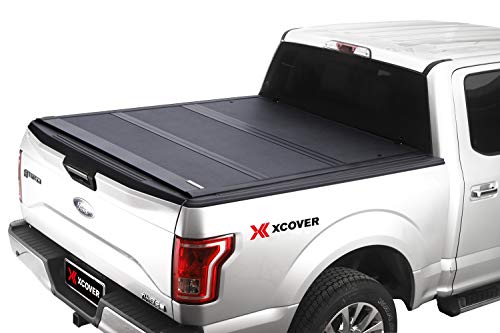
XCOVER Hard Folding Tonneau Cover Fits 2017-2026
Folding hard panels and automatic latches cover Ridgeline cargo, while no-drill installation suits owners who want a firm bed cover.
-
Best For Silverado Roll-Up
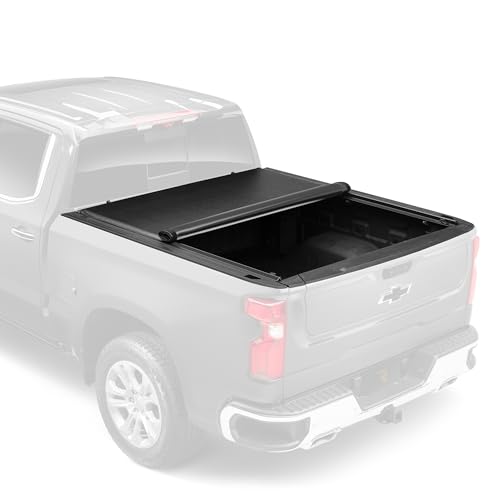
Gator Soft Roll Up Truck Bed Tonneau
A tension control system helps keep the vinyl surface taut, while adjustable cargo keepers suit Silverado owners hauling loose gear.
Top 5 Tonneau Covers under 500 at a Glance
Start with the cover that explicitly fits your truck and bed: the hard-folding options here are aimed at Ridgeline, Colorado, or Canyon owners, while the roll-up choices fit specific Silverado and Sierra beds. The main differences are the truck fit, hard versus soft construction, and how you open the bed; none of the supplied details confirms a current price, so check the amount before ordering.
| Product image | Product name | Check product |
|---|---|---|
| 1 |
XCOVER Hard Folding Tonneau Cover Fits 2017-2026 | Check Price |
| 2 |
Gator Soft Roll Up Truck Bed Tonneau | Check Price |
3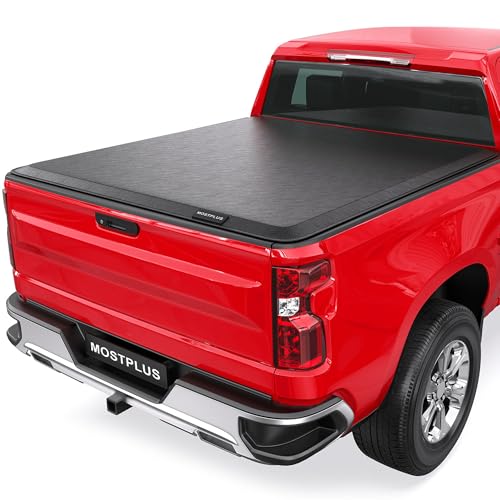 |
MOSTPLUS Roll-Up Soft Vinyl Truck Bed Tonneau | Check Price |
4 |
PENSUN 5.2 FT Hard Tri-Fold Truck Bed | Check Price |
5 |
XTWEEX Hard Tri-Fold Tonneau Cover Fit 2017-2026 | Check Price |
5 Best Tonneau Covers under 500: Detailed Reviews
When choosing the best tonneau cover under 500, I paid most attention to the exact vehicle and bed fit, how the cover opens, and how it attaches, because those details decide whether installation is manageable and everyday access is practical. I also weighed the stated materials and closures, since a cover that fits the routine matters more than a long list of broad protection claims.
These options aren’t interchangeable: each is built for a particular truck range, and the group includes both soft roll-up covers and hard folding covers. Comparing them side by side helps you avoid ordering by truck name alone, while keeping your budget in view without assuming a product is below your price ceiling.
1. XCOVER Hard Folding Tonneau Cover Fits 2017-2026
Folding hard panels and automatic latches cover Ridgeline cargo, while no-drill installation suits owners who want a firm bed cover.
- Number Of Items1
- WeightNot listed; check details
- DimensionsNot listed; check details
- MaterialNot listed; check details
The XCOVER Ridgeline Hard Fold is a low-profile, hard-panel cover for owners of a 2017–2026 Honda Ridgeline who want a firm lid that folds open. Its listed fit and no-drill clamp installation make it a promising choice for that specific truck, not a universal Ridgeline accessory for every bed configuration.
The solid-core panels are the hard sections that cover the bed, and the product details say they can support up to 500 pounds when weight is evenly distributed. That limit describes the cover’s stated load capacity, not a recommendation to carry heavy cargo on top; follow the installation and use instructions, and don’t assume a concentrated load is safe.
The latch releases with one finger and locks automatically when closed, according to the feature details. That can make routine opening simpler than working several separate fasteners, while the hard panels offer a more substantial physical barrier than a soft vinyl top; no cover should be treated as a substitute for securing valuable cargo.
Installation is described as fully assembled and no-drill, but the final tightening still matters. The instructions call out placing both the flat washer and spring washer on the bolt before adding the plastic nut, then checking all bolts and clamps before driving. The cover must not be driven with the panels partly open.
Pros:
- Hard panels create a firm bed covering.
- Automatic latches make closing straightforward.
- No-drill installation avoids making holes in the bed.
- Low-profile design sits inside the truck bed.
- Full stake pockets remain available with the cover installed.
Cons:
- Fit is specific to 2017–2026 Honda Ridgeline beds.
- Hard panels don’t roll completely out of the way.
- The stated 500-pound limit applies only to evenly distributed weight.
- Bolts and clamps need careful tightening before driving.
Buy it if: you own a compatible Ridgeline and want folding hard panels, because the automatic latches and no-drill mounting make regular access easier.
Skip it if: you need to load tall items often, because the panels fold rather than roll away, and a roll-up cover would suit you better. For another fit, consider Gator or Mostplus.
I’d consider the XCOVER a sensible hard-cover starting point for a Ridgeline owner who values a low profile and a simple latch. The automatic closure is useful, but it doesn’t remove the need to inspect the clamps before a drive. Double-check the precise truck year and bed fit, then confirm that the panels’ folded position works with the cargo you haul.
This cover makes the most sense for someone who wants a hard top and can live with folding access.
2. Gator Soft Roll Up Truck Bed Tonneau
A tension control system helps keep the vinyl surface taut, while adjustable cargo keepers suit Silverado owners hauling loose gear.
- ColorBlack
- Size5′ 10″ Bed
- Number Of Items1
- WeightNot listed; check details
The Gator Silverado Roll-Up is a soft vinyl cover for 2019–2026 Chevrolet Silverado and GMC Sierra trucks with a 5-foot-10-inch bed. It suits an owner who wants to expose the bed by rolling the cover back instead of lifting hard panels.
The cover uses a spring-loaded tension control system, a mechanism that helps keep the vinyl stretched across the bed rather than sagging. A taut surface can sit more neatly and help limit loose edges, but correct fit and installation still matter; tension control cannot correct a cover ordered for the wrong bed length.
A reinforced hook-and-loop closure holds the cover shut along the sides. Hook-and-loop is the fastener commonly called a touch fastener, and here it gives the soft top a closure without a hard folding latch. The adjustable GEARHOLD cargo keepers are intended to help keep tools or groceries from sliding around, which may be handy when the bed carries smaller loose items.
The fit is specific, and the soft construction is a trade-off rather than a flaw: it rolls away for convenient bed access but is not a hard barrier. Check the listing for the exact truck configuration and current installation directions before buying, particularly if your truck has bed accessories that could interfere with the rails or clamps.
Pros:
- Roll-up top opens the bed without folding hard panels.
- Spring tension helps keep the surface taut.
- Hook-and-loop closure secures the sides.
- Adjustable cargo keepers help organize loose gear.
- No-drill clamp installation is specified.
Cons:**
- Fit is limited to listed Silverado and Sierra years and bed length.
- Soft vinyl offers less physical resistance than hard panels.
- Hook-and-loop closure needs to be pressed into place along the sides.
- The supplied details don’t state the vinyl’s exact thickness.
Buy it if: you have a listed Silverado or Sierra bed and want roll-up access, because tension control and cargo keepers suit frequent hauling.
Skip it if: a hard barrier matters more than opening the bed quickly, because this Gator cover has a soft top, and a hard folding cover would suit you better. Xcover and Mostplus are worth a closer look instead.
I’d put the Gator near the top for a compatible truck owner who wants to use the bed often and likes the idea of adjustable keepers. The roll-up arrangement makes access the key advantage, while the soft cover is a clear compromise if physical security is your main concern. Verify the bed is exactly 5 feet 10 inches and check how the keepers fit the cargo you usually carry.
Pick this cover when easy access is more important than a rigid top.
3. MOSTPLUS Roll-Up Soft Vinyl Truck Bed Tonneau
The catalog lists 🚗 Truck bed Compatible for 2014 2015 2016 2017 2018 Chevrolet Silverado / GMC Sierra 1500; Compatible for 2015. Compare fit and care needs before choosing.
- ColorBlack
- Size5.8FT
- Number Of Items1
- WeightNot listed; check details
The MOSTPLUS Silverado Roll-Up is a soft vinyl cover for specified Chevrolet Silverado and GMC Sierra trucks, including listed 1500 model years 2014–2019 and certain 2500 and 3500 HD years. It is aimed at owners of a 5.8-foot Fleetside bed who want a roll-up cover with a built-in light.
The aluminum frame is the structure that supports the vinyl tarp across the bed. That frame gives the flexible cover a base to attach to, while the vinyl surface provides the broad covering area; the supplied description doesn’t state the frame’s dimensions or the tarp’s thickness, so don’t infer a weight rating from the material names alone.
The package description includes side rails, secure clamps, extra weather stripping, and an installation manual, and says no drilling or further modification is needed. A built-in LED light is also listed, which can help you see into a covered bed in dim conditions. It does not establish how bright the light is or what power source it uses, so check those details if the light is a deciding feature.
The fit notes deserve careful reading: the product is specified for Fleetside 5.8-foot beds, with a special limitation for 2019 Silverado and Sierra 1500 Classic or Legacy versions. Soap and water are listed for washing the cover, but a soft roll-up top still needs to be fully closed and its edges seated correctly to help shed rain and dirt.
Pros:
- Vinyl tarp and aluminum frame are specified materials.
- Included rails and clamps support a no-drill installation.
- Extra weather stripping is included.
- Built-in LED light can help illuminate the bed.
- Soap and water are listed for washing.
Cons:
- Fit depends on a 5.8-foot Fleetside bed.
- 2019 1500 fit is limited to Classic or Legacy models.
- The details don’t state the LED light’s power source.
- Soft vinyl does not form a hard security barrier.
Buy it if: you have a listed Silverado or Sierra with the correct Fleetside bed and want a soft roll-up cover, because the kit includes rails, clamps, and a bed light.
Skip it if: you aren’t certain your 2019 truck is a Classic or Legacy, because the fit note is narrow, and a cover confirmed for your exact truck would suit you better. If those trade-offs rule it out, Xcover or Gator may suit you better.
What I like about the MOSTPLUS is that the installation kit details are more specific than a bare promise of easy setup. The extra stripping and included light could be useful, but the model-year and Fleetside qualifications are not small print to skim past. Confirm the exact version of your truck and ask how the light is powered if you plan to use it.
This is a fit-dependent choice for a Silverado or Sierra owner who wants a simple soft cover.
4. PENSUN 5.2 FT Hard Tri-Fold Truck Bed
The catalog lists Perfect Fit for 2015-2026 Chevy Colorado and GMC Canyon: This Hard Tri-Fold truck bed cover is specifically de. Compare fit and care needs before choosing.
- Size5.2 FT Hard Tri-Fold
- Number Of Items1
- WeightNot listed; check details
- DimensionsNot listed; check details
The PENSUN Colorado Hard Tri-Fold is a folding hard cover described for Chevrolet Colorado and GMC Canyon trucks, with a listed size of 5.2 feet. It is for an owner who wants a low-profile, three-section top and is willing to confirm the truck’s exact year and bed measurements before ordering.
A tri-fold cover is made of sections that fold over one another, so you can open part of the bed without rolling a whole soft top. That layout can be handy for occasional cargo access, though folded panels take up some room and may not suit a tall load. The supplied details don’t give a folded height or a specific cargo clearance measurement.
PENSUN describes this cover as requiring no drilling or special tools. That can reduce the work involved in installation, but clamp placement and a snug fit still take care; “quick” setup doesn’t mean the truck bed can be skipped as a measuring step.
There is an important fit conflict in the product details. The title says 2015–2025 Colorado and Canyon, while one feature says 2015–2026 and another narrows the range to 2015–2024. Don’t resolve that mismatch by guessing: confirm the year and bed length for your exact truck with the seller before purchase, and review the return terms if the answer isn’t clear.
Pros:
- Hard tri-fold design opens in sections.
- 5.2-foot size is stated.
- No drilling or special tools are described.
- Low-profile design is specified.
- Listed for Colorado and Canyon trucks.
Cons:
- Stated model-year ranges conflict across the product details.
- Exact bed-length fit should be confirmed before ordering.
- Folded hard panels may limit tall cargo access.
- Material composition isn’t specified in the available details.
Buy it if: you own a Colorado or Canyon with a confirmed compatible 5.2-foot bed, because a hard tri-fold layout gives you section-by-section access.
Skip it if: your model year falls near the conflicting fit ranges, because the coverage is unclear, and a cover with confirmed year-specific fit would suit you better.
I’d keep the PENSUN on the maybe list until fitment is confirmed in plain terms for the exact truck. The no-drill setup and tri-fold opening sound convenient, yet neither helps if the rails don’t match the bed. Ask for confirmation of both model year and bed length rather than relying on the broad fit claims.
Choose it only after those details line up with your truck.
5. XTWEEX Hard Tri-Fold Tonneau Cover Fit 2017-2026
The catalog lists FITMENT:Truck Bed Cover Compatible For 2017-2026 Honda Ridgeline 5 ft Bed, The optimized support rod design al. Compare fit and care needs before choosing.
- Size2017-2023 Honda Ridgeline 5.3 FT
- Number Of Items1
- WeightNot listed; check details
- DimensionsNot listed; check details
The XTWEEX Ridgeline Hard Tri-Fold is a low-profile hard cover described for Honda Ridgeline owners who want the panels to fold upright toward the cab. Its fit information includes conflicting bed measurements and year ranges, so the first job is confirming the exact version that fits your truck.
The cover is described as fiberglass reinforced polymer, a plastic material strengthened with fiberglass, with a honeycomb construction. The details say that the build resists impacts, heat, corrosion, and water, and give a maximum bearing weight of 500 pounds. Treat that figure as a stated limit, not permission to place a heavy object on a small area or to ignore the maker’s instructions.
A support-rod design lets the panels fold vertically against the cab, which is intended to leave more of the bed available than panels that lie across it. Heavy-duty struts are also described as helping hold the cover steady. That may help when accessing larger cargo, but the product details don’t give a folded clearance measurement, so check whether the raised panels will interfere with your load.
The installation is described as clamp-on, no-drill, and requiring no extra tools. Automatic latching and one-hand release are listed as convenience features, though the cover still needs to be latched and checked as directed before driving. Fitment is inconsistent: the title says 2017–2026 and a 5-foot bed, while the technical size says 2017–2023 and 5.3 feet.
Get the discrepancy resolved before ordering.
Pros:
- Hard panels fold vertically toward the cab.
- Fiberglass-reinforced polymer and honeycomb construction are specified.
- No-drill clamp installation is described.
- Automatic latching and one-hand release are listed.
- A 500-pound maximum bearing weight is stated.
Cons:
- Product details conflict on bed measurement and model years.
- Folded panel clearance isn’t specified.
- A stated load limit doesn’t confirm safe concentrated loading.
- The warranty length isn’t provided in the details.
Buy it if: you have a Ridgeline with fit confirmed by the seller and want vertically folding hard panels, because that design is intended to preserve usable bed length.
Skip it if: the year or bed-size discrepancy remains unresolved, because an uncertain fit can leave the rails unusable, and a cover with confirmed measurements would suit you better.
To me, the most interesting feature on the XTWEEX is the panel position when open, since vertical folding can be useful when you carry larger items. The fit mismatch is the serious hesitation, and the term “long term warranty” doesn’t provide a duration to plan around. Confirm the bed measurement, year range, and warranty terms before placing an order.
Pick this cover only if the seller confirms all three details for your truck.
How to Choose the Best Tonneau Cover under 500
Start with the exact truck and bed fit, then choose the opening style and protection level that match how you use the bed. The best tonneau cover under 500 is not automatically the least expensive option; it must fit correctly and remain within your actual spending limit.
Match the truck year and bed
The cab style and truck name are not enough to establish fit. Bed length and shape vary, even within one model line, and a cover made for a different length may not clamp correctly or seal along the rails.
Write down the truck’s model year, make, model, and bed length. If the bed length isn’t clear, measure the inside of the bed from the front wall to the inside edge of the closed tailgate, then compare that measurement with the exact fit information; don’t assume a seller’s rounded “5-foot” description matches every version.
A fit list that gives your precise year range and bed length is a stronger starting point than one that names only the truck. If the details disagree, as they do for some options here, pause and ask for confirmation rather than choosing the more convenient range. A practical guide to choosing a tonneau cover can help you think through fit and cover types before you settle on a design.
Pick soft roll-up or hard folding
A soft roll-up cover uses flexible material that rolls toward the cab, which can make it easy to open much of the bed. A hard folding cover has rigid panels that stack or fold, which may give a firmer surface but occupies space when open.
Think about what you carry most often. If you need frequent access and sometimes haul taller items, ask how far the cover rolls or folds when open; if a rigid top is more important, check where the panels rest and whether they block the load.
Neither style should be treated as a guarantee against theft. A soft top is not a hard barrier, and even hard panels don’t make valuable cargo safe without proper storage and other security steps. Choose based on the everyday balance of access, cover construction, and how you secure what goes in the bed.
Set a real spending ceiling
The keyword refers to a price limit, but the product details here don’t provide confirmed prices. Check the current price before buying, and include any separately purchased tools or accessories in your budget rather than assuming the listed cover is the whole cost.
Compare covers with the same fit and opening style before deciding what counts as a fair price. A more expensive option may not be useful if it doesn’t fit, while a cheaper cover can cost you time and return shipping if its fit notes are unclear. Advice on finding a budget tonneau cover can help frame the trade-offs without treating the lowest price as the only goal.
If your spending limit is strict, confirm the total at checkout and read the return conditions before opening the package. Never rely on a phrase like “under 500” as proof that a product currently meets your budget; prices can change, and the fit still comes first.
Check the mounting and installation
No-drill generally means clamps or rails attach without holes in the bed; it doesn’t mean installation is tool-free or impossible to do incorrectly. Look for included rails, clamps, weather stripping, and an instruction sheet, then check if the cover needs a second person for lifting or alignment.
A secure installation is about even alignment and tight fasteners, not simply getting the cover onto the truck. Ask whether factory bed accessories, rails, or a bed liner affect the fit, and don’t assume all covers work with every accessory. Follow the product’s steps and recheck all clamps before driving.
Think through weather and cargo needs
A cover can help keep rain, dirt, and sun off cargo, but “weather resistant” is not the same as a completely waterproof bed. Water can enter around the tailgate, seams, or side rails, especially if the cover isn’t seated correctly or the truck is parked on a slope.
If you carry items that must stay dry, use suitable waterproof containers inside the bed rather than trusting the cover alone. Check whether the package includes weather stripping, and inspect the edges after installation. For bulky cargo, confirm the cover’s open position and never assume the cover’s stated bearing limit makes it safe to carry things on top.
How to Use a Tonneau Cover for the Best Results
A cover works best when it is fully closed, latched, and checked before each drive. A quick routine also helps catch a loose clamp or shifted edge before wind or rain makes the problem more noticeable.
- Confirm the bed is clear at the rails. Remove straps, leaves, and other objects that could keep the cover from seating flat.
- Place cargo below the cover’s closing path. A box, handle, or loose strap trapped at the edge can prevent a proper closure.
- Close the cover according to its design. Roll a soft cover evenly or fold hard panels without forcing a hinge or latch.
- Engage every listed latch or closure. On a hook-and-loop design, press the closure along the sides rather than fastening only one section.
- Check the rails and clamps. Look for visible movement, gaps, or hardware that has worked loose.
- Drive only with the cover in an allowed position. The XCOVER instructions specifically warn against driving with the cover partly open.
- Secure valuable cargo separately. A tonneau cover limits exposure, but it isn’t a replacement for locking up important items.
After a heavy storm or a trip on rough roads, take a moment to look over the cover and bed. Check for water entry, a displaced seal, or loose hardware, then address the cause before relying on the cover again.
For a load that sticks above the bed rails, consult the cover instructions before driving. A closed cover pressing on cargo can strain the panels, rails, or latch; an open cover may also have restrictions at road speed. When the instructions don’t explain your situation, ask the manufacturer instead of improvising a tie-down arrangement.
How to Make Your Tonneau Cover Last Longer
Keep the cover clean, dry it when practical, and inspect its fasteners and edges on a regular schedule. Simple care is easier than trying to repair a torn seal or a bent rail after the cover has been neglected.
Rinse off loose grit before wiping the surface, since rubbing dirt into vinyl or a panel finish can scratch it. Use a mild cleaner and a soft cloth unless the maker gives different care instructions; the MOSTPLUS details specifically say the cover can be washed with soap and water. Don’t apply an unapproved cleaner just because it is marketed for car surfaces.
After washing, let the cover dry before folding or rolling it for storage. Moisture trapped between folded sections or in creases can leave dirt behind and may make cleaning harder later. If you need to store a removed cover, use a clean, dry place where panels and rails won’t be crushed or bent.
Check the clamps, bolts, latches, and side rails about once a month during regular use, and again before a long trip. Tighten hardware only as directed; overtightening can damage parts just as a loose clamp can make the cover shift. For the XCOVER, follow the specified washer placement and confirm the bolts and nuts are tight before driving.
Inspect seals and weather stripping when seasons change and after you notice water entering the bed. Replace or reposition parts only according to the instructions, since a poorly placed seal can create a new gap. Keep the cover closed and latched when not in use, and avoid putting unapproved loads on top.
Common Mistakes to Avoid When Buying and Using a Tonneau Cover
Most avoidable trouble starts with a rushed fit check or an assumption that a cover does more than it actually does. Use these checks before buying and again once the cover is on the truck.
- Ordering by truck make alone: Bed lengths and versions vary. Confirm model year, exact bed length, and bed style against the fit details.
- Ignoring conflicting fit years: A broad range doesn’t cancel out a narrower or inconsistent note. Ask the seller to confirm your exact truck in writing before ordering.
- Assuming a cover below the price ceiling: Prices change and the supplied product details don’t confirm a current amount. Check the checkout total, shipping, and return conditions first.
- Expecting soft vinyl to stop theft: A soft top covers cargo but isn’t a rigid barrier. Keep valuables secured separately and don’t leave them visible when the cover is open.
- Calling every tonneau cover waterproof: Seams, rails, and tailgate edges can allow water in. Use sealed containers for gear that cannot get wet and inspect the edges after rain.
- Skipping the clamp check: A cover can look aligned while fasteners remain loose. Recheck every clamp and bolt as directed before driving.
- Forcing a partly open cover onto the road: Some covers have specific driving-position warnings. Follow the instructions, and don’t drive with a cover position the maker prohibits.
One more easy-to-miss error is treating a stated weight limit as a promise that any load can sit on the cover. A limit for evenly distributed weight is not the same as a heavy object concentrated on one panel. Keep cargo inside the bed unless the manufacturer clearly allows the use you have in mind.
How to Set Up a Tonneau Cover
Set up the cover on a clean, level bed and follow the instructions for the exact design. The steps below are a general guide, not a substitute for the cover’s own hardware order, torque directions, or safety warnings.
- Verify the fit before unpacking everything. Check the year, model, bed length, and bed style against the cover’s instructions; stop if any of those details conflict.
- Clear and inspect the bed rails. Remove dirt and accessories that could block the clamps, and check whether the bed liner changes the fit.
- Lay out every part. Identify rails, clamps, bolts, washers, seals, and instructions so a missing or damaged part is noticed before installation.
- Position the side rails evenly. Align both sides as directed, and avoid tightening one side fully while the opposite rail is still out of place.
- Attach clamps or hardware in the stated order. The likely stumbling point is a reversed clamp or misplaced washer, so match each part to the diagram before tightening.
- Set the cover onto the rails. Ask for help if the panels are awkward to handle, and check that the tailgate can close without pressing against the cover.
- Adjust and tighten the hardware. Follow the maker’s directions rather than guessing how tight is tight enough; on the XCOVER, place the flat and spring washers on the bolt before adding the plastic nut.
- Test the closure and inspect the full perimeter. Open and close the cover, latch every section, check the seals, then recheck bolts and clamps before driving.
A no-drill design still needs careful alignment. If the cover sits crooked, a latch doesn’t catch, or a rail moves when pressed, stop and correct the installation before driving rather than forcing the mechanism into place.
Common Questions About Tonneau Covers Under 500
Are tonneau covers under $500 any good?
Some can suit a budget-conscious owner, but price alone doesn’t establish fit, durability, or protection. Start with a cover that clearly matches your truck and bed, then compare its opening style, materials, and installation details. Confirm the current price and return terms before buying, since a low price won’t help if the cover doesn’t fit.
How do I measure my truck bed for a tonneau cover?
Measure inside the bed from the front wall to the inside edge of the closed tailgate, then compare that measurement with the fit details for your exact truck. Bed measurements may be described by a rounded size, so don’t choose by a tape measure alone. Confirm make, model year, bed style, and the cover’s stated fit range.
Is a soft roll-up cover better than a hard folding cover?
Neither style is better for every truck owner. Soft roll-up covers can expose the bed by rolling toward the cab, while hard folding covers provide rigid panels that fold in sections but occupy space when open. Choose by the cargo you carry, how often you need full access, and the kind of barrier you expect.
Will a tonneau cover keep my truck bed completely dry?
No cover should be assumed to make a truck bed completely waterproof. Water can enter around seams, rails, or the tailgate, and installation affects how well the edges sit. If cargo must stay dry, use weatherproof containers inside the bed and inspect the cover’s seals after installation and heavy rain.
Can I drive with a tonneau cover partly open?
Only if the instructions for your specific cover allow that position. Some covers have explicit warnings against driving when partly open, and an unsecured panel or loose edge can create a road hazard. Check every latch and clamp before driving, and follow the maker’s directions about open positions and speed.
How often should I check tonneau cover clamps?
Check clamps and bolts after installation, before driving, and regularly during use, especially before a long trip. A monthly inspection is a practical routine for spotting movement or loose hardware. Follow the cover’s own maintenance schedule, and tighten parts only as directed so you don’t damage the rails or fasteners.
Measure First, Then Confirm the Fit
Before ordering, write down your truck’s year, make, model, bed length, and bed style, then compare every detail with the cover’s fit notes. If the year range or measurement conflicts, get a clear confirmation and check the current total and return terms before you commit.