
For most truck owners, a roll-up cover is better for quick access to the whole bed, while a tri-fold cover is better for sturdy panels and easy partial access. The right pick depends on how you use your truck, what you haul, and how much security you need.
Do you need to load bulky gear often, or does your bed mostly carry groceries and weekend supplies? Are you trying to keep rain off your cargo, discourage theft, or avoid wrestling with a cover every time you need a toolbox?
I once chose a cover based on how neat it looked parked in the driveway, then found the folded panels crowded the space I needed for a tall load. Reworking the setup took time and turned a quick haul into a small headache, which is a common mistake, not a dumb one.
I wrote this to help you compare the two styles in real truck-bed use, without pretending one design suits everybody. You’ll get a clear way to weigh access, weather protection, security, cost, and fit before you buy.
Choose well and you can load faster, keep gear drier, and avoid paying for features you won’t use. Choose poorly and you may end up lifting panels more than you expected or finding that a cover blocks the cargo you bought it to carry.
This takes about nine minutes to read. You’ll come away knowing how to:
- Match each cover style to your usual cargo.
- Compare soft and hard versions without mixing up the design choices.
- Check fit and installation details before ordering.
- Spot the trade-offs that matter most for daily use.
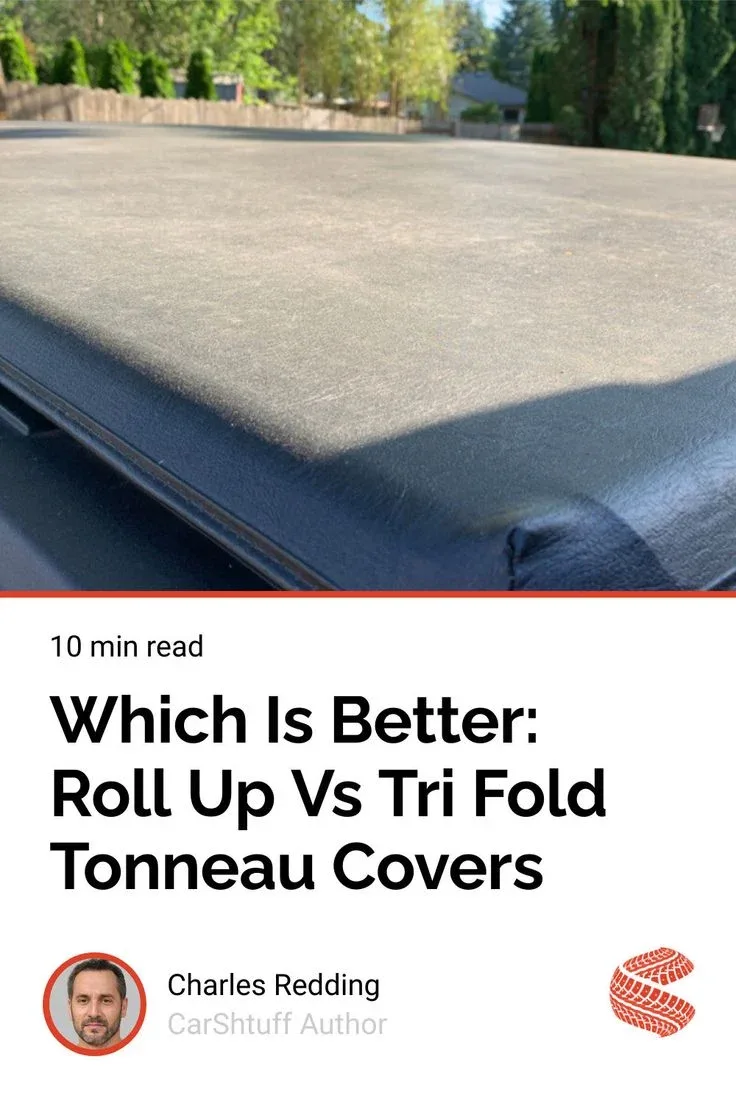
Which Is Better Roll Up or Tri Fold Tonneau Cover?
A roll-up tonneau cover is usually the better choice when you want the full bed open quickly, while a tri-fold tonneau cover is often better when you want rigid panels and easy access to part of the bed. Neither style is automatically more weatherproof or secure; material, seals, fit, and installation matter just as much.
A roll-up cover attaches along the bed rails and rolls toward the cab. Soft models usually use flexible fabric or vinyl, while hard rolling models use linked or slatted panels that roll into a canister.
A tri-fold cover uses three sections that fold toward the cab. Soft versions use fabric stretched over folding frames; hard versions have rigid panels. The two styles describe how the cover opens, not whether its surface is soft or hard.
| Feature | Roll-up cover | Tri-fold cover |
|---|---|---|
| Full-bed access | Usually opens the full bed by rolling toward the cab | Often needs panels folded and secured near the cab |
| Partial access | Typically opens from the tailgate end | Often opens in sections, depending on design |
| Cargo clearance | Roll and canister may take space near the cab | Folded panels may sit above part of the bed |
| Construction choices | Soft fabric or hard slats | Soft fabric or rigid panels |
| Main trade-off | Some models take more time to roll and secure | Folded stack can limit tall cargo or rear-window clearance |
For a long load such as lumber, furniture, or camping gear, the way each cover clears the bed can matter more than how it looks. A roll-up may give you a cleaner opening, while a tri-fold’s folded stack can get in the way unless the cover’s design lets it fold fully out of the cargo area.
Pro Tip: Check how the cover stores when open, not just how it looks closed. A product photo with the cover shut won’t tell you whether the open cover blocks the rear window or takes up space you need.
How Access, Weather, and Security Compare
The biggest everyday difference is how much of the bed you can reach without moving the cover out of the way. Roll-ups tend to suit frequent full-bed access, while tri-folds can make it simple to reach the tailgate end or open a section.
If you’re grabbing a cooler or a bag of tools, opening one tri-fold section may be all you need. If you often load a bulky item from the tailgate to the cab, rolling the cover back can be less awkward than lifting and securing several panels.
How much does the cover keep out of the weather? A correctly fitted cover with well-seated seals can reduce water and debris getting into the bed, but neither style should be treated as fully waterproof in every condition.
Rain can sneak in around the tailgate, bed-rail corners, or a poorly seated seal. A cover that fits your truck closely and is installed as directed is a better bet than choosing a style based on a broad claim about weather protection.
Security depends heavily on construction. A soft cover can hide cargo from view and discourage casual access, but the material can be cut; a hard-panel or hard-slatted model usually offers more resistance to casual tampering, but it still isn’t a secure storage box.
The latch, tailgate, and truck’s locking setup matter too. If valuable tools live in the bed overnight, don’t treat a tonneau cover as a replacement for a locked toolbox or another layer of security.
I once spent time adjusting a cover because I’d focused on the panels and barely checked the tailgate seal. A small gap let in grime near the back of the bed, a useful reminder that tidy installation beats a fancy feature when the weather turns.
For owners comparing construction as well as opening style, soft and hard cover trade-offs can help separate two choices that often get lumped together. A hard roll-up and a soft tri-fold are both possible, so “roll-up versus tri-fold” alone doesn’t tell you how a cover handles tools, weather, or wear.
What matters more than the opening style
- Material: Soft fabric is flexible and usually lighter; rigid panels or slats add structure.
- Seals: Look for the seal arrangement at the cab, sides, and tailgate.
- Latches: Check how the cover locks and whether you can reach the release easily.
- Open position: Confirm how the cover stays secured while you drive.
- Care needs: Dirt, standing water, and neglected seals can shorten the useful life of either style.
Important Tip: Before driving with a cover open or partly folded, confirm the maker’s instructions for your exact model. Use its safety straps or hold-downs as directed, and never assume a loose panel will stay put at highway speed.
Choose by Truck Fit, Cargo, and Budget
Choose the cover that fits your exact truck and clears the cargo you actually carry. A cover can have the right opening style and still be the wrong buy if it doesn’t match your bed length, rail setup, or accessories.
Start with your truck’s bed length, model year, and trim. Check whether factory bed rails, a bed liner, a toolbox, or other accessories change the fit; a short-bed cover won’t become a good fit just because its mounting rails look close.
If you’re still comparing cover types, how to choose a tonneau cover offers a broader way to weigh fit, features, and truck use. That step can save you from shopping by style first and discovering later that your toolbox or rail accessories don’t work with the model you picked.
| Your usual need | Better starting point | Check before buying |
|---|---|---|
| Frequent full-bed loading | Roll-up | How the cover rolls and where the canister sits |
| Quick access to smaller items | Tri-fold | Whether each section opens independently |
| Tall cargo carried often | Roll-up, depending on model | Open-bed clearance and cover storage position |
| More resistance to casual tampering | Hard roll-up or hard tri-fold | Panel construction, latch design, and tailgate security |
| Lower weight and simpler handling | Soft roll-up or soft tri-fold | Frame, fabric care, and required hold-downs |
Price varies by material, construction, truck fit, and included hardware, so a single price range won’t tell you much without comparing specific models. Soft covers generally cost less than comparable hard models, but check the full package: mounting hardware, seals, warranty terms, and any extra parts you need.
Installation can also affect the real cost. Some covers use clamps and straightforward hand tools; others may take more adjustment or require a second person to position safely. If you’re not comfortable lifting a large panel or working around sharp rail edges, ask a helper or a qualified installer.
Here’s a simple way to narrow the choices:
- Write down the cargo you carry most, including its height and length.
- Decide how often you need the whole bed open versus only the tailgate end.
- Choose soft or hard construction based on your security and handling needs.
- Confirm fit against the truck’s year, bed length, rails, and accessories.
- Read the installation and driving instructions before ordering.
Do you need a cover you can open with one hand at a muddy trailhead? The answer depends on the specific latch and lift effort, so test one in person if you can or check the maker’s handling instructions rather than assuming every roll-up or tri-fold works the same way.
For many drivers, a soft roll-up is a practical pick when low weight and full-bed access lead the list. I’d choose a hard tri-fold when panel rigidity and quick partial access matter more, as long as the folded stack won’t clash with my cargo.
FAQs About Which Is Better Roll Up or Tri Fold Tonneau Cover
Is a roll-up tonneau cover easier to use than a tri-fold?
A roll-up tonneau cover is often easier when you need the full bed clear, since the cover rolls toward the cab rather than stacking across the bed. A tri-fold can be quicker for reaching cargo near the tailgate. Ease of use still depends on the model’s latch, weight, and hold-down setup.
Which tonneau cover keeps rain out better?
Neither opening style guarantees better water protection by itself. A close fit, well-seated seals, and correct installation do more to limit water entry than choosing roll-up or tri-fold. Check the seal layout around the cab and tailgate, and expect some models to let in a small amount of water during heavy rain.
Is a hard tri-fold more secure than a soft roll-up?
A hard tri-fold generally offers more resistance to casual tampering than a soft roll-up because its panels are rigid rather than flexible fabric. Neither cover makes the bed theft-proof, and security also depends on the latch and tailgate. Keep high-value gear in a locked storage box when added protection matters.
Can you haul tall cargo with a tri-fold cover?
Yes, but the folded panels may limit headroom or block part of the bed, depending on how the cover opens and secures. Check the open position and the cover’s driving instructions before loading tall items. A roll-up may clear more of the bed, though its canister can still take space near the cab.
Do tonneau covers fit trucks with bed liners?
Some tonneau covers fit trucks with bed liners, but compatibility depends on the liner’s shape and how the cover mounts. A liner that overlaps the bed rails can interfere with clamps or seals. Match the cover to your truck’s year, bed length, rail setup, and liner before ordering.
Make the Choice That Fits Your Truck
For frequent full-bed access, start with a roll-up; for sturdy panels and handy partial access, start with a tri-fold. Then check the details that actually determine whether you’ll enjoy using it: cargo clearance, material, seals, latch, and fit.
I wouldn’t pay extra for a feature that doesn’t solve a real problem in your routine. If your bed carries tools and boxes, security and weather sealing may matter most; if you load bulky gear every weekend, open-bed clearance deserves more weight.
Your clearest next step is to measure the bed and list the cargo you haul most often. Match those needs against the cover’s folded or rolled position, then confirm fitment for your exact truck before you buy.