
Yes, truck insurance may cover a tonneau cover if your policy covers the cause of the loss and includes the cover as an insured vehicle part or accessory. Theft and damage claims can still depend on your deductible, policy limits, and how the cover was installed.
Have you had a cover stolen from a parked truck, or are you trying to figure out if a cracked panel is worth claiming? The frustrating part is that “full coverage” doesn’t give you a simple yes or no.
I once treated an aftermarket truck accessory like it would automatically be covered because it was attached to the vehicle. That assumption would’ve made a claim conversation much messier, so I learned to check how the policy defines accessories before relying on it. It’s a common mistake, not a dumb one.
I wrote this to help you sort out what your auto policy might pay for, what details the adjuster may ask about, and when paying out of pocket makes more sense. You shouldn’t have to decode insurance language just to protect a truck bed.
If you get the details right, you can avoid a surprise bill, keep useful proof of what you bought, and make a better call about filing a claim. Skip those steps, and a deductible or coverage limit may eat up much of the payment.
This takes about 9 minutes to read. By the end, you’ll know how to:
- Tell which kinds of losses may qualify for coverage.
- Check whether an aftermarket cover is listed or limited.
- Prepare useful records before you contact your insurer.
- Compare a potential payout with your deductible.
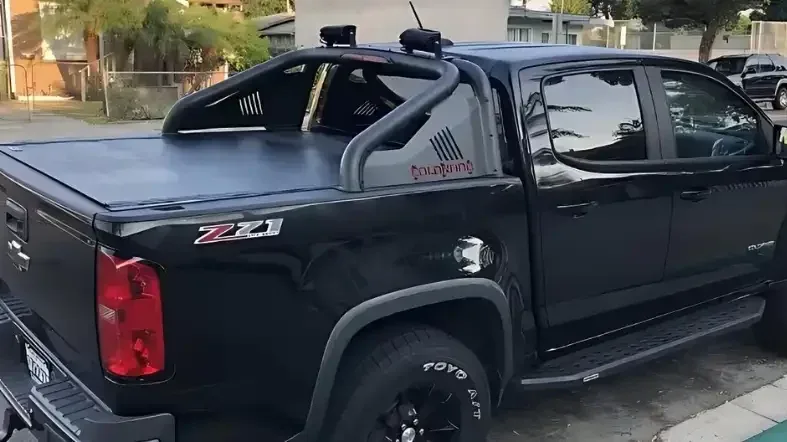
Does Insurance Cover Tonneau Cover?
Truck insurance may cover a tonneau cover when the covered loss fits your policy and the cover qualifies as part of the insured vehicle or as a covered accessory. A stolen hard cover might fall under comprehensive coverage, while damage from a crash may fall under collision coverage.
The policy wording decides whether the cover is included, limited, or excluded. A factory-installed cover may be treated differently from an aftermarket accessory, and a claim may be limited by your deductible or accessory coverage limit.
| What happened | Coverage that may apply | What can affect payment |
|---|---|---|
| Tonneau cover stolen from the truck | Comprehensive | Whether theft is covered, proof of ownership, deductible, and accessory limits |
| Cover damaged in a crash | Collision | Fault rules, deductible, and how the cover is classified |
| Cover damaged by hail, a falling branch, or vandalism | Often comprehensive | Policy terms, exclusions, deductible, and damage evidence |
| Cover damaged while being installed or removed | Policy-specific | Whether the damage is tied to an insured event or an excluded activity |
| Cover wears out, fades, or stops working | Usually not an insured loss | Wear, age, maintenance, and mechanical-breakdown terms |
Treat the table as a guide, not a promise of payment. Comprehensive coverage generally applies to certain losses other than a collision, but exact covered causes and exclusions vary by policy. Collision coverage generally applies to damage caused by an impact with another vehicle or object, subject to the contract.
A claim also has to clear the deductible, which is the amount you pay before your insurer contributes. If a repair costs less than, or only a little more than, your deductible, filing may not put much money back in your pocket.
What if the cover was bolted on after you bought the truck? Your insurer may still cover it, but the policy might require you to report aftermarket equipment or buy extra protection for it. The safest move is to ask the insurer how the exact cover is classified before a loss happens.
Pro Tip: When you call, give the insurer the cover’s brand, model, approximate purchase price, and installation method. Ask whether the policy covers that accessory, what limit applies, and which deductible would be used.
What Changes Coverage for a Tonneau Cover?
The biggest factors are the cause of damage, the cover’s value, the policy’s accessory rules, and whether you can show that the cover belonged to you. Insurers may handle a factory cover and a separately purchased aftermarket accessory differently.
A covered cause doesn’t automatically mean the insurer will pay the full replacement price. The policy may pay the cover’s current value after age and wear, use a stated limit for accessories, or apply other terms. Ask whether the settlement is based on actual cash value or replacement cost, and ask how those terms apply to the cover.
A small detail can change the answer: is the cover still attached to the truck, or did you remove it and store it in a garage? Auto policies and other property policies can treat detached equipment differently, so don’t assume coverage follows the cover wherever it goes. Ask the insurer about storage and transport before you rely on a separate policy.
I once had to untangle a purchase record for an accessory after its packaging and paperwork had disappeared into the usual truck-cab clutter. A few clear photos and a saved receipt would’ve made the conversation much easier. Keeping proof in a digital folder is a simple habit that can save you a headache.
Useful records include:
- A receipt, invoice, or order confirmation showing the purchase and price.
- Photos of the cover installed on the truck, plus close-ups of its condition.
- The cover’s brand, model, and serial number, if it has one.
- Installation paperwork or a repair estimate, if relevant.
- A police report or incident report when the insurer or situation calls for one.
Pro Tip: Save the receipt and photos somewhere other than the truck. If the truck and its contents are stolen together, records stored only in the glove box won’t be much help.
Want to know if you should report a cracked cover? First compare a written repair estimate with the deductible and ask the insurer how a claim could affect your policy. A claim’s effect on premiums or renewal can vary, so don’t count on a universal answer.
How to Handle a Tonneau Cover Insurance Claim
A clean claim starts with documenting the loss, checking the policy, and contacting the insurer promptly. Don’t repair or throw away damaged parts before you’ve asked what evidence the adjuster needs.
- Make the area safe and prevent more damage. If the cover is loose after a crash, don’t drive with it flapping or at risk of coming off. Follow the truck manual and get help if the cover can’t be secured safely.
- Document what happened. Take clear photos of the cover, the truck, the surrounding area, and any visible damage. Write down when and where the loss happened while the details are fresh.
- Report theft or vandalism when appropriate. Contact local law enforcement if required by your insurer or the circumstances, and keep any report number or case paperwork.
- Review your policy and call the insurer. Ask which coverage applies, whether the tonneau cover counts as an accessory, what deductible applies, and whether a limit could cap payment.
- Get an estimate and follow claim instructions. Ask whether the insurer needs an inspection before repairs. Keep receipts for temporary measures and don’t assume those costs will be reimbursed unless the insurer confirms.
- Check the proposed settlement. Compare the estimate with the cover’s age, condition, and policy terms. If something seems missing, ask the adjuster to explain the calculation before accepting the figure.
A claim can be denied or reduced when the loss isn’t covered, the policy excludes the situation, the deductible exceeds the covered amount, or records don’t support the claimed value. That doesn’t mean every missing receipt ends a claim, but proof makes the value easier to establish.
If you’re still shopping, start with truck fit, how you use the bed, and the cover’s price rather than assuming every model gets the same insurance treatment. A careful tonneau cover selection guide can help you compare styles and features before you buy.
Some owners decide the added protection and convenience are worth the purchase; others would rather keep the money for other truck gear. The answer depends on your use, budget, and tolerance for risk, so compare the cost with the reasons a tonneau cover may be worth it for your truck.
Before you call, have these details handy:
- Your policy number and the truck’s vehicle identification number.
- The cover’s purchase date, approximate price, and proof of ownership.
- A short description of the loss and photos of the damage.
- Any police report number, repair estimate, or related paperwork.
Don’t guess at a number to make the claim sound stronger. Give a reasonable purchase price and let the insurer explain how it values an older or damaged accessory.
FAQs About Does Insurance Cover Tonneau Cover
Does comprehensive insurance cover a stolen tonneau cover?
Comprehensive coverage may pay for a stolen tonneau cover if the policy covers theft and treats the cover as an insured vehicle part or accessory. Payment can depend on the deductible, proof of ownership, and accessory limits. Contact your insurer to confirm the terms and ask what documentation it needs.
Does collision insurance cover tonneau cover damage?
Collision coverage may apply when a crash damages the tonneau cover, subject to the policy’s terms and deductible. If a falling branch, hail, or vandalism caused the damage, a different coverage type may apply. The cause of loss matters, so describe what happened clearly when you report it.
Is an aftermarket tonneau cover covered automatically?
Not always. An insurer may cover an aftermarket tonneau cover under the truck’s policy, set a limit for accessories, or require you to report added equipment. Ask how your specific cover is treated and whether you need an endorsement or added coverage before relying on the policy.
Will insurance pay the full replacement cost?
Not necessarily. The policy may use the cover’s age and condition to calculate its value, apply a limit, or subtract your deductible. Ask whether payment uses actual cash value or replacement cost, and request an explanation if the proposed amount doesn’t match your policy terms.
Should I file a claim for a damaged tonneau cover?
File only after you understand the likely covered amount, deductible, and claim requirements. A repair estimate can help you compare the expected payment with the cost of handling the damage yourself. Ask your insurer how a claim could affect your policy, since that answer varies.
Make the Coverage Clear Before You Need It
A tonneau cover may be covered by truck insurance, but the policy and the cause of loss decide whether a claim pays. Don’t rely on the phrase “full coverage” or assume an accessory is automatically protected just because it’s attached to your truck.
My preference is to get a clear answer from the insurer before buying a costly cover, then keep the receipt and a few photos with your policy records. That small bit of paperwork is far less annoying than trying to prove what vanished after a theft or what got damaged in a storm.
Your next step is simple: call your insurer with the cover’s details and ask about coverage, accessory limits, deductibles, and valuation. You’ll know where you stand before a bad day turns into a paperwork scavenger hunt.