A dead vehicle battery rarely happens at a convenient time. You might be leaving for work, standing in a dark parking lot, heading home after a long road trip, or trying to start a vehicle after it has been parked for several weeks. A quality battery booster pack eliminates the need to position a second vehicle nearby and can get a compatible 12V engine cranking again within minutes.
For most drivers, my primary recommendation is the NOCO Boost GB40 1000A UltraSafe Jump Starter. Its compact lithium design, strong clamp system, spark-resistant connection technology, reverse-polarity protection, IP65-rated housing, and compatibility with gasoline engines up to 6.0L make it an especially balanced choice for passenger cars and smaller SUVs.
Drivers with bigger engines should consider the NOCO Boost GB70 2000A UltraSafe Jump Starter. It raises the engine rating to 8.0L gasoline and 6.0L diesel while adding a larger internal battery, a brighter emergency light, and useful 12V accessory power.
For garages, fleet vehicles, farms, and buyers who prioritize sustained cranking performance over minimum weight, the Clore Automotive Jump-N-Carry JNC660 remains one of the most proven traditional booster packs available. It is much heavier than lithium models, but its 46-inch #2 AWG cables, industrial clamps, 425 cranking amps, and service-oriented design give it a very different type of capability.
The ten products below are arranged by review volume from highest to lower, while remaining directly relevant to the battery booster pack category. Review totals change continuously, so I have not filled the article with temporary numbers. Instead, the ranking reflects the current popularity order while the reviews focus on the features that actually matter when a battery refuses to start your vehicle.
Best Battery Booster Pack
| Image | Product Name | Check Price |
|---|---|---|
Best Choice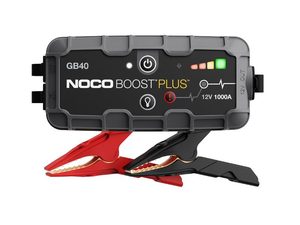 | NOCO Boost GB40 1000A UltraSafe Jump Starter – Best Overall | Check Price |
Second Best | NOCO Boost GB70 2000A UltraSafe Jump Starter | Check Price |
Third Choice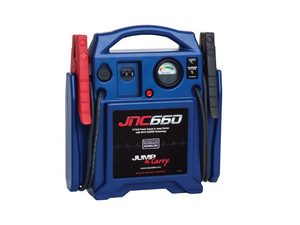 | Clore Automotive Jump-N-Carry JNC660 | Check Price |
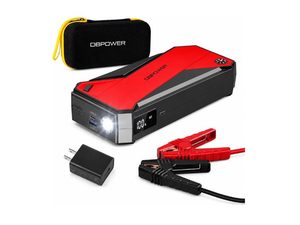 | DBPOWER Peak 3000A 18000mAh Jump Starter | Check Price |
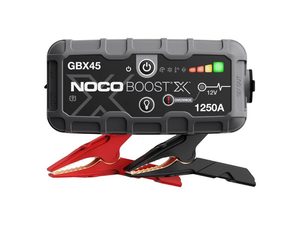 | NOCO Boost X GBX45 1250A Jump Starter | Check Price |
 | HULKMAN Alpha85 2000A Smart Jump Starter | Check Price |
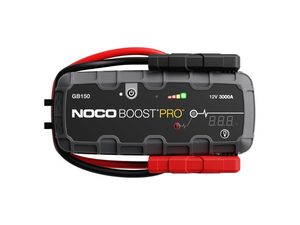 | NOCO Boost GB150 3000A UltraSafe Jump Starter | Check Price |
 | AstroAI S8 1500A Car Battery Jump Starter | Check Price |
 | NEXPOW Q9B 3000A Car Battery Jump Starter | Check Price |
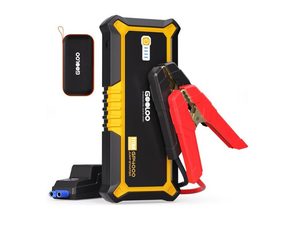 | GOOLOO GP4000 4000A Jump Starter | Check Price |
1. NOCO Boost GB40 1000A UltraSafe Jump Starter – Best Overall

Key Features
- 1,000A peak starting current
- Designed for 12V lead-acid batteries
- Up to 6.0L gasoline engines
- Up to 3.0L diesel engines
- High-discharge lithium-ion internal battery
- Spark-resistant connection technology
- Reverse-polarity protection
- Manual Override for extremely low-voltage batteries
- IP65-rated enclosure with ports closed
- 100-lumen LED flashlight
- Seven lighting modes
- USB power-bank capability
- Up to 20 rated jump starts per charge under ideal conditions
- Compact, rubberized housing
The NOCO GB40 has remained one of the most recognizable portable booster packs because it gets the fundamentals right without trying to become an oversized multi-tool.
Its 1,000A rating is lower than the headline output numbers advertised by many newer competitors, but peak amps should never be your only buying criterion. The GB40 is specifically rated for gasoline engines up to 6.0 liters and diesel engines up to 3.0 liters, which covers an enormous portion of everyday passenger vehicles.
For a typical sedan, crossover, minivan, compact pickup, motorcycle, ATV, or similar 12V vehicle, that is a practical compatibility range.
The UltraSafe connection system is a major reason I put it first. Battery terminals are not the ideal place to make mistakes, particularly for someone who has never jump-started a car before. Reverse-polarity detection helps alert you to backward clamp placement, while the normal smart operating mode is designed to reduce accidental sparking.
Its physical construction also makes sense for vehicle storage. The body is relatively compact, protected by a rubberized exterior, and rated IP65 with the ports closed. It can live inside a roadside kit without consuming the amount of trunk space required by an old-style lead-acid jump box.
The integrated 100-lumen light is another worthwhile feature rather than a gimmick. A battery is just as capable of dying at midnight as it is during the afternoon, and being able to illuminate the battery terminals while keeping both hands near the clamps is useful.
Manual Override extends the unit’s capabilities when the connected vehicle battery is below the voltage required for normal automatic detection. However, this mode deliberately bypasses part of the automatic safety system. It should only be activated after confirming battery voltage compatibility and correct clamp polarity.
The main disadvantage is that the GB40 represents an older generation of portable electronics. Its USB charging features are basic compared with newer USB-C Power Delivery models, and owners of large diesel trucks should move to a higher-capacity booster.
What I Like
The GB40 combines proven reliability, manageable size, sensible engine ratings, quality clamps, strong electrical protections, and rugged construction. It does not need an enormous specification sheet to be useful.
What I Do Not Like
Charging technology is less sophisticated than newer USB-C models, and the 3.0L diesel limit makes it undersized for many full-size diesel pickups.
Verdict
For the average driver who wants one booster pack to keep in the vehicle for unexpected dead-battery situations, the NOCO GB40 is my best overall choice. It remains the product I would start with unless your engine size clearly requires more power.
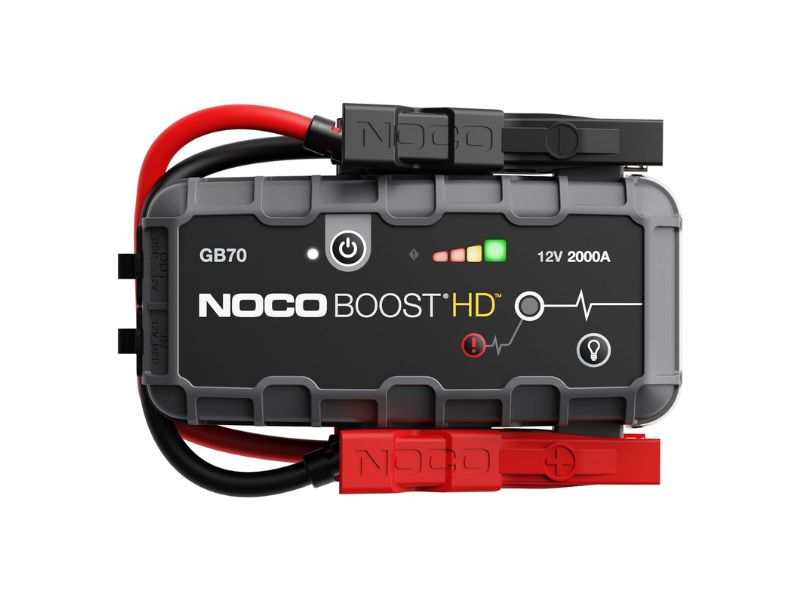
2. NOCO Boost GB70 2000A UltraSafe Jump Starter – Best for Trucks and Large SUVs
Key Features
- 2,000A peak output
- Up to 8.0L gasoline
- Up to 6.0L diesel
- 56Wh lithium-ion internal battery
- Up to 40 rated starts under ideal conditions
- Spark-resistant connection system
- Reverse-polarity protection
- IP65-rated enclosure
- 400-lumen emergency flashlight
- USB device charging
- 12V accessory output
- Manual Override
- Rugged over-molded body
The GB70 is the logical upgrade for someone who likes the GB40 concept but owns a larger engine.
Doubling the peak rating to 2,000A gives NOCO enough capacity to rate this model for gasoline engines up to 8.0L and diesel engines up to 6.0L. That moves the product into a much more useful range for full-size SUVs, V8 pickups, work vans, boats, RVs, and many diesel-powered vehicles.
The internal battery increases to 56Wh, and the larger power reserve gives the GB70 additional usefulness beyond one emergency start.
A particularly valuable addition is its 12V accessory output. With the appropriate connection, the booster can supply compatible 12V accessories. That can be helpful with certain inflators and other low-voltage roadside equipment when a convenient power source is unavailable.
The flashlight increases dramatically from the GB40’s 100 lumens to 400 lumens. That matters if you regularly travel at night, work around vehicles professionally, camp, tow trailers, or operate equipment away from well-lit roads.
Despite the larger battery, the fundamental operating concept stays simple. Connect the clamps properly, verify the safe-connection indication, power the unit, and start the vehicle. Reverse-polarity and spark-resistant technology are incorporated into normal operation.
Like other smart booster packs, the GB70 includes an override function for severely discharged batteries that cannot be automatically detected.
The main compromise is size. The GB70 is substantially heavier and bulkier than the GB40. It still qualifies as genuinely portable, but I would not pay for the extra capacity simply to start a small four-cylinder commuter.
For a full-size pickup, commercial van, large SUV, or diesel vehicle, however, the extra reserve is much easier to justify.
What I Like
I particularly like the combination of 2,000A starting capacity, realistic large-engine ratings, 400-lumen lighting, 12V accessory power, and robust clamps.
What I Do Not Like
It costs more, occupies more storage room, and is unnecessarily large for many basic passenger cars.
Verdict
The NOCO GB70 is my preferred booster pack for drivers who need significantly more capacity than the GB40 while still wanting a self-contained lithium jump starter that is practical to carry.
3. Clore Automotive Jump-N-Carry JNC660 – Best Professional-Style Booster Pack

Key Features
- 1,700 peak amps
- 425 cranking amps
- 12V system
- Clore PROFORMER internal battery
- Traditional lead-acid/AGM-style booster design
- Heavy-duty #2 AWG cables
- 46-inch cable length
- Industrial-grade clamps
- Built-in automatic charger
- Analog voltmeter
- 12V DC accessory outlet
- Approximately 18-pound weight
- Designed for shop and fleet use
The Jump-N-Carry JNC660 proves that the newest technology is not automatically the correct answer for every user.
Unlike the compact lithium units dominating the rest of this guide, the JNC660 follows the traditional professional booster-box approach. It is large, heavy, and very straightforward.
That 18-pound weight sounds like a disadvantage—and for a small emergency kit it is—but the JNC660 is aimed at an entirely different type of buyer.
The specification that stands out most is not its 1,700 peak-amp figure. It is the combination of 425 cranking amps, 46-inch #2 AWG welding-style cables, and industrial clamps.
Cable length and gauge matter tremendously in real automotive work. Thick low-resistance conductors transfer current more effectively, while a longer reach can save considerable frustration when battery terminals are buried deep in an engine compartment or when the vehicle is parked in a position that makes access difficult.
The built-in charger is another practical advantage. Instead of relying on loose USB cables or separate adapters, the unit is designed around routine charging and readiness.
An analog voltmeter provides a quick indication of the booster battery’s charge state, while the 12V DC outlet can supply compatible accessories.
There are limitations.
The JNC660 does not provide the electronic guardrails of a modern smart lithium jump starter in the same way. Users need to understand correct positive and negative clamp placement and general battery safety.
It is also considerably less convenient for small cars. An 18-pound jump box takes up real trunk or garage space.
But when the use case involves garages, used-car lots, fleet maintenance, farms, equipment dealerships, repair shops, service trucks, or frequent jump-starting, its straightforward heavy-duty construction becomes a major advantage.
What I Like
The long #2 AWG cables, industrial clamps, real cranking specification, automatic onboard charging, and established professional design make the JNC660 very different from compact consumer packs.
What I Do Not Like
It is heavy, bulky, lacks modern USB-C functionality, and demands more care from inexperienced users.
Verdict
If you expect to use your booster pack frequently rather than keeping it untouched in a glove compartment for years, the JNC660 is one of the strongest professional-style choices in this comparison.
4. DBPOWER Peak 3000A 18000mAh Jump Starter – Best High-Review Value

Key Features
- 3,000A peak rating
- 18,000mAh internal battery
- Up to 8.0L gasoline
- Up to 6.0L diesel
- Up to 30 advertised jump starts under suitable conditions
- Smart clamp circuitry
- Overcurrent protection
- Short-circuit protection
- Overvoltage protection
- Overcharge protection
- LCD battery display
- USB charging output
- Built-in LED emergency light
- Compact lithium-ion design
- Approximately 1.1-pound unit weight
DBPOWER’s long-running booster pack occupies an interesting position in the market.
It offers substantially bigger headline numbers than the GB40 while staying surprisingly small and lightweight. The current configuration is rated at 3,000 peak amps with an 18,000mAh internal battery and compatibility claims up to 8.0L gas and 6.0L diesel.
For value-focused shoppers, those numbers are difficult to ignore.
I particularly like the LCD battery indicator. Four small LEDs can tell you whether a battery pack is mostly charged or mostly empty, but a numerical display makes it easier to judge whether the booster should be recharged before a road trip.
The internal battery also functions as a portable power source for USB devices. That is useful during roadside delays, camping, or power outages, although I recommend preserving enough capacity to start the vehicle when the car battery is already known to be weak.
DBPOWER incorporates several forms of electrical protection into its smart jumper-cable assembly, including short-circuit, overcurrent, overload, overvoltage, and overcharge protection.
The unit is compact enough for a glove compartment in many vehicles, though I still prefer a protective case or trunk organizer rather than allowing any lithium battery pack to move freely around a vehicle.
One important perspective is necessary when comparing this product with the NOCO units: peak-current numbers from different manufacturers are not laboratory-standardized consumer comparisons. A 3,000A label should not be interpreted as automatically providing three times the real-world starting ability of a 1,000A competitor.
Engine rating, clamp quality, internal battery condition, cable resistance, temperature, and the condition of the vehicle battery all influence the outcome.
What I Like
It gives buyers a large internal capacity, useful LCD display, broad advertised engine compatibility, USB charging, and compact weight without requiring a professional-size booster box.
What I Do Not Like
The housing and clamps do not feel as premium as the top NOCO models, and headline peak-current figures should be interpreted carefully.
Verdict
For someone who wants substantial features and strong starting specifications without moving into a high-priced premium unit, the DBPOWER 3000A is one of the best value-oriented booster packs.
5. NOCO Boost X GBX45 1250A Jump Starter – Best USB-C Booster Pack
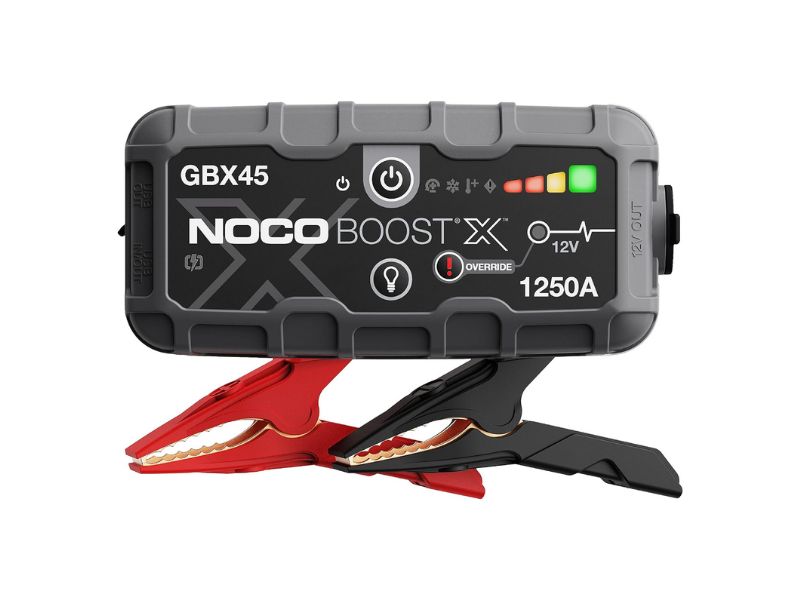
Key Features
- 1,250A peak starting current
- Up to 6.5L gasoline
- Up to 4.0L diesel
- 31Wh lithium-ion battery
- USB-C Power Delivery
- Up to 60W USB-C input/output
- Full recharge in roughly 48 minutes with suitable equipment
- Emergency boost capability after a short compatible charge
- UltraSafe 2.0 protection
- Reverse-polarity protection
- Spark-resistant operation
- IP65 housing with ports closed
- 100-lumen flashlight
- Approximately 2.16-pound weight
The GBX45 addresses one of the biggest weaknesses of older portable jump starters: slow recharging.
Its USB-C Power Delivery system supports up to 60W, allowing the internal pack to recharge far faster when paired with suitable charging hardware. For people accustomed to modern laptops and phones, USB-C is also much easier to integrate into a travel kit than proprietary cables or older USB standards.
NOCO rates the GBX45 at 1,250A, with compatibility up to 6.5L gasoline and 4.0L diesel engines.
Those ratings put it slightly above the GB40 while keeping the unit reasonably compact.
UltraSafe 2.0 manages reverse-polarity protection, spark-resistant operation, thermal efficiency, and power management. The boost sequence is also time-managed: once activated, the user gets a defined period to attempt the start before the unit needs to be reset for another sequence.
The 31Wh internal battery can send power through USB-C as well as receive it. That means it is much more useful as a modern power bank for phones, tablets, and some USB-C laptops than many older jump starters.
The tradeoff is value.
If your only goal is to start a 2.0L gasoline sedan once every few years, the GB40 provides the core emergency function for less. The GBX45 makes more sense if you appreciate fast charging and USB-C integration as much as the jump-starting function itself.
What I Like
The USB-C implementation is the standout. Fast recharging reduces the chance that you will leave the unit half-empty simply because charging takes too long.
What I Do Not Like
The premium is difficult to justify for buyers who only want basic emergency starting capability.
Verdict
The GBX45 is my favorite modern USB-C battery booster pack, particularly for road-trip users who already rely heavily on USB-C devices.
6. HULKMAN Alpha85 2000A Smart Jump Starter – Best Smart Display

Key Features
- 2,000A peak output
- 12V vehicle compatibility
- Up to 8.5L gasoline
- Up to 6.0L diesel
- 20,000mAh / 74Wh lithium-polymer battery
- Large 3.3-inch display
- 65W Speed Charge support
- USB-C input and output
- Quick Charge USB output
- 12V DC output up to 150W
- Smart booster clamps
- Emergency lighting
- Approximately 2.57-pound booster body
The Alpha85 is particularly appealing to drivers who dislike interpreting blinking lights and cryptic error codes during an emergency.
Its large 3.3-inch display communicates operating information more clearly than the minimalist interfaces on many jump starters. That may sound like a minor convenience until you are standing next to a dead car on a cold night trying to determine whether the clamps are connected correctly.
The Alpha85 has a 2,000A peak rating, a 20,000mAh internal battery, and compatibility claims up to 8.5L gas and 6.0L diesel.
That places it firmly in the larger-vehicle category while the body remains compact enough for ordinary vehicle storage.
Charging is another strong area. The system supports a 65W speed-charging arrangement, which is useful for owners who use the booster regularly or occasionally forget to recharge it until shortly before a trip.
The USB-C and Quick Charge outputs give the internal 74Wh battery additional value as portable power.
The 12V DC output is particularly useful. With appropriate accessories, it can supply up to 150W, making the pack more versatile around camping equipment and compatible roadside devices.
The obvious question is whether you need all of this.
Someone who owns one small commuter car does not require an 8.5L gasoline rating or large screen. In that situation, the extra size and complexity are unnecessary.
For a family with several vehicles, including a truck or SUV, the broad compatibility becomes much more attractive.
What I Like
The display, strong engine ratings, 65W charging, large internal capacity, and 12V output make the Alpha85 much more than a simple emergency starter.
What I Do Not Like
It is larger than basic passenger-car boosters, and drivers who only need occasional small-engine starts may never use much of its capability.
Verdict
The HULKMAN Alpha85 is a particularly good choice for buyers who want strong starting power combined with a clear, informative user interface.
7. NOCO Boost GB150 3000A UltraSafe Jump Starter – Best for Large Engines

Key Features
- 3,000A peak output
- Up to 9.0L gasoline
- Up to 7.0L diesel
- 88Wh lithium-ion internal battery
- Integrated voltmeter
- 500-lumen LED flashlight
- USB device charging
- 12V 15A accessory output
- 12V fast-charge input
- Spark-resistant technology
- Reverse-polarity protection
- IP65 enclosure with ports closed
- Manual Override
- Approximately 6.39-pound unit weight
The GB150 is where the classic NOCO Boost line moves from everyday passenger-car backup into genuine high-capacity territory.
Its 3,000A peak output is matched to engines as large as 9.0L gasoline and 7.0L diesel. That makes it much better suited to heavy pickups, large SUVs, commercial equipment, RVs, boats, and multi-vehicle households.
The 88Wh internal battery provides substantially more stored energy than the smaller Boost models.
An integrated voltmeter is particularly useful for someone who understands basic automotive electrical diagnosis. It lets you see vehicle-battery voltage rather than simply knowing whether the booster thinks it is connected.
That information can help distinguish a moderately discharged battery from one that has fallen to an unusually low voltage.
The 500-lumen flashlight is also a major upgrade compared with compact jump starters. It provides enough useful illumination for broader roadside work, including inspecting an engine bay or changing a tire.
A 12V 15A output lets the battery pack operate compatible DC equipment. That can be valuable for an air inflator, inverter, or other appropriate accessory.
The GB150 retains spark-resistant operation, reverse-polarity protection, and an IP65 housing.
Its main downside is straightforward: this is no longer a pocket-size jump starter. At more than six pounds for the unit itself, it belongs in a truck, service vehicle, RV, or substantial emergency kit.
Charging technology also reflects the product’s older platform rather than the newest high-wattage USB-C systems.
What I Like
The GB150 combines large-engine capability, strong physical construction, a real voltmeter, powerful lighting, and 12V auxiliary power.
What I Do Not Like
It is heavy, relatively expensive, and oversized for ordinary small cars.
Verdict
For drivers who need to cover large gasoline engines or substantial diesel vehicles, the GB150 is one of the most capable proven lithium booster packs in this list.
8. AstroAI S8 1500A Car Battery Jump Starter – Best Compact Budget Pick
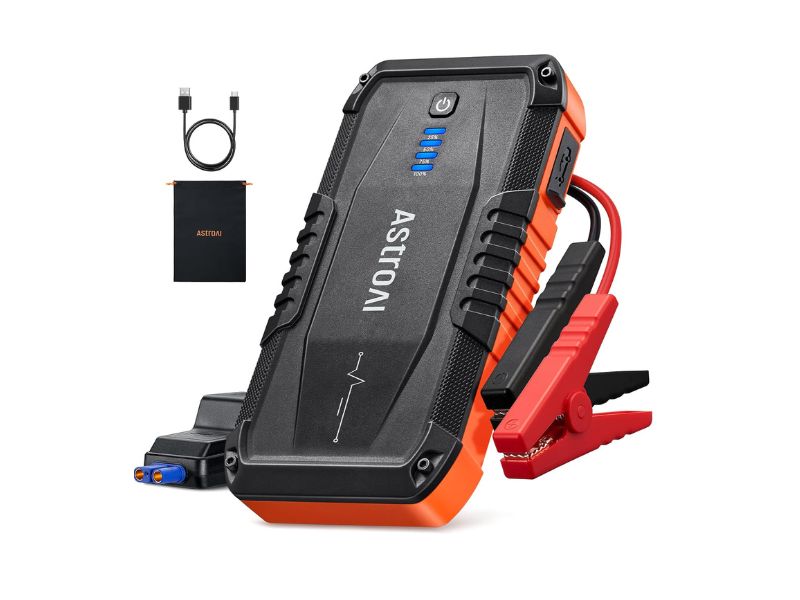
Key Features
- 1,500A peak output
- Up to 6.0L gasoline
- Up to 3.0L diesel
- 12V vehicle compatibility
- High-rate lithium battery
- Approximately 0.95-pound weight
- Smart Boost mode
- Eight integrated safety protections
- Metal battery clamps
- USB power-bank functionality
- Three-mode flashlight
- Compact storage size
The AstroAI S8 makes a convincing argument that an emergency battery booster does not need to be large.
At around one pound, it is dramatically easier to fit into a compact sedan, small hatchback, motorcycle luggage setup, or minimalist emergency kit than heavy-duty boosters.
Despite the small form factor, the S8 carries a 1,500A peak rating and engine compatibility up to 6.0L gasoline and 3.0L diesel.
In other words, its intended vehicle range covers many of the same cars that would use the NOCO GB40.
A smart voltage-detection system helps determine when the connected battery is unusually low. If the battery voltage falls below the level required for a normal automatic start sequence, the Boost function can provide an override path.
AstroAI also integrates eight types of electrical protection, including safeguards related to reverse polarity, excessive current, overvoltage, overcharge, over-discharge, and short circuits.
The integrated flashlight supports normal, strobe, and SOS modes, while USB output allows the internal pack to serve as emergency phone power.
The real attraction is value and portability.
The S8 is easier to justify as a booster for every family vehicle because it is inexpensive and takes up very little room.
The tradeoff is premium feel. The NOCO products have more substantial ruggedization, and professional users should look toward the JNC660 or larger premium lithium models.
What I Like
It provides excellent size-to-capability value, especially for ordinary passenger cars.
What I Do Not Like
Housing and accessories feel more consumer-grade, and the compact platform is not intended for large commercial diesels.
Verdict
If you want an affordable battery booster that is easy to keep in a small vehicle, the AstroAI S8 is one of the most sensible choices.
9. NEXPOW Q9B 3000A Car Battery Jump Starter – Best Feature-Rich Value Pick
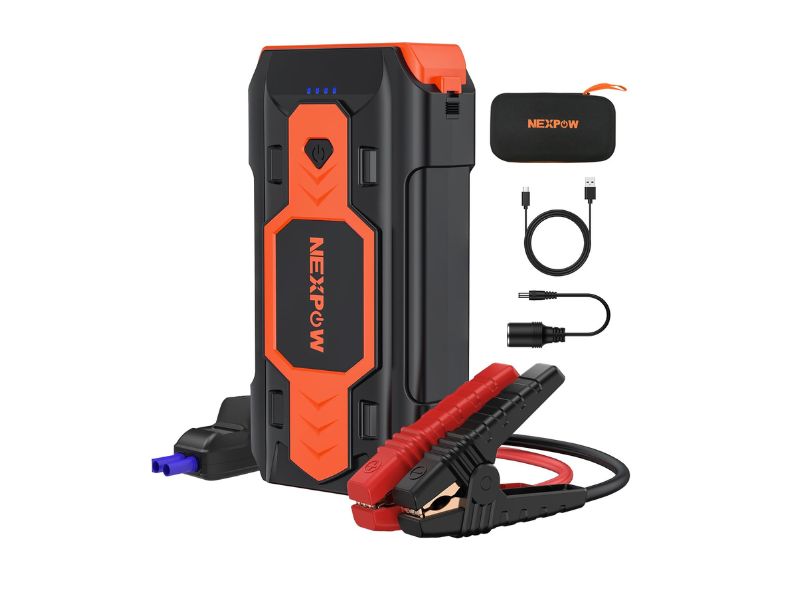
Key Features
- 3,000A peak rating
- 22,000mAh lithium-ion battery
- Up to 8.0L gasoline
- Up to 8.0L diesel manufacturer-listed compatibility
- Smart jumper-cable protection system
- USB Quick Charge capability
- Multiple USB outputs
- Four LED emergency modes
- Red/blue warning light
- 12V accessory adapter
- EVA storage case
- Approximately 1.33-pound unit weight
The NEXPOW Q9B packs an unusually broad feature set into a lightweight booster.
Its current configuration is rated at 3,000A with a 22,000mAh internal lithium battery and broad engine compatibility.
Those specifications should be interpreted in the same context as other high-output consumer jump starters: manufacturer peak-amp and engine-displacement claims are useful guidelines, but they are not perfectly comparable across brands.
The internal 22,000mAh battery makes the Q9B useful as a travel power bank.
Quick Charge support can reduce phone-charging time for compatible devices, and the bundled 12V adapter expands the number of accessories that can use the stored energy.
The lighting system is more elaborate than most. In addition to standard emergency modes such as spotlight, strobe, and SOS, the unit incorporates a red/blue warning function. That can improve visibility during a roadside emergency, particularly at night.
Smart jumper cables provide automatic protection against common electrical mistakes.
The included EVA case is another feature I appreciate. A booster pack is more useful when its clamps, cables, and adapters remain together instead of becoming scattered through a trunk.
Its light weight is especially surprising given the advertised capacity.
However, I would choose a heavier professional-grade unit if the booster will be used daily on large trucks. The NEXPOW is better understood as a high-feature consumer emergency tool.
What I Like
The combination of 22,000mAh capacity, high peak rating, Quick Charge, multiple emergency lights, accessory adapter, and included storage case gives it strong value.
What I Do Not Like
Some published specifications have changed across revisions, so users should follow the documentation supplied with their exact unit rather than assuming every older Q9B specification applies.
Verdict
The NEXPOW Q9B is a strong option for someone who wants a feature-rich booster pack for a diverse household fleet without moving into a large professional jump box.
10. GOOLOO GP4000 4000A Jump Starter – Best High-Capacity Value

Key Features
- 4,000A peak output
- 24,000mAh lithium-polymer battery
- Designed for large gasoline engines
- Up to 10.0L diesel manufacturer-listed compatibility
- Intelligent jumper cables
- Multiple electrical safety protections
- Dual USB charging
- Quick-charge USB capability
- USB-C port
- 12V accessory adapter
- Built-in emergency flashlight
- EVA storage case
- Approximately 3.9-pound weight
GOOLOO’s GP4000 closes out the review-count ranking, but it offers one of the largest capacity specifications in the entire comparison.
The 24,000mAh lithium-polymer battery and 4,000A peak rating are aimed squarely at buyers with larger engines or multiple vehicles.
The manufacturer positions the unit for essentially all common gasoline engines and diesels up to 10.0L, giving it an unusually broad stated application range.
The internal battery can also act as a substantial portable power source. Dual USB outputs, quick charging, and Type-C connectivity add everyday usefulness, while a 12V adapter can power compatible vehicle accessories.
GOOLOO bundles the booster and accessories in an EVA storage case, which is something I strongly prefer for high-capacity units. Large clamps and adapters can otherwise damage nearby items or become difficult to locate during an emergency.
The GP4000 also incorporates a broad smart-protection system covering common errors such as reverse connection, excessive current, overcharging, overheating, and short circuits.
At around 3.9 pounds, it is noticeably heavier than ultralight consumer boosters but still significantly easier to transport than an 18-pound traditional lead-acid jump box.
The primary buying consideration is whether you really need its capacity.
A driver with a 1.8L sedan may be better served by something smaller. But someone who owns a V8 SUV, pickup, boat, RV, or several different vehicles can make better use of the GP4000’s reserve.
What I Like
The 24,000mAh battery, broad engine compatibility, useful charging ports, strong safety suite, and storage case make it an excellent high-capacity package.
What I Do Not Like
It is relatively bulky for a lithium pack, and the large advertised peak specification should not be compared directly with other brands as though all testing methods are identical.
Verdict
The GOOLOO GP4000 is one of the most attractive high-capacity value picks for drivers who want large-engine compatibility without stepping up to a heavy professional lead-acid booster.
Battery Booster Pack Comparison
| Product | Peak Output | Gas Engine Rating | Diesel Engine Rating | Battery Type / Capacity | Approx. Weight | Standout Feature | Best For |
| NOCO Boost GB40 | 1,000A | Up to 6.0L | Up to 3.0L | Lithium-ion | 2.4 lb | UltraSafe compact design | Most drivers |
| NOCO Boost GB70 | 2,000A | Up to 8.0L | Up to 6.0L | 56Wh lithium-ion | 4.18 lb | Power + 12V output | Trucks and SUVs |
| Clore JNC660 | 1,700A peak / 425A cranking | Heavy-duty use | Heavy-duty use | PROFORMER battery | 18 lb | #2 AWG 46-in cables | Shops and fleets |
| DBPOWER 3000A | 3,000A | Up to 8.0L | Up to 6.0L | 18,000mAh lithium | 1.1 lb | LCD + strong value | Multi-vehicle households |
| NOCO GBX45 | 1,250A | Up to 6.5L | Up to 4.0L | 31Wh lithium-ion | 2.16 lb | 60W USB-C PD | Fast charging |
| HULKMAN Alpha85 | 2,000A | Up to 8.5L | Up to 6.0L | 20,000mAh / 74Wh | 2.57 lb | Large smart display | Easy operation |
| NOCO GB150 | 3,000A | Up to 9.0L | Up to 7.0L | 88Wh lithium-ion | 6.39 lb | Voltmeter + 12V power | Large engines |
| AstroAI S8 | 1,500A | Up to 6.0L | Up to 3.0L | Lithium | About 0.95 lb | Ultra-compact body | Small cars |
| NEXPOW Q9B | 3,000A | Up to 8.0L | Up to 8.0L | 22,000mAh lithium-ion | 1.33 lb | Feature-rich kit | Value buyers |
| GOOLOO GP4000 | 4,000A | Large gas engines | Up to 10.0L | 24,000mAh lithium-polymer | 3.9 lb | Large capacity | Pickups and SUVs |
For an ordinary passenger vehicle, more power is not automatically better. The NOCO GB40 remains my first choice because it provides enough capacity for a broad range of cars without forcing you to store a large booster.
The GB70 is a better fit when your garage includes bigger pickups or diesel vehicles. JNC660 is the outlier: its lead-acid architecture, thick 46-inch cables, and industrial clamps favor frequent service work instead of minimum storage size.
GBX45 and Alpha85 stand out for modern electronics. The GBX45 has particularly strong USB-C charging, while Alpha85 uses a large screen that makes connection status easier to interpret.
GB150, NEXPOW Q9B, and GP4000 offer considerably greater capacity when you genuinely need it. AstroAI S8 moves the opposite direction, emphasizing minimum weight and everyday passenger-car practicality.
What Is a Battery Booster Pack?
A battery booster pack is a portable source of electrical energy designed to help crank a vehicle when its installed starting battery cannot supply enough current.
Modern models usually contain high-discharge lithium cells. Older and professional models may use sealed lead-acid battery technology.
The booster is connected to the vehicle’s starting system through positive and negative clamps. Once safely connected, it supplements the weak vehicle battery with enough electrical current to turn the starter motor.
A booster pack does not necessarily recharge the vehicle battery in the same way an AC battery charger does.
Its primary job is to help the engine start.
Once the engine is running, the vehicle’s alternator or DC charging system normally supplies electrical power. A deeply discharged battery may still require a proper external charge afterward.
Battery Booster Pack vs. Battery Charger
These two tools are frequently confused.
Battery Booster Pack
A booster pack:
- Stores energy internally
- Works without a wall outlet
- Delivers very high current briefly
- Is designed primarily to crank an engine
- Can be kept in the vehicle
- Is ideal for roadside emergencies
Battery Charger
A battery charger:
- Usually requires AC power
- Charges gradually over hours
- Restores battery state of charge
- May condition or maintain a battery
- Is better for overnight or long-term battery care
If your battery is healthy but accidentally discharged because the headlights were left on, a booster can get you moving.
If your vehicle sits unused for weeks and repeatedly develops a low battery, a smart battery maintainer may be more appropriate.
For strong emergency preparedness, owning both makes sense.
How to Choose the Best Battery Booster Pack
Match the Booster to Your Engine
Engine displacement is one of the simplest compatibility checks.
A 1.5L four-cylinder gasoline engine requires substantially less starting energy than a 6.7L diesel pickup.
For ordinary gasoline cars, a quality pack rated around 1,000A to 1,500A may be entirely sufficient.
Large V6 and V8 engines can benefit from additional capacity, especially in low temperatures.
Diesel engines generally demand significantly more starting current because of their high compression ratios.
Always compare the manufacturer’s gasoline and diesel engine ratings separately.
Do Not Buy on Peak Amps Alone
Peak amps are useful, but they are one of the most misunderstood specifications in the category.
A product marked 4,000A is not automatically four times as effective as a 1,000A unit.
Manufacturers may use different:
- Test durations
- Internal voltage conditions
- Temperature conditions
- Measurement methods
- Definitions of peak output
Real starting performance is also affected by resistance in the cables and clamps.
I would rather own a booster with conservative ratings, a healthy high-discharge battery, and excellent clamps than a poorly constructed model carrying an enormous number on the packaging.
Understand Peak Amps vs. Cranking Amps
Peak amps represent a short maximum-output figure.
Cranking amps describe current available over a longer specified period and can be more relevant to sustained engine cranking.
This distinction is visible in the JNC660.
It carries a 1,700 peak-amp rating but also provides a 425 cranking-amp specification. That is one reason professional users continue to value traditional jump boxes even while lithium products advertise much larger peak numbers.
Unfortunately, consumer lithium manufacturers do not always provide directly comparable cranking ratings.
Use the manufacturer’s engine-size recommendation as an additional guide.
Lithium vs. Lead-Acid Booster Packs
Lithium Booster Packs
Lithium models dominate consumer use because they are:
- Lightweight
- Compact
- Easy to store
- High in power relative to size
- Rechargeable through USB or USB-C
- Often equipped with power-bank functions
Models such as the GB40 and AstroAI S8 can live in a small emergency kit without occupying much space.
Their weakness is sensitivity to temperature and long-term storage conditions.
Lithium cells should not be abused, punctured, overheated, or left damaged in a vehicle.
Lead-Acid Booster Packs
A lead-acid professional pack such as JNC660 is:
- Much heavier
- Larger
- Less convenient for casual travel
- Excellent at sustained high-current delivery
- Often equipped with heavier cables
- Familiar to professional automotive technicians
For a normal commuter, lithium makes more sense.
For repeated shop use, lead-acid still deserves consideration.
Why Clamp Quality Matters
The clamps are the physical bridge between your booster pack and the vehicle.
Weak clamps can create resistance even when the internal battery is powerful.
Look for:
- Strong spring pressure
- Large conductive contact areas
- Proper insulation
- Reinforced cable entry points
- Enough jaw opening for your terminals
- Flexible cables in cold weather
Modern engine compartments can make clamp placement surprisingly difficult.
Battery terminals may be recessed beneath plastic covers, positioned against firewalls, or replaced by remote jump posts.
Before an emergency happens, open your vehicle manual and locate the recommended jump-start connection points.
Cable Length Is More Important Than It Looks
Compact lithium boosters often use short cables to minimize resistance and reduce package size.
That works well when the battery terminals are easy to reach.
Professional boosters often use much longer cables.
The JNC660’s 46-inch leads are particularly useful when:
- Batteries are recessed
- Vehicles have dual batteries
- Remote jump terminals are far apart
- Equipment has unusual battery placement
There is no universally ideal cable length.
Short heavy cables transfer current efficiently, while longer cables increase placement flexibility.
Reverse-Polarity Protection
Reverse polarity means connecting the positive and negative leads incorrectly.
Modern smart booster packs usually detect the mistake and prevent normal current flow.
This is one of the features I consider essential for inexperienced users.
You should still learn correct connection procedure rather than relying entirely on electronics.
The positive battery terminal is normally marked +, while negative is marked –.
Vehicle manufacturers may specify a chassis grounding point instead of placing the negative booster clamp directly on the battery.
Always follow your vehicle manual.
Spark Protection
Electrical sparks around lead-acid batteries deserve serious attention because batteries can release flammable gas under certain conditions.
Smart jump packs may incorporate connection systems designed to reduce accidental sparking during normal operation.
That is one reason the NOCO UltraSafe platform is attractive for general consumers.
However, no electronic system makes careless battery work risk-free.
Wear eye protection when practical, inspect the battery before connecting anything, and never attempt to jump a visibly damaged battery.
What Is Manual Override or Boost Mode?
Modern jump starters often need to detect battery voltage before energizing the clamps.
If the vehicle battery is extremely discharged, its voltage may fall below the detection threshold.
The booster may therefore appear to do nothing even though it is charged.
Manual Override, Force Start, or Boost Mode allows compatible units to energize the clamps despite the low detected voltage.
This can be extremely helpful.
It can also be dangerous if used incorrectly because some automatic safety protections may be bypassed.
Before activating manual mode:
Confirm that the vehicle uses a compatible 12V system. Confirm the positive clamp is correctly placed. Confirm the negative connection is correct. Inspect the battery for damage. Keep ignition sources away from the battery.
If you are unsure, do not bypass the automatic protection system.
Internal Battery Capacity
Manufacturers describe internal battery capacity in several ways.
You may see:
- mAh
- Ah
- Wh
Watt-hours (Wh) are usually more meaningful when comparing packs operating at different internal voltages.
Milliamp-hours can be useful within similar battery architectures but should not be interpreted without considering voltage.
A large internal battery can provide:
- More starting attempts
- Longer flashlight operation
- More phone charging
- Greater accessory runtime
But it also increases weight.
For emergency starting, battery-cell quality and discharge capability matter just as much as total storage capacity.
How Many Jump Starts Can You Get?
Manufacturers frequently advertise dozens of jump starts per charge.
Those figures usually assume favorable test conditions.
Real-world results vary according to:
- Engine size
- Outside temperature
- Vehicle battery voltage
- Battery condition
- Cranking duration
- Booster state of charge
- Time between attempts
A small gasoline car with a moderately weak battery may use very little booster energy.
A large cold diesel with two heavily discharged batteries may consume dramatically more.
Treat advertised jump counts as a best-case guide, not a guarantee.
Cold-Weather Performance
Winter is when battery booster packs become particularly valuable.
Cold temperatures:
- Reduce lead-acid battery output
- Increase engine-oil viscosity
- Increase cranking demand
- Reduce lithium booster performance
This creates a difficult combination.
If you live in an area with severe winters, choose more capacity than the minimum engine rating.
A booster rated exactly at your engine’s maximum may work perfectly in mild weather yet have much less reserve during a deep freeze.
Also remember that a lithium booster stored in an extremely cold trunk may itself be cold.
Follow its operating-temperature instructions.
Hot-Weather Storage
Extreme heat can also damage lithium batteries.
A closed vehicle parked in direct summer sun can reach temperatures far above the outside air temperature.
Do not assume that because a product is designed for automotive emergencies it can tolerate unlimited heat indefinitely.
Store the booster away from direct sun, and follow the manufacturer’s temperature range.
Inspect it periodically.
If you notice:
- Swelling
- Cracks
- Melted plastic
- Chemical odor
- Unusual heat
- Charging failure
stop using it.
USB-C and Fast Charging
A booster pack is only helpful when its internal battery has enough charge.
Faster charging reduces the temptation to postpone recharging.
USB-C Power Delivery is particularly valuable because one charger can potentially power your phone, tablet, laptop, and booster pack.
The NOCO GBX45 is the strongest example in this guide.
Its high-wattage USB-C input dramatically reduces recharge time with compatible hardware.
Traditional USB chargers are still perfectly usable if you charge the booster long before you need it.
Power-Bank Functionality
Most lithium booster packs double as USB power banks.
This can be useful during:
- Roadside breakdowns
- Camping
- Power outages
- Long road trips
- Outdoor work
- Storm emergencies
However, remember the pack’s primary purpose.
If your vehicle battery is weak and you expect to need a jump start the next morning, do not drain the booster overnight charging several devices.
12V Accessory Output
Larger boosters sometimes include a 12V output.
This can be useful for compatible:
- Tire inflators
- Portable coolers
- Lights
- Small inverters
- Automotive electronics
Check wattage or amperage limits carefully.
A 12V socket does not mean the booster can safely power every 12V device.
High-current tools may exceed its output capability.
IP Ratings and Weather Protection
An IP rating provides standardized information about resistance to solid particles and water.
Several NOCO models carry IP65 protection with their ports closed.
That does not mean they are designed for underwater use.
IP65 generally indicates strong dust protection and resistance to water jets under defined test conditions.
Treat every booster as electrical equipment.
Keep connectors dry, close protective port covers, and do not leave the unit outside unnecessarily.
What Size Booster Pack Do You Need?
Small Gasoline Cars
For a typical compact or midsize gasoline car, my preference would be:
- NOCO GB40
- AstroAI S8
- NOCO GBX45
There is little benefit in carrying an 18-pound jump box in a small commuter unless the vehicle has unusual starting requirements.
SUVs and V6/V8 Vehicles
Consider:
- NOCO GB70
- HULKMAN Alpha85
- DBPOWER 3000A
- NEXPOW Q9B
These provide additional reserve while remaining reasonably portable.
Diesel Pickups
Pay particular attention to the published diesel rating.
Good candidates include:
- NOCO GB70
- NOCO GB150
- HULKMAN Alpha85
- GOOLOO GP4000
A diesel operating in severe cold may justify moving up one capacity class.
Professional Shop Use
The JNC660 deserves special consideration.
Its size is inconvenient for casual storage but much less important in a workshop where long cables and repeated starting capability matter more.
How to Use a Battery Booster Pack Safely
The exact procedure varies by vehicle and booster, so the instructions supplied by both manufacturers take priority.
A typical process begins with the vehicle turned off and electrical loads such as headlights, climate control, audio, and heated seats switched off.
Locate the approved battery or jump-start terminals.
Connect the positive booster clamp to the approved positive terminal.
Connect the negative clamp according to the vehicle manufacturer’s instructions, which may specify a dedicated chassis ground.
Verify that the booster indicates a correct connection.
Turn the booster on if required.
Attempt to start the vehicle.
Do not crank continuously. Long repeated starter operation can overheat cables, the starter motor, battery connections, or the booster.
Once the engine starts, disconnect the booster according to its instructions.
Recharge the booster before returning it to storage.
What If the Car Does Not Start?
A dead battery is only one reason a vehicle may refuse to start.
If the starter does not crank, possible causes include:
- Battery failure
- Loose battery terminals
- Corroded connections
- Failed starter motor
- Starter relay problem
- Ground-cable failure
- Security-system issue
If the engine cranks normally but does not run, adding a larger battery booster may accomplish nothing.
The problem could involve:
- Fuel delivery
- Ignition
- Engine-management electronics
- Immobilizer system
- Mechanical failure
A booster pack is an emergency starting aid, not a complete diagnostic system.
When Should You Replace the Vehicle Battery?
If you repeatedly need the booster, investigate the underlying cause.
The battery may simply have been discharged by leaving the lights on once.
Repeated failures can indicate:
- Aging battery
- Internal battery damage
- Alternator problem
- Parasitic electrical drain
- Poor terminal connections
- Short driving patterns
- Extreme temperature exposure
A battery that requires frequent boosting should be properly tested.
Continuing to jump-start a failing battery is not a substitute for repair.
How Often Should You Charge a Booster Pack?
Check it routinely rather than forgetting about it for years.
A practical schedule is every few months, although manufacturer instructions should determine the actual interval.
Also check the booster:
- Before winter
- Before a long road trip
- Before camping
- Before hurricane or storm season
- After any jump start
- After using it as a power bank
Lithium cells self-discharge slowly, but they still lose energy.
Professional lead-acid jump boxes also require regular charging.
Should You Store It at 100%?
Emergency equipment needs enough stored energy to perform its job.
Follow the manufacturer’s recommendation for long-term charging and storage rather than applying generic lithium advice.
Some booster manufacturers specifically recommend periodic full charging so the device is ready when needed.
The priority for roadside equipment is readiness.
Can a Booster Pack Damage Your Car?
A compatible modern booster used correctly is designed to start a vehicle safely.
Problems can occur from:
- Reverse polarity
- Incorrect voltage
- Damaged cables
- Improper manual override
- Connecting to the wrong terminals
- Attempting to jump a damaged battery
- Using incompatible equipment
Smart safety systems reduce risk but do not replace correct procedure.
Modern vehicles contain sensitive electronics, so follow the vehicle manufacturer’s jump-start instructions closely.
Battery Booster Pack vs. Jumper Cables
Jumper cables still deserve a place in an emergency kit.
They have important advantages:
They do not contain an internal battery, do not need charging, and can potentially provide sustained assistance from a strong donor vehicle.
Their main weakness is dependence on another vehicle.
A booster pack gives you independence.
You can start a vehicle in an empty parking lot, garage, campground, driveway, or rural location without waiting for help.
Carrying both gives you redundancy.
Battery Booster Pack vs. Jump Box
The terms are frequently used interchangeably.
Historically, “jump box” often referred to larger lead-acid units such as the JNC660.
“Booster pack” now commonly includes small lithium packs.
Functionally, both perform the same fundamental task: supplying extra current to help crank a vehicle with an inadequate starting battery.
Booster Pack vs. Jump Starter with Air Compressor
Combination units add a tire inflator.
They are convenient because a single device addresses two common roadside problems:
- Dead battery
- Low tire
The tradeoff is size.
A dedicated booster is usually smaller and lighter.
If you already own a quality portable inflator, I prefer keeping the devices separate. A failure in one unit does not eliminate both emergency capabilities.
If minimizing the number of items in the trunk is more important, a combination device can make sense.
Common Battery Booster Pack Buying Mistakes
Buying the Highest Amp Number
This is probably the biggest mistake.
A massive number on the product title is not a substitute for good engineering, clamps, battery cells, cables, and realistic vehicle compatibility.
Ignoring Diesel Ratings
Do not use the gasoline engine rating for a diesel.
Diesel engines typically need more starting current.
Buying Too Much Power
Oversizing is less dangerous than undersizing, but it increases cost, weight, and storage bulk.
A small sedan does not need the same booster as a commercial diesel pickup.
Ignoring Cable Design
You may discover during an emergency that the clamps physically cannot reach the recommended terminals.
Check your vehicle before buying.
Forgetting to Charge the Booster
A premium booster at 5% charge may be less useful than a modest pack that is properly maintained.
Using It Instead of Fixing the Battery
Repeatedly needing a jump is evidence that something should be tested.
Frequently Asked Questions
What is the best battery booster pack?
The NOCO Boost GB40 is my best overall battery booster pack for most drivers.
It provides a useful combination of compact dimensions, 1,000A peak starting power, compatibility with gasoline engines up to 6.0L and diesels up to 3.0L, strong clamps, reverse-polarity protection, spark-resistant operation, and rugged IP65-rated construction.
What is the best battery booster pack for a truck?
The NOCO GB70 is a better fit for many pickups and full-size SUVs.
Its 2,000A rating and compatibility up to 8.0L gas and 6.0L diesel provide substantially more reserve than small passenger-car boosters. Large diesel pickups may justify the GB150 or another high-capacity option depending on engine size.
What is the best battery booster pack for a diesel?
Choose according to the manufacturer’s diesel-displacement rating, not the gasoline rating.
The GB70 supports diesels up to 6.0L, while the GB150 extends that rating to 7.0L. Other high-capacity models offer broader claimed compatibility, but cold-weather conditions and battery condition should also influence your choice.
Is 1,000 amps enough to jump a car?
Yes, a quality 1,000A booster can start many passenger vehicles.
The GB40 is rated for gasoline engines up to 6.0L and diesels up to 3.0L. That comfortably covers many four- and six-cylinder cars.
Is 2,000 amps better than 1,000 amps?
More output provides additional reserve, but it is not automatically necessary.
If both boosters comfortably exceed your engine’s requirements, clamp quality, portability, charging convenience, durability, and safety features may matter more than the larger peak number.
How many amps do I need for a V8?
The correct booster depends on engine displacement, fuel type, temperature, and the manufacturer’s rating.
For a large gasoline V8, I would generally look beyond small entry-level boosters and consider models such as the GB70, Alpha85, GB150, or GP4000.
Can a battery booster start a completely dead battery?
Many can, but extremely low voltage may require a manual override mode.
Smart boosters sometimes refuse to energize their clamps when the battery voltage is too low to detect. Manual Override or Boost functions can bypass this limitation, but they demand correct polarity and careful use.
Can I use a battery booster pack as a battery charger?
A booster pack is primarily designed to crank the engine, not fully recharge the car battery.
Some models can supply accessory power, but that is different from the staged charging provided by a proper automotive battery charger.
How long does a battery booster pack hold a charge?
A healthy modern booster can retain useful energy for months, but it still needs periodic checking.
Storage temperature, battery age, internal electronics, and cell chemistry influence self-discharge. Check the charge every few months and before major trips.
Can I leave a booster pack in my car?
Yes, provided storage conditions remain within the manufacturer’s limits.
The biggest concern is extreme vehicle-interior temperature. Avoid direct sunlight and inspect lithium packs periodically for swelling or damage.
Can I use a booster pack in freezing weather?
Yes, if the model is rated for the temperature, but performance decreases in severe cold.
Both the booster and vehicle battery are affected by temperature. Choose additional capacity if your vehicle regularly starts in very cold climates.
Which is better, lithium or lead-acid jump starter?
Lithium is generally better for everyday drivers; lead-acid can excel in frequent professional use.
Lithium packs are much smaller and lighter. Traditional professional units such as JNC660 offer long heavy cables and robust sustained-current capability but weigh considerably more.
Can a booster pack start a car with a bad alternator?
It may start the engine, but it cannot replace a functioning charging system.
If the alternator cannot supply electrical power, the vehicle may stall again after the booster is disconnected or after the battery loses its remaining charge. The charging system needs repair.
Why does my booster say the connection is wrong?
Common causes include reversed clamps, poor terminal contact, corrosion, or battery voltage outside the detection range.
Turn the system off and inspect the connections carefully rather than repeatedly attempting to start the vehicle.
Why won’t my jump starter detect the battery?
The battery may be below the booster’s automatic voltage-detection threshold.
Some boosters offer a manual override for this situation. Use that feature only after confirming voltage compatibility, polarity, and battery condition.
Should I recharge the booster after every jump?
Yes, returning it to a ready state after use is a good habit.
Even if the battery indicator still shows substantial capacity, recharging means the maximum reserve will be available for the next emergency.
Can a battery booster start a motorcycle?
Many 12V booster packs can start compatible motorcycles.
Check the motorcycle battery voltage and booster instructions first. Extremely powerful units should still be operated only according to their approved procedure.
Can I use one booster for multiple cars?
Yes, as long as all vehicles fall within the booster’s compatibility range.
A higher-capacity model can be useful for households containing a small sedan, SUV, and pickup because one unit can cover several engine sizes.
Do I need a booster pack if I already have jumper cables?
A booster provides independence that jumper cables cannot.
Cables require another suitable vehicle. A charged booster lets you attempt a start even when nobody else is available.
How long does a battery booster pack last?
Several years of useful service is realistic for a quality unit that is charged, stored, and handled properly.
All rechargeable batteries eventually lose capacity. Heat exposure, deep discharge, physical damage, and poor charging habits can shorten service life.
Final Thoughts
The best battery booster pack is not necessarily the model with the largest peak-amp number. The right choice is the unit that provides enough starting capacity for your vehicle, has clamps that fit your battery or jump posts, incorporates appropriate safety protections, remains charged reliably, and is compact enough that you will actually keep it with you.
For most passenger-car owners, the NOCO Boost GB40 remains my first recommendation. Its 1,000A output is paired with realistic 6.0L gasoline and 3.0L diesel ratings, strong smart safety features, rugged construction, useful emergency lighting, and a compact form factor.
The NOCO GB70 is my preferred step up for pickups, full-size SUVs, and larger engines.
The Clore Jump-N-Carry JNC660 is the standout professional-style option when long heavy cables, substantial clamps, and frequent jump-starting matter more than low weight.
The DBPOWER 3000A provides strong value and a useful digital display, while the GBX45 is particularly attractive for buyers who want modern high-speed USB-C charging.
The HULKMAN Alpha85 combines substantial starting capacity with one of the clearest displays in the category. The GB150 is the heavy-duty lithium choice for large gas and diesel engines.
For compact-car owners, the AstroAI S8 provides a lot of emergency capability without taking up meaningful trunk space. NEXPOW Q9B adds a large feature set at a value-focused position, while the GOOLOO GP4000 offers substantial battery capacity for larger vehicles.
If I were choosing one booster for an average 12V passenger vehicle and wanted the strongest balance of reliability, safety, portability, proven popularity, and straightforward operation, I would choose the NOCO Boost GB40.