The 2013 Chevrolet Impala sold in the United States uses a 3.6L LFX V6 with gasoline direct injection. It requires six correctly specified spark plugs with the proper thread diameter, reach, seat design, heat range, resistor configuration, and ignition gap.
Finding the best spark plugs for 2013 Chevy Impala models is therefore less complicated than shopping for a vehicle offered with several engines. However, product pages can still create confusion by offering single plugs, three-packs, four-packs, and six-packs under nearly identical titles.
My primary recommendation is the ACDelco 41-109 GM Original Equipment Iridium Spark Plug. I prefer it for an unmodified 2013 Impala because it follows the original-equipment specification, uses a durable iridium electrode, and is supplied with the intended factory gap.

I would consider the NGK 91276 LTR6AHX Ruthenium HX Spark Plug for owners who prefer a modern aftermarket precious-metal design with a high-ignitability electrode configuration. Six individual plugs are required.
The Bosch 9609 OE Fine Wire Double Iridium Spark Plug is another cataloged alternative when its exact vehicle fitment is confirmed. Its iridium firing pin and precious-metal ground-electrode inlay prioritize both ignitability and wear resistance.
Best Spark Plugs for 2013 Chevy Impala Reviewed
| Image | Product Name | Check Price |
|---|---|---|
Best Choice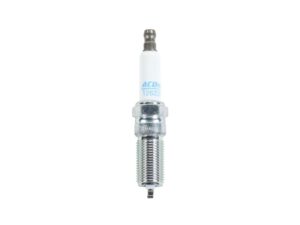 | ACDelco 41-109 GM Original Equipment Iridium Spark Plug | Check Price |
Second Best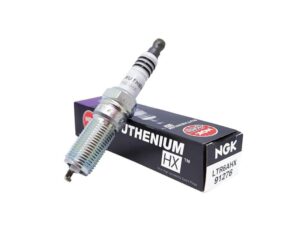 | NGK 91276 LTR6AHX Ruthenium HX Spark Plug | Check Price |
Third Choice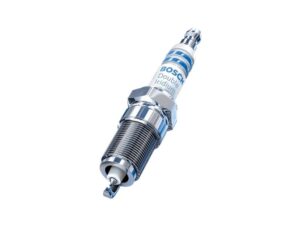 | Bosch 9609 OE Fine Wire Double Iridium Spark Plug | Check Price |
All three products address the same 3.6L V6 application, but they take different approaches. The ACDelco closely follows the factory specification, the NGK uses a ruthenium-based aftermarket design, and the Bosch uses fine-wire double-iridium construction.
1. ACDelco 41-109 GM Original Equipment Iridium Spark Plug
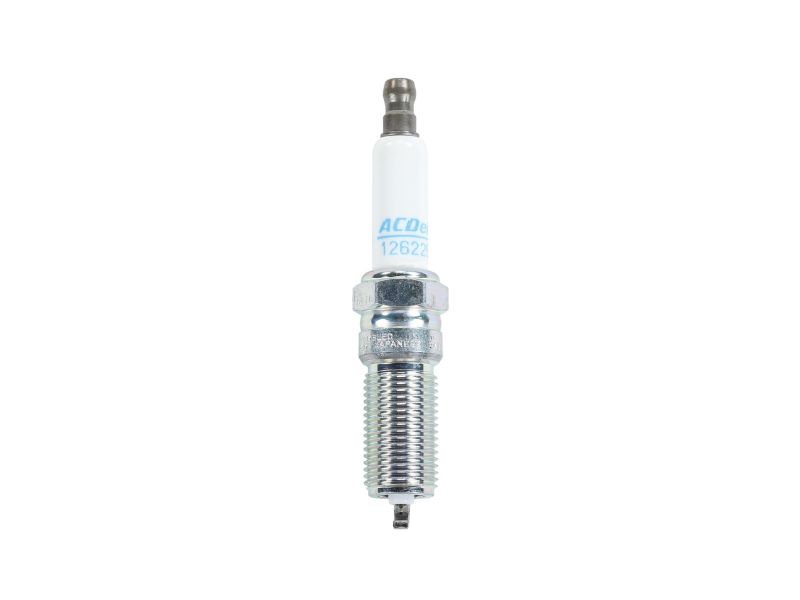
Key Features
- Verified for the 2013 Impala 3.6L LFX V6
- GM original-equipment specification
- Fine-wire iridium center electrode
- Copper electrode core
- Approximately 0.043-inch factory gap
- 14mm thread diameter
- Approximately 25.4mm thread reach
- Resistor-type construction
- Sold individually
The ACDelco 41-109 is the safest starting point for a stock 2013 Impala. Its dimensions, electrode projection, heat range, and electrical characteristics are intended to match the original ignition system and combustion chamber.
Its iridium center electrode can maintain a fine firing edge longer than a conventional nickel electrode. A smaller center tip requires less voltage to initiate a spark, while iridium’s hardness and heat resistance slow erosion during normal service.
ACDelco supplies the plug with a preset gap. Application data for the 2013 Impala identifies approximately 0.043 inch. The plug should not be aggressively re-gapped, particularly because sideways force can damage its fine center electrode.
A pre-gapped plug should still be inspected. Ceramic can crack and ground electrodes can bend during shipping. Use a wire-style gauge to confirm that the opening is plausible without forcing the tool against the iridium tip.
The 41-109 is usually sold individually. The Impala’s V6 requires six, so buyers must set the correct quantity before ordering. Receiving fewer than six plugs creates an unnecessary delay and can tempt an owner to replace only part of the set.
Replacing only three easily accessible plugs is poor maintenance practice. The old and new plugs would have different electrode wear and voltage requirements, leaving the ignition system inconsistent across the two cylinder banks.
This plug does not promise additional horsepower, nor should it. A correctly operating stock engine gains nothing from extravagant ignition claims once the mixture is already firing reliably. Its purpose is to restore the designed starting, idle, acceleration, emissions, and maintenance characteristics.
The ACDelco 41-109 is my primary recommendation for normal commuting, family transportation, and otherwise stock vehicles. Its key benefit is reduced specification uncertainty rather than a promotional performance advantage.
2. NGK 91276 LTR6AHX Ruthenium HX Spark Plug

Key Features
- Cataloged for the 2013 Impala 3.6L V6
- NGK stock number 91276
- LTR6AHX Ruthenium HX construction
- Fine-wire ruthenium center electrode
- High-ignitability ground-electrode design
- Approximately 0.044-inch application gap
- Corrosion-resistant shell plating
- Resistor construction
- Sold individually
The NGK 91276 offers a different precious-metal approach. Ruthenium alloys can support a small, durable firing tip, enabling NGK to use an electrode geometry intended for stable ignition and wear resistance.
Current application data lists the 91276 for the 2013 Impala 3.6L and identifies a gap around 0.044 inch. That is close to the 0.043-inch original-equipment reference, but fitment should be confirmed by complete part number rather than gap alone.
A one-thousandth-inch difference between catalog figures may reflect rounding, product design, or the way different data systems present the specification. It does not justify changing the plug casually. Follow NGK’s instructions for the exact application.
The Ruthenium HX is an aftermarket option rather than a necessary upgrade. When old plugs are worn, installing any correct new set can improve starting consistency or reduce misfire. That restoration should not be attributed solely to ruthenium if the comparison is against a degraded plug.
NGK applies corrosion-resistant plating to the shell. Plated threads are generally intended to be installed without anti-seize unless a specific service procedure directs otherwise. Lubricating the threads alters torque and can increase clamping force beyond the intended level.
This plug is normally offered individually, so six are required. Verify that every box and plug carries stock number 91276 and code LTR6AHX. Similar NGK codes can differ by heat range, reach, projection, or gap.
The NGK is most appealing to an owner who specifically wants Ruthenium HX technology from an established ignition-component manufacturer. It takes second place because the ACDelco remains the simpler factory-oriented choice.
I would choose the NGK when its VIN fitment is confirmed and a high-ignitability aftermarket design is preferred. I would not use it merely because “ruthenium” sounds more advanced than iridium; compatibility remains the deciding factor.
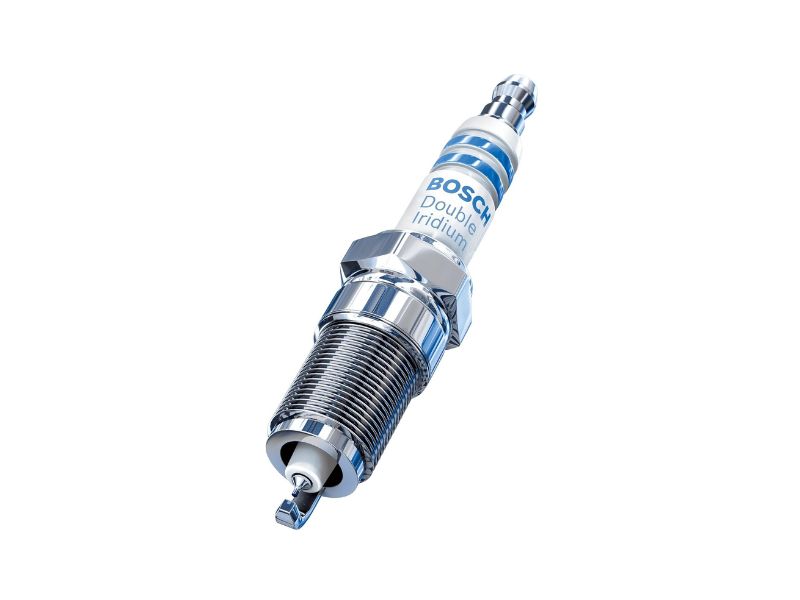
3. Bosch 9609 OE Fine Wire Double Iridium Spark Plug
Key Features
- Cataloged Bosch alternative for compatible applications
- Bosch part number 9609
- Fine-wire iridium center electrode
- Precious-metal ground-electrode inlay
- Approximately 1.1mm pre-gap
- 14mm thread diameter
- Approximately 26.5mm reach
- 16mm hex
- Resistor-type design
- Nickel-plated threads
- Sold individually
The Bosch 9609 uses precious metal on both sides of the firing gap. Its iridium center firing pin is paired with an iridium-platinum alloy inlay on the ground electrode, helping both surfaces resist erosion.
Bosch describes the plug as pre-gapped to approximately 1.1mm, equivalent to about 0.043 inch. This aligns with the common 2013 Impala application specification. As with the other fine-wire plugs, the gap should be inspected gently rather than reshaped unnecessarily.
The ultra-fine firing design aims to reduce the voltage needed for ignition. In practical terms, that can help maintain a stable spark as operating conditions change. It cannot overcome a failing coil, damaged boot, clogged injector, vacuum leak, or low cylinder compression.
Bosch uses nickel-plated threads and specifies installation without anti-seize. This is important because the plated surface changes friction compared with an untreated shell. Adding lubricant and then applying the normal dry-thread torque can over-tighten the plug.
The Bosch product is sold in several package configurations. Some listings contain one plug, some three, and others four. The linked product is a single plug, so six units are necessary for the Impala. Always read the unit count instead of judging quantity from a photograph.
The Bosch has a slightly different published reach from the ACDelco data. Cross-manufacturer measurement conventions and shell geometry can vary, so catalog approval—not a comparison of one isolated dimension—must determine fitment. Never install it based solely on a matching thread and gap.
This model ranks third because the ACDelco provides the most direct OE path and the NGK has an especially clear 2013 Impala application record. The Bosch remains a useful option when its current fitment lookup confirms the VIN and the buyer prefers a dual precious-metal firing surface.
Comparison Table
| Product | Electrode Design | Common Gap Reference | Thread Diameter | Package Quantity | Appropriate Buyer | Main Limitation |
| ACDelco 41-109 | Iridium center electrode | About 0.043 in | 14mm | 1 | Owner prioritizing factory specification | Six individual units must be ordered |
| NGK 91276 LTR6AHX | Ruthenium center with high-ignitability ground design | About 0.044 in | Application-specific | 1 | Buyer wanting a modern aftermarket design | Provides no guaranteed power increase |
| Bosch 9609 | Fine-wire double precious-metal design | About 1.1mm/0.043 in | 14mm | 1 | Buyer preferring wear resistance on both electrodes | Exact current fitment requires careful confirmation |
The ACDelco is the most straightforward maintenance replacement. The NGK introduces a ruthenium firing tip, while the Bosch applies precious metal to both the center and ground firing surfaces. All require six matching units.
What Engine Is in a 2013 Chevy Impala?
US-market 2013 Impala sedans use the 3.6L LFX V6. This direct-injected engine replaced older Impala engine configurations and uses one ignition coil and one spark plug per cylinder.
The engine has two banks of three cylinders. Three plugs face the radiator, while three sit closer to the firewall. Access to the rear bank may require removing or repositioning intake-related components.
The 2013 Impala should not be confused with:
- Earlier Impala models equipped with different V6 engines
- The redesigned Impala introduced for the following model year
- The Impala Limited sold to fleets in later calendar years
- Other Chevrolet vehicles using 3.6L engines with different calibrations or part revisions
Use the complete VIN when confirming parts. The model name and engine displacement narrow the application but do not replace a current catalog lookup.
Why Correct Spark Plug Geometry Matters
Thread Diameter and Pitch
The plug must match the cylinder head’s thread diameter and pitch precisely. The ACDelco specification uses a 14mm thread.
An incorrect pitch can damage aluminum threads even if the plug seems to start. Always begin installation by hand. If the plug does not rotate smoothly for multiple turns, remove it and inspect the threads.
Thread Reach
Reach measures how far the threaded shell extends from the seat toward the combustion chamber.
A plug with insufficient reach recesses the spark and can leave cylinder-head threads exposed to carbon. A plug with excessive reach may protrude into the chamber, accumulate carbon on exposed threads, or contact an internal component.
Similar-looking plugs can have different reach. Never determine compatibility through appearance alone.
Seat Design
The plug seat seals combustion pressure against the cylinder head. Spark plugs use either a crush gasket or a machined taper depending on the application.
Seat design affects installation torque and heat transfer. A mismatched seat may not seal even when the plug feels tight.
Electrode Projection
The firing end must sit in the intended location within the combustion chamber. Projection influences flame-kernel development and mechanical clearance.
A more projected electrode is not automatically better. The cylinder-head and piston design determine the required geometry.
Heat Range
The heat range describes how quickly the firing end transfers heat through the shell into the cylinder head. It does not refer to spark intensity.
A colder plug removes heat faster but may foul during low-temperature operation. A hotter plug retains more tip heat but can overheat if it is incorrect for the engine.
Manufacturer heat-range numbers are not universal. Bosch, NGK, and ACDelco values cannot be compared directly without their cross-reference data.
Resistor Value
The Impala’s electronic engine management expects resistor-type plugs. Internal resistance suppresses radio-frequency interference from the ignition discharge.
A non-resistor plug can interfere with sensors, modules, communication networks, or entertainment electronics. Use the specified resistance even if a non-resistor product is marketed for performance.
Understanding the 2013 Impala Spark Plug Gap
The gap is the distance between the center and ground electrodes. Ignition voltage must jump across this opening to ignite the compressed air-fuel mixture.
A 2013 Impala 3.6L application commonly uses approximately 0.043–0.044 inch, or roughly 1.1mm.
What Happens When the Gap Is Too Wide?
A wide gap needs more voltage. As electrodes wear, the opening grows gradually and places greater demand on the ignition coil.
The engine may begin to misfire under acceleration before it misfires at idle because cylinder pressure is higher under load. A weak coil can become more noticeable when paired with worn, widely gapped plugs.
What Happens When the Gap Is Too Narrow?
A narrow gap is easier to fire, but the initial spark kernel is smaller. Combustion may not develop exactly as intended, particularly under challenging conditions.
The engine can still run with a slightly narrow gap, so the absence of an immediate misfire does not prove that the setting is correct.
How Should Iridium or Ruthenium Plugs Be Measured?
Use a wire-style gap gauge. Pass the appropriate wire gently between the electrodes without pressing on the fine center tip.
Avoid forcing a tapered coin gauge through the gap. That style can exert sideways pressure and damage a small precious-metal electrode.
If a plug is significantly outside specification, inspect it for shipping damage and consider exchanging it. A large adjustment creates more risk than a minor manufacturer-approved correction.
Iridium, Ruthenium, and Double-Iridium Differences
Iridium Center Electrode
Iridium is extremely hard and tolerates high temperatures. It permits a smaller center electrode than conventional nickel while resisting erosion.
The ACDelco 41-109 uses this established configuration. It offers the clearest connection to the engine’s factory requirements.
Ruthenium HX
NGK’s Ruthenium HX family uses a ruthenium-alloy firing tip and a specialized ground-electrode design. The intention is stable ignitability and durable operation in modern engines.
Ruthenium is not inherently the correct choice for every vehicle. Its benefit depends on the complete plug design matching the application.
Double Precious-Metal Construction
The Bosch uses a fine iridium firing pin and a precious-metal inlay on the ground electrode. Protecting both firing surfaces can slow gap growth compared with a design that allows one electrode to wear faster.
“Double iridium” describes the electrode materials, not two sparks. The plug still uses one center electrode and one primary ground electrode.
Signs the 2013 Impala May Need Spark Plug Service
Rough Idle
Worn or fouled plugs can cause uneven combustion at idle. The engine may vibrate or the tachometer may fluctuate.
The LFX engine can also idle poorly because of an intake leak, injector issue, purge-system fault, ignition-coil problem, carbon buildup, or mechanical condition. Retrieve diagnostic codes before assuming the plugs are responsible.
Misfire During Acceleration
A worn gap increases ignition voltage requirements. The engine may hesitate, stumble, or set a cylinder-specific misfire code under load.
A flashing check-engine light indicates an active misfire that can damage the catalytic converter. Reduce load and arrange diagnosis rather than continuing to drive normally.
Hard Starting
Fouled plugs can make starting more difficult, especially during cold weather. Battery state, starter speed, fuel pressure, temperature-sensor data, and compression must also be evaluated.
Reduced Fuel Economy
Incomplete combustion can increase fuel use, but many factors influence economy. Tire pressure, winter fuel, short trips, thermostat operation, sensor data, and driving conditions may have a greater effect.
New plugs restore lost ignition quality when the old set is worn. They do not create economy beyond the engine’s normal design.
Check-Engine Codes
Common misfire codes include a random/multiple-cylinder code or a code identifying one cylinder.
A cylinder-specific code does not automatically identify the plug. The coil, injector, wiring, connector, compression, and air-fuel conditions all require consideration.
Installation Difficulty on the 3.6L LFX V6
The front bank of plugs is relatively accessible after the engine cover and ignition coils are removed. The rear bank is more restricted because it faces the firewall.
Access requirements can differ with tools and service procedures. Intake ducting, brackets, or upper intake components may need to be removed or repositioned.
This is more involved than changing plugs on an inline four-cylinder. A person should review the complete procedure before beginning rather than discovering rear-bank access problems halfway through the job.
If intake components are removed, new gaskets may be required. Reusing a flattened seal can create a vacuum leak that produces rough idle and lean codes after the repair.
2013 Chevy Impala Spark Plug Installation Guide
Required Parts and Tools
A typical service may require:
- Six matching, VIN-confirmed spark plugs
- Correct spark plug socket
- Ratchet and extensions
- Universal or wobble extension
- Calibrated torque wrench
- Wire-style gap gauge
- Tools for removing intake and coil components
- Replacement intake seals when required
- Compressed air or a safe plug-well cleaning method
- Small amount of appropriate dielectric grease
- Scan tool for existing misfire diagnosis
Use service information specific to the 2013 Impala LFX engine.
Allow the Engine to Cool
Spark plugs thread into aluminum cylinder heads. Work on a completely cool engine to reduce burn risk, protect the threads, and improve torque accuracy.
Do not begin immediately after driving. Heat can also make plastic connectors and intake parts more susceptible to damage.
Photograph the Engine Before Disassembly
Take clear photographs of wiring, vacuum hoses, brackets, and intake connections. Label similar connectors if needed.
A disconnected hose or incorrectly routed wire can create a new problem that appears to be related to the replacement plugs.
Clean the Work Area
Remove loose dirt before opening plug wells or intake passages. Debris that falls into a cylinder can damage internal surfaces.
If intake ports are exposed, cover each one immediately with clean, lint-free material. Account for every fastener and tool before removing the covers.
Remove the Coils Without Pulling the Wiring
Release connector locks carefully and pull from the connector body rather than the wires.
Inspect each coil boot for:
- Cracking
- Swelling
- Carbon tracking
- Corroded internal springs
- Oil contamination
- Water intrusion
A damaged boot can misfire even with a new plug.
Remove Old Plugs Carefully
Keep the socket aligned with the plug. If resistance is unusually high, stop and investigate rather than applying uncontrolled force.
Carbon, corrosion, cross-threading, or previous over-tightening may complicate removal. A damaged cylinder-head thread is far more expensive than professional assistance.
Compare the Six Removed Plugs
Keep the plugs arranged by cylinder. A single unusual plug can reveal a localized problem.
Look for:
- Heavy black deposits
- Wet fuel
- Oil fouling
- Cracked ceramic
- Excessive gap
- Missing electrode material
- White blistering
- Deposits unlike the other cylinders
Do not discard diagnostic evidence before examining it.
Start Every New Plug by Hand
Place the plug in the socket and lower it straight into the well. Turn the extension by hand until the seat contacts the cylinder head.
Do not use a power tool or full ratchet leverage to begin threading. If the plug binds, remove it and inspect the threads.
Apply the Correct Torque
Use a calibrated torque wrench and the service specification for the exact plug and engine. The appropriate value depends on thread size, seat design, head material, and whether the plug is installed dry.
Under-tightening can cause combustion leakage and inadequate heat transfer. Over-tightening can stretch the shell, crack the insulator, or damage the aluminum head.
Do Not Add Anti-Seize Automatically
ACDelco, NGK, and Bosch use plated plug shells in many modern applications. These plugs are generally intended for dry installation unless the applicable instructions state otherwise.
Anti-seize lowers thread friction. Applying normal dry torque to lubricated threads can produce excessive clamping force.
Apply Dielectric Grease Sparingly
A small amount of dielectric grease can be placed inside the mouth of the ignition boot to improve sealing and future removal.
Do not pack the boot with grease or coat the plug terminal heavily. Excessive material can interfere with the electrical connection.
Reassemble Methodically
Install new intake gaskets if required. Tighten intake components in their specified sequence and stages.
Reconnect every electrical connector and vacuum hose. Verify that no tools or coverings remain in the engine compartment.
Start the engine and listen for abnormal operation. Persistent misfires require diagnosis rather than repeated plug replacement.
Reading Old Spark Plugs
Normal Appearance
A normally operating plug may show light gray or tan deposits. Modern direct-injected engines and fuel additives can produce different colors, so appearance should be compared across all six cylinders.
Dry Black Deposits
Dry soot can result from rich operation, weak ignition, frequent short trips, prolonged idling, or an incorrect cold heat range.
Installing new plugs without correcting a rich condition may foul the replacements.
Wet Fuel
A fuel-wet plug suggests that the cylinder received fuel without consistently igniting it. Test the coil, injector control, wiring, and compression.
Oil Fouling
Oily deposits can indicate oil entering the combustion chamber through piston rings, valve seals, or another mechanical path.
New plugs may temporarily improve operation, but the deposits will return if the underlying oil-consumption problem remains.
White or Blistered Insulator
An overheated firing end can indicate a lean mixture, excessive combustion temperature, detonation, incorrect heat range, or another engine problem.
Damaged Electrode
A melted or missing electrode is not normal wear. Investigate abnormal combustion and inspect for possible internal damage before returning the vehicle to service.
Maintenance Interval and Related Inspection
Follow the maintenance schedule in the owner information for the 2013 Impala. Electrode material supports longer service, but operating conditions and engine health influence actual lifespan.
Frequent short trips can increase deposits because the engine spends less time at full operating temperature. Oil consumption, leaking injectors, and weak coils can also shorten plug life.
During plug service, inspect:
- Ignition-coil boots and springs
- Coil electrical connectors
- Intake hoses
- Vacuum connections
- Upper intake seals
- Plug wells for oil or water
- Harness routing near hot components
Because rear-bank access adds labor, using durable, application-correct plugs is more practical than installing short-life components that require early repeat service.
Common Buying and Installation Mistakes
Ordering Fewer Than Six Plugs
The 3.6L V6 requires six. Check unit count carefully because the selected products are often sold individually.
Buying for the Wrong Impala Generation
A 2013 Impala uses the LFX V6, but earlier and later vehicles may have other engines. Select parts with the full year and VIN.
Choosing by Electrode Material Alone
Ruthenium or double iridium does not overcome incorrect reach, heat range, or seat design.
Trusting “Pre-Gapped” Without Inspection
Shipping can bend an electrode. Check every plug gently before installation.
Damaging Fine Electrodes With a Coin Gauge
Use a wire gauge and avoid sideways force on the center tip.
Applying Anti-Seize by Habit
Unapproved lubricant changes torque behavior and can damage the cylinder-head threads.
Starting Plugs With a Ratchet
Thread each plug fully by hand before applying torque.
Replacing Only the Front Three
Install six matching plugs so both banks have comparable electrode condition and gap.
Ignoring a Persistent Misfire
A plug is only one possible cause. Diagnose coils, injectors, wiring, air leaks, and compression when symptoms remain.
Frequently Asked Questions
What are the best spark plugs for a 2013 Chevy Impala?
ACDelco 41-109 plugs are my primary recommendation for the stock 3.6L V6. NGK 91276 Ruthenium HX and Bosch 9609 double-iridium plugs are credible alternatives when their exact VIN fitment is confirmed. Six matching plugs are required.
What engine does the 2013 Chevy Impala have?
The US-market 2013 Impala uses a 3.6L LFX direct-injected V6. It has six cylinders, six ignition coils, and six spark plugs. Verify the VIN if the vehicle has an unusual market history or engine replacement.
How many spark plugs does a 2013 Impala need?
The 3.6L V6 requires six spark plugs. Many replacement plugs are sold individually, so the ordering quantity must be set to six. Do not replace only the three plugs on the more accessible cylinder bank.
What is the 2013 Chevy Impala spark plug gap?
The common application specification is approximately 0.043–0.044 inch. ACDelco data commonly shows 0.043 inch, while NGK application data may show 0.044 inch. Follow the instructions for the exact VIN-confirmed plug.
Are ACDelco 41-109 plugs pre-gapped?
Yes, they are supplied with a factory-set gap intended for compatible applications. Inspect each plug and measure gently with a wire gauge. Avoid aggressive adjustment because the fine iridium center electrode can be damaged.
Will NGK 91276 plugs fit a 2013 Impala?
Current application data catalogs NGK 91276 for the 2013 Impala 3.6L V6. Confirm the VIN and full LTR6AHX part code before purchasing. Six individual units are needed unless a listing explicitly provides a complete set.
Is ruthenium better than iridium?
Neither material is universally better; complete application-specific plug design matters more. Ruthenium and iridium both permit durable fine-wire electrodes. For a stock vehicle, the ACDelco iridium specification remains the lowest-risk choice, while NGK Ruthenium HX is a valid cataloged alternative.
Can new plugs increase horsepower?
Correct new plugs can restore performance lost to worn or fouled electrodes. They do not normally add horsepower beyond the engine’s intended output when the existing ignition system is already operating correctly. Claims of major gains from plug material alone should be treated cautiously.
Is changing spark plugs difficult on a 2013 Impala?
The front bank is accessible, but the rear bank requires more planning and limited-space work. Intake components may need removal or repositioning. Protect open ports, replace required seals, and follow model-specific torque procedures.
Should anti-seize be applied to the spark plug threads?
Usually not, because modern plated plugs are commonly intended for dry installation. Anti-seize lowers friction and can cause over-tightening at the specified dry torque. Follow the plug and vehicle manufacturer’s instructions rather than applying it automatically.
What torque should be used on the plugs?
Use the service specification for the 2013 LFX engine and the exact plug design. Do not rely on an unrelated generic torque figure. A calibrated torque wrench is essential because both excessive and insufficient tightening can cause problems.
Can bad plugs cause a P0300 code?
Yes, worn or fouled plugs can contribute to a random/multiple-cylinder misfire code. Coils, injectors, vacuum leaks, fuel pressure, wiring, and compression can also produce P0300. Diagnose the system rather than replacing plugs repeatedly.
Why does the Impala misfire under acceleration?
A worn gap or weak coil may fail when cylinder pressure rises under load. Scan for cylinder-specific codes and inspect the plug, coil, boot, wiring, injector, and compression. A flashing check-engine light requires immediate reduction in engine load.
Should ignition coils be replaced with the plugs?
No, functioning coils do not require automatic replacement during every plug service. Inspect the boots, springs, connectors, and housings. Replace a coil when diagnosis or visible damage supports it rather than changing all six without evidence.
How often should 2013 Impala spark plugs be replaced?
Follow the Chevrolet maintenance schedule and the service guidance for the installed plug. Precious-metal electrodes offer extended durability, but oil consumption, deposits, coil problems, and severe operating conditions can require earlier replacement.
Conclusion
The best spark plugs for 2013 Chevy Impala models must match the 3.6L LFX V6 rather than merely carrying a generic Chevrolet compatibility claim. The engine needs six plugs with correct long-reach geometry, resistor construction, heat range, and an application gap around 0.043–0.044 inch.
The ACDelco 41-109 remains my primary recommendation. Its original-equipment specification and factory-set iridium electrode arrangement make it the most conservative option for a stock vehicle.
The NGK 91276 LTR6AHX is appropriate for owners who prefer a cataloged Ruthenium HX alternative. The Bosch 9609 offers fine-wire double-iridium construction and is worth considering when Bosch’s current lookup confirms the VIN.
Whichever option is selected, order six matching plugs and inspect every electrode before installation. Work on a cold engine, protect open intake passages, examine the coil boots, start the plugs by hand, and use the correct dry-thread torque.
For ordinary maintenance on an unmodified 2013 Impala, I would install six ACDelco 41-109 plugs. Choose the NGK or Bosch only when their exact fitment and package quantity have been confirmed.