
Buying the wrong tonneau cover can leave you wrestling with a cover that blocks your gear, rattles on rough roads, or simply doesn’t fit your truck bed. A poor seal can also leave dust and rain reaching the cargo you meant to protect. For an overlanding setup, a mismatch can mean redoing the installation or finding that your rooftop tent and bed gear cannot share the truck as planned.
Start with fit, not features: a cover needs to match your truck’s year, bed length, cab and bed style before anything else matters. Then decide how you use the bed. A hard cover offers a firm barrier and a soft roll-up clears more of the bed quickly, while rack compatibility depends on the specific rack and cover arrangement.
A few practical checks can prevent a costly mismatch:
- How to confirm your truck’s bed size and configuration.
- Which cover style makes sense for your access and security needs.
- What to check before adding a rack, tent or other bulky gear.
- How to fit, care for and use a cover on trips.
Quick Picks
-
Best For Retractable hard cover
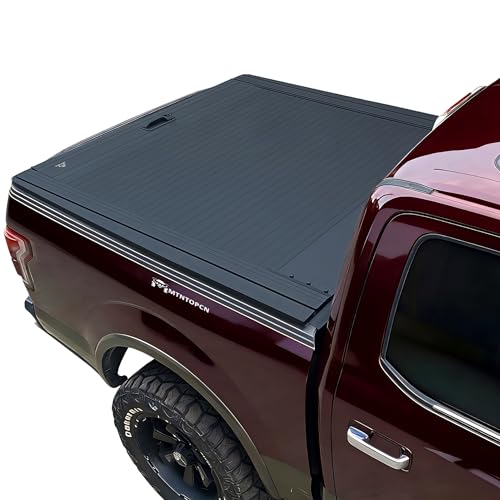
MTNTOPCN Retractable Hard Tonneau Cover
Aluminum slats retract for bed access, while rack compatibility suits overlanders planning to carry a tent or other gear above the bed.
-
Best For Hard tri-fold access
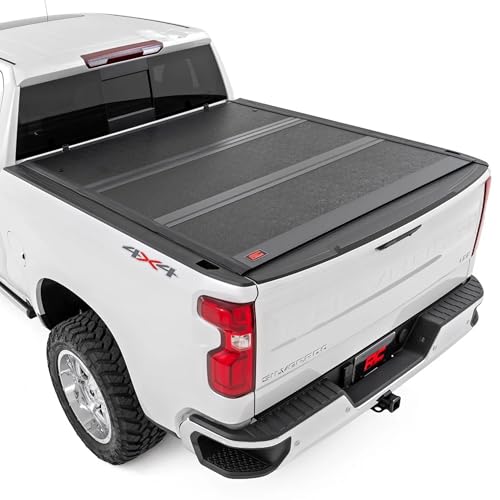
Rough Country Hard Low Profile Tri-Fold Tonneau
Matte black aluminum panels open fully or two-thirds, giving Silverado and Sierra owners flexible access without drilling.
Top 5 Tonneau Covers for Overlanding at a Glance
Start with MTNTOPCN if you have a compatible 2015–2026 F-150 Crew Cab with a 5.7-foot bed and want a retractable hard cover. Rough Country, MOSTPLUS and Gator offer different access styles for specific truck and bed fitments, while YACUTA is a bed rack rather than a tonneau cover and deserves a careful fit check before you consider it for a combined setup.
| Product image | Product name | Check product |
|---|---|---|
| 1 |
MTNTOPCN Retractable Hard Tonneau Cover | Check Price |
| 2 |
Rough Country Hard Low Profile Tri-Fold Tonneau | Check Price |
3 |
MOSTPLUS 5.5FT Roll-Up Soft Vinyl Truck Bed | Check Price |
4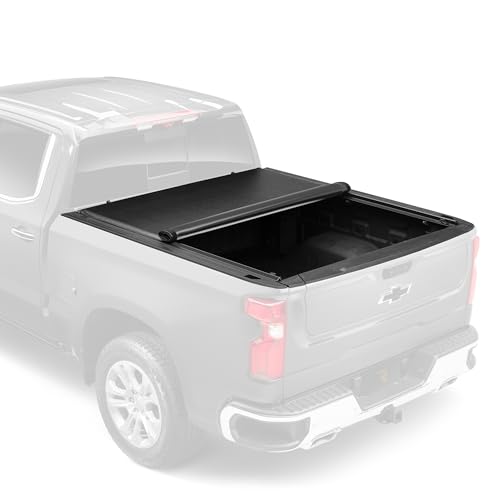 |
Gator Soft Roll Up Truck Bed Tonneau | Check Price |
5 |
YACUTA Overland Bed Rack for Full-Size & | Check Price |
5 Best Tonneau Covers for Overlanding: Detailed Reviews
When I chose the best tonneau cover for overlanding, I focused first on exact truck fit, how much of the bed stays available, and how easily you can reach cargo on the road. I also paid attention to cover construction and the practical question of whether the setup can work alongside a rack, since a cover that clashes with your gear plan can turn into an expensive do-over.
These choices include retractable, folding and roll-up covers for different truck configurations, plus one bed rack that is not itself a cover. Comparing them side by side helps you separate the cover style you want from the vehicle fitment you need, and spot where the rack or bed hardware requires extra checking.
1. MTNTOPCN Retractable Hard Tonneau Cover
Aluminum slats retract for bed access, while rack compatibility suits overlanders planning to carry a tent or other gear above the bed.
- ColorBlack
- Number Of Items1
- WeightNot listed; check details
- DimensionsNot listed; check details
The MTNTOPCN Retractable Cover suits an F-150 Crew Cab owner with a 5.7-foot bed who wants a hard cover and is planning an overlanding setup. Its stated fit includes 2015–2026 F-150 Crew Cab, Raptor and Lightning versions, but the exact year, cab and bed all need to match before ordering.
This cover uses aluminum slats, narrow rigid panels that slide along side tracks. They create a hard top over the bed and retract to open it, so you can reach gear without folding several large panels forward. For a trip, that arrangement may make it easier to get at a packed bed, though the cover’s canister and track layout still take up some bed space.
The seller describes a raised tail seal and a matte black textured powder coat. The seal is meant to limit water entry, and the finish is intended to stand up to outdoor exposure, but no tonneau cover should be treated as a guarantee of a dry bed in every storm. A built-in LED tail light is another practical detail for loading after dark, while the dual unlock arrangement offers access from above or with a lower knob.
MTNTOPCN says the cover installs without drilling or special tools and is compatible with its own racks and roll bars. That is useful if you want to carry a tent or gear above the bed, but compatibility language is not a substitute for confirming the exact rack and truck combination. The stated setup time is 30–50 minutes; allow more time if this is your first cover installation.
Pros:
- Aluminum slats create a rigid cover over bed cargo.
- Retractable design opens the bed without folding panels.
- LED tail light helps illuminate nighttime loading.
- Dual unlock points offer access from different positions.
- Stated rack compatibility supports a planned gear setup.
Cons:
- Fit is limited to the stated F-150 configurations.
- Retractable hardware can use up some bed space.
- Rack compatibility should be confirmed for the exact combination.
- A seal does not guarantee a completely dry bed.
Buy it if: you have the matching F-150 Crew Cab and want a hard cover that can work with a compatible rack for overlanding gear.
Skip it if: you have another truck or bed length, because the specified fit will not match, and a cover made for your truck would suit you better. For another fit, consider Rough or Mostplus.
I’d consider the MTNTOPCN the most directly overlanding-oriented cover in this group because the retractable slats and stated rack compatibility address two real setup needs. The locking access and light are useful touches when you are loading camp gear in low light. Check your exact truck configuration and the rack compatibility details before buying.
This is the one to start with if you own the matching F-150 and want to keep a rack in the plan.
2. Rough Country Hard Low Profile Tri-Fold Tonneau
Matte black aluminum panels open fully or two-thirds, giving Silverado and Sierra owners flexible access without drilling.
- ColorMatte Black
- Size5’10” Short Bed
- Number Of Items1
- WeightNot listed; check details
The Rough Country Tri-Fold Cover is aimed at owners of a 2019–2026 Chevy Silverado or GMC Sierra 1500 with a 5-foot-10-inch short bed. It is a hard cover with a low-profile aluminum panel design, so it suits someone who wants a firm top and can work within that exact truck fitment.
A tri-fold cover is made of hinged sections that fold toward the cab when opened. Rough Country’s cover can be driven closed or opened two-thirds of the way using safety straps, giving you a choice between covering the bed and exposing a large cargo area. That partial opening is handy for loading, but check the instructions and strap arrangement before driving with the cover open.
The flush-mount panels sit low rather than forming a raised bulky shape. Their aluminum construction is intended to resist flex and harsh weather, which gives the cover a more rigid structure than a soft vinyl roll-up. The trade-off is that folded panels can still take up space near the cab, so think about whether tall cargo needs to sit there.
The cover has an auto-latching system and an interior cable pull, with the product information noting that the tailgate lock works with the cover. It mounts with a rail system and drain tubes, without drilling, though basic tools are needed. Drain tubes help route water away; they need correct placement and a clear path, not a sharp bend or pinch.
Pros:
- Aluminum panels provide a firm covering over the bed.
- Two-thirds opening offers partial bed access.
- Safety straps hold the cover in its open position.
- Low-profile design sits close to the bed rails.
- No-drill mounting avoids drilling into the truck bed.
- Drain tubes provide a route for water management.
Cons:
- Fit excludes EV and CarbonPro bed models.
- Panels folded near the cab can limit tall cargo space.
- The stated fit is specific to 5-foot-10-inch beds.
- Basic tools are required for installation.
Buy it if: you have a compatible Silverado or Sierra short bed and want rigid panels that can open partly for access.
Skip it if: your truck has a different bed or excluded bed style, because the stated fit does not cover it, and a correctly matched cover would suit you better. Mtntopcn and Mostplus are worth a closer look instead.
To me, the appeal of the Rough Country is the useful middle ground between full coverage and quick access. The rigid panels and partial-open option give a truck owner some flexibility without needing a retractable system. Do check your bed style, especially the CarbonPro and EV exclusions, and plan where folded panels will sit.
Pick this cover if its Silverado or Sierra fitment matches and you prefer hard panels.
3. MOSTPLUS 5.5FT Roll-Up Soft Vinyl Truck Bed
The catalog lists 【Vehicle Fitment】 MOSTPLUS Roll-Up Truck Bed Tonneau Cover Compatible for 2009 2010 2011 2012 2013 2014 2015 2. Compare fit and care needs before choosing.
- Size5.5 FT
- Color2015-2022 Ford F-150
- Number Of Items1
- Length【Vehicle Fitment】 MOSTPLUS Roll-Up Truck Bed Tonneau Cover Compatible for 2009 2010 2011 2012 2013 2014 2015 2
The MOSTPLUS Roll-Up Cover suits a Ford F-150 owner looking for a soft cover for a stated 5.5-foot bed. The listed fit spans 2009–2026 F-150 model years, but the bed style and exact length need checking; the product information also describes a 66/67-inch short bed.
A roll-up cover uses a flexible vinyl top supported by an aluminum frame, then rolls toward the cab when you need bed access. That gives you a wide opening without lifting a stack of rigid panels. It can be convenient when you load larger items, although the rolled cover and its securing arrangement still need space near the cab.
The vinyl cover is described as water-resistant and UV-resistant, and the package includes extra weather stripping. These features are intended to help reduce exposure to rain, dust and sun, but water resistance is not the same as a waterproof enclosure. Check the seal around the tailgate and side rails after installation, particularly if you carry bedding or electronics that should stay dry.
The cover comes with side rails, clamps, an installation manual and a built-in LED light. The no-drill setup may be approachable for a careful beginner, but the fit depends on exact bed measurements and truck configuration. MOSTPLUS also says the cover cleans with soap and water, a straightforward care routine when road dust and trail grime build up.
Pros:
- Flexible vinyl top rolls away for broad bed access.
- Aluminum frame supports the cover structure.
- Extra weather stripping helps improve the perimeter seal.
- No-drill installation avoids modifying the bed.
- Built-in LED light supports loading after dark.
- Soap and water are listed for cleaning.
Cons:
- Soft vinyl is not a rigid barrier over cargo.
- Fit requires a 5.5-foot F-150 bed configuration.
- The rolled cover occupies space near the cab.
- Water-resistant wording does not promise a dry bed.
Buy it if: you have the matching F-150 short bed and want a soft cover that rolls away to leave broad access.
Skip it if: you want a hard panel over cargo or need a different bed fit, because this vinyl cover and stated size may not suit you, and a rigid or truck-matched cover would be a better choice. If those trade-offs rule it out, Mtntopcn or Rough may suit you better.
I like the MOSTPLUS’s simple access idea: rolling a soft cover back can be less awkward than moving heavy panels when you need most of the bed. The frame, added weather stripping and included light make the setup feel directed at everyday use as well as trips. The soft top is a real limitation if a rigid barrier matters to you, and the bed measurement deserves a careful double-check.
Choose it if bed access matters more than a hard cover.
4. Gator Soft Roll Up Truck Bed Tonneau
The catalog lists Vehicle-Specific Fit: Designed for 2019-2026 Chevy/GMC Silverado/Sierra 5’10” beds, this soft cover delivers r. Compare fit and care needs before choosing.
- ColorBlack
- Size5′ 10″ Bed
- Number Of Items1
- WeightNot listed; check details
The Gator Soft Roll-Up Cover is designed for 2019–2026 Chevy or GMC Silverado and Sierra trucks with a 5-foot-10-inch bed. It is a soft vinyl cover for a buyer who wants a low-profile top and a roll-up opening, rather than rigid panels or a retracting slat system.
Gator uses a spring-loaded tension control, a mechanism that keeps the cover pulled taut across the bed. A taut surface is less likely to sag loosely, and the seller also describes a curl-resistant edge. That can help keep the cover sitting neatly along the bed, but it still needs correct setup and periodic checks as temperatures and use change.
The cover closes with a reinforced hook-and-loop system, a fastening strip that presses together along the edges. It is not the same kind of rigid locking barrier as a hard cover, so think of it as a weather and visibility cover rather than a secure box for valuables. A clamp-on, no-drill mounting system is intended to make installation simpler and avoid drilling.
Gator adds adjustable GEARHOLD cargo keepers to help stop tools, groceries or camping items from sliding around. That is a helpful detail for smaller gear, while a full bed load still needs to be packed and restrained sensibly. Because the cover rolls away, you can open the bed widely, though the truck-specific size remains the first buying check.
Pros:
- Roll-up design clears a wide area of the bed.
- Tension control helps keep the vinyl surface taut.
- Reinforced hook-and-loop closure holds the edges down.
- Clamp-on installation avoids drilling into the truck bed.
- Adjustable cargo keepers help organize smaller gear.
Cons:
- Soft vinyl does not provide a rigid cover.
- Hook-and-loop closure is not a hard-cover lock.
- Fit is limited to the stated 5-foot-10-inch beds.
- Tension and edge closure need correct adjustment.
Buy it if: you have the matching Silverado or Sierra bed and want a roll-up cover with simple cargo organizers.
Skip it if: your priority is a rigid locking surface, because this soft cover closes with hook-and-loop fastening, and a hard cover would suit you better.
I’d put the Gator on the list for someone who values broad access and wants help keeping smaller items from sliding around. Its tension control gives the flexible top a more deliberate fit than simply laying vinyl over a bed. Be clear about the security trade-off and confirm the truck’s exact bed length before ordering.
This cover makes sense if easy roll-up access is your main priority.
5. YACUTA Overland Bed Rack for Full-Size &
The catalog lists 【Fitment】This truck bed rack cross bars width is adjustable,The adjustable range of the width is from 54 inch . Compare fit and care needs before choosing.
- Adjustable Width54 inch to 67 inch
- Arch Brace Thickness1/8 inch
- Base Bracket Thickness5/32 inch
- Static Capacity900 lb
The YACUTA Bed Rack is not a tonneau cover, so it cannot cover or conceal cargo by itself. It is included here as a possible overlanding accessory for someone considering a rack above a compatible tonneau cover, but the fit and folding-cover limitations deserve close attention before treating it as a complete bed setup.
The rack’s crossbar width is adjustable from 54 to 67 inches, which may help it fit different truck widths. Its product information describes compatibility with roll-up and soft or hard tri-fold covers, but excludes retractable covers. It also says folding covers cannot fold back after the rack is installed, an important limitation if you want to use both a rack and cover at the same time.
The rack has over 100 mounting positions for accessories such as a tent, recovery boards, lights or tools. Those attachment points offer plenty of options, but the rack itself does not establish that every accessory will fit or that a particular truck-and-cover combination is suitable. The listed load figures are 900 pounds static and 150–450 pounds dynamic; follow the product instructions and verify how the exact load and vehicle setup are rated before carrying gear.
Assembly is required, although the rack is described as requiring no drilling, cutting or truck modification. Its braces and base brackets are carbon steel, with a textured black powder coat. Check all fasteners regularly as directed, especially after rough travel, and never assume the rack’s stated capacity overrides the truck, cover or accessory limits.
Pros:
- Adjustable 54-to-67-inch crossbar width suits varied setups.
- More than 100 mounting positions support accessory choices.
- Carbon steel braces and brackets form the rack structure.
- No drilling or cutting is listed for installation.
- Product information gives static and dynamic capacity figures.
Cons:
- This is a rack, not a tonneau cover.
- Retractable tonneau covers are excluded from compatibility.
- Folding covers cannot fold back with the rack installed.
- Assembly and regular hardware checks are required.
Buy it if: you want an above-bed rack and have confirmed that your cover, truck and planned accessories can work together.
Skip it if: you need a tonneau cover to protect cargo, because a rack leaves the bed uncovered, and a cover would serve that purpose better.
The YACUTA is a distinct kind of choice, not a substitute for any of the covers above. Its adjustable width and many mounting points may be useful for carrying overlanding gear, but the cover restrictions could change how you use the bed. Verify the exact rack-to-cover fit and the load limits for your whole truck setup before making plans around it.
Pick it only if you are shopping for a rack and already understand the folding-cover trade-off.
How to Choose the Best Tonneau Cover for Overlanding
The best tonneau cover for overlanding is the one that fits your exact truck and lets you carry your gear the way you actually travel. The keyword is a starting point; the fitment chart, cover style and rack plan decide whether a specific cover belongs on your truck.
Confirm the truck and bed fit
Fitment means the cover is made for your truck’s year, model, cab and bed configuration. Two pickups with the same badge can have different bed lengths or rail shapes, and a cover that is close but not exact may not clamp down or seal properly.
Check the year range and the bed length in the product details, then measure your bed if anything is unclear. Measure from the inside of the bulkhead to the inside of the tailgate with the tailgate closed, and compare the result with the manufacturer’s stated fit method. Also check special bed designs, factory rails, bed liners and any exclusions such as CarbonPro or electric-truck versions.
For a used truck or a truck with an aftermarket bed liner, do not rely on the model year alone. Identify the actual bed style and note anything that changes the top edge where the cover rails attach. A few minutes spent confirming fit is easier than repacking camp gear around a cover that cannot close.
The related guide choosing a tonneau cover can help you think through truck fit, cover types and feature trade-offs before settling on a style. Use that kind of checklist alongside the exact vehicle compatibility notes for the cover you are considering.
Choose how you want to open the bed
A retractable cover slides into a canister near the cab, a tri-fold cover folds in sections, and a roll-up cover winds toward the cab. The main question is not which style sounds most rugged; it is how much bed access you need and what gear will occupy the cover’s open or stored position.
If you often load bulky items, look at how far the cover opens and where its panels, roll or canister end up. A tri-fold may leave folded panels near the cab, and a retractable setup can use bed space for its housing. A roll-up cover may expose more of the bed, but its flexible top is not a hard barrier.
Think about your usual trip routine. If you need quick access to several bins, a cover that opens easily may be more useful than a cover with a more rigid build. If your bed carries tall items, check whether any folded or rolled parts interfere with those loads.
Set a realistic protection expectation
Hard panels or slats give a firmer surface than soft vinyl, but no ordinary tonneau cover should be treated as a fully sealed, theft-proof container. Seams, tailgate gaps and drain paths can allow some water or dust through, depending on installation and conditions.
Consider what you plan to carry. Soft bags and muddy recovery gear have different protection needs from a camera, sleeping bag or electronics. Use waterproof storage for items that must stay dry, and secure valuables out of sight rather than assuming a cover alone is a lockbox.
Look for clear information about the material, closure and sealing pieces. If a cover uses drain tubes, note where they attach and how they route water. If a soft cover uses hook-and-loop fastening, understand that the closure is different from a hard cover’s latches.
Plan the rack and tent together
A bed rack changes how a tonneau cover opens and what hardware can fit around the rails. Compatibility claims can be limited to certain cover styles or rack products, so confirm the exact combination rather than assuming that any rack works with any cover.
Write down the rack, cover, truck and accessory combination before buying. Check whether the cover can still open, whether the rack blocks a fold or roll, and whether the gear has suitable attachment points. A rack that fits the truck in isolation may still obstruct the cover you want.
If a bed rack is part of your plan, the truck bed rack options guide is a useful comparison topic. Use it to frame questions about cover compatibility and access, then check the specific hardware instructions for your intended setup.
Think about installation and maintenance
A no-drill installation can still involve several rails, clamps, seals or drain tubes. Check what tools are needed, whether another person would make installation easier, and whether the instructions include a clear tightening sequence.
For care, look for materials that match how you use the truck. Vinyl can usually be washed with mild soap and water if the manufacturer permits it, while aluminum panels and tracks need to be kept clear of grit. Ease of cleaning matters more than a feature list when trail dust finds every seam.
Match security to what you carry
A cover can hide gear from casual view, and some hard covers connect with the tailgate lock, but that does not make the bed impervious to theft. Think of concealment and access control as separate from a secure storage box.
For higher-value gear, use a locking storage container or take valuables with you when you leave the truck. Check how the cover opens from inside or outside, what the latches do, and whether the tailgate itself locks. Choose a setup that fits the risk and the kind of places you park, rather than relying on a cover’s appearance.
How to Use a Tonneau Cover for the Best Results
Use the cover as part of a complete cargo plan, not as the only protection between your gear and the weather. Correct fit, careful loading and a quick check before driving make the biggest difference in everyday use.
- Confirm the cover is fully closed. Check that the front, sides and tailgate edge sit as the instructions show. A cover that looks closed from one side may still have an unlatched corner.
- Load heavy gear low and secure it. Put dense items near the bed floor and tie down anything that could slide. A tonneau cover is not a cargo restraint.
- Keep the opening path clear. Store bins and recovery gear where they will not block a roll, fold or retracting track. This saves you from unpacking half the bed just to reach one bag.
- Use the cover’s open-position restraints. If the design has straps or latches for driving partly open, use them as directed. Do not assume friction alone will hold a panel in place.
- Route drain tubes carefully. Keep them connected, unkinked and pointed along the intended water path. A crushed tube can prevent water from draining as planned.
- Check the seal after the first rain or wash. Look for damp spots and identify where water entered before loading sensitive gear. Use dry bags or sealed containers for items that need extra protection.
- Recheck closures after rough roads. A quick look at clamps, straps and latches before a long highway stretch can catch a cover that has shifted or was not fully secured.
A cover can also change how you organize a truck bed. Keep frequently used items near the opening you can reach without unloading, and put emergency or recovery gear somewhere you can access even if the cover is partly blocked by a tent or rack.
How to Make Your Tonneau Cover Last Longer
A simple routine helps protect the cover, rails and seals from grit and avoidable strain. Follow the care instructions for the exact cover, since vinyl, coated aluminum and track systems do not all need the same treatment.
After dusty or muddy trips, brush grit away from tracks, hinges and latches before opening the cover. Dirt in a moving track can make sliding or folding rougher, and dragging grit across a flexible top can scratch or scuff it. Use a soft cloth or brush rather than a sharp tool around the seals.
Wash the exterior with mild soap and water when needed, if the manufacturer allows it. Rinse off trail grime instead of scrubbing dry dirt into the surface. Avoid solvents or harsh cleaners unless the cover maker specifically says they are suitable, since a cleaner that works on the truck bed may not be safe for a vinyl top or coating.
Check the attachment points and seals regularly, especially after installation, a long trip or repeated rough-road driving. Look for a shifted clamp, loose fastener, lifted weather strip or drain tube that has come free. Tighten hardware only as the instructions direct; over-tightening can damage parts or change the fit.
When the cover is open, use its intended straps, support or locking position. Do not lean heavy cargo on folded panels or force a retractable cover through a track that is blocked. Store the truck with the cover closed when appropriate, and keep the bed free of branches, sharp tools and loose debris that could press against it.
Before a trip, check the closure, seals and any rack bolts as part of your regular vehicle walk-around. A quick inspection is particularly useful after adding or removing a rack, because hardware changes can affect access and clearances. Keep the installation instructions somewhere easy to find so a small adjustment does not turn into guesswork.
Common Mistakes to Avoid When Buying and Using a Tonneau Cover
A few avoidable mistakes account for many fit and access headaches. Use this checklist before you order and again before a trip.
- Buying by truck name alone. Bed lengths and configurations can vary within one model line. Check year, cab, exact bed length and special bed exclusions.
- Assuming a cover is waterproof. Seams and drain routes can let some water in. Keep sensitive gear in waterproof bags and inspect the bed after rain.
- Adding a rack without checking cover movement. A rack can block a folding panel or retracting cover. Confirm the exact combination and opening clearance first.
- Forgetting about stored cover space. A canister, folded panels or rolled top can take room near the cab. Check the space needed before hauling tall or bulky loads.
- Treating a soft cover as a hard security barrier. Flexible vinyl and hook-and-loop closures do not create the same barrier as rigid panels. Hide valuables elsewhere or use a separate secure container.
- Skipping the seal and drain check. A loose strip or pinched drain tube can undermine water management. Inspect the perimeter and tube route after installation and after adjustments.
- Opening the cover with cargo in the way. Gear can jam tracks or prevent panels from folding. Plan your bed layout around the cover’s movement before you pack for a trip.
A useful habit is to check the cover before packing, not after the bed is full. That gives you room to adjust the rails, seals or cargo position while you can still reach everything easily.
How to Set Up a Tonneau Cover
Set up the cover on a clean, level parking spot and follow the instructions for your specific truck. A no-drill design still needs careful alignment; rushing the rails is a common cause of uneven gaps or difficult latches.
- Verify the truck fit before opening the package. Match the year, cab and bed length to the cover’s instructions. Stop if the configuration does not match rather than trying to make the parts fit.
- Clear and clean the bed rails. Remove loose dirt and anything that could sit under a clamp or seal. A small piece of debris can tilt a rail or keep a weather strip from sitting flat.
- Lay out every part and identify the front and rear. Separate rails, clamps, seals, tubes and cover sections. This prevents the beginner’s classic mistake of tightening a part on the wrong side.
- Position the side rails loosely. Use the alignment points in the instructions and leave room to adjust them. Tightening everything immediately can lock in an uneven fit.
- Attach the cover and check its movement. Open and close it gently before final tightening. If a panel catches or a retracting cover binds, check rail alignment rather than forcing it.
- Install seals and route drain tubes. Follow the intended path and keep each tube free of tight bends. The water path matters as much as the visible top seal.
- Tighten clamps in the instructed order. Use the specified tools and avoid adding extra force. Recheck that the rails remain straight as the clamps tighten.
- Test the full closure and access. Close the cover, check latches and confirm that the tailgate works as expected. Make sure any open-position straps are reachable and ready before the first drive.
If the instructions call for a second person, get help rather than balancing a large cover alone. After installation, recheck the fit after the first drive and after the cover has been opened several times. If a gap or latch problem remains, correct it before relying on the cover during a trip.
Common Questions About Tonneau Covers for Overlanding
Are tonneau covers useful for overlanding?
Yes, a tonneau cover can hide and shield bed cargo from some weather and road debris, while helping keep a truck bed organized. It does not replace waterproof bags, cargo restraints or a secure storage box. Overlanding buyers should also check whether the cover works with a bed rack, rooftop tent and the way they need to reach equipment.
Which tonneau cover style is best for a truck bed rack?
There is no universal best style because rack compatibility depends on the cover, rack and truck together. Some racks work with particular roll-up or tri-fold covers, while others exclude retractable covers or prevent folding. Confirm the exact combination in the instructions and check whether the cover can still open after the rack is installed.
Will a tonneau cover keep my gear completely dry?
Not necessarily. Many covers help reduce exposure to rain, dust and sun, but water can enter at seams, the tailgate or a poorly routed drain. Check the seal after installation and after rain, then store items that must stay dry in waterproof bags or containers inside the bed.
Is a hard tonneau cover more secure than a soft cover?
A hard cover provides a more rigid barrier than flexible vinyl, but it should not be treated as a theft-proof storage box. Soft covers can conceal cargo from view, while latches and tailgate locks affect access. Match the cover to your risk, and move valuable gear into separate secure storage when needed.
How do I know what tonneau cover size fits my truck?
Check the truck’s model year, cab, bed length and bed style against the cover’s fit information. Measure the bed using the instructions for that cover if the size is unclear, and check exclusions for special bed designs or liners. Do not rely only on a label such as “short bed,” since measurements and configurations vary.
Can I install a tonneau cover myself?
Many covers are designed for owner installation, including some no-drill styles, but the work still requires careful rail alignment and clamp tightening. Check the tool list and whether a second person is recommended. Test the opening, closure, seals and drain route before loading the bed or driving with the cover partly open.
Make the Bed Setup Match the Trip
Before ordering, write down your truck’s year, cab and measured bed length, then check that the cover’s opening style fits your cargo and any rack plan. If a rooftop tent or bed rack is involved, confirm the exact compatibility and access limits first; that small check can save you from rebuilding the setup after the next delivery.