
Carpet car floor mats can be dyed successfully with fabric or carpet dye, while rubber mats usually need a coating made for flexible vinyl or rubber. Clean preparation, thin coats, and complete drying matter more than the dye brand.
Are your mats faded from sunlight, stained around the pedals, or just wearing out before you want to replace them? Are you trying to turn gray carpet mats black, or wondering if rubber mats can take color without becoming sticky?
I once rushed a faded driver’s mat by spraying color over dirt trapped near the heel pad. The dye looked fine for a day, then rubbed off in a dusty crescent where my shoe landed, which made the mat look worse than before. That mistake is common, not dumb.
I wrote this guide for anyone who wants a cleaner-looking interior without spending money on new mats right away. You’ll get a practical method for carpet, a realistic answer about rubber, and a clear line between a useful refresh and a messy short-term fix.
Done right, you can cover sun fading, blend mild discoloration, and make old mats look presentable again. Skip the cleaning or choose the wrong coating, and you may end up with blotchy color, strong fumes, slippery rubber, or dye on your shoes.
This takes about 10 minutes to read, plus the drying time your mats need. You’ll learn how to:
- Pick the right color product for carpet, rubber, or vinyl.
- Wash and prepare mats so the new color bonds evenly.
- Apply dye without creating stiff fibers or slippery footing.
- Decide when restoring mats makes more sense than replacing them.
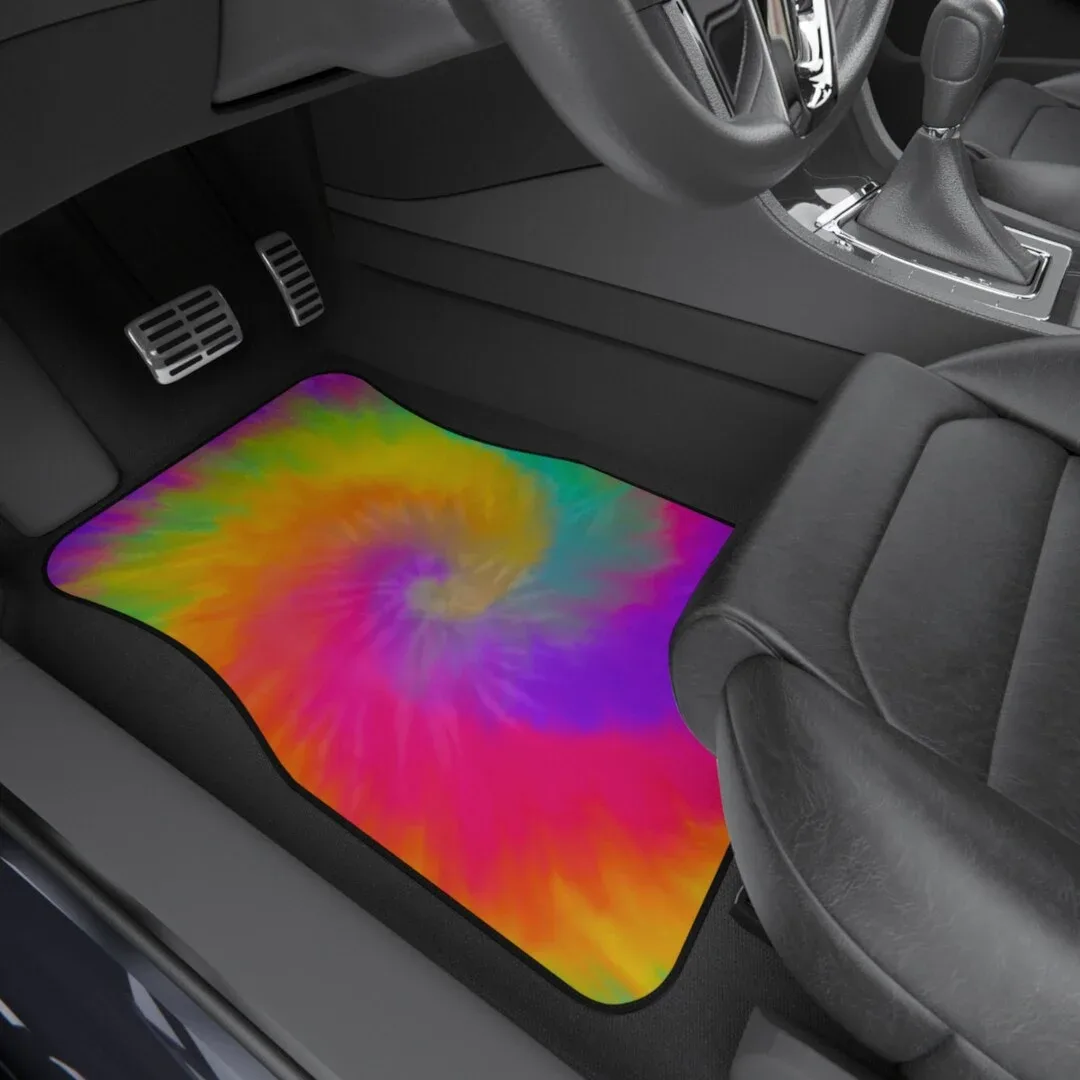
How to Dye Car Floor Mats
The best method is to remove the mats, clean them deeply, dry them completely, test the color, then apply several light coats of compatible dye. Carpet mats are the easiest candidates, while rubber mats usually need flexible paint or dressing rather than ordinary fabric dye.
Start by checking the mat material. Carpet mats normally contain nylon, polyester, or a blend, and those fibers can accept some types of textile dye or carpet colorant. Rubber mats have a nonporous surface, so most fabric dyes cannot soak in and bond properly.
Use this process for carpet mats:
- Remove every mat from the vehicle and shake loose sand, gravel, and hair.
- Vacuum both sides, paying extra attention to the driver’s heel area and the grooves.
- Wash the mats with warm water and a mild automotive carpet cleaner.
- Rinse until the water runs clear and no soap remains.
- Press out water with towels and let the mats dry fully in a ventilated area.
- Test the dye on a hidden corner or the back edge.
- Apply light, even coats from the recommended distance.
- Brush or work the color into the fibers if the product instructions call for it.
- Let each coat dry before deciding if another coat is needed.
- Reinstall the mats only after the color and backing are dry with no strong odor.
A faded black carpet mat may need a black carpet dye, while a tan mat usually cannot become a rich black with one quick pass. Dark colors cover mild fading better than stains, bleach marks, or areas where the fibers have physically worn away.
The floor mat must be dry before dye touches it. Damp fibers dilute the product, create pale patches, and trap moisture under the backing, where mildew can start.
Carpet And Rubber Need Different Products
Carpet dye changes the color of absorbent fibers. Flexible coating sits on the surface and must bend as the mat rolls, flexes, and gets stepped on, so rubber requires a product labeled for rubber, vinyl, plastic, or flexible automotive trim.
Do not use ordinary wall paint, shoe polish, permanent marker, or a hard enamel spray on a flexible mat. Those products can crack, flake, transfer onto carpet, or create a slick surface under your feet.
A rubber mat with deep grooves may respond better to a flexible black coating than to dye. If the rubber is chalky, cracked, curling, or sticky, color may hide the problem for a little while, but replacement is usually the smarter move.
A carpet mat with a rubber or vinyl backing needs care, too. Keep the product focused on the carpet face, because heavy coating on the backing can make the mat curl or slide.
Choosing Color And Coverage
Color choice depends on the existing shade and the condition of the fibers. A black dye can refresh black or very dark gray carpet, while lighter mats often need a product designed for recoloring rather than a simple tint.
Use a small hidden test to answer three questions:
- Does the color dry close to the shade you want?
- Does the fiber stay soft enough to brush?
- Does a dry white cloth pick up color after rubbing?
If the cloth picks up heavy color after the test has dried, the product may not be bonding well. A light transfer can happen with some coatings, but visible staining on a shoe or sock is a bad sign.
Pro Tip: Hold the test piece beside the vehicle’s seats and trim before committing. Interior color can look different under garage lights, cloudy daylight, and direct sun.
Key Takeaways:
- Carpet accepts dye better because its fibers are absorbent.
- Rubber needs a flexible surface coating, not ordinary fabric dye.
- Cleaning, drying, and a hidden test prevent most disappointing results.
- Thin coats are safer than one heavy, wet coat.
Preparing Mats for Clean, Even Color
Preparation controls the final finish because dye cannot hide grease, ground-in soil, salt, or crushed fibers. A clean mat gives the color a fair chance to bond instead of trapping grime under a fresh-looking surface.
Remove the mats before cleaning. Dyeing them inside the vehicle risks staining the carpet, door sills, pedals, seat rails, and plastic trim, and the fumes have nowhere pleasant to go.
Shake and vacuum first. Loose dirt turns into mud during washing, so removing dry debris saves time and keeps the rinse water from becoming a brown soup.
Wash carpet mats with a mild cleaner and a soft or medium brush. Work in sections, brushing in different directions so the cleaner reaches the base of the pile without tearing the fibers.
Rubber mats can handle more direct scrubbing, but avoid aggressive solvents unless the mat maker specifically allows them. Strong solvent can dry the rubber, strip its surface, or leave behind a film that blocks the new coating.
Rinse thoroughly. Leftover soap acts like a release layer, and the color may bead up or rub off in streaks.
Dry the mats flat or hang them from a sturdy edge in a shaded, airy spot. Direct high heat can warp rubber, curl a backing, or stiffen some carpet fibers.
Fixing Stains Before Dyeing
Dye works best on fading, mild uneven color, and small cosmetic flaws. It does not repair holes, melted spots, frayed edges, exposed backing, or rubber that has started breaking apart.
A grease mark needs degreasing before recoloring. Salt rings need repeated rinsing, while mildew requires separate cleaning and full drying before any dye goes on.
What if the mat still smells sour after washing? Stop there and fix the odor first, because dye can cover the smell briefly without removing the source.
For stubborn carpet mats, clean carpet car floor mats without soaking the backing repeatedly, then allow extra drying time. A mat that still feels cool or damp at the center is not ready for color.
I once set a freshly washed mat in a warm storage room because rain was moving in. The surface felt dry that evening, but the backing stayed damp and gave the finished mat a musty smell, so I had to wash it again and wait an extra day.
Tools And Materials
Gather everything before opening the dye or coating. A missing towel or poor ventilation can turn a simple afternoon job into a scramble.
- Vacuum cleaner with a crevice tool
- Mild carpet cleaner or rubber-safe cleaner
- Soft and medium cleaning brushes
- Clean towels
- Nitrile gloves
- Eye protection
- Drop cloth or plastic sheet
- Compatible carpet dye or flexible rubber coating
- Small test brush or applicator
- Fan for air movement
Use a separate brush for cleaning and color application. Dirt left in the brush can create dark flecks, while old cleaner can dilute the new product.
Safety Before Applying Color
Protect your skin, eyes, lungs, and surrounding surfaces before spraying or brushing any dye. Read the product label, work outdoors or in a well-ventilated area, wear gloves and eye protection, and keep the product away from flames, heaters, and children.
Do not spray inside a closed garage with the door down. Aerosol mist can linger on nearby tools, vehicles, and household surfaces, while fumes may build up faster than you notice.
Cover the ground and keep the mats away from painted body panels. Overspray can travel farther than expected, especially on a breezy day.
If a coating warns against use on a particular rubber blend, follow that warning. Material formulas differ, and a product that works on a molded cargo liner may fail on a soft rubber mat.
Applying Dye Without Streaks
Once the mat is clean, dry, and tested, apply the color in thin passes. Heavy application leaves wet spots that dry darker, stiffen the pile, and increase transfer onto footwear.
Hold the spray can or applicator at the distance stated on the label. Move steadily across the surface, then change direction on the next pass so the fibers receive more even coverage.
For brush-on color, load the brush lightly and work the product into the pile instead of leaving a wet layer on top. A small amount of patience beats trying to finish in one go.
Let the first coat dry according to the product directions. Judge the shade only after drying, because wet color nearly always looks darker and glossier than the finished surface.
Repeat with another thin coat if the color remains uneven. Stop once the mat looks consistent and the fibers still feel natural.
Important Tip: Keep the driver’s heel pad and raised traction areas lightly coated. A thick layer in those high-contact spots wears quickly and can change how your shoe grips.
Rubber Mat Dyeing, Longevity, and Better Alternatives
Rubber floor mats usually cannot be dyed in the same way as carpet mats because rubber does not absorb ordinary textile color. A flexible automotive coating may improve appearance, but the result depends on rubber type, surface condition, foot traffic, and preparation.
Clean rubber with a rubber-safe cleaner, rinse it well, and let it dry. Wipe away any oily residue, but do not leave a shiny dressing on the surface before coating.
Scuffing may help some flexible coatings bond, but only follow the coating instructions. Sanding too aggressively can create visible scratches that show through the new color.
Apply a thin test coat on the underside or rear edge. Let it dry fully, then flex the area and rub it with a white cloth. Cracks, peeling, tackiness, or heavy color transfer mean the product is a poor match.
The table below gives a practical comparison.
| Mat type | Best color product | Main benefit | Main drawback | Best use |
|---|---|---|---|---|
| Nylon carpet | Carpet or textile dye | Color can reach the fibers | May not hide worn pile | Refreshing faded carpet |
| Polyester carpet | Product labeled for synthetic fibers | Can improve uneven color | Some dyes bond weakly | Testing before full application |
| Molded rubber | Flexible rubber or vinyl coating | Adds surface color | Can wear at heel areas | Cosmetic improvement |
| Soft rubber liner | Flexible coating made for flexible trim | Better flex resistance | May stay tacky if mismatched | Small-area restoration |
| Cracked rubber | Replacement mat | Reliable fit and traction | Costs more than recoloring | Safety and long-term use |
Rubber mats also need attention to traction. A shiny finish may look fresh but can become slippery when wet, especially beneath the driver’s heel.
The article on restoring rubber car floor mats covers a safer path for rubber that has lost color but still has a sound surface. Restoration makes sense only if the mat remains flat, flexible, and firmly grippy.
When Replacement Makes More Sense
Replace the mat if the driver’s heel has worn through, the backing has curled, the rubber has cracked deeply, or the mat no longer stays in its retaining clips. A pretty surface cannot fix a mat that can slide under a pedal.
Fit matters more than many people expect. A replacement should match the vehicle’s floor shape and use the original retention points when available.
I’d choose replacement over recoloring for a damaged driver’s mat, but I’d happily refresh a good carpet mat with faded color. That trade gives you a cleaner appearance without gambling with pedal clearance or foot grip.
Troubleshooting Common Problems
Blotchy color usually points to uneven cleaning, damp fibers, or heavy application. Let the mat dry completely before adding more product, then use light coats to blend the pale areas.
Color transfer usually means the product has not cured, the surface was oily, or the coating does not match the material. Keep the mat out of the vehicle until a dry white cloth stays clean after firm rubbing.
A stiff carpet means too much product has dried around the fibers. Brush gently once the surface is fully dry, but avoid flooding the mat with more cleaner to soften it.
Peeling rubber coating means poor bonding or too much thickness. Remove loose flakes, clean the surface, and test a different flexible product on a small area before trying again.
A slippery feel is a stop sign. Do not install the mat under the driver’s feet until the surface has normal traction when dry and slightly damp.
Drying And Reinstalling
Allow the finished mat to dry in moving air, away from rain, dust, and direct high heat. Drying time changes with product type, coat thickness, humidity, and temperature, so the label’s timing should guide the final decision.
Before reinstalling, check the front and back. The backing should be dry, the edges should lie flat, and no color should transfer during a firm white-cloth rub.
Place the driver’s mat into its factory retainers. Slide the seat through its full range and press the pedals several times while parked to confirm the mat cannot bunch, climb, or touch the pedal arms.
FAQs About How to Dye Car Floor Mats
Can you dye carpet car floor mats?
Yes, carpet car floor mats can often be recolored with a dye or carpet colorant made for their fiber type. Nylon and polyester may react differently, so test a hidden section first. Dye can refresh fading, but it cannot rebuild worn carpet, cover holes, or repair a damaged backing.
Can you dye rubber car floor mats?
Usually no, ordinary fabric dye will not properly dye rubber car floor mats. Rubber is nonporous, so a flexible coating labeled for rubber, vinyl, or automotive trim has a better chance of bonding. Test for peeling, tackiness, color transfer, and traction before installation.
Will dyed car floor mats stain shoes?
They can stain shoes if the product has not cured, the surface was dirty, or the coating does not match the mat material. Rub the dry mat firmly with a white cloth and check for transfer. Keep the mat out of the vehicle until the cloth stays clean.
How long does dyed mat color last?
Dyed carpet mats may stay presentable for months or longer, depending on sunlight, cleaning, foot traffic, and dye quality. Rubber coatings usually wear fastest at the driver’s heel and raised tread. Thin, well-bonded coats last longer than one thick coat.
Can black dye cover stains on car mats?
Black dye can reduce the appearance of mild discoloration and fading, but black dye may not hide grease, bleach spots, rust, or flattened fibers. Clean the stain first and test the finished shade. Severe damage often looks uneven after recoloring.
Is it safe to dye floor mats inside the car?
No, dyeing floor mats inside the car creates avoidable risks. Overspray can stain upholstery and trim, fumes can collect in the cabin, and wet mats can trap moisture in the carpet. Remove the mats and work in a ventilated area away from ignition sources.
A Practical Decision Before You Start
Dyeing makes sense when a sound carpet mat has faded but still lies flat, grips the floor, and has intact edges. Use a carpet product for carpet, a flexible coating for rubber, and give preparation and drying the same attention as the color step.
My practical choice is to refresh a good carpet mat and replace any driver’s mat with damage near the pedals or retention points. Start with one hidden test, wait for a full dry result, and proceed only when the color, texture, and traction all pass that small check.