
The fastest way to get smell out of car floor mats is to remove the mats, identify the odor source, wash with the right cleaner, and dry them completely before putting them back. Rubber mats usually need degreasing and airing out, while carpet mats may need extraction, enzyme cleaner, or mold treatment.
A sour smell often comes from trapped water, spilled milk, wet shoes, pet messes, mildew, or bacteria hiding in the mat backing. A strong rubber odor from new mats is different, so covering every smell with air freshener usually gives you a perfume-and-gym-bag combination nobody asked for.
Are your mats clean on top but still making the cabin smell stale? Does the odor return a day after cleaning, especially after rain or a humid night?
I once rushed through a mat cleaning job and put the carpet mats back while the underside still felt cool and damp. By the next morning, the car smelled like a wet towel sealed inside a lunchbox, and I had to start the drying process all over again. That mistake is common, not dumb, because a mat can feel dry on top while moisture hides underneath.
I wrote this guide for drivers who want a clean car without guessing at products or scrubbing for hours. You’ll get a practical method for rubber, carpet, and all-weather mats, plus clear signs that an odor is coming from under the mat instead.
If you handle the source first, you can avoid permanent stains, mold growth, foggy windows, and wasted money on products that only mask the smell. Skip the drying step, and even a spotless mat can turn funky again.
This takes about 12 minutes to read, then the cleaning itself can take 30 minutes to a full day depending on the odor.
- You’ll match the smell to the right cleaning method.
- You’ll clean rubber, carpet, and molded mats without damaging them.
- You’ll know how to dry the mats so the odor stays gone.
- You’ll spot mold, soaked padding, and odors that need professional help.
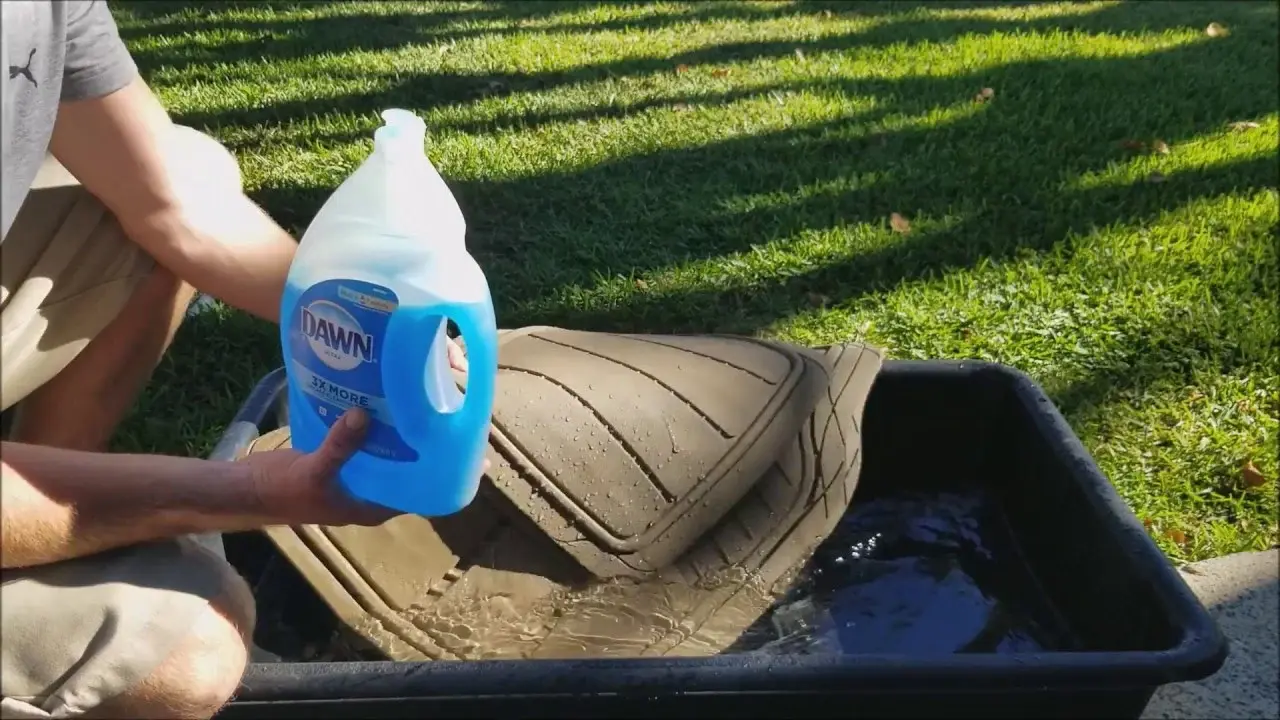
How to Get Smell Out of Car Floor Mats
Remove the mats, vacuum loose debris, wash the surface, treat the odor source, rinse when needed, and dry every layer completely. A light smell may disappear in one cleaning, while milk, pet urine, mildew, and soaked carpet backing can need repeated treatment or replacement.
Start by taking every mat out of the vehicle, including the small rear mats and the cargo-area mat. Leaving one contaminated mat inside can make the whole cabin smell dirty again, much like leaving one wet towel in a closed bathroom.
- Inspect the odor source. Look for spilled drinks, food crumbs, mud, salt, pet residue, damp padding, and discoloration.
- Vacuum both sides. Use a crevice tool around the edges, channels, and mat anchors.
- Test the cleaner. Apply a small amount to a hidden corner and wait several minutes for color or texture changes.
- Clean the material. Use mild soap for rubber and a fabric-safe cleaner for carpet.
- Treat the specific odor. Enzyme cleaner works best for organic messes, while mild detergent handles ordinary dirt.
- Rinse or wipe away residue. Leftover soap can attract more grime and leave a sour scent.
- Dry the top, bottom, and edges. Use airflow, sunlight when suitable, and time rather than putting damp mats back inside.
- Clean the floor beneath the mats. Vacuum the carpet and wipe hard surfaces before reinstalling the mats.
Match the smell to the likely cause
A smell gives you useful clues, although several sources can overlap. Sour or musty odors usually point to moisture, a sweet smell can come from a drink or coolant spill, and a sharp ammonia-like odor often suggests urine.
| Odor or clue | Likely source | Best first treatment | When replacement may make sense |
|---|---|---|---|
| Musty, damp, or sour | Wet carpet, mildew, soaked backing | Dry fully, then use fabric cleaner or enzyme cleaner | Odor returns after two full cleanings |
| Strong rubber or plastic | New rubber or thermoplastic mat | Wash, rinse, and air out | Material remains harsh-smelling for weeks |
| Sweet and sticky | Soda, juice, milk, or coolant | Blot, rinse, then clean residue | Liquid reached foam or fixed padding |
| Ammonia-like | Pet urine or another organic mess | Enzyme cleaner and repeated drying | Backing or padding remains contaminated |
| Rotten or greasy | Food, oil, or trapped waste | Remove solids, degrease carefully | Smell comes from carpet under the mat |
| Moldy with visible spots | Mold or mildew | Isolate, clean safely, and dry | Large growth or repeated return |
Why does a mat smell again after you’ve scrubbed it? The usual reason is that liquid reached the mat backing, the carpet underneath, or the vehicle’s floor carpet, so the surface cleaning never reached the real source.
Before treating a bad odor, check the floor under each mat and lift removable cargo liners. A damp patch under the driver’s mat can point to a door seal, windshield leak, heater issue, or wet shoes rather than a dirty mat.
Cleaning Methods for Rubber, Carpet, and All-Weather Mats
The right cleaner depends on the mat material, because rubber tolerates more water while carpet needs controlled moisture and thorough extraction. The goal is to remove dirt and odor without leaving soap, soaking the backing, or changing the mat’s shape.
For a full process covering different materials, use these car floor mat cleaning methods as a companion reference while choosing the steps below.
Rubber and thermoplastic mats
Rubber and thermoplastic elastomer, often called TPE, are common in deep-channel all-weather mats. These materials resist water, but harsh solvents can dry the surface, leave a sticky film, or fade the finish.
You’ll need a vacuum, hose or bucket, soft brush, mild dish soap or automotive cleaner, microfiber towels, and a shaded drying spot. A stiff nylon brush can help with tread grooves, but a wire brush can scratch the surface and create pockets for dirt.
- Shake out loose grit before adding water.
- Vacuum the channels and underside.
- Rinse away mud and sand.
- Scrub with diluted soap and a soft or medium brush.
- Rinse until the water runs clear and the surface no longer feels slick.
- Wipe the mat edges and underside.
- Stand the mat upright until completely dry.
Greasy odors need a cleaner that can break down oil, but stronger is not always better. I’d use a mild degreaser only after checking the product label and testing a hidden area, then rinse longer than you think you need to.
Never use gasoline, paint thinner, bleach mixtures, or strong solvents on car mats. Those products can damage the material, create dangerous fumes, or leave a surface that becomes slippery under your feet.
Carpet floor mats
Carpet mats need less water than rubber mats because moisture can stay trapped in the backing. Vacuuming, spot treatment, controlled agitation, and extraction usually work better than flooding the mat with a hose.
For everyday grime, vacuum slowly in several directions, paying attention to the heel pad and stitched edges. Spray cleaner onto a brush or towel instead of soaking the entire mat, then work in small areas so you can lift the dirty foam before it dries.
Enzyme cleaners help break down odor from milk, food, vomit, and urine because they target organic residue rather than just covering the scent. Follow the label’s dwell time, since wiping the product away too soon can leave the source behind.
A wet-dry vacuum or carpet extractor can pull out dirty solution, but use modest moisture on mats with foam or fabric backing. Give the mat a second extraction with clean water if soap remains, then press it between towels to remove more moisture.
New rubber smell
New rubber odor usually comes from volatile compounds, which are chemicals released from fresh rubber or plastic as the material airs out. Washing removes surface residue, but time and ventilation often do more than repeated scrubbing.
Wash the mats with mild soap, rinse them well, and place them in a shaded, ventilated area for a day or two. Sunlight can help some materials air out, but intense heat can warp mats, so avoid leaving them on hot asphalt or against a very hot surface.
If you’re dealing with that sharp factory smell, this guide to removing new rubber smell covers the same problem from a dedicated angle. Don’t spray perfume, essential oils, or strong solvent-based products onto new mats, because the added scent can mix with the rubber odor and make the cabin harder to tolerate.
Mold and mildew
Mold on a car floor mat needs moisture control first, because cleaning visible spots without fixing damp conditions invites the growth back. Small surface spots on a removable rubber or carpet mat may be treatable, but widespread growth, deep staining, or a persistent musty smell deserves more caution.
Wear gloves, improve airflow, and keep the contaminated mat away from the vehicle’s interior while you work. Never mix bleach with ammonia, vinegar, or other cleaners, and never use bleach on carpet unless the manufacturer specifically allows it.
For a mat with light surface mildew, vacuum outdoors if the material is fully dry, wash with a compatible cleaner, rinse or extract residue, and dry completely in a ventilated place. A moldy foam backing may hold the odor even after the top looks clean.
The full decision process in removing mold from car mats can help you judge cleaning versus replacement. I’d replace a cheap mat with deep mold penetration rather than spend an afternoon trying to rescue a backing that still smells after drying.
Choosing a cleaner
The best product depends on the mess, not the label’s fanciest promise. A neutral cleaner handles dirt, an enzyme product handles organic residue, and a rubber-safe degreaser handles oily grime.
A useful car floor mat cleaner guide can help compare products for rubber, carpet, and routine dirt. I’d avoid products that leave a glossy or oily film on the driver’s mat, because a clean smell isn’t worth reduced traction near the pedals.
Important Tip: Never clean a driver’s mat while it’s installed. Water, foam, and loose tools can reach the pedals, and a mat that shifts under the accelerator or brake can create a serious hazard.
Drying, Odor Removal, and Troubleshooting
Complete drying is the step that decides whether a car mat stays fresh or smells sour again. A mat is not ready just because the top feels dry; check the underside, seams, corners, and backing.
Place cleaned mats on a clean surface where air can reach both sides. Hang them over a sturdy rail if the material won’t bend, or stand them upright with space around the edges, then use a fan to keep air moving.
Avoid putting wet mats in a closed garage, sealed trunk, or parked car. Warm, trapped air can turn mild dampness into a musty smell, especially when the carpet backing is thick.
A practical drying test
Press a dry white towel firmly against the mat’s thickest area for 10 seconds. If the towel feels damp, shows discoloration, or picks up an odor, the mat needs more drying or another rinse.
Check these areas before reinstalling:
- The underside ribs and molded channels.
- The stitched border and heel pad.
- The corners where water collects.
- Foam or felt backing.
- The carpet directly under the mat.
If the weather is humid, drying may take much longer than it does on a dry day. Air movement matters more than high heat, so a fan in a ventilated room is safer than placing a mat against a heater.
Odor source outside the mat
A clean mat can still smell bad when the odor is hiding underneath it. Check wet carpet, seat rails, door pockets, the spare-tire well, cargo liners, and the cabin air filter area.
Water leaks often show up as damp carpet, fogging windows, a stained headliner, or a musty smell that grows stronger after rain. A coolant leak can produce a sweet odor, while an electrical smell can resemble hot plastic or burnt insulation.
Stop cleaning and get professional help when you notice smoke, hot wiring, fuel odor, strong coolant odor, or water entering near electrical components. Cleaning a mat won’t fix a vehicle problem, and driving with certain smells can be unsafe.
My shortcut that backfired
I once sprayed a strong deodorizer onto a mat that had absorbed a drink, hoping to finish the job quickly. The cabin smelled sweet for a few hours, then the original sour odor pushed back through, which taught me to remove the spill before reaching for fragrance.
The practical lesson is simple: deodorizer can make a temporary improvement, but source removal does the lasting work. If the smell returns after the vehicle warms up, look for residue or moisture beneath the surface.
When replacement beats cleaning
Replacement makes sense when the mat has torn backing, permanent contamination, heavy mold, a lingering urine odor, or a shape that no longer stays flat. A loose, curled, or badly worn driver’s mat can move near the pedals, so safety matters more than saving a few dollars.
Check the replacement mat’s fit, anchor points, raised edges, and pedal clearance. Universal mats may need trimming, but never trim away the retention features or leave a mat that can slide forward.
For a valuable carpet set, professional upholstery or automotive detailing may cost less than replacing the whole interior carpet. For an inexpensive mat with deep odor, replacement is often the cleanest and least frustrating choice.
Pro Tip: Photograph the mat anchors before removal if you’re unsure how each mat sits. Correct placement prevents a freshly cleaned mat from shifting under your feet.
How to stop the smell from returning
Once the mats are clean and dry, reduce the conditions that caused the odor. Shake out wet footwear before getting in, remove muddy mats promptly, and blot spills instead of rubbing them deeper into the fibers.
Keep a small towel and a few disposable bags in the vehicle for wet shoes, food spills, or pet accidents. That little bit of preparation can save you from a weekend of scrubbing after one tipped drink.
Use these habits after cleaning:
- Dry wet mats outside the cabin as soon as practical.
- Vacuum grit before it works into carpet fibers.
- Don’t leave food, gym clothes, or pet bedding in the car.
- Check the floor beneath mats after heavy rain.
- Keep mats secured to their factory anchors.
- Rubber mats need rinsing and airflow, while carpet mats need controlled moisture and extraction.
- Mold, milk, pet messes, and mildew require source treatment rather than fragrance.
- A mat must be dry underneath before it goes back into the vehicle.
- A returning odor can signal wet carpet, a leak, or contaminated padding.
FAQs About How to Get Smell Out of Car Floor Mats
Can baking soda remove smell from car floor mats?
Yes, baking soda can absorb some surface odors from dry carpet mats, but baking soda won’t remove milk, urine, mold, grease, or deeply soaked residue. Sprinkle a light layer on a dry mat, leave it for several hours, vacuum slowly, and follow with proper cleaning when the odor remains.
How long should car floor mats dry?
Car floor mats may need several hours to a full day to dry, depending on material, thickness, humidity, and airflow. Rubber mats often dry faster than carpet mats with foam backing, but both sides, seams, and edges should feel fully dry before installation.
Can I wash car floor mats in a washing machine?
Some fabric mats can tolerate machine washing, but the care label and backing determine whether that’s safe. Rubber-backed mats can shed material, curl, or damage the machine, so hand washing and controlled extraction are safer unless the manufacturer allows machine cleaning.
How do I remove a milk smell from carpet car mats?
Milk odor needs blotting, repeated rinsing or extraction, and an enzyme cleaner made for organic residue. Clean the mat backing and the vehicle carpet beneath it, because dried milk can remain below the visible stain and release a stronger smell as the cabin warms.
Is mold on a car floor mat dangerous?
Mold on a car floor mat can irritate sensitive people and may spread when disturbed, especially in a closed cabin. Wear gloves, improve ventilation, avoid dry brushing indoors, and replace heavily contaminated mats or seek professional cleaning when mold reaches padding or surrounding carpet.
Why do my car mats smell worse when they get wet?
Wet car mats smell worse because moisture reactivates bacteria, mildew, food residue, and chemicals trapped in the fibers or backing. Drying alone may reduce the odor briefly, but a returning smell means the mat or the floor beneath it needs deeper cleaning or inspection.
A Cleaner Cabin Starts with Dry Mats
Getting smell out of car floor mats works best when you treat the source instead of covering it. Remove the mats, clean them according to their material, rinse away residue, and give the backing enough airflow and time to dry.
My practical choice is mild soap for ordinary grime, an enzyme cleaner for organic spills, and replacement for mats with deep mold or a lasting contaminated smell. Start with the mat that smells worst, inspect the floor beneath it, and don’t reinstall anything that still feels damp.