Finding a good MAF sensor can be difficult, especially when there are so many OEM and aftermarket options available. Choosing a poorly calibrated or incompatible sensor may lead to rough idling, engine hesitation, reduced acceleration, poor fuel economy, incorrect air-fuel ratios, stalling, black exhaust smoke, or a recurring check engine light.
A low-quality sensor may also send inaccurate airflow data to the engine control unit, preventing the engine from performing efficiently.
Keeping these concerns in mind, I created this guide and reviewed 15 of the best MAF sensor options for different cars, trucks, engines, and budgets.
However, if you do not have enough time to read the entire article, you can check out the Delphi AF10043 Mass Air Flow Sensor. After comparing its brand reputation, OE-focused calibration, build quality, airflow accuracy, and overall value, it appears to be the best overall option on this list for compatible vehicles.
A mass air flow sensor plays a critical role in measuring how much air enters the engine. It sends this information to the engine control unit, or ECU, which uses the data to calculate the correct amount of fuel needed for combustion.
When the sensor provides consistent and accurate readings, it can help maintain smooth idling, responsive acceleration, stable engine performance, proper emissions, and efficient fuel consumption.
In this article, I compare 15 mass air flow sensors from well-known brands such as Delphi, Bosch, Hitachi, GM Genuine Parts, and several affordable aftermarket manufacturers.
Each review covers vehicle compatibility, key features, connector configuration, installation, performance, advantages, disadvantages, and overall suitability.
You will also find a detailed buying guide, common symptoms of a bad MAF sensor, cleaning and replacement advice, diagnostic trouble codes, and frequently asked questions to help you choose the right replacement for your vehicle.
15 Best MAF Sensor At a Glance
1. Delphi AF10043 Mass Air Flow Sensor – Best Overall
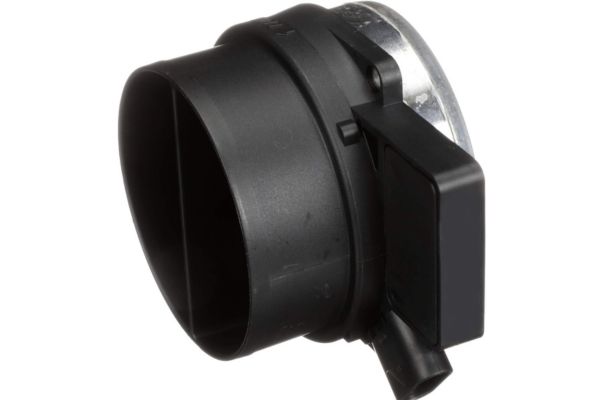
The Delphi AF10043 Mass Air Flow Sensor is my best overall choice for drivers who want a dependable, vehicle-specific replacement from an established automotive parts manufacturer. Delphi has decades of experience producing original-equipment engine management components, which gives this sensor a stronger reputation than many low-cost generic alternatives.
A MAF sensor must accurately measure the amount of air entering the engine so the ECU can calculate the correct amount of fuel. The AF10043 is designed to provide precise airflow information while reducing signal noise. This can help support a stable air-fuel ratio, smoother idling, responsive acceleration, consistent engine performance, and more efficient fuel delivery.
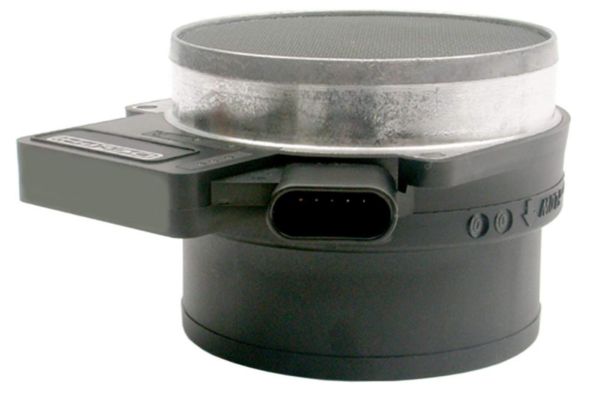
This model has a flange-mount design and is made from metal and plastic components. It operates with a 12-volt electrical system and is designed as a vehicle-specific replacement rather than a universal sensor. It is associated with several interchange numbers, including 25168491, 25318411, 19330121, 213-4160, and 74-8411. I recommend comparing these numbers with the original sensor and checking your vehicle’s year, make, model, engine size, and VIN before placing an order.
Installation should be relatively straightforward when the part number and connector match your vehicle. However, replacing the MAF sensor may not solve the issue if the actual cause is a vacuum leak, damaged wiring, a contaminated electrical connector, or a clogged air filter. For that reason, I suggest diagnosing the problem properly before purchasing a replacement.
Pros
- Made by an established automotive parts brand
- Designed for accurate airflow readings
- Helps reduce inconsistent sensor signals
- Vehicle-specific direct-replacement design
- Multiple OE and interchange numbers available
- Suitable for buyers who prioritize reliability
Cons
- Costs more than many generic aftermarket sensors
- Does not fit every vehicle with a similar connector
- Exact fitment must be verified before ordering
My Verdict
The Delphi AF10043 Mass Air Flow Sensor is my best overall recommendation for compatible vehicles. Its OE-focused design, brand reputation, airflow accuracy, and dependable construction make it a strong option for buyers who value reliability more than the lowest possible price.
2. GM Genuine Parts Multi-Purpose Air Sensor – Best Genuine GM Replacement
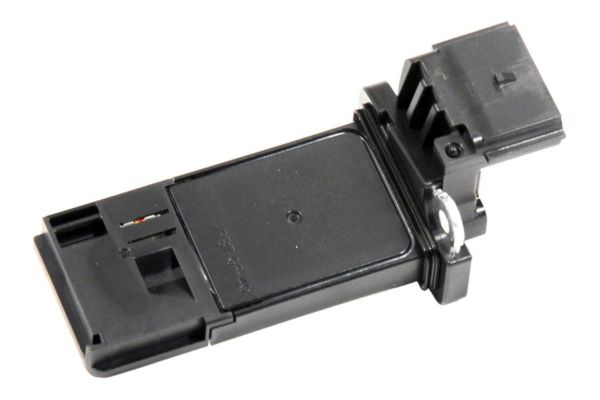
The GM Genuine Parts 23262343 Multi-Purpose Air Sensor is my recommended option for GM vehicle owners who prefer an original-equipment replacement instead of a low-cost aftermarket sensor. Because General Motors manufactures this part for specific GM applications, it is designed to match the original component’s fit, electrical connection, and operating requirements.
This mass air flow sensor measures the air entering the engine and sends the information to the engine control module. The ECU then uses this data to adjust fuel delivery and maintain the correct air-fuel mixture. Accurate readings can help support smoother idling, responsive acceleration, stable engine performance, and efficient fuel combustion.
Part number 23262343 is a direct-replacement sensor that replaces previous GM part numbers 20787043 and 23118170. It is compatible with selected Buick, Cadillac, Chevrolet, and GMC vehicles manufactured across different model years. Listed applications include certain versions of the Buick Enclave, Cadillac ATS and Escalade, Chevrolet Camaro and Silverado, and GMC Sierra and Yukon. However, the exact fit depends on the vehicle’s year, engine, trim, and production configuration.
I strongly recommend checking your existing sensor’s part number or using your VIN before ordering. A similar-looking GM sensor may use different calibration or connector requirements. Installation is generally straightforward because this is a direct replacement, although the original mounting screws may need to be reused.
Pros
- Genuine General Motors replacement part
- Designed for direct fitment in compatible GM vehicles
- Replaces GM part numbers 20787043 and 23118170
- Broad compatibility across selected GM brands
- Backed by GM factory warranty coverage
Cons
- Usually costs more than generic aftermarket sensors
- Fitment varies by engine, trim, and model year
- New mounting screws may not be included
My Verdict
The GM Genuine Parts 23262343 Multi-Purpose Air Sensor is my preferred choice for compatible GM vehicles when factory-style fitment and dependable calibration are more important than finding the cheapest replacement.
3. A-Premium Mass Air Flow Sensor – Best Budget Option for Nissan and Infiniti
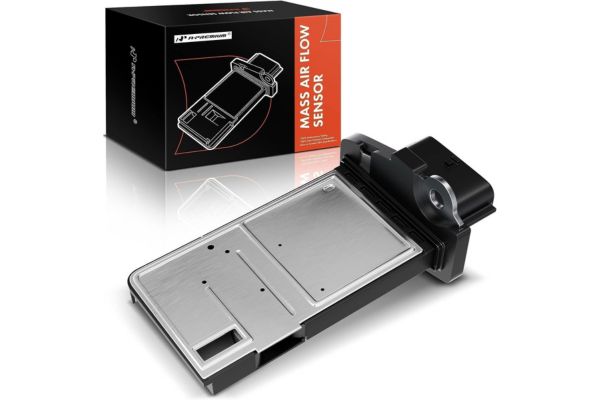
The A-Premium 22680-7S000 Mass Air Flow Sensor is my budget-friendly recommendation for owners of compatible Nissan, Infiniti, Suzuki, and Chevrolet vehicles. It offers broad vehicle coverage and a direct-replacement design without the higher cost commonly associated with genuine OEM sensors.
This is a 5-pin MAF sensor designed to measure the volume of air entering the engine and send that information to the ECU. When it works correctly, the ECU can adjust fuel delivery more accurately, which may help restore stable idling, smoother acceleration, proper combustion, and normal fuel economy after a faulty sensor has been diagnosed.
One of this sensor’s main advantages is its extensive compatibility. Depending on the model year and engine configuration, it fits selected Nissan Altima, Armada, Frontier, Maxima, Murano, Pathfinder, Rogue, Sentra, Titan, Versa, and Xterra models. It is also listed for various Infiniti vehicles, including the EX35, FX35, FX37, G35, G37, M35, M37, Q50, Q60, and Q70. The manufacturer lists compatibility with approximately 60 vehicle applications, but fitment still needs to be confirmed carefully.
The sensor cross-references several commonly used numbers, including 22680-7S000, 22680-7S00A, 22680-7S00B, AF10141, MAF0031, and AFH70M-38. I recommend matching one of these numbers with the original unit and confirming the connector shape, pin count, engine size, and VIN before ordering.
Installation should be manageable for someone with basic mechanical experience. However, I would inspect the air filter, intake hose, wiring, and electrical connector first, because an air leak or wiring fault can produce symptoms similar to a failed MAF sensor.
Pros
- Affordable alternative to an OEM sensor
- Five-pin direct-replacement configuration
- Broad Nissan and Infiniti compatibility
- Supports multiple OE interchange numbers
- Suitable for basic DIY installation
Cons
- Not a genuine Nissan or Infiniti component
- Calibration may not match OEM consistency
- Exact fitment varies by engine and model year
- Diagnosis should be confirmed before replacement
My Verdict
The A-Premium 22680-7S000 Mass Air Flow Sensor is a practical choice for budget-conscious buyers who need a compatible five-pin replacement. I consider it most suitable for drivers who carefully verify the OE number and want better brand support than many unrecognized generic alternatives.
4. OYEAUTO Mass Air Flow Sensor – Best Value for Nissan and Infiniti
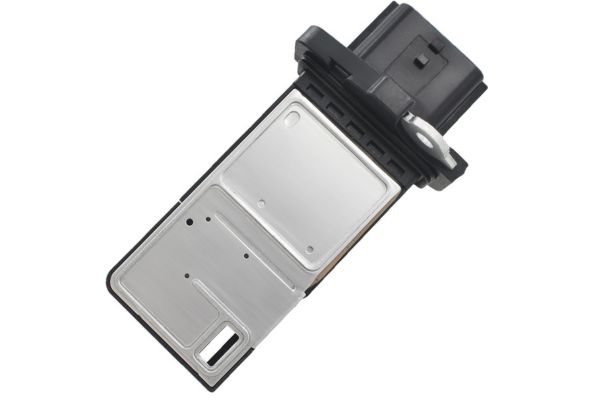
The OYEAUTO 22680-7S000 Mass Air Flow Sensor is my value-focused choice for drivers who need an affordable replacement for a compatible Nissan or Infiniti. It covers a wide range of popular models and combines a direct-fit design with useful warranty coverage, making it more appealing than many completely unknown generic sensors.
This sensor measures the volume of air entering the engine and sends an electrical signal to the ECU. The listing claims a response time of 15 milliseconds, output-curve tolerance below 2%, and computer testing intended to provide stable airflow readings. It operates on a 12-volt system and uses a flange-mount design.
Compatibility includes selected Nissan Altima, Sentra, 350Z, 370Z, Frontier, Titan, Murano, Pathfinder, Maxima, Rogue, Versa, and Xterra models, along with several Infiniti applications. Its listed interchange numbers include 22680-7S000, 22680-7S00A, AF10141, MAF0031, DL-3002, and AFH70M-38. I recommend matching these numbers with the original sensor and checking the engine size, connector, and VIN before ordering.
Installation should be fairly simple when fitment is correct. The manufacturer advises cleaning the air box and replacing a dirty air filter before installing the sensor. I also suggest inspecting the intake hose for cracks because unmetered air can produce rough idling, hesitation, and lean-condition trouble codes even when the MAF sensor is functioning correctly.
Pros
- Affordable direct-replacement option
- Broad Nissan and Infiniti compatibility
- Fast claimed response time
- Multiple OE interchange numbers
- Twelve-month manufacturer warranty
- Simple flange-mount installation
Cons
- Not a genuine Nissan or Infiniti part
- Fitment varies significantly by engine and year
- Long-term calibration may not equal an OE sensor
- Intake or wiring problems can be mistaken for sensor failure
My Verdict
The OYEAUTO 22680-7S000 Mass Air Flow Sensor is a sensible value option for compatible vehicles. I recommend it to budget-conscious buyers who confirm the OE number carefully and want an aftermarket sensor with broader fitment and warranty support.
5. YZHIDIANF Upgraded Mass Airflow Sensor – Best for Extended Vehicle Coverage
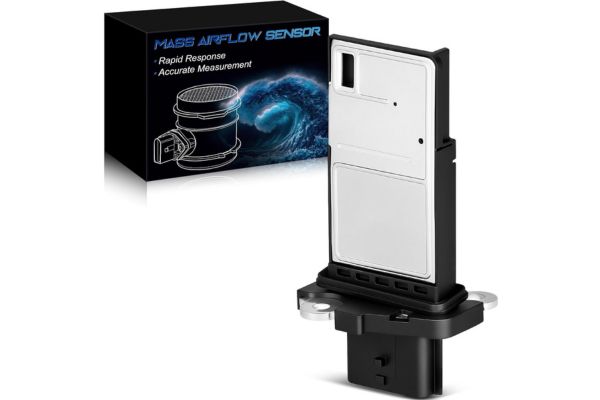
The YZHIDIANF 22680-7S000 Upgraded Mass Airflow Sensor stands out to me because of its exceptionally broad fitment range. It is intended for numerous Nissan, Infiniti, and Suzuki vehicles, making it a convenient option for buyers who want one aftermarket sensor family that covers many engines and model years.
Compatible applications include selected Nissan 350Z, 370Z, Altima, Armada, Cube, Frontier, GT-R, Maxima, Murano, NV vans, Pathfinder, Quest, Rogue, Sentra, Titan, Versa, and Xterra models. It is also listed for Infiniti vehicles such as the EX35, FX35, G35, G37, M35, Q50, Q60, Q70, QX56, and QX80, along with certain Suzuki Equator and Grand Vitara models. However, this wide coverage makes careful fitment confirmation especially important.
The unit uses a 12-volt electrical supply, flange mounting, and a plastic sensor body. YZHIDIANF markets it as a direct replacement made through precision manufacturing and multiple quality-control checks. The listing also includes a two-year factory warranty, which is longer than the coverage supplied with many similarly priced aftermarket MAF sensors.
I would not rely on the vehicle name alone when buying this part. Two versions of the same Nissan or Infiniti model may use different MAF sensors depending on engine displacement, production year, and ECU calibration. The safest approach is to compare the original part number, connector shape, pin layout, and VIN.
Before installation, I recommend checking the air filter, intake tube, electrical wiring, and connector terminals. A cracked intake hose or loose connector may cause poor acceleration and unstable idle even after a new sensor is fitted.
Pros
- Very broad Nissan and Infiniti fitment
- Also supports selected Suzuki applications
- Direct-replacement flange design
- Two-year factory warranty
- Suitable for numerous engine configurations
Cons
- Broad compatibility increases the risk of ordering incorrectly
- Not an OEM component
- “Upgraded” does not guarantee OE-level calibration
- Requires careful part-number and connector verification
My Verdict
The YZHIDIANF 22680-7S000 is my preferred option for buyers who value broad compatibility and longer warranty coverage. It can be a worthwhile replacement, provided the original OE number and vehicle configuration match exactly.
6. GM Genuine Parts Mass Airflow Sensor – Best OE Sensor with Integrated Air Temperature Measurement
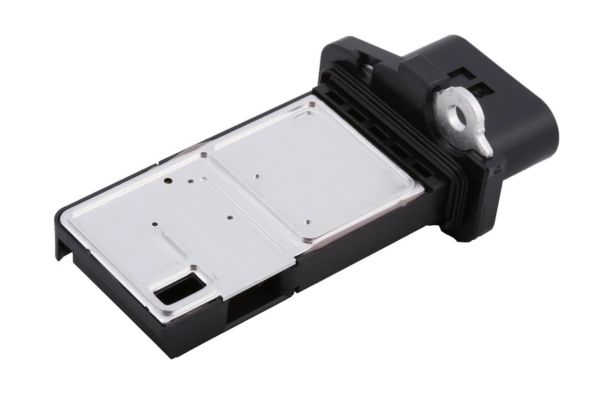
The GM Genuine Parts 213-4222 Mass Airflow Sensor is my premium recommendation for compatible GM vehicles that require part number 213-4222 or 15865791. Unlike many basic aftermarket replacements, this unit incorporates an intake air temperature sensor, allowing it to provide the engine control module with both airflow and temperature-related information.
The MAF portion measures how much air enters the engine, while the integrated temperature-sensing function helps the ECU account for changes in air density. The module can then determine how much fuel to inject to maintain an efficient air-fuel mixture. GM describes this part as its recommended replacement for the original factory component and states that it is manufactured to GM OE specifications for fit, form, and function.
This sensor uses a flange-mount configuration and operates on a 12-volt electrical system. Its housing combines metal and plastic, and the listed dimensions are approximately 4.2 by 2.3 by 1.3 inches. The product information identifies ACDelco as the manufacturer and lists a 24-month, unlimited-mile limited parts warranty for qualifying purchases.
The main advantage of choosing this sensor is calibration confidence. A genuine GM component is generally the safer choice when the vehicle’s ECU is sensitive to variations in aftermarket MAF output. However, I still recommend confirming the existing part number and VIN because not every GM engine uses the same airflow sensor.
Installation should be straightforward for a matching application, but the intake system should be inspected first. Vacuum leaks, wiring damage, or a contaminated connector can continue causing trouble codes after replacement.
Pros
- Genuine GM original-equipment replacement
- Integrated intake air temperature sensor
- Manufactured for OE fit, form, and function
- Strong choice for calibration-sensitive GM vehicles
- 24-month limited parts warranty
Cons
- Usually costs more than generic alternatives
- Limited to specific GM applications
- Exact part-number matching is essential
- Labor costs are generally not covered
My Verdict
The GM Genuine Parts 213-4222 Mass Airflow Sensor is my preferred choice when a compatible GM vehicle requires factory-style calibration and an integrated air temperature sensor. It costs more, but the OE design and fitment confidence can justify the difference.
7. RLP MAF0012 Mass Air Flow Sensor – Best Budget Option for Ford Vehicles
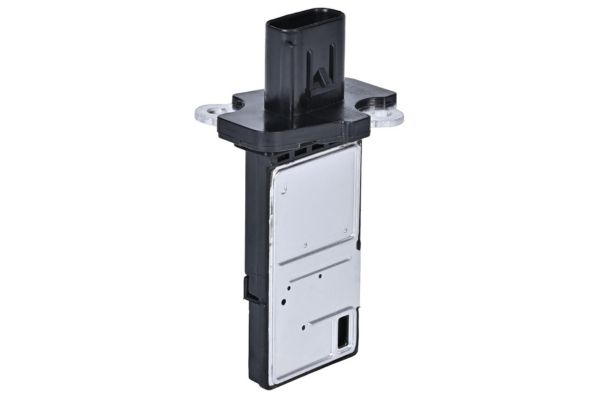
The RLP MAF0012 Mass Air Flow Sensor is my budget-friendly recommendation for selected Ford, Lincoln, and Mercury vehicles. It is designed as a direct replacement for applications that use OE number 3L3Z-12B579-BA, giving owners an affordable alternative to purchasing a factory-branded sensor.
This sensor measures both the mass of air consumed by the engine and the temperature of the incoming air. The manufacturer states that each unit is calibrated twice before packaging to help produce a stable output signal. Its internal chips also undergo a high-temperature aging test intended to reduce the risk of premature electronic failure.
The RLP sensor uses a six-terminal pin connector, a flange-mount design, and a combination of metal and plastic materials. Its listed interchange numbers include 3L3Z-12B579-BA, MAF0012, 245-1108, AF10140, MAS0140, and AFLS131. It is marketed for selected Ford Escape, Expedition, Explorer, F-150, F-250, and F-350 models, as well as compatible Lincoln and Mercury vehicles.
I recommend comparing the original sensor’s number and connector with this replacement before ordering. Similar Ford models may use different sensors depending on the engine, production year, or trim. The product includes a 12-month replacement-or-refund warranty, which adds some reassurance for a lower-priced aftermarket component.
Before installation, I would inspect the intake hose, air filter, wiring, and connector terminals. A cracked hose or electrical fault can create rough idling and hesitation even when the sensor itself is not defective.
Pros
- Affordable replacement for selected Ford-family vehicles
- Measures airflow and intake-air temperature
- Double-calibrated before packaging
- Six-pin direct-fit configuration
- Supports several interchange numbers
- Includes a 12-month warranty
Cons
- Not an original Ford component
- Compatibility varies by engine and model year
- Long-term accuracy may not match an OE sensor
- Proper diagnosis is necessary before replacement
My Verdict
The RLP MAF0012 Mass Air Flow Sensor is a reasonable choice for budget-conscious Ford, Lincoln, and Mercury owners. I consider it most suitable for buyers who verify the six-pin connector and OE number before ordering.
8. zipelo Mass Air Flow Meter Sensor – Best Low-Cost Nissan Replacement
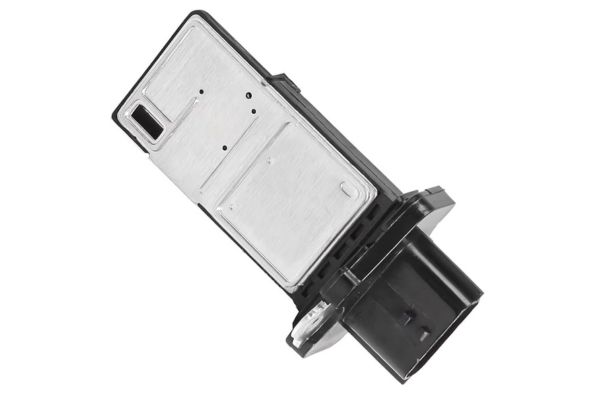
The zipelo 22680-7S00A Mass Air Flow Meter Sensor is one of the most affordable options in my selection. It is intended for drivers who need a basic replacement for a compatible Nissan or Suzuki but do not want to pay the higher cost of an OEM sensor.
The sensor is made from aluminum and plastic and uses a compact plug-mount design with a digital output. Its main reference number is 22680-7S00A, so I strongly recommend checking the number printed on the original sensor before purchasing it. A similar-looking component may not provide the correct signal for a different ECU calibration.
Its listed Nissan applications include selected 350Z, 370Z, Altima, Armada, Cube, Frontier, GT-R, Maxima, Murano, Pathfinder, Quest, Rogue, Sentra, Titan, Versa, Xterra, and NV-series vehicles. It is also listed for certain Suzuki Equator and Grand Vitara models. Compatibility covers several engine sizes, so the year and model alone are not enough to confirm fitment.
The manufacturer recommends cleaning the air box and replacing a dirty air filter during installation. I agree with this step because dust, oil residue, and intake contamination can affect the sensing element and shorten the service life of a new MAF sensor. The listing also suggests disconnecting the battery to clear stored fault information, although I prefer using an OBD-II scanner when available so codes can be read and cleared properly.
Because zipelo is a lesser-known aftermarket brand, I would choose this model mainly when price is the priority. Buyers seeking factory-level calibration may feel more comfortable with Hitachi, Bosch, Delphi, or a genuine manufacturer replacement.
Pros
- One of the lowest-cost options reviewed
- Broad Nissan vehicle coverage
- Aluminum and plastic construction
- Lightweight and compact design
- Straightforward replacement process
- Uses the common 22680-7S00A reference number
Cons
- Lesser-known aftermarket manufacturer
- Limited verified warranty information
- May not provide OEM-level calibration consistency
- Broad fitment list requires careful verification
My Verdict
The zipelo 22680-7S00A is my choice for buyers who need a simple, inexpensive replacement and have confirmed the exact part number. I would not select it over an OE supplier when long-term calibration is the main priority.
9. Bosch Original Equipment MAF Sensor – Best for Mercedes-Benz
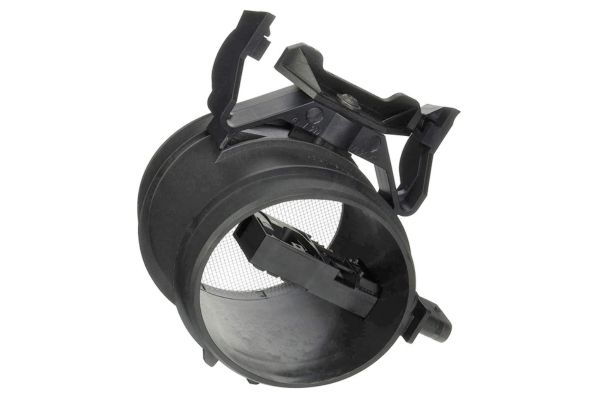
The Bosch 0280218190 Original Equipment MAF Sensor is my top recommendation for compatible Mercedes-Benz vehicles. Bosch is a major original-equipment supplier, and this model is built around vehicle-specific function and calibration rather than a one-size-fits-all aftermarket design.
Bosch states that its MAF sensors are designed to support efficient fuel delivery, engine performance, and lower harmful emissions. The 0280218190 uses OE-style connector ports and attachment points, helping it fit the intended intake assembly without modifications. It is also sold as a completely new component rather than a rebuilt or remanufactured sensor.
This model is compatible with selected Mercedes-Benz C-Class, CL, CLK, CLS, E-Class, G-Class, GL, GLK, ML, R-Class, S-Class, SL, and SLK vehicles. Listed applications include various C230, C250, C280, C300, C350, E350, E550, GL450, GL550, ML350, S550, and SLK350 models. Exact fitment depends on the model year, engine, and vehicle configuration.
The sensor uses a flange-mount design, a plastic housing, and an analog-voltage output. Its main advantage is correct calibration for the intended Mercedes engine-management system. An inaccurately calibrated generic sensor may physically fit but still cause incorrect fuel trims, hesitation, or recurring diagnostic codes.
I would verify both Bosch number 0280218190 and the corresponding Mercedes OE number before ordering. Buyers should also examine the intake seals and housing because an air leak after the sensor can interfere with readings from even a high-quality replacement.
Pros
- Manufactured by a leading OE sensor supplier
- Vehicle-specific calibration
- New rather than remanufactured
- OE-style connector and mounting points
- Wide Mercedes-Benz model coverage
- Strong option for emissions and fuel-management accuracy
Cons
- More expensive than generic alternatives
- Intended mainly for specific Mercedes applications
- Similar Mercedes models may use different Bosch sensors
- Installation may require inspecting or replacing intake seals
My Verdict
The Bosch 0280218190 is my preferred MAF sensor for compatible Mercedes-Benz vehicles. Its OE technology, accurate calibration, and direct-fit construction make it worth considering when dependable engine-management performance matters more than the lowest purchase price.
10. RLP Mass Air Flow Sensor – Best Affordable Five-Pin Replacement
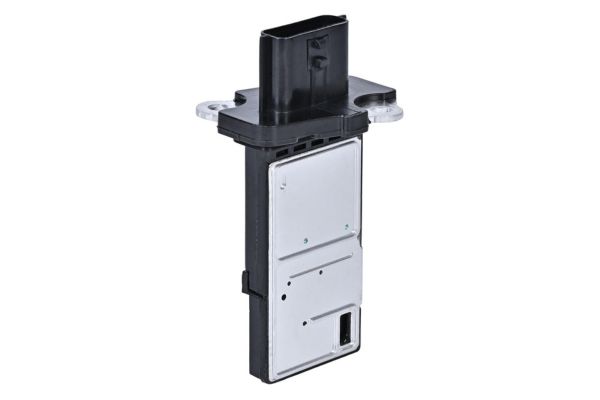
The RLP 22680-7S00A Mass Air Flow Sensor is another affordable option for owners of compatible Nissan, Infiniti, and Suzuki vehicles. I selected it for buyers who need a five-pin replacement with broad fitment coverage, multiple interchange numbers, and basic warranty protection without paying the price of an OE-branded sensor.
This sensor is designed to measure the mass and characteristics of the air entering the engine. According to the manufacturer, it uses precision sensing elements and undergoes multiple inspections and airflow tests before being packaged. Accurate airflow information allows the ECU to calculate fuel delivery and maintain the correct air-fuel ratio across different operating temperatures.
The unit has a female connector, five male pin terminals, two mounting holes, and a bolt-on design. Housing is not included, so the existing airflow tube or housing must be reused. Its listed replacement numbers include 22680-7S000, 22680-CA000, 22680-7S00A, 13800-50Z00, AF10141, MAF0031, 245-1117, and 917-857.
Fitment includes selected Nissan 350Z, 370Z, Altima, Armada, Frontier, Maxima, Murano, Pathfinder, Rogue, Sentra, Titan, Versa, Xterra, and NV-series vehicles. It is also listed for numerous Infiniti models, including the EX35, FX35, G35, G37, M35, Q50, Q60, Q70, QX56, and QX80. Because the fitment list covers several engines and production years, I strongly recommend checking the OE number, engine displacement, connector, and VIN before ordering.
The manufacturer provides a 12-month replacement-or-refund warranty. Before installation, I would clean the air box, inspect the intake hose, and replace a contaminated air filter to protect the new sensing element.
Pros
- Affordable five-pin replacement
- Extensive Nissan and Infiniti compatibility
- Supports multiple OE reference numbers
- Bolt-on sensor-only design
- Multiple airflow inspections claimed
- Includes a 12-month warranty
Cons
- Not an original Nissan or Infiniti sensor
- Existing housing must be reused
- Wide fitment range requires careful verification
- Calibration consistency may not equal an OE supplier
My Verdict
The RLP 22680-7S00A Mass Air Flow Sensor is a practical option when cost is important and the vehicle requires one of its listed five-pin part numbers. I would consider it for a budget repair, but I would verify fitment carefully before purchasing.
11. Hitachi Mass Air Flow Sensor – Best OE-Style Choice for Compatible GM Vehicles
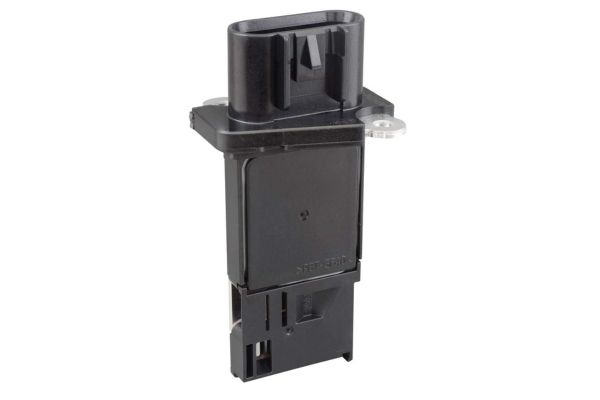
The Hitachi MAF0034 Mass Air Flow Sensor is my preferred OE-style option for many compatible General Motors vehicles. It is more expensive than a generic replacement, but its precision construction, application-specific calibration, and contaminant-management design make it better suited to buyers who prioritize dependable airflow readings.
Hitachi describes the MAF0034 as a new original-equipment part designed to restore the vehicle’s original drivability characteristics. It uses precision-manufactured sensing elements and is built to meet the OE performance and durability standards of its intended applications. A built-in contaminant bypass port helps limit exposure to debris and may improve long-term reliability.
This sensor has a plastic body measuring approximately 1.52 x 1.83 x 3.66 inches and weighs about 2.4 ounces. It is a sensor-only replacement with five blade terminals and does not include the complete airflow housing. Cross-reference numbers include 12576410, 15865791, AF10142, MAS0141, MA1021, and 245-1103.
Listed applications include selected Chevrolet Camaro, Cobalt, Colorado, Corvette, Equinox, HHR, Impala, Malibu, Spark, and Trailblazer models. It also fits certain Buick, Cadillac, GMC, Hummer, Isuzu, Pontiac, Saab, and Saturn vehicles. However, fitment varies by model year and engine, so I would compare the original part number or use the VIN rather than relying only on the vehicle name.
The product includes a one-year manufacturer limited warranty. Installation should be manageable when the existing housing and connector are undamaged, but the air filter and intake system should be inspected before fitting the new sensor.
Pros
- New OE-style component
- Precision-manufactured sensing elements
- Built-in contaminant bypass port
- Five-terminal sensor-only design
- Fits numerous compatible GM applications
- One-year manufacturer limited warranty
Cons
- Costs more than generic sensors
- Complete housing is not included
- Similar GM models may use different calibrations
- Exact engine and part-number matching is required
My Verdict
The Hitachi MAF0034 is one of my stronger recommendations for compatible GM vehicles. Its OE-focused design, contamination protection, and sensing accuracy make it a sensible choice for buyers who prefer reliability over the lowest upfront cost.
12. A-Premium Four-Pin Mass Air Flow Sensor – Best for Newer Nissan and Infiniti Models
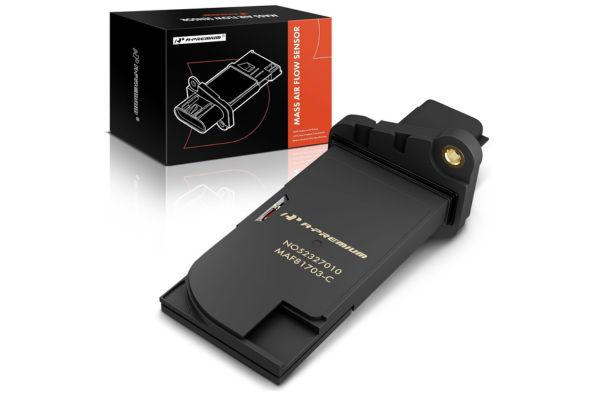
The A-Premium Four-Pin Mass Air Flow Sensor is my budget recommendation for selected newer Nissan and Infiniti vehicles. Unlike the five-pin sensors reviewed earlier, this model uses a four-pin connector and is intended for a different group of engines and production years.
It has four pin terminals, two bolt holes, and a sensor-only configuration without the airflow housing. The unit is manufactured from PBT reinforced plastic and aluminum alloy. Its listed measuring range is 0 to 480 kilograms per hour, with a claimed measurement accuracy of ±2% and a maximum supply voltage of 5.5 volts.
Reference numbers include 22680-5RB0A, 22680-BV80B, MAS0457, AF10539, and 1581703. I would compare these numbers with the original component before ordering because it will not replace the more common five-pin 22680-7S000 sensor used by many earlier Nissan and Infiniti vehicles.
Compatibility includes selected Nissan Altima, Juke, Kicks, Maxima, Murano, Pathfinder, Rogue, Rogue Sport, Sentra, Versa, and Versa Note models. It is also listed for the 2017–2020 Infiniti QX60 with the 3.5-liter V6. Some applications depend on the production month, trim, or country of manufacture, which makes careful fitment checking particularly important.
I recommend inspecting the connector before purchasing. A four-pin and five-pin MAF sensor may look similar in online photos, but they are not interchangeable. During installation, I would also inspect the intake boot, air-filter housing, connector terminals, and wiring for damage.
Pros
- Designed for several newer Nissan models
- Compatible with selected Infiniti QX60 vehicles
- Four-pin direct-replacement design
- PBT plastic and aluminum-alloy construction
- Wide airflow measuring range
- Affordable compared with many OE sensors
Cons
- Sensor housing is not included
- Does not replace five-pin Nissan sensors
- Some applications depend on production date
- Claimed accuracy may not equal OE calibration consistency
My Verdict
The A-Premium Four-Pin Mass Air Flow Sensor is a reasonable value choice for compatible newer Nissan and Infiniti vehicles. I recommend it only after confirming the four-pin connector, reference number, engine, and production date.
13. Hitachi Mass Air Flow Sensor – Best for Compatible Honda and Acura Vehicles
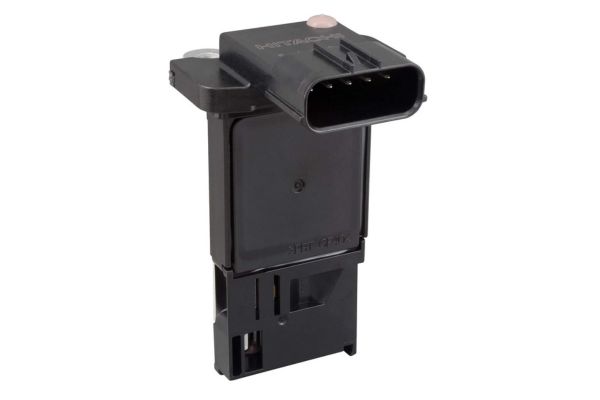
The Hitachi MAF0033 Mass Air Flow Sensor is my recommended premium replacement for selected Honda and Acura vehicles. It offers OE-style fitment and application-specific engineering, making it a more reassuring option than generic sensors that may physically fit but provide an incorrect signal.
The MAF0033 is designed to meet or exceed original-equipment specifications for fit, function, and reliability. Hitachi states that the sensor undergoes rigorous testing and uses precision-manufactured components intended to deliver dependable operation and restore original drivability characteristics. Its direct-fit construction is designed to reduce installation time when used in the correct application.
This model has a metal body, flange mounting, and approximate dimensions of 2.05 x 1.8 x 3.24 inches. It is sold as a sensor-only component rather than a complete airflow housing. The MAF0033 is associated with OE number 37980-RAD-L11 and other related Honda and Acura interchange references.
Fitment includes selected Honda Accord, Civic, CR-V, Odyssey, Pilot, and other applications, along with compatible Acura ILX, MDX, RDX, RL, and TL models. The exact coverage depends on engine size and production year. For example, applications may include both four-cylinder and V6 engines, so I would use the VIN and original sensor number to avoid choosing the wrong calibration.
The product carries a one-year manufacturer limited warranty. Before replacement, I would check for intake leaks and wiring issues because these can create hesitation, rough idle, and airflow-related trouble codes that resemble sensor failure.
Pros
- OE-style replacement for Honda and Acura applications
- Precision-manufactured sensing components
- Direct-fit flange mounting
- Metal construction
- Application-specific calibration
- One-year manufacturer limited warranty
Cons
- More expensive than generic Honda sensors
- Housing is not included
- Fitment differs across engines and model years
- Incorrect diagnosis may lead to unnecessary replacement
My Verdict
The Hitachi MAF0033 is my preferred choice for compatible Honda and Acura vehicles when accurate calibration and OE-style quality matter. It is particularly suitable for buyers who want a recognized sensor manufacturer rather than an unfamiliar budget brand.
14. Delphi Mass Air Flow Sensor – Best Complete Assembly for Older GM Trucks
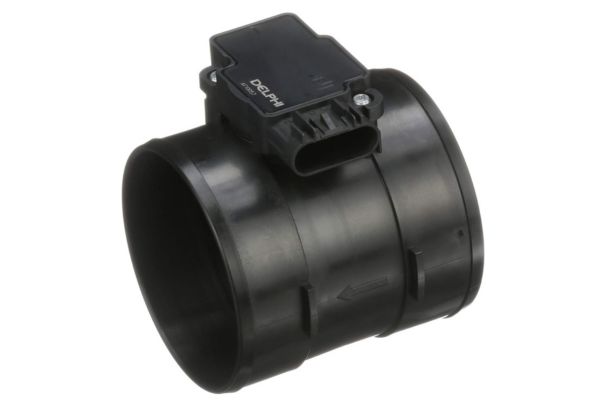
The Delphi AF10057 Mass Air Flow Sensor is my recommendation for compatible older Chevrolet, GMC, and Cadillac trucks and SUVs. It differs from many sensor-only products because it is supplied as a complete airflow assembly and includes a jumper harness and installation instructions.
Delphi states that its MAF sensors are calibrated and tested to match the original-equipment part. The AF10057 uses high-quality sensing elements intended to provide accurate readings across a broad range of ambient temperatures while minimizing signal noise. Its construction includes metal, ceramic, and silicon components with a flange-mount configuration.
This model has five male blade terminals and includes both the housing and wiring harness. Supplying the complete assembly can be useful when the old airflow tube, connector, or housing is also damaged. The listed interchange numbers include 74-8308, 86-8308, 213-4581, 19332973, MA101, MF8308, and SU1102.
Fitment is primarily associated with selected 1990s and early-2000s GM vehicles, particularly applications using the 5.7-liter Vortec V8. Listed vehicles include certain Chevrolet C/K-series trucks, Express vans, Suburban, Tahoe, and P30 models, along with compatible GMC C/K trucks, Savana, Suburban, and Yukon vehicles. The Cadillac Escalade is included in certain applications.
I would verify the year, engine, connector, and OE number carefully because newer GM vehicles use substantially different MAF sensor designs. Buyers should also note that Delphi’s standard limited warranty may not apply to products bought through Amazon; warranty responsibility may rest with the individual seller.
Pros
- Complete airflow housing included
- Jumper wiring harness supplied
- Five-blade electrical connection
- Calibrated and tested for OE-style performance
- Strong fitment for older 5.7-liter GM applications
- Established engine-management brand
Cons
- Costs considerably more than sensor-only options
- Intended mainly for older GM vehicles
- Amazon warranty depends on the seller
- Complete assembly may be unnecessary if only the probe failed
My Verdict
The Delphi AF10057 is my top complete-assembly choice for compatible older GM trucks and SUVs. It is especially useful when the original housing or connector needs replacement along with the sensing element.
15. Hitachi Mass Air Flow Sensor – Best for Compatible Toyota and Lexus Vehicles
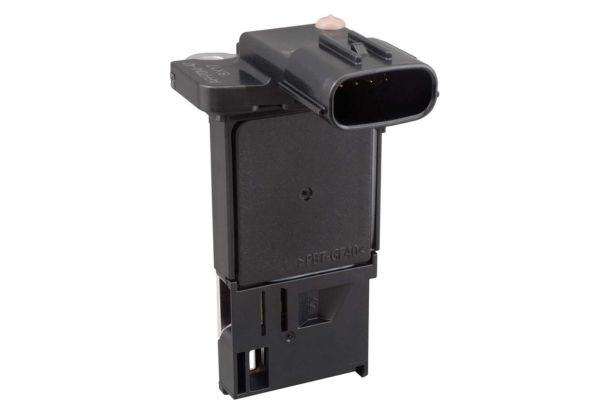
The Hitachi MAF0035 Mass Air Flow Sensor is my final recommendation and a strong OE-style option for selected Toyota and Lexus vehicles. It is designed for applications that use Toyota reference number 22204-0F030, making it important to match the original part number before ordering.
Hitachi describes this model as a new original-equipment component built to restore the vehicle’s original drivability. It uses precision-manufactured sensing elements for accurate airflow measurement and incorporates a contaminant bypass port intended to improve reliability and longevity. The Amazon listing also states a measurement accuracy of ±1%.
The sensor has a metal construction and weighs approximately 0.24 pounds. It uses five blade terminals and is sold without the complete airflow housing. Hitachi’s manufacturing process emphasizes premium raw materials, welded rather than soldered connections, application-specific calibration, and testing under conditions beyond normal operation.
Compatibility includes selected Toyota 4Runner, Corolla, Land Cruiser, Prius, Sequoia, Tacoma, and Tundra models, along with certain Lexus GX and LX applications. Some commercial Isuzu, Chevrolet, and GMC vehicles may also use the same sensor reference. Because the coverage spans several four-, six-, and eight-cylinder engines, the OE number and connector should be checked rather than relying only on the vehicle model.
The MAF0035 includes a one-year manufacturer limited warranty. For installation, I recommend using dedicated MAF cleaner only if the housing needs cleaning and avoiding contact with the sensitive element.
Pros
- OE-style replacement for Toyota and Lexus
- Claimed ±1% measurement accuracy
- Five-blade sensor configuration
- Built-in contaminant bypass port
- Welded internal connections
- One-year manufacturer limited warranty
Cons
- Complete airflow housing is not included
- Higher price than generic Toyota sensors
- Broad vehicle coverage requires OE-number verification
- Sensitive sensing element must be handled carefully
My Verdict
The Hitachi MAF0035 is my preferred option for compatible Toyota and Lexus vehicles. Its application-specific design, claimed airflow accuracy, and contaminant-resistant construction make it a strong final choice for buyers who want OE-style performance and dependable build quality.
How I Evaluated the Best MAF Sensors
I did not select these mass air flow sensors based only on price, popularity, or star ratings. A MAF sensor is a sensitive engine-management component, so compatibility, calibration, construction quality, and brand reliability matter more than a long list of marketing claims.
I compared each product using the following factors:
Vehicle Compatibility
A MAF sensor must match the vehicle’s year, make, model, engine, electrical connector, and ECU calibration. I gave greater consideration to products with clearly listed compatible vehicles and OE interchange numbers.
Brand Reputation
Established manufacturers such as Delphi, Bosch, Hitachi, and GM Genuine Parts have experience producing engine-management components. I also included affordable aftermarket brands for buyers who need a lower-cost option, but I considered the potential differences in calibration consistency and long-term reliability.
OE and Interchange Numbers
Matching the original-equipment number is one of the safest ways to identify the correct sensor. I examined listed reference numbers such as 22680-7S000, 22680-7S00A, 3L3Z-12B579-BA, 23262343, AF10141, and MAF0031.
Connector Configuration
Some sensors use four pins, while others use five or six. Even when two sensors look almost identical, differences in the connector, terminal count, output signal, or pin arrangement can make them incompatible.
Sensor Design
I considered whether each product included only the sensing element or came with the complete airflow housing. A sensor-only replacement may be more affordable, while a complete assembly can be helpful when the original housing is cracked, contaminated, or damaged.
Calibration and Signal Stability
The best MAF sensor should deliver stable airflow data to the ECU under different engine speeds and temperatures. Incorrect calibration can result in inaccurate fuel trims, rough idling, hesitation, reduced power, poor fuel economy, or recurring trouble codes.
Installation Requirements
I looked for direct-fit sensors that can be installed without cutting wires, modifying the intake system, or using adapters. However, installation difficulty can still vary depending on the sensor location and vehicle design.
Warranty and Overall Value
A longer warranty does not automatically mean a sensor is better, but it can provide useful protection. I compared warranty information alongside brand quality, price category, fitment range, and expected reliability.
How to Choose the Best MAF Sensor
Finding a sensor that physically fits is not enough. The component must also communicate correctly with the engine control unit. The following factors can help you choose the right replacement and avoid ordering an incompatible or poorly calibrated product.
Confirm Your Vehicle Compatibility
The first step is confirming that the sensor is designed for your specific vehicle. Check the following information:
- Vehicle year
- Manufacturer
- Model
- Trim level
- Engine displacement
- Fuel type
- Production date
- Vehicle identification number
- Original sensor part number
Two vehicles with the same model name may use different MAF sensors. For example, a vehicle offered with both four-cylinder and V6 engines may require different connectors, airflow ranges, or ECU calibrations.
Model-year information can also be misleading when a manufacturer changes the engine or intake system during the middle of a production cycle. For this reason, I prefer verifying the VIN and the number printed on the original sensor.
When purchasing online, the vehicle fitment checker can be useful, but I would not depend on it alone. I recommend comparing the product photos, connector shape, mounting holes, and OE reference number before placing an order.
Match the OEM Part Number
The OEM or OE part number is one of the most important details when choosing a replacement mass air flow sensor.
You may find the number:
- Printed on the original sensor
- Molded into the plastic housing
- Listed in the vehicle service manual
- Available through a dealership parts department
- Included in an online parts catalog
- Found through a VIN-based lookup
Common terminology includes:
- OE number
- OEM number
- Interchange number
- Cross-reference number
- Replacement number
- Manufacturer part number
A single aftermarket sensor may replace several OE numbers. However, the presence of one matching number does not always guarantee compatibility if the vehicle has a different engine or production date.
I suggest cleaning the label carefully and taking a clear photo of the existing sensor before removing it. This makes it easier to compare the part number and connector with the replacement product.
Check the Connector and Pin Count
A MAF sensor communicates with the ECU through an electrical connector. Depending on the vehicle, it may use four, five, six, or another number of terminals.
The connector may carry signals for:
- Electrical power
- Ground
- Airflow output
- Intake air temperature
- Signal reference voltage
- Diagnostic or secondary functions
Some MAF sensors include an integrated intake air temperature sensor, which may require additional terminals. This is one reason a four-pin sensor cannot automatically replace a five-pin unit, even if the mounting shape looks similar.
Before purchasing, compare:
- Number of pins
- Connector shape
- Locking tab location
- Male or female terminal style
- Mounting-hole position
- Sensor orientation
Never force an incompatible connector into place. Bent pins, damaged terminals, or an incorrect wiring connection can create additional engine-management problems.
OEM vs Aftermarket MAF Sensors
Both OEM and aftermarket sensors can be suitable, but they serve different priorities.
Advantages of an OEM MAF Sensor
An OEM or genuine replacement is manufactured for the original vehicle application. Its main advantages may include:
- Vehicle-specific calibration
- Consistent signal output
- Factory-style fitment
- Correct connector and mounting points
- Strong ECU compatibility
- Established quality-control standards
An OEM sensor is often the safer option for vehicles that are highly sensitive to airflow readings. It may also reduce the likelihood of recurring trouble codes caused by incorrect aftermarket calibration.
Disadvantages of an OEM MAF Sensor
The main disadvantage is usually price. Genuine sensors can cost significantly more than aftermarket alternatives. They may also be harder to find for older or discontinued vehicles.
Advantages of an Aftermarket MAF Sensor
Aftermarket options may provide:
- Lower purchase cost
- Wider availability
- Multiple warranty choices
- More options for older vehicles
- Sensor-only and complete-housing configurations
A reputable aftermarket sensor can offer good value when it is correctly calibrated and matched to the vehicle.
Disadvantages of an Aftermarket MAF Sensor
Quality can vary widely between manufacturers. Potential concerns include:
- Inconsistent calibration
- Incorrect airflow output
- Lower-quality sensing elements
- Weak connector construction
- Shorter operating life
- Recurring check engine lights
- Poor idle or acceleration after installation
I would choose an established OE supplier when reliability is the main priority. A budget aftermarket sensor may still be suitable when the vehicle is older, the repair budget is limited, or the product has clearly verified fitment and reasonable warranty coverage.
Sensor-Only vs Complete Housing Assembly
MAF sensors are commonly sold in two configurations.
Sensor-Only Replacement
A sensor-only product includes the electronic probe but not the full airflow tube or housing.
Benefits include:
- Lower purchase price
- Smaller package
- Easier replacement when the original housing is undamaged
- Less intake-system disassembly
Possible disadvantages include:
- Existing housing must be reused
- Old seals or mounting surfaces may leak
- Damaged screws can complicate installation
- Contamination inside the housing may remain
Complete Housing Assembly
A complete assembly includes the airflow tube, sensor, and sometimes wiring or seals.
Benefits may include:
- New airflow housing
- Reduced risk from cracks or warping
- Easier replacement of damaged mounting points
- Better choice when the original assembly is heavily contaminated
The main disadvantages are higher cost and a larger installation area. A complete assembly may also be unnecessary when only the sensor element has failed.
I would inspect the original housing before deciding. If it is cracked, distorted, corroded, or damaged around the mounting area, a complete assembly may be the better investment.
Calibration and Signal Accuracy
A mass air flow sensor does more than detect that air is moving. It must accurately measure the amount or mass of incoming air and produce a signal that the ECU can interpret.
The ECU may use this information to control:
- Fuel injection
- Ignition timing
- Air-fuel ratio
- Idle behavior
- Acceleration response
- Emissions systems
- Transmission behavior in some vehicles
A poorly calibrated sensor may send a signal that is consistently too high or too low.
When airflow is overreported, the ECU may add too much fuel, potentially creating a rich mixture. Symptoms may include black exhaust smoke, poor fuel economy, fouled spark plugs, or sluggish performance.
When airflow is underreported, the ECU may not provide enough fuel, potentially creating a lean mixture. Symptoms may include hesitation, surging, misfires, difficult starting, or reduced power.
A quality sensor should provide stable readings across:
- Cold starts
- Normal operating temperature
- Idle
- Part-throttle driving
- Rapid acceleration
- High engine load
Calibration is one reason I do not recommend choosing a sensor based only on appearance or connector fit.
Build Quality and Contamination Resistance
The sensing element inside a MAF sensor is delicate. Depending on the design, it may use a hot wire, hot film, or another electronic measuring method.
Common causes of contamination include:
- Dust passing through a damaged air filter
- Oil from an over-oiled reusable filter
- Road debris
- Moisture
- Intake-system residue
- Engine oil vapor
- Incorrect cleaning chemicals
A quality sensor should have durable electrical connections, a secure connector, and a housing that fits tightly without creating intake leaks. Some products include bypass channels or protective designs intended to reduce direct contamination.
The condition of the engine air filter is equally important. Installing a new MAF sensor without replacing a heavily contaminated or damaged filter may shorten the life of the new component.
I recommend inspecting the air-filter box for gaps, broken clips, missing seals, or incorrectly installed filter elements.
Check the Warranty and Return Policy
Warranty coverage varies between manufacturers and sellers. Before purchasing, check:
- Warranty duration
- Replacement or refund conditions
- Mileage limitations
- Seller authorization requirements
- Whether labor costs are covered
- Return-window length
- Restocking fees
- Installation requirements
Some manufacturers may limit warranty coverage when a product is purchased through an unauthorized marketplace seller. The seller’s own return policy may apply instead.
I also recommend keeping:
- The purchase receipt
- Product packaging
- Installation invoice
- Diagnostic report
- Photos of the old and new sensors
These records may be useful if the part fails or does not match the advertised application.
Signs You May Need a New MAF Sensor
A failing or contaminated MAF sensor can cause several drivability problems. However, these symptoms can also result from vacuum leaks, wiring damage, fuel-system problems, ignition faults, or a clogged air filter.
Check Engine Light
A faulty signal may cause the ECU to store an airflow-related trouble code and illuminate the check engine light. The warning light alone does not confirm that the sensor needs replacement.
Rough Idle
Incorrect airflow readings can interfere with fuel delivery at low engine speed. The engine may shake, idle unevenly, or feel close to stalling.
Engine Stalling
If the ECU receives inaccurate airflow information, the engine may stall while idling, slowing down, or coming to a stop.
Hesitation During Acceleration
The vehicle may pause, stumble, or respond slowly when the accelerator is pressed. This can happen when the ECU cannot provide the correct amount of fuel for the incoming air.
Reduced Engine Power
A severe airflow-signal problem may cause weak acceleration or place the vehicle into a reduced-power or limp mode.
Poor Fuel Economy
An inaccurate sensor may cause the ECU to inject too much fuel. Fuel consumption can increase even when driving habits have not changed.
Difficult Starting
Incorrect airflow information during startup may create a mixture that is too rich or too lean. The engine may crank longer than normal or require several attempts to start.
Read More: Can a Bad MAF Sensor Cause No Start?
Black Exhaust Smoke
Black smoke can indicate excessive fuel in the combustion mixture. A MAF sensor that overreports airflow is one possible cause.
Engine Surging
The engine speed may rise and fall unexpectedly during cruising or idling. Surging can occur when the airflow signal is unstable.
Unstable RPM
The tachometer may fluctuate while the vehicle is stationary. This can also be caused by a dirty throttle body, vacuum leak, or idle-control problem.
Failed Emissions Test
Incorrect fuel mixture can increase exhaust emissions and affect catalytic-converter performance. A faulty MAF sensor may contribute to an emissions-test failure.
Read More: How to Test a MAF Sensor
Common MAF Sensor Trouble Codes
An OBD-II scanner can help identify airflow-related problems. The following codes are commonly associated with the MAF circuit.
P0100 – Mass or Volume Air Flow Circuit Malfunction
This code indicates a general electrical or signal problem in the MAF circuit. Possible causes include a failed sensor, loose connector, damaged wiring, blown fuse, or poor electrical ground.
P0101 – Mass Air Flow Circuit Range or Performance Problem
P0101 usually means the airflow reading does not match what the ECU expects under the current operating conditions.
Possible causes include:
- Dirty MAF sensor
- Incorrectly calibrated replacement sensor
- Intake leak
- Vacuum leak
- Restricted air filter
- Damaged intake tube
- Exhaust restriction
- Engine mechanical problem
P0102 – Mass Air Flow Circuit Low Input
This code indicates that the MAF signal is lower than expected.
Potential causes include:
- Disconnected sensor
- Broken wire
- Poor ground
- Contaminated sensing element
- Failed electronics
- Intake restriction
P0103 – Mass Air Flow Circuit High Input
P0103 indicates that the airflow signal is higher than expected.
Possible causes include:
- Shorted wiring
- Incorrect reference voltage
- Failed sensor
- Connector contamination
- Incompatible replacement part
P0104 – Mass Air Flow Circuit Intermittent
This code means the signal is unstable or disappears intermittently.
Possible causes include:
- Loose connector
- Damaged wiring
- Vibration-related connection problem
- Internal sensor failure
- Moisture inside the connector
A trouble code should be treated as a starting point, not a final diagnosis. Replacing the sensor without checking the wiring and intake system can result in an unnecessary repair.
Should You Clean or Replace a MAF Sensor?
Cleaning may restore performance when the sensor is contaminated but not electronically damaged. Replacement is usually necessary when the sensing element, housing, connector, or internal circuitry has failed.
Clean the Sensor When
Cleaning may be worth trying when:
- The sensor has light dust or oil contamination
- The connector and wiring are intact
- The housing is not cracked
- The trouble code is intermittent
- The vehicle has a dirty or previously over-oiled air filter
- The sensor still produces a signal
- No physical damage is visible
Only use a cleaner specifically labeled for mass air flow sensors. Other chemicals may leave residue or damage the sensing element.
Replace the Sensor When
Replacement may be necessary when:
- The sensing element is broken
- The connector is damaged
- The housing is cracked
- Wiring inside the sensor has failed
- Cleaning does not restore normal readings
- The airflow signal remains outside specifications
- Trouble codes return after proper diagnosis
- The engine continues to run poorly with confirmed sensor failure
How to Clean a MAF Sensor Safely
- Turn off the engine and allow it to cool.
- Disconnect the negative battery terminal when recommended by the service manual.
- Unplug the electrical connector carefully.
- Remove the sensor without touching the sensing element.
- Spray the sensing area with dedicated MAF sensor cleaner.
- Do not use a brush, cloth, cotton swab, or compressed air.
- Allow the sensor to dry completely.
- Reinstall it in the correct direction.
- Reconnect the electrical connector.
- Clear stored trouble codes when appropriate.
Never use brake cleaner, carburetor cleaner, throttle-body cleaner, gasoline, or household solvents on a MAF sensor unless the product is specifically approved for that purpose.
Read Complete Guide : How to Clean a MAF Sensor
How to Replace a MAF Sensor
Replacing a MAF sensor is often a manageable DIY task, but the exact procedure varies by vehicle. Consult the service manual when the sensor is difficult to access or integrated into a larger intake assembly.
Tools You May Need
- Screwdriver
- Ratchet and socket set
- Torx bit
- Pliers
- OBD-II scanner
- Clean gloves
- MAF sensor cleaner
- Replacement air filter
- Torque wrench when specified
Step 1: Confirm the Diagnosis
Before purchasing a replacement, scan the vehicle for trouble codes and inspect the live MAF readings when possible. Check for vacuum leaks, wiring damage, intake restrictions, and fuel-system problems.
Step 2: Park the Vehicle Safely
Park on a level surface, switch off the ignition, engage the parking brake, and allow the engine to cool.
Step 3: Locate the MAF Sensor
The sensor is generally installed in the air-intake tract between the air-filter box and throttle body.
Step 4: Disconnect the Battery if Required
Some manufacturers recommend disconnecting the negative battery cable. This may erase stored settings, so check the service manual before proceeding.
Step 5: Unplug the Electrical Connector
Release the locking tab and pull the connector straight back. Do not pull on the wires.
Inspect the terminals for:
- Corrosion
- Bent pins
- Oil
- Moisture
- Loose connections
- Damaged insulation
Step 6: Remove the Sensor
Remove the screws, bolts, clamps, or housing connections holding the sensor in place. Keep track of seals and mounting hardware.
Step 7: Inspect the Intake System
Check the following areas before installing the new sensor:
- Air filter
- Air-filter housing
- Intake hose
- Vacuum lines
- Clamps
- Rubber seals
- Wiring harness
Repair any leaks or damage before continuing.
Step 8: Install the New Sensor
Fit the new sensor in the same direction as the original. Many sensors include an airflow arrow that should point toward the engine.
Tighten the fasteners evenly. Do not overtighten small sensor screws, as the plastic housing may crack.
Step 9: Reconnect the Electrical Connector
Push the connector into place until the locking tab clicks. Confirm that the harness is not stretched or touching a hot engine component.
Step 10: Reconnect the Battery
Reconnect the battery if it was removed. Confirm that the terminals are tight and clean.
Step 11: Clear Trouble Codes
Use an OBD-II scanner to clear stored codes after the repair. Some codes may clear after several successful driving cycles, but a scan tool provides better control.
Step 12: Complete Any Required Relearn
Some vehicles may require:
- Idle relearn
- Throttle relearn
- Fuel-trim adaptation
- ECU reset procedure
Follow the manufacturer’s instructions rather than using a universal relearn method.
Step 13: Test Drive the Vehicle
Start the engine and check for:
- Stable idle
- Normal throttle response
- Warning lights
- Intake leaks
- Unusual noises
- Returning trouble codes
A new sensor will not correct the problem if the actual cause is an intake leak, wiring fault, fuel-pressure issue, or mechanical engine problem.
MAF Sensor vs MAP Sensor
The MAF and MAP sensors both provide information that helps the ECU calculate engine load and fuel delivery, but they measure different conditions.
| Feature | MAF Sensor | MAP Sensor |
| Full name | Mass Air Flow Sensor | Manifold Absolute Pressure Sensor |
| Main measurement | Mass or volume of incoming air | Pressure inside the intake manifold |
| Typical location | Between the air filter and throttle body | On or connected to the intake manifold |
| Common output | Airflow data | Pressure or vacuum data |
| ECU purpose | Directly measures incoming air | Helps calculate engine load and airflow |
| Common problems | Contamination, damaged element, signal failure | Vacuum leaks, blocked port, pressure-signal failure |
| Common codes | P0100–P0104 | P0105–P0109 |
Some vehicles use only a MAF sensor, some rely mainly on a MAP sensor, and others use both. When both are installed, the ECU may compare their readings with throttle position, engine speed, and temperature data.
A MAP sensor should not be used as a replacement for a MAF sensor. They perform different measurements and connect to different parts of the engine-management system.
Best MAF Sensor Brands
Brand name alone does not guarantee compatibility, but choosing an established manufacturer may reduce the risk of poor calibration or weak construction.
Delphi
Delphi is known for engine-management components and original-equipment-focused sensor design. I consider Delphi a strong choice for buyers who prioritize calibration, signal stability, and established automotive engineering.
The AF10043 is my best overall selection in this guide, while the AF10057 is useful for certain older GM applications requiring a complete housing assembly.
Bosch
Bosch is a major supplier of automotive electronic components and sensors. Its MAF products are commonly used in European vehicles and are generally designed for application-specific fitment.
I consider Bosch particularly suitable for compatible Mercedes-Benz owners who want a new OE-style replacement rather than a generic sensor.
Hitachi
Hitachi, now associated with Hitachi Astemo in the automotive market, manufactures airflow-management and engine-control components for several vehicle brands.
The Hitachi products in this guide cover compatible GM, Honda, Acura, Toyota, and Lexus applications. They are usually more expensive than generic alternatives but may offer better application-specific calibration and construction.
GM Genuine Parts
GM Genuine Parts sensors are designed for specific General Motors vehicles. Their main benefit is factory-style fitment and calibration for compatible Buick, Cadillac, Chevrolet, and GMC applications.
I would consider a genuine GM sensor when the vehicle is sensitive to aftermarket airflow readings or when long-term reliability matters more than the lowest price.
A-Premium
A-Premium provides affordable aftermarket replacement components with broad vehicle coverage. Its MAF sensors may appeal to budget-conscious buyers who carefully confirm the connector, OE number, and engine application.
I would choose an A-Premium product when price matters but I still want a recognizable aftermarket seller with clearly listed fitment information.
Other Aftermarket Brands
Brands such as OYEAUTO, RLP, YZHIDIANF, and zipelo offer lower-cost replacement options. These may be useful for older vehicles or limited repair budgets, but I recommend paying closer attention to:
- OE number matching
- Connector configuration
- Warranty terms
- Return policy
- Customer reports about calibration
- Long-term reliability
When choosing a lesser-known brand, proper diagnosis and exact fitment verification become even more important.
Frequently Asked Questions
What is the best MAF sensor?
My best overall choice is the Delphi AF10043 for compatible applications because it combines an established brand, OE-focused design, accurate airflow measurement, and dependable construction. However, the best sensor for any vehicle is the one that matches its engine, connector, ECU calibration, and original part number.
What is the best MAF sensor brand?
Delphi, Bosch, Hitachi, Denso, and genuine vehicle-manufacturer brands are widely recognized options. The best brand depends on the vehicle application. A Bosch sensor designed for a Mercedes-Benz cannot replace a Hitachi sensor intended for a Nissan simply because both brands are reputable.
Is an OEM MAF sensor better than an aftermarket sensor?
An OEM sensor generally provides more predictable fitment and calibration. A good aftermarket sensor can still work well and cost less, but quality varies between manufacturers.
I prefer an OEM or OE-supplier sensor when the vehicle is sensitive to airflow readings, the repair must last as long as possible, or a previous cheap sensor has caused recurring problems.
Can a new MAF sensor improve fuel economy?
A new sensor may help restore normal fuel economy when the old sensor was providing incorrect airflow data. It will not create additional fuel savings when the existing sensor is already working correctly.
Fuel economy is also affected by tire pressure, driving habits, spark plugs, oxygen sensors, fuel injectors, engine condition, and air-filter restriction.
Will a bad MAF sensor cause rough idle?
Yes, inaccurate airflow information can cause the ECU to deliver too much or too little fuel at idle. However, rough idling can also be caused by a vacuum leak, dirty throttle body, ignition misfire, fuel-injector problem, or low fuel pressure.
Can I drive with a bad MAF sensor?
The vehicle may continue running, but driving with a faulty sensor can cause stalling, hesitation, reduced power, excessive fuel consumption, or incorrect air-fuel mixture.
Continued rich operation may increase stress on the catalytic converter, while a lean mixture may cause misfires or excessive combustion temperatures. I recommend diagnosing and repairing the problem promptly.
Read Full Article : Can You Drive with a Bad MAF Sensor?
Should I clean the MAF sensor before replacing it?
Cleaning is worth considering when contamination is the likely cause and the sensor is not physically or electronically damaged. Use only dedicated MAF sensor cleaner and allow the sensor to dry fully before reinstalling it.
If the readings remain incorrect or the trouble code returns, replacement may be necessary.
Does a new MAF sensor need to be programmed?
Many MAF sensors are direct replacements and do not require programming. However, some vehicles may need an ECU reset, idle relearn, throttle relearn, or adaptation procedure after installation.
The correct process depends on the manufacturer and model.
How do I know which MAF sensor fits my vehicle?
Check the vehicle year, make, model, engine size, VIN, connector, pin count, mounting style, and original sensor number. The OE part number is usually the most reliable starting point.
What is the difference between a four-pin and five-pin MAF sensor?
The difference relates to electrical connections and sensor functions. A five-pin sensor may include an additional signal or integrated intake air temperature measurement.
A four-pin and five-pin sensor are not automatically interchangeable. The connector, wiring, output signal, and ECU calibration must all match.
Can a vacuum leak cause a MAF sensor code?
Yes. A vacuum or intake leak can allow air to enter the engine without passing through the MAF sensor. The ECU may then detect airflow or fuel-trim values that do not match expected conditions and store a MAF-related code.
Why is the check engine light still on after replacing the MAF sensor?
Possible reasons include:
- The code was not cleared
- The replacement sensor is incompatible
- The new sensor has incorrect calibration
- Wiring or connector damage remains
- The intake system has a leak
- The air filter is restricted
- Another engine problem is affecting airflow readings
- The vehicle requires a relearn procedure
Replacing the sensor should not be treated as a complete diagnosis.
How long does a MAF sensor last?
There is no fixed replacement interval for most MAF sensors. Many remain functional for a long period, while others fail early because of contamination, vibration, wiring problems, moisture, or poor-quality construction.
Keeping the intake system sealed and replacing the air filter at the correct interval can help protect the sensor.
Can a dirty air filter damage a MAF sensor?
A severely dirty or damaged filter can restrict airflow or allow contaminants to reach the sensor. An incorrectly installed filter or a poorly sealed air box can also expose the sensing element to dust.
Reusable filters that contain too much oil may leave residue on the MAF element.
Can I touch the MAF sensor element?
No. The sensing element is delicate and can be damaged by fingers, brushes, cloths, or tools. Hold the sensor by its housing and use only approved cleaner when necessary.
What happens when the MAF sensor reads too much air?
The ECU may inject more fuel than the engine requires. This can contribute to:
- Rich fuel mixture
- Poor fuel economy
- Black exhaust smoke
- Rough running
- Fouled spark plugs
- Increased emissions
What happens when the MAF sensor reads too little air?
The ECU may provide insufficient fuel, potentially causing:
- Lean fuel mixture
- Hesitation
- Surging
- Misfires
- Difficult starting
- Reduced acceleration
- Engine stalling
Can I replace a MAF sensor myself?
Many sensors can be replaced with basic hand tools. The process is often simple when the sensor is easily accessible and does not require a complete intake-housing replacement.
I recommend professional assistance when diagnosis is uncertain, the connector is damaged, the sensor is difficult to access, or live-data testing is required.
Should I disconnect the battery after replacing the MAF sensor?
Some vehicles recommend battery disconnection or an ECU reset, while others do not. Disconnecting the battery can erase radio settings, learned values, and other stored information.
Check the service manual and use an OBD-II scanner when possible.
Can an incorrect MAF sensor damage the engine?
An incompatible or poorly calibrated sensor can cause prolonged rich or lean operation. This may contribute to drivability problems, increased emissions, catalytic-converter stress, or misfires.
The sensor should be replaced if it produces confirmed incorrect readings.
Conclusion
Choosing the best MAF sensor requires more than finding a product that looks similar to the original part. The sensor must match the vehicle’s engine, connector, pin count, airflow range, mounting design, and ECU calibration.
After comparing the 15 products in this guide, the Delphi AF10043 remains my best overall choice for compatible vehicles. It combines an established automotive brand, OE-focused calibration, dependable construction, and accurate airflow measurement.
For compatible GM vehicles, the GM Genuine Parts options offer factory-style fitment and calibration. Bosch is my preferred choice for the listed Mercedes-Benz applications, while Hitachi provides strong OE-style replacements for selected GM, Honda, Acura, Toyota, and Lexus models.
A-Premium, OYEAUTO, RLP, YZHIDIANF, and zipelo provide more affordable alternatives for buyers working with a limited repair budget. However, I recommend checking the original sensor number, connector, engine size, and VIN carefully before choosing any aftermarket replacement.
Most importantly, do not assume that every airflow-related code means the sensor has failed. Inspect the air filter, intake hose, wiring, connector, and vacuum system before purchasing a new component. Proper diagnosis and exact fitment verification will give you the best chance of restoring smooth idling, responsive acceleration, efficient fuel delivery, and reliable engine performance.